
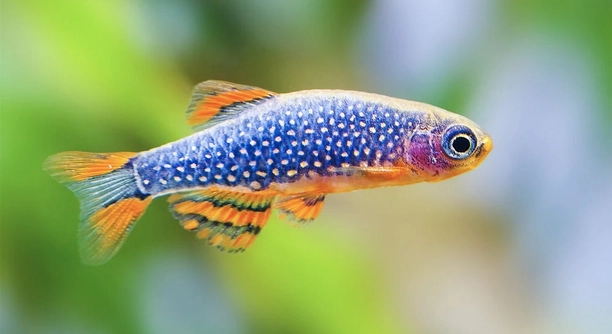
Moving danios between tanks or aquariums can be tricky, especially if you want to avoid stressing them. These small, active fish are sensitive to sudden changes in their environment, so careful handling is essential.
The most effective methods for moving danios involve minimizing water disturbance, maintaining stable water parameters, and handling fish gently. Gradual acclimation, the use of transport containers, and proper timing all contribute to reducing stress and ensuring their well-being.
Following these techniques will help your danios adjust smoothly to their new environment, keeping them healthy and active while preventing unnecessary stress during the transfer process.
Preparing the New Tank
Before moving your danios, make sure the new tank is ready. Check that the water is clean, properly filtered, and at the correct temperature. Adding a few hiding spots like plants or decorations can help the fish feel safe. Test the water parameters, including pH, ammonia, nitrite, and nitrate levels, to ensure they match the original tank as closely as possible. Proper lighting is also important, as sudden changes in brightness can stress the fish. Ensure the tank is cycled and fully operational. Avoid adding chemicals or treatments right before the transfer. Make sure the tank cover is secure to prevent accidental jumping. Preparing the tank ahead of time reduces shock and helps danios adjust faster. Planning every detail ensures the move is smoother and safer for your fish.
Preparing in advance gives your danios a calm environment to settle into. Proper setup reduces stress and health risks during the transfer.
A well-prepared tank can prevent sudden stress reactions. Danios are sensitive to abrupt changes, so matching water conditions and providing hiding spaces allows them to acclimate quietly. Proper filtration and lighting maintain stability, and ensuring no recent chemical additions avoids potential irritants. Small adjustments, like checking temperature and pH, create a safe, familiar environment that minimizes shock. Taking the time to arrange the tank carefully means your fish are less likely to show signs of stress or illness after the move. The calmer they feel, the quicker they adapt.
Gradual Acclimation
Move danios slowly by acclimating them to the new water. Float their transport bag in the tank for 15–20 minutes, allowing temperatures to equalize.
Gradual acclimation reduces shock. Sudden changes can lead to stress or illness, so slow adjustment is essential for their health.
Introduce small amounts of tank water into the transport bag every few minutes. This helps the fish adjust to the new water chemistry without experiencing sudden changes. Avoid pouring the fish directly into the tank too quickly, as abrupt differences in temperature, pH, or hardness can trigger stress responses. Observe their behavior carefully. If they seem panicked or lethargic, pause the acclimation and continue more slowly. Once the water in the bag matches the tank, gently release the fish using a net if necessary. Maintaining calm and quiet during this process further reduces anxiety. Over time, the danios will explore their new environment confidently, making the transition smooth and safe while protecting their overall health.
Using a Proper Transport Container
A clean, secure container is essential for moving danios. Avoid overcrowding, and ensure it has enough water to keep them comfortable without being cramped.
Choose a container that is smooth inside and free of sharp edges to prevent injury. Fill it with water from the original tank to maintain consistent water chemistry. Small aeration or gentle oxygenation can help if the transfer takes longer than expected. Cover the container loosely to prevent jumping while allowing airflow. Transport during cooler parts of the day to avoid temperature fluctuations. Keep the container stable and avoid sudden movements. Handling the container carefully ensures the fish remain calm and reduces stress during the move.
Check water temperature periodically, especially if the transfer takes more than an hour. Sudden changes can shock the fish and make them more susceptible to illness. Using familiar water from their home tank helps them stay comfortable. Limit handling and avoid tapping the container. Gentle movement and maintaining stable conditions are key. After reaching the new tank, begin gradual acclimation immediately to help them adjust. These steps make a significant difference in the overall well-being of your danios during transport.
Limiting Stress During Transfer
Minimize loud noises and vibrations around the fish while moving them. Keeping a calm environment reduces panic.
Stress can weaken danios’ immune systems, making them prone to disease. Maintain calm surroundings, handle the fish gently, and avoid rapid movements to protect their health.
During the transfer, move slowly and avoid sudden stops or jerks. Loud sounds or vibrations from tapping, slamming doors, or handling equipment nearby can trigger panic responses. Keep lights dim to prevent overstimulation, and cover the container partially if needed to reduce visual stress. Limiting interactions and keeping the environment quiet helps the fish remain calm, conserving energy. Observe their behavior throughout the move. Quick, careful adjustments to the container or water should be done calmly to prevent distress. Ensuring a gentle, controlled transfer protects their health and allows them to settle more quickly in the new tank.
Avoid Overcrowding
Transport only a few danios at a time. Overcrowding increases stress and reduces oxygen availability in the container.
Provide enough space for each fish to swim comfortably. Too many fish in a small container can cause panic, injury, or water quality issues.
Monitoring Water Quality
Keep an eye on temperature, pH, and oxygen levels during the transfer. Stable water conditions are essential for danios’ health.
Ensure that water in the transport container matches the tank conditions as closely as possible. Small fluctuations can stress the fish, so check parameters regularly. Adding a small air stone or gently agitating the water helps maintain oxygen levels during longer transfers. Limit exposure to direct sunlight or heat sources that can raise water temperature quickly. If the move takes time, consider changing some water gradually with fresh, conditioned water from the tank to maintain stability. Monitoring closely ensures the fish remain calm and healthy throughout the process.
Gentle Handling
Always use a soft net or cup when moving danios. Rough handling can cause injury and stress.
FAQ
How long can danios stay in a transport bag?
Danios can safely remain in a transport bag for up to an hour if the water is stable and oxygenated. Avoid prolonged periods, as limited oxygen and temperature changes can stress the fish and affect their health. Short transfers are always better.
Can I use a plastic container instead of a bag?
Yes, a smooth, clean plastic container works well. Make sure it is free of sharp edges and large enough to give each fish space to move. Partial coverage allows airflow while preventing them from jumping out during transport.
Do I need to turn off the filter before moving the fish?
Yes, remove or turn off the filter before transferring danios. Filters can create strong currents that stress fish in small containers. After the move, ensure the filter in the new tank is running properly to maintain water quality.
Should I feed my danios before moving them?
Avoid feeding for at least a few hours before transfer. Food can decompose in the transport water, reducing oxygen levels and increasing waste, which can stress the fish. Feed them after they have settled in the new tank.
Is it okay to use air stones during transport?
Yes, small air stones can help maintain oxygen levels during longer trips. Use gentle aeration to avoid creating strong currents that can tire the fish. Keep monitoring to ensure the water remains calm.
How do I know if my danios are stressed?
Signs of stress include rapid gill movement, clamped fins, frantic swimming, or hiding. Stress can weaken their immune system and make them more prone to illness. Gentle handling and a calm environment help reduce these behaviors.
Can I move multiple danios at once?
Yes, but avoid overcrowding. Only move as many as the container can comfortably hold, leaving space for swimming and ensuring proper oxygen levels. Overcrowding increases stress and the risk of injury.
Do I need to acclimate them after moving?
Always acclimate danios gradually. Slowly mixing small amounts of tank water into the transport container over 15–20 minutes allows the fish to adjust to new temperature and water parameters safely.
Is it safe to move danios at night?
Moving danios in dim lighting or at night can reduce stress, as they are less active. Keep the environment quiet, and avoid sudden lights or loud noises that might startle them during transport.
What should I do if a danio looks sick after moving?
Quarantine the fish in a separate tank if illness appears. Monitor closely, check water parameters, and treat as needed. Early intervention prevents the spread of disease to other fish in the new tank.
How do I prevent jumping during transfer?
Cover the transport container partially to prevent jumping. Avoid sudden movements or tapping on the container. Gentle handling and a calm environment reduce panic and minimize the chance of escape.
How important is water temperature during the move?
Temperature stability is critical. Sudden drops or rises can shock danios. Match the transport water as closely as possible to the tank temperature and avoid exposing the container to sunlight or drafts.
Can I move danios with other species?
It’s possible, but be cautious. Other fish may cause stress or aggression. If combining species, ensure compatible temperaments and provide enough space to prevent conflicts.
Should I monitor the fish during transport?
Yes, observe their behavior throughout. Calm, smooth swimming indicates they are adjusting well. Panic, clamped fins, or erratic movements suggest stress, requiring slower acclimation or adjustments.
How long should I wait before feeding in the new tank?
Wait a few hours until the danios settle and swim normally. This allows them to adjust to the new environment and reduces stress from digestion in unstable conditions.
Can I use water from the old tank in the transport container?
Yes, using water from the original tank maintains familiar chemistry and reduces stress. It helps the fish feel secure and minimizes sudden changes during the move.
Is it safe to transport danios in cold weather?
If the temperature drops significantly, use insulated containers to maintain warmth. Rapid temperature changes can shock the fish. Stable conditions are always more important than speed of transport.
Do danios need hiding spots in the new tank immediately?
Yes, adding plants or decorations gives them security. Hiding spots reduce stress and encourage exploration once they feel safe. Avoid overcrowding the tank but provide enough shelters for them to feel comfortable.
How often should I check water quality after moving?
Monitor parameters like pH, ammonia, nitrite, and nitrate daily for the first few days. Fish can be sensitive after moving, and early detection of changes prevents illness.
Can I use tap water directly for transport?
Never use untreated tap water. It may contain chlorine or heavy metals that harm fish. Condition the water with a dechlorinator before use to keep it safe.
How do I make a fast move less stressful?
Even if the transfer is short, ensure gentle handling, stable water, and a calm environment. Avoid shaking the container, loud noises, or sudden light changes during transport.
Is it okay to move danios during tank maintenance?
Yes, but prepare a proper temporary container and maintain stable water conditions. Avoid leaving fish in temporary holding areas for too long. Keep their environment clean and secure during maintenance.
What’s the best way to acclimate after a long trip?
Gradually add tank water in small amounts every few minutes. Observe the fish and avoid rushing the release. Slow adjustment prevents shock and helps them adapt safely.
Can stress during moving affect breeding?
Yes, stress can disrupt spawning behavior and reduce fertility. Keeping transfers calm and stable supports overall health and encourages natural behaviors after settling in.
How do I handle a fish that jumps out during transfer?
Gently use a soft net to return it to the container immediately. Reduce handling stress for all fish and ensure containers are partially covered to prevent future escapes.
Are smaller danios more sensitive to stress?
Yes, smaller or younger fish are more delicate. Extra care with water parameters, handling, and container space is essential to prevent injury or shock.
How do I keep fish calm during a long drive?
Keep the container stable, avoid temperature fluctuations, and minimize vibrations. Use a box or cooler to insulate the container and reduce sudden movements. Calm surroundings are critical for longer transports.
What signs indicate successful acclimation?
Danios swimming actively, exploring, and eating normally indicate they have adjusted well. Fins should be open, and gill movements steady. Any prolonged hiding or lethargy suggests additional observation is needed.
Can I move danios with plants in the bag?
Yes, adding a few plants can reduce stress by providing familiar surroundings and oxygen. Avoid overcrowding the container with too many decorations.
How should I dispose of water from the transport container?
Do not pour it directly into the new tank. Dispose of it safely or treat it if you plan to reuse. Avoid contaminating the new tank’s ecosystem with potentially imbalanced water.
Is it okay to move danios in extreme heat?
Avoid moving fish during very hot conditions. Heat can quickly raise water temperature, stressing danios. Use insulated containers and keep them out of direct sunlight.
How do I prevent disease during moving?
Keep containers clean, avoid overcrowding, and maintain water quality. Minimize handling and stress, as stressed fish are more susceptible to illness. Quarantine new or sick fish if necessary.
What’s the safest way to release danios into the new tank?
Use a net or gently tip the container after gradual acclimation. Avoid pouring them directly to prevent shock. Allow them to explore at their own pace while observing for signs of stress.
How long should I observe danios after moving?
Watch them for at least 24–48 hours for normal swimming, feeding, and behavior. Early detection of stress or illness allows quick intervention and prevents further problems.
Can stress affect their color or appearance?
Yes, stressed danios may appear pale or have clamped fins. Once settled and comfortable, their color usually returns, indicating they are healthy and adjusted.
Is it okay to transport them during feeding time?
Avoid moving fish during feeding, as digestion and waste can reduce water quality and increase stress. Wait until they have emptied their stomachs before starting the transfer.
How do I reduce noise during moving?
Carry containers gently, avoid tapping, and move in quiet areas. Covering the container partially also reduces visual stress and prevents sudden panic responses.
Can I move danios in water with other species’ chemicals?
Avoid this. Water from tanks with different medications or treatments can harm your danios. Always use clean, conditioned water from their original tank.
Should I separate danios by size during transfer?
It can help prevent bullying or stress. Smaller fish may be more vulnerable, so providing appropriate space and grouping similar sizes reduces conflicts.
Can sudden lighting changes cause stress?
Yes, danios are sensitive to bright or sudden lights. Move them in dim lighting and slowly introduce them to new tank lights to prevent panic or hiding behavior.
How often should I change water in the transport container?
For short trips, water changes are rarely needed. For longer transfers, small, gradual changes with conditioned water maintain oxygen and reduce waste buildup.
Is it safe to move pregnant or breeding danios?
Extra care is needed. Minimize stress, maintain stable water, and provide hiding spots. Avoid long transports that could disrupt pregnancy or egg development.
How can I make multiple trips easier?
Prepare containers in advance, keep water stable, and transport slowly. Short, calm trips with proper handling reduce stress and ensure the fish remain healthy throughout multiple moves.
Do danios need special care after moving?
Yes, observe them, maintain water quality, and avoid overcrowding. Provide hiding spots and normal feeding schedules to help them adjust comfortably.
How do I handle a panicked fish in the container?
Keep the container still, avoid tapping, and let it calm down before proceeding. Panicked fish may injure themselves or others if handled roughly.
Is it okay to move fish during heavy rain or storms?
Avoid extreme weather, which can cause temperature swings or accidents. If unavoidable, insulate containers and maintain stable water conditions.
Can stress cause long-term health issues?
Yes, prolonged stress weakens the immune system, slows growth, and can lead to disease. Minimizing stress during transport protects long-term health.
How do I prevent fungal infections after moving?
Keep water clean, avoid overcrowding, and monitor for any white patches or fin rot. Quarantine sick fish if necessary.
What’s the best container size for a small group of danios?
A container that allows 1–2 liters of water per fish is ideal. Enough space prevents overcrowding and reduces stress during transport.
Is it okay to use ice packs to keep water cool?
Only in hot conditions and indirectly. Direct contact can shock the fish. Use insulation to maintain stable temperatures without freezing water.
How do I prevent physical injuries?
Use soft nets, smooth containers, and avoid overcrowding. Gentle handling and slow movements protect fins and scales.
Can stress affect appetite?
Yes, stressed danios may refuse food initially. After acclimation, appetite should return as they adjust to the new environment.
Should I move them during molting or growth stages?
Avoid moving during vulnerable periods like molting or rapid growth, as stress can increase risk of injury or illness.
How long should I keep lights dim after moving?
Dim lights for a few hours to reduce stress. Gradually return to normal lighting once fish appear calm and active.
What’s the safest way to introduce new tankmates?
Acclimate new fish separately, then gradually introduce them to minimize aggression and stress. Observe interactions carefully during the first days.
Can danios tolerate short exposure to air during transfer?
Minimize exposure. Keep them submerged as much as possible, as brief air exposure can cause stress or gill damage.
How do I handle water spills during moving?
Use towels or absorbent materials to prevent accidents. Clean spills promptly to maintain safety for both the fish and the surroundings.
Is it okay to use tap water with a filter additive?
Yes, if properly conditioned. Avoid chemicals that could harm danios. Only use additives recommended for freshwater fish.
Can I move them with plants from another tank?
Only if the plants are clean and free from pests or disease. Contaminated plants can introduce pathogens.
How do I make a short move less stressful?
Even for short trips, maintain calm, stable water, and gentle handling. Quick but careful movement reduces panic and keeps fish healthy.
Should I avoid moving danios during breeding season?
Yes, stress can interrupt breeding behavior and egg development. Wait until after spawning to move them if possible.
How do I prevent water temperature swings in winter?
Use insulated containers or warm water if necessary. Avoid drafts or placing containers on cold surfaces. Stable temperature is crucial.
Can sudden movements in the container cause injury?
Yes, abrupt shaking can damage fins, scales, or internal organs. Handle containers gently and keep them stable at all times.
How do I clean the container after use?
Rinse with warm water and scrub gently. Avoid harsh chemicals. Let it dry completely before the next use.
Is it safe to use aquarium salt during transport?
Only in recommended doses for stress relief. Excessive salt can harm fish, so follow proper guidelines if used.
How do I know when acclimation is complete?
Active swimming, normal feeding, and open fins indicate they have adjusted. Monitor for at least a few hours before assuming full acclimation.
Can moving affect social behavior?
Yes, stressed fish may hide or show aggression temporarily. Stable conditions and gradual introduction help restore normal social interactions.
Should I remove decorations from the new tank before moving danios in?
No, keeping decorations helps reduce stress by providing familiar hiding spots immediately upon entry. Ensure nothing is sharp or overcrowding the space.
How do I prevent ammonia spikes after moving?
Monitor water quality, avoid overfeeding, and ensure the filter is running properly. Partial water changes may be necessary in the first few days.
Can stress cause color fading in danios?
Yes, pale coloration often indicates stress. Once they settle and feel secure, colors usually return to normal vibrancy.
How do I prevent fin damage during transport?
Avoid rough nets and overcrowding. Smooth containers and gentle handling are essential. Provide calm surroundings to minimize collisions or panic.
Is it safe to transport danios with other species in the same container?
Only if they are compatible and unlikely to stress each other. Separate aggressive or territorial species to prevent injury.
Can moving affect growth in young danios?
Stress can temporarily slow growth. Stable conditions, proper feeding, and minimal stress after moving help young fish catch up quickly.
How often should I observe fish behavior after moving?
Check several times a day for the first two days. Look for normal swimming, feeding, and interaction to ensure adaptation.
How long can I keep danios in temporary holding tanks?
Only as long as water is stable and oxygenated. Prolonged stays increase stress and the risk of water quality problems.
Can transport stress trigger disease outbreaks?
Yes, stress suppresses the immune system, making danios more susceptible. Keep conditions stable and observe carefully for early signs of illness.
Should I avoid moving fish during molting or illness?
Yes, vulnerable fish are more likely to be injured or worsen their condition. Wait until they are healthy before transferring.
Is it okay to use a net with rough edges?
No, use soft, smooth nets to prevent scale damage, torn fins, and injury during transfer.
How do I reduce stress when transferring multiple fish?
Move small groups, maintain water quality, minimize handling, and keep the environment calm and quiet throughout the process.
Can sudden lighting or noise changes cause panic?
Yes, danios are sensitive to abrupt stimuli. Keep lights dim and avoid loud sounds to prevent stress responses.
How do I safely reintroduce fish to a familiar tank?
Gradually acclimate them, observe behavior, and allow them to explore slowly. Provide hiding spots and maintain stable water conditions.
How long should I observe water quality after moving?
Monitor daily for at least a week. Check ammonia, nitrite, nitrate, and pH to prevent stress or illness from sudden changes.
Can stress cause long-term behavioral changes?
Prolonged stress may lead to hiding, aggression, or reduced activity. Calm handling and proper care help restore normal behavior over time.
Should I move danios during feeding or fasting periods?
Move during fasting to reduce waste buildup and prevent stress from digestion-related water quality issues.
Is it safe to use treated tap water for transport?
Yes, properly dechlorinated water that matches tank parameters is safe and reduces stress during transfer.
How do I handle a fish that injures itself during transfer?
Quarantine, monitor, and treat injuries as needed. Keep water clean and avoid further stress.
Can stress affect reproduction in adult danios?
Yes, high stress levels can reduce spawning behavior and fertility. Stable conditions are essential for breeding success.
How do I prevent overcrowding in transport containers?
Limit the number of fish to provide space for swimming and proper oxygen levels. Smaller groups reduce stress and injury risk.
Can I move danios in extreme weather conditions?
Avoid severe heat or cold. Insulated containers help, but stable, moderate temperatures are always safest for transport.
How important is water matching during acclimation?
Matching temperature, pH, and hardness prevents shock and allows danios to adjust safely to their new environment.
Can stress cause appetite loss?
Yes, stressed fish may refuse food. Appetite usually returns once they acclimate and feel secure in the new tank.
Is it safe to move danios with other species’ water?
No, water from other species may contain chemicals, pathogens, or parameters unsuitable for danios. Use their original or conditioned water.
How do I handle a sudden water quality issue during transport?
Take immediate action: partial water changes, gentle aeration, and calming the environment help reduce stress and protect the fish.
Can stress affect coloration permanently?
Temporary color fading is common, but long-term effects are rare if conditions stabilize and the fish remain healthy.
How do I maintain oxygen levels in the container?
Use gentle aeration or small air stones. Avoid overcrowding, and keep movements calm to prevent oxygen depletion.
Should I transport fish during molting periods?
Avoid moving fish during molting, as stress can worsen vulnerability and increase the risk of injury or infection.
How do I prevent disease after moving?
Moving danios between tanks or aquariums can feel stressful for both the fish and the person handling them, but careful planning and proper techniques make the process much smoother. The key is to focus on stability and calmness throughout each step. Ensuring that water temperature, pH, and other parameters are consistent between the original tank and the new environment is essential. Even small changes in water chemistry can shock danios, so taking the time to measure and adjust conditions before the move is worthwhile. A well-prepared tank with hiding spots, clean water, and proper filtration provides a sense of security, allowing the fish to explore their new home gradually. Minimizing sudden changes and maintaining a familiar environment is the foundation of reducing stress and promoting overall health.
Transporting the fish safely also requires attention to detail. Choosing the right container, providing enough water space, and avoiding overcrowding are all important factors. Gentle handling with soft nets or cups prevents injuries and helps keep the danios calm. During the move, limiting vibrations, loud noises, and bright lights further reduces panic behaviors. If the trip takes longer than expected, small measures like partial aeration or gradual water adjustments can make a significant difference. Observing the fish during transport allows for immediate response if any signs of stress or discomfort appear. Even experienced fish keepers benefit from taking the move slowly and methodically. Short trips may seem simple, but careful handling and monitoring remain essential to protecting their well-being.
Once the fish arrive at their new tank, gradual acclimation ensures a smooth transition. Slowly mixing the new tank water into the transport container helps danios adjust to changes in temperature and chemistry without causing shock. Providing familiar structures and keeping the environment quiet gives the fish confidence to explore and settle in. Monitoring their behavior over the first several hours and days is important to detect any lingering stress or early signs of illness. Feeding should be resumed only after they appear calm and active. Maintaining consistent water quality, proper lighting, and adequate hiding spots supports long-term health. By following these steps carefully, moving danios can be a safe and low-stress process, allowing the fish to thrive in their new home while protecting their physical and behavioral well-being.

Hello,
If you enjoy the content that we create, please consider saying a "Thank You!" by leaving a tip.
Every little bit helps us continue crafting quality advice that supports the health, happiness, and well-being of pets around the world, for pets of all shapes, sizes, and species.
We really appreciate the kindness and support that you show us!