
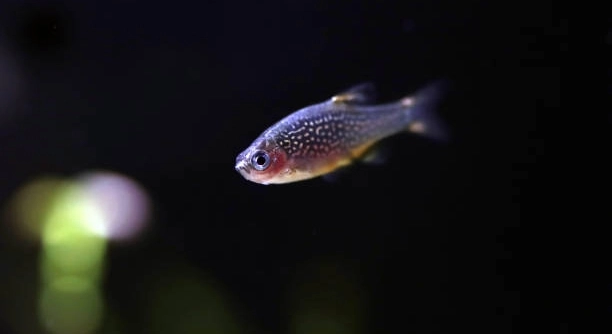
Keeping your danios healthy can feel like a small but important daily task. Observing their behavior and appearance closely helps you notice subtle changes before they become serious problems in your tank.
Early warning signs of danio health decline include changes in swimming patterns, loss of appetite, unusual spots or discoloration, rapid breathing, frayed fins, lethargy, and sudden weight loss. Monitoring these indicators can help prevent serious illness.
Recognizing these early signs allows you to act quickly and support your danios’ well-being in a timely manner.
Changes in Swimming Patterns
When danios start swimming erratically, it is often the first sign of stress or illness. You might notice them darting quickly from one side of the tank to the other or staying near the surface more than usual. Some danios may float listlessly or struggle to maintain balance, which can indicate problems with their swim bladder or internal organs. In many cases, swimming issues occur before other visible symptoms appear, so careful observation is key. Lighting, water temperature, and tank overcrowding can all influence swimming behavior, so it’s important to maintain consistent conditions. Even small deviations in water chemistry can make them restless. Watching their movement daily allows you to catch subtle changes early. Making adjustments to diet, tank cleaning schedules, or water parameters often helps them recover. Being attentive to these movements can prevent minor issues from turning into serious health problems.
Erratic or unbalanced swimming in danios signals potential stress, swim bladder issues, or other internal conditions needing prompt attention to prevent worsening health.
Noticing a change in swimming patterns can feel subtle at first, but persistent observation will reveal trends over days. Regularly checking water quality and keeping the tank environment stable reduces these swimming disturbances and supports their overall health.
Loss of Appetite
Loss of appetite is often one of the earliest signs that a danio is not feeling well. When they suddenly refuse food or eat much less than usual, it may indicate internal illness, stress, or poor water conditions. Appetite changes can occur alongside other visible symptoms such as fading colors or slower swimming. Feeding your danios on a regular schedule and offering a variety of foods can help you notice changes quickly. Sometimes, adjusting the diet or improving water quality helps them regain interest in food. Ignoring a loss of appetite can lead to rapid weight loss and further health complications. Keeping track of how much each danio eats and observing their behavior after feeding provides crucial information. Early intervention, like isolating a sick fish or testing water parameters, often prevents minor appetite issues from escalating.
Reduced feeding is a clear signal to monitor the tank environment and your danios’ overall behavior more closely.
Sudden disinterest in food can stem from multiple factors, including stress, water quality, or underlying disease. Observing each fish individually allows you to detect which ones are affected first. If a danio consistently avoids food, it may need isolation and a closer checkup to prevent disease from spreading. A healthy diet, stable water conditions, and careful monitoring are essential to restore normal feeding habits. Feeding smaller portions more frequently can encourage eating and reduce strain on the digestive system. Over time, this attention ensures your danios maintain proper nutrition and recover more quickly from minor health issues, reducing the risk of long-term decline.
Unusual Spots or Discoloration
Small spots or color changes on danios often signal stress, infection, or poor water quality. These can appear as white patches, red marks, or faded areas, sometimes accompanied by frayed fins or lethargy. Observing these changes early helps prevent serious illness.
Discoloration can result from bacterial or fungal infections, parasites, or environmental issues such as fluctuating water temperature or poor filtration. White spots, for instance, may indicate ich, while red streaks could suggest bacterial infection. Regular tank maintenance, including partial water changes and cleaning, reduces the risk of these problems. Keeping an eye on the intensity and spread of discoloration allows for timely intervention, including adjusting water conditions or isolating affected fish. Sometimes subtle changes are the first visible sign that a danio’s immune system is compromised.
Not all spots are serious, but sudden or spreading discoloration usually warrants attention. Quarantining affected fish and treating the tank carefully prevents the issue from affecting the whole group. Monitoring diet and maintaining consistent water parameters also supports natural healing and helps maintain vibrant coloration.
Rapid Breathing
Rapid gill movement or gasping at the water surface indicates stress, low oxygen, or possible gill infection. Consistent observation is necessary to address these conditions before they worsen.
Danios breathe faster when oxygen levels drop, water temperature rises, or ammonia levels increase. Gill infections caused by bacteria or parasites can also make breathing labored. Ensuring proper aeration, regular water testing, and maintaining a clean tank helps reduce these risks. Observing how often and how intensely they breathe provides insight into their overall health. Sudden changes often point to environmental issues, while prolonged rapid breathing usually signals an underlying illness that needs intervention.
If rapid breathing continues despite proper tank care, it may require isolating the affected fish and treating the water or using medication recommended for gill infections. Adjusting temperature gradually and improving water circulation often eases breathing. Paying attention to the subtle signs of struggle helps maintain a stable, healthy environment for all danios.
Frayed Fins
Frayed or torn fins usually indicate physical damage, aggression from tank mates, or bacterial infection. Early observation can prevent worsening and help the fish heal faster.
Maintaining proper water conditions and separating aggressive fish reduces fin damage. Treatment with mild antibacterial solutions can support recovery.
Lethargy
When danios become unusually inactive, it often signals stress, poor water quality, or early illness. Lethargy can appear as resting at the bottom, reduced swimming, or ignoring food. Monitoring water parameters and observing other fish behavior helps identify the cause and prevent further decline.
Sudden Weight Loss
Rapid weight loss in danios is a clear warning of internal illness or nutritional deficiencies. Fish may appear thinner, with sunken bellies or protruding spines. This can result from parasitic infections, bacterial diseases, or prolonged lack of proper food.
White or Cloudy Eyes
Cloudy or white eyes often indicate bacterial infection or poor water quality. Prompt attention is essential to prevent further health complications and maintain overall tank hygiene.
FAQ
How often should I check my danios for health issues?
Checking your danios daily is the best approach. Observing their swimming patterns, appetite, and appearance for even subtle changes helps you catch problems early. Simple visual checks can prevent minor issues from turning into serious illnesses. Spending just a few minutes each day makes a big difference in maintaining their health.
What water parameters are most important for danios?
Temperature, pH, ammonia, nitrite, and nitrate levels are critical for danios’ well-being. Keep the water between 20–26°C and pH around 6.5–7.5. Ammonia and nitrite should always be at zero, and nitrates kept below 40 ppm. Regular testing ensures a stable environment, reducing stress and illness.
Can diet affect their health?
Yes, diet plays a major role. Feeding a mix of high-quality flakes, pellets, and occasional live or frozen food keeps them healthy. Avoid overfeeding, as leftover food can pollute the water and increase the risk of disease. A balanced diet strengthens their immune system and maintains vibrant coloration.
What should I do if a fish shows rapid breathing?
Rapid breathing often signals low oxygen or gill issues. First, check water oxygen levels, temperature, and cleanliness. Adding an air stone or increasing water circulation helps. If the problem persists, isolate the fish and consult appropriate treatment for possible bacterial or parasitic gill infections.
How can I prevent fin fraying?
Preventing fin damage starts with proper tank setup. Avoid overcrowding and keep aggressive fish separate. Maintain clean water and stable parameters, as poor conditions increase vulnerability. Minor fin fraying can heal on its own, but bacterial infections require treatment with mild antibacterial solutions.
When should I be concerned about discoloration or spots?
Any sudden appearance of white spots, red streaks, or faded areas warrants attention. Persistent or spreading discoloration is usually a sign of bacterial, fungal, or parasitic infection. Quarantine affected fish, check water quality, and treat as necessary to prevent the issue from spreading to other tank members.
How do I know if my danio is losing weight?
Watch for a thinner body, sunken belly, or visible spine. Track feeding habits and activity levels, as reduced appetite often accompanies weight loss. Rapid or prolonged weight loss usually indicates internal illness or parasites and may require isolation and treatment to prevent serious health decline.
Can water changes help prevent health problems?
Regular water changes are essential. Replacing 20–30% of tank water weekly removes toxins, maintains water quality, and reduces stress. Consistent water maintenance keeps ammonia, nitrite, and nitrate levels in check, lowering the risk of diseases that often show as lethargy, rapid breathing, or discoloration.
Is isolation necessary for sick fish?
Yes, isolating sick fish prevents disease from spreading and allows for targeted treatment. Use a separate quarantine tank with clean, stable water and observe symptoms closely. Isolation also reduces stress, giving the fish a better chance to recover quickly while protecting healthy tank mates.
What should I do if my danio stops eating completely?
If a fish refuses food for more than a day or two, check water conditions first. Adjust temperature, aeration, and cleanliness. Offer high-quality, varied foods, and consider isolation for observation. Persistent loss of appetite may indicate infection or parasites, which may require medication or professional guidance.
How important is observing swimming behavior daily?
Very important. Changes in swimming patterns, such as erratic movements, hovering near the surface, or lethargy, often appear before visible signs of illness. Daily observation helps identify early stress or disease, allowing prompt intervention and maintaining the health and safety of the entire tank.
Can tank decorations affect their health?
Yes, sharp or rough decorations can cause fin damage, while poor placement may stress fish or reduce swimming space. Smooth surfaces, adequate hiding spots, and open areas for swimming reduce injury risk and support natural behavior. Clean decorations regularly to prevent algae buildup and bacterial growth.
How do I handle cloudy or white eyes in danios?
Cloudy or white eyes often indicate bacterial infection or poor water quality. Test water parameters and improve cleanliness. Isolate affected fish and consider antibacterial treatment. Maintaining a consistent environment and high-quality diet helps prevent eye issues and supports overall health.
Are some danio species more prone to health issues?
Certain species may be more sensitive to water changes, temperature fluctuations, or stress. Research species-specific needs and adjust tank conditions accordingly. Understanding individual species behavior and dietary requirements helps reduce susceptibility to common health problems and supports a thriving aquarium.
Can stress alone cause health decline?
Yes, stress from overcrowding, sudden temperature changes, or aggressive tank mates can weaken the immune system. Even minor stress over time makes danios more vulnerable to disease, fin damage, and appetite loss. Monitoring tank dynamics and providing a stable, peaceful environment is key to preventing stress-related issues.
How can I tell if water quality is affecting my fish?
Signs include rapid breathing, lethargy, discoloration, or unusual swimming patterns. Regular testing for ammonia, nitrites, nitrates, and pH reveals issues before they impact health. Consistent water changes, filtration maintenance, and monitoring of parameters prevent stress and disease caused by poor water quality.
What steps help my danios recover from illness?
Start by isolating the sick fish, checking water quality, and adjusting diet. Monitor symptoms daily and apply appropriate treatments if infections are present. Maintaining stable temperature, clean water, and minimal stress supports recovery. Recovery can take days or weeks, depending on the severity of the condition.
How can I prevent recurring health problems?
Consistency is key. Keep water parameters stable, feed a balanced diet, observe behavior daily, and perform regular tank maintenance. Avoid overcrowding, quarantine new fish, and treat minor issues promptly. Proactive care reduces the likelihood of recurring illnesses and supports long-term danio health.
Are there early signs that are often overlooked?
Yes, subtle changes like slight color fading, minor changes in swimming speed, or brief disinterest in food are often missed. Noticing these early allows intervention before serious symptoms develop. Tracking small changes in behavior and appearance improves long-term outcomes and overall well-being of your fish.
Caring for danios requires consistent attention and observation. Even though these fish are hardy, they are sensitive to changes in their environment, diet, and social dynamics. Paying attention to subtle shifts in swimming patterns, appetite, or appearance helps you recognize problems early, before they develop into serious illnesses. Small daily checks can make a significant difference in keeping them healthy. Maintaining stable water conditions, including temperature, pH, and cleanliness, provides a foundation for their well-being. Over time, this consistent care builds a healthier tank environment where danios can thrive naturally without unnecessary stress or disease.
Feeding also plays an important role in supporting health. A balanced diet that combines high-quality flakes or pellets with occasional live or frozen food strengthens the immune system and maintains vibrant coloration. Overfeeding or irregular feeding schedules can create water quality issues and stress the fish, so it is important to provide measured portions on a consistent schedule. Observing each fish during feeding helps identify those that may be eating less than usual, which can indicate early signs of health problems. Diet and water quality work together to support overall well-being, and paying attention to both ensures that minor issues do not escalate into more serious concerns.
Early recognition of common warning signs, such as rapid breathing, fin fraying, discoloration, lethargy, and loss of appetite, allows for timely intervention. Isolation of affected fish, careful monitoring, and treatment when needed can prevent diseases from spreading to other members of the tank. Keeping a calm and stable environment reduces stress, which is a major factor in declining health. By being attentive, consistent, and proactive, you give your danios the best chance to stay strong and vibrant. Small steps, like regular water changes, gentle observation, and maintaining proper diet, create a healthier, more comfortable home for your fish, ensuring they remain active and lively for a long time.

Hello,
If you enjoy the content that we create, please consider saying a "Thank You!" by leaving a tip.
Every little bit helps us continue crafting quality advice that supports the health, happiness, and well-being of pets around the world, for pets of all shapes, sizes, and species.
We really appreciate the kindness and support that you show us!