
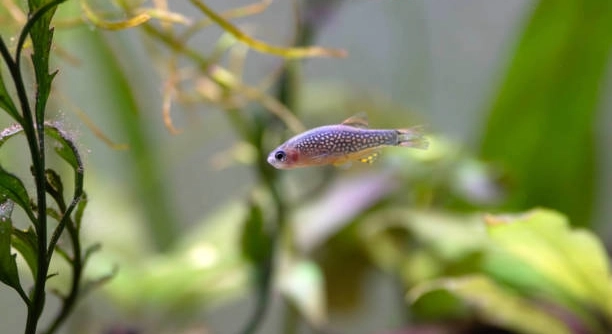
Are your danios swimming around your tank with little interest in their surroundings? Creating a stimulating environment can encourage them to explore more, making your aquarium feel lively and interactive for both the fish and observer.
Tank layouts that incorporate varied structures, plants, and open swimming areas enhance danio curiosity. Providing visual barriers, floating elements, and contrasting textures encourages natural exploration, improves mental stimulation, and promotes active, healthy behavior in captive danios.
These seven tank designs provide practical ways to make your danios more engaged and active in their daily routines.
Floating Plants for Natural Exploration
Floating plants create shaded areas and gentle currents in the tank, giving danios natural hiding spots while encouraging movement. These plants break up open spaces, adding layers that fish can navigate. Danios enjoy weaving through leaves and stems, which promotes active swimming. Adding floating plants like duckweed or frogbit is simple and provides both enrichment and slight cover. They also help maintain water quality by absorbing excess nutrients, reducing algae growth. Placement should allow open swimming zones so fish are not confined entirely to one area. Observing danios interact with plants can reveal individual personalities, as some may prefer hiding while others explore more actively. Rotating plant placement occasionally keeps the environment dynamic and prevents fish from becoming accustomed to the same layout. Small floating plants can even create micro-currents, stimulating swimming behavior and giving danios mental engagement. These natural additions are low maintenance yet highly effective for fostering curiosity and enhancing tank aesthetics overall.
Floating plants give fish mental stimulation and encourage them to move freely in their habitat.
These plants are versatile. You can mix dense clusters with sparse areas to balance hiding spots and open water. Floating plants also soften lighting and reduce stress, making the tank more comfortable. They provide surfaces for microorganisms, which can serve as tiny snacks, further encouraging natural foraging behaviors. Overall, floating plants enrich the tank both visually and functionally.
Varied Substrate for Exploration
Using different substrates adds texture and interest for danios.
Mixing sand, fine gravel, and smooth pebbles creates areas to explore and encourages natural digging and swimming behaviors. Changing textures underfoot keeps the tank stimulating and reduces monotony.
Different substrates influence fish behavior and tank dynamics. Soft sand allows gentle digging without harming fins, while gravel creates small currents when moved, giving danios feedback through their environment. Layering substrates can create slight slopes or small hills, adding three-dimensional interest. Light-colored sand contrasts with darker gravel, helping danios spot food particles more easily. Some substrates, like nutrient-rich soil, support live plants that add further stimulation. It is important to clean mixed substrates regularly to prevent buildup of debris, ensuring a healthy environment. Observing how danios interact with various textures can help tailor the layout to their preferences. By experimenting with substrate types and arrangements, you can maintain engagement and encourage active swimming while supporting plant growth and tank hygiene. Substrates ultimately transform the tank into a more dynamic and interesting space, keeping danios mentally and physically active.
Hiding Spots and Caves
Hiding spots give danios places to rest and feel secure, reducing stress while encouraging exploration. Caves, hollow logs, and rock formations provide variety in the tank environment, making fish more active when moving between sheltered and open areas.
Caves and other hiding spots mimic natural habitats. Danios often dart between open water and protected spaces, which keeps them engaged and reduces aggressive interactions. Using ceramic or resin caves ensures durability and safety, as sharp edges can injure fins. Rock formations can be stacked to create tunnels or small caves, offering multiple access points. Positioning hiding spots at different heights allows fish to explore vertically, not just horizontally, increasing activity. Even small decorations like clay pots or half coconut shells can become a favorite resting area. Rotating or slightly adjusting these elements every few weeks keeps the tank environment dynamic. Proper spacing prevents overcrowding and ensures all fish can use the spots comfortably.
Observing danios navigate between hiding spots reveals natural behaviors and enhances their curiosity. Providing multiple caves encourages swimming, exploration, and interaction with the tank’s layout, contributing to their overall mental and physical health.
Open Swimming Zones
Open swimming zones allow danios to exercise freely and exhibit natural schooling behavior.
Creating clear areas without decorations or plants gives fish room to move quickly and interact with each other. These zones balance out cluttered sections of the tank, preventing stress. Fish need open spaces for bursts of speed, which mimic natural conditions and help maintain fitness. Properly sized open zones prevent overcrowding, ensuring every fish has space to swim comfortably. Open swimming zones also make feeding easier, as fish can detect and chase food without obstruction. Alternating open spaces with structured areas promotes movement throughout the tank rather than remaining in one section. Clear zones encourage schooling patterns and highlight fish coloration, making observation enjoyable. Regular maintenance, like trimming plants or rearranging décor, keeps these zones effective and prevents them from becoming overgrown.
Well-planned open swimming areas complement structured zones, allowing danios to explore, socialize, and remain physically active. Observing their interactions in these spaces provides insight into their energy levels and curiosity, keeping the aquarium lively and balanced.
Vertical Structures
Vertical structures give danios areas to swim upward and explore different tank levels. Plants, tall rocks, or bamboo sticks provide height, encouraging natural movement patterns and making the tank more dynamic.
These structures create visual interest while breaking up flat swimming spaces. Fish often interact with vertical elements, weaving between them and exploring from bottom to top.
Floating Ornaments
Floating ornaments add interactive layers to the tank without taking up the bottom space. They create gentle currents and small shaded areas, stimulating danios’ curiosity and encouraging swimming.
Contrasting Colors
Using decorations and plants with contrasting colors attracts danios’ attention. Bright or dark elements make certain areas stand out, guiding fish to explore different sections of the tank.
Submerged Tunnels
Submerged tunnels allow danios to swim through and around structures safely. These tunnels increase activity, provide exploration opportunities, and help fish feel secure while navigating the tank.
FAQ
How do I choose the best layout for my danios?
Start by observing your fish’s behavior and swimming patterns. Incorporate a mix of open swimming zones, hiding spots, and vertical structures to encourage natural exploration. Use plants, caves, and tunnels to create layers in the tank. Balance these elements so the tank is neither too cluttered nor too empty, allowing danios to move freely and feel secure. Rotating decorations occasionally keeps the environment dynamic. Keep water quality and temperature in mind, as a healthy tank encourages active and curious fish.
Can danios become stressed with too many decorations?
Yes, overcrowding the tank can limit swimming space and create tension. While structures, plants, and caves are beneficial, too many can overwhelm the fish. Observe your danios and adjust layout density if they appear lethargic or hide excessively. Leave enough open areas for bursts of swimming. Stress can affect appetite and coloration, so maintaining a balanced setup is essential.
What plants work best for encouraging exploration?
Floating plants like duckweed and frogbit create gentle currents and shaded areas, encouraging danios to swim through and under leaves. Tall, rooted plants such as vallisneria or hornwort provide vertical space, promoting natural movement. Rotating plant placement occasionally prevents fish from becoming accustomed to a fixed setup, keeping their environment engaging. Avoid plants with sharp leaves that could injure fins.
How important are hiding spots and caves?
Hiding spots and caves are essential for reducing stress and stimulating natural behavior. Danios use these areas to rest, explore, and feel secure. Position them at various heights and locations to create a sense of depth. Multiple access points allow all fish to use the spots without competition. Even small decorations like clay pots or half coconut shells can serve as effective hiding areas.
Do substrates affect curiosity?
Yes, different substrates encourage exploration. Mixing sand, fine gravel, and smooth pebbles provides tactile variety, prompting digging and swimming behaviors. Layered substrates can create slopes or hills, adding dimension. Light and dark contrasts help fish spot food and navigate more actively. Regular cleaning prevents buildup, maintaining both curiosity and tank health.
Are open swimming zones necessary?
Open zones are crucial for exercise and schooling behavior. Clear areas allow danios to swim freely, chase food, and interact naturally. Alternating open zones with structured sections encourages full-tank exploration rather than staying in one area. Keeping these zones maintained ensures fish remain active and healthy.
How often should I change decorations or layout?
Adjusting the layout every few weeks helps maintain engagement. Small rotations of plants, rocks, or tunnels prevent habituation, keeping danios curious. Avoid frequent major changes, as sudden alterations can stress fish. Gradual adjustments are best for stimulating activity without disrupting their sense of security.
Can tank lighting affect exploration?
Yes, lighting influences activity. Moderate lighting encourages movement while providing a sense of safety. Shadows created by plants and ornaments stimulate natural exploration. Bright, harsh lights may cause stress, while dim areas combined with open swimming zones create a balanced environment.
Do danios interact differently with artificial decorations?
Artificial decorations can be as effective as natural elements if they are smooth, safe, and placed thoughtfully. Rocks, tunnels, and synthetic plants provide enrichment and exploration opportunities. Mixing artificial and live elements creates a varied environment that encourages active behavior while remaining easy to maintain.
How do I know if my danios are curious enough?
Active swimming, frequent exploration of new areas, interacting with hiding spots, and following each other in open zones indicate healthy curiosity. Fish that consistently stay hidden, show lethargy, or avoid sections of the tank may need environmental adjustments. Observation is key to understanding behavior.
What maintenance is required to keep a curious-friendly tank?
Regular cleaning of substrates, trimming plants, rotating decorations, and monitoring water parameters are essential. Maintaining balanced layouts and open spaces ensures fish remain active. Removing debris and checking tunnels, caves, and floating elements prevents accidents and promotes safe exploration.
Can multiple danio species share the same layout?
Yes, as long as their swimming needs, aggression levels, and environmental preferences are compatible. Provide adequate hiding spots, open areas, and visual barriers to prevent stress. Observation ensures all fish interact comfortably with the layout, maintaining curiosity and health.
How do I balance enrichment with simplicity?
Focus on a few well-placed elements that encourage exploration without overcrowding. Combine open zones, vertical structures, and tunnels thoughtfully. Avoid unnecessary clutter, but rotate key features occasionally to maintain novelty. Balance ensures danios remain curious while the tank stays easy to maintain and visually appealing.
Can enrichment affect feeding behavior?
Yes, interactive elements like tunnels, plants, and varied substrates encourage natural foraging behaviors. Fish explore and chase food around obstacles, stimulating both mental and physical activity. Proper enrichment supports appetite, reduces stress, and makes feeding time more engaging.
Are there any safety concerns with adding multiple decorations?
Always use smooth, non-toxic materials. Avoid sharp edges and unstable stacks that could injure fish. Ensure tunnels and caves are large enough for all fish to pass safely. Monitor structures regularly to prevent tipping or entrapment. Safety preserves both curiosity and well-being in the tank.
This FAQ covers practical tips and behaviors to keep danios active, mentally stimulated, and engaged in their environment, combining enrichment with a safe and manageable tank setup.
Creating an engaging tank layout for danios is about balancing structure, open space, and visual interest. Each element you add—from floating plants to caves—serves a purpose. Floating plants offer gentle shade and movement, while caves and tunnels provide hiding spots and safe zones. Vertical structures give the fish a chance to explore different levels, making the environment more dynamic. Mixing substrates adds texture, promoting natural digging and swimming behaviors. By carefully combining these features, the tank becomes an interactive space where danios can express their curiosity naturally and remain active throughout the day. Regular observation helps identify which areas the fish prefer, ensuring the tank meets their behavioral and mental needs. Rotating decorations or adjusting plant placement occasionally keeps the environment stimulating and prevents the fish from becoming accustomed to a static layout.
Open swimming zones are just as important as structured areas. Danios are active, schooling fish that need space to swim freely and interact with each other. Clear zones encourage bursts of movement, chase behaviors, and overall physical exercise. Balancing these open areas with hiding spots and vertical structures ensures the fish can explore safely while also retreating when they feel stressed. Contrasting colors in decorations or plants draw the fish toward different sections of the tank, encouraging them to move and investigate new surroundings. Even small details, such as smooth rocks, tunnels, or artificial ornaments, can make a difference in maintaining curiosity. Maintaining a balance between enrichment and simplicity is key—too much clutter can overwhelm the fish, while too little can lead to boredom and decreased activity. Careful placement and thoughtful design help create a visually appealing and behaviorally enriching tank that promotes the well-being of your danios.
Consistency in tank maintenance also contributes to a healthy and curious environment. Regular cleaning of substrates, trimming plants, and monitoring water parameters ensures the tank remains safe and comfortable for exploration. Checking that caves, tunnels, and other structures are stable and free from sharp edges prevents injuries. Attention to lighting, temperature, and compatibility with tankmates further supports natural behavior and active swimming. Over time, observing how your danios interact with different elements allows you to fine-tune the layout to their preferences. This approach encourages continued curiosity and keeps the fish mentally stimulated. Ultimately, a well-planned tank layout combines open space, structured zones, varied textures, and safe, interactive elements. This creates an environment that not only supports their physical health but also engages their natural instincts, allowing your danios to thrive in a balanced and enriching habitat.

Hello,
If you enjoy the content that we create, please consider saying a "Thank You!" by leaving a tip.
Every little bit helps us continue crafting quality advice that supports the health, happiness, and well-being of pets around the world, for pets of all shapes, sizes, and species.
We really appreciate the kindness and support that you show us!