
Have you ever noticed how tiny fish grow from delicate eggs into colorful adults in your aquarium? Observing this transformation can be fascinating, especially as each stage shows unique changes and challenges for the developing fish.
Danio development from egg to adult follows a predictable sequence beginning with fertilized eggs, progressing through embryonic stages, hatching, larval growth, juvenile transformation, and finally reaching full adult morphology, each stage marked by distinct physiological and behavioral changes.
Understanding these stages can help you care for your fish more effectively and appreciate the complexity of their growth patterns.
Fertilized Eggs and Early Embryos
When the eggs are first fertilized, they are tiny, translucent, and very delicate. I always find it amazing how much activity occurs even at this early stage. The cells begin dividing rapidly, forming a tiny blastodisc on top of the yolk. These early embryos are very sensitive to temperature and water quality. Any sudden changes can affect their development, so keeping the tank stable is important. Watching them under a microscope shows how organized the cells are, moving precisely as they start forming the structures of the future fish. Even though the eggs are small, each contains everything needed to begin life. Over the first day, the embryo develops the basic body axis, eyes, and tail bud. By the end of the first day, the heart starts forming, preparing for circulation. This stage is critical, and careful observation can prevent early losses.
The fertilized eggs require stable water conditions and gentle handling to ensure proper development during this stage.
Early embryo development sets the foundation for every stage that follows, influencing growth, behavior, and survival. Monitoring this phase closely ensures that larvae will hatch strong and healthy, giving them a better chance to thrive in the tank as they transition to the next stage.
Hatching and Larval Growth
Hatching usually occurs within 48 to 72 hours, depending on temperature.
Once hatched, larvae are tiny, transparent, and have a visible yolk sac that provides nutrition. They cannot swim strongly yet, so they mostly float near surfaces and rely on the yolk for energy. Their eyes are already functional, and they start reacting to light. Over the next several days, the yolk sac shrinks as they begin feeding externally. At this stage, I make sure to provide very fine food, like infusoria or specially prepared larval feed. Proper nutrition and clean water are crucial; even small mistakes can slow growth or cause deformities. During larval growth, fins begin to form, and muscles strengthen, gradually allowing the fish to swim more actively. Observing these changes always feels rewarding, as every day brings noticeable progress. Larval stages are fragile but fascinating, showing rapid adaptation from yolk dependency to independent feeding, preparing for juvenile life.
Juvenile Development
Juvenile danios start looking more like adults, with fins fully formed and body patterns emerging. They swim actively and explore the tank, gradually losing their larval transparency.
At this stage, growth accelerates, and feeding becomes more important. Juveniles need finely crushed flakes or small live foods to support muscle development and healthy coloration. I always notice their behavior changing—they become more coordinated and social, schooling together naturally. Fins grow stronger, and their scales start reflecting light. Water quality continues to be crucial, as stress or poor conditions can stunt growth. Observing juveniles shows how quickly their features shift toward adult morphology.
Behaviorally, juveniles are more interactive and responsive to tankmates. They begin forming early social structures, such as group swimming patterns, and respond to changes in environment, including light and water movement. This period is key for their survival instincts and overall health. Careful feeding and stable conditions help ensure they reach adulthood with strong, well-developed bodies.
Adult Danios
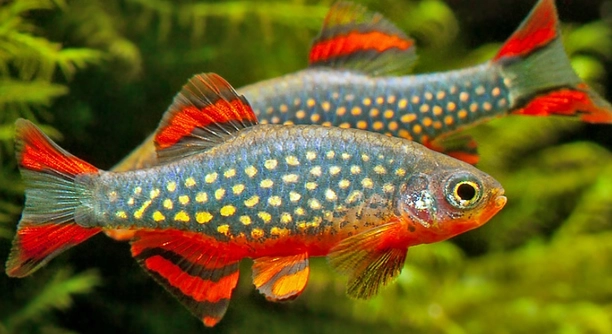
Adult danios are fully formed and show characteristic coloration and body shapes. They swim confidently and interact regularly with other fish in the tank.
Sexual maturity is reached around three months, with males showing brighter colors. Adults require consistent feeding and clean water to maintain health. I notice adults establish social hierarchies, often schooling and showing subtle dominance behaviors. Their activity level is high, and they respond quickly to food or environmental changes. Adult fins and scales are fully developed, and growth slows compared to juvenile stages. This period is critical for breeding and long-term health, requiring careful observation.
Adults display complex social behaviors, including schooling, chasing, and occasional territorial disputes. They can live for several years if maintained properly, with diet, tank space, and water quality all influencing longevity. Providing hiding spaces and consistent conditions promotes natural behaviors and reduces stress, ensuring the fish thrive. Observing adults over time reveals subtle changes in patterns, color intensity, and interactions, giving a deeper appreciation for their full development from tiny eggs to mature fish.
Growth Rate and Size
Danios grow quickly during the first few months, especially in well-maintained tanks. They gain size steadily, and juveniles can double in length within weeks.
Growth depends on food quality, water temperature, and tank conditions. I keep track of these factors to ensure healthy development and prevent stunted growth.
Coloration Changes
As danios mature, their colors become more pronounced and defined. Juveniles often have faint stripes or spots that intensify with age. Regular feeding with nutrient-rich food enhances their natural pigments, and stable water conditions prevent fading. Watching these changes is rewarding, as each fish gradually develops its unique adult pattern and vibrancy.
Feeding Habits
Adult danios are omnivorous and eat both live and prepared foods. They actively seek small insects, brine shrimp, or flake foods. Feeding multiple times a day in small portions keeps them healthy. I notice their energy and activity improve noticeably with consistent feeding, and they quickly recognize feeding times.
Lifespan Expectations
In optimal conditions, danios can live for three to five years. Maintaining clean water, stable temperature, and proper diet extends their lifespan. Regular observation helps catch early signs of stress or illness, ensuring a long and active life for each fish.
FAQ
How long does it take for danio eggs to hatch?
Danio eggs usually hatch within 48 to 72 hours after fertilization, depending on water temperature. Warmer water speeds up development slightly, while cooler water can slow it down. I always keep a close eye on the tank during this period because the eggs are very delicate and any sudden changes can affect hatching success.
What do danio larvae eat after hatching?
For the first few days, larvae rely on their yolk sacs for nutrition. Once the yolk is absorbed, they need very fine foods like infusoria, newly hatched brine shrimp, or specially prepared liquid feeds. I make sure to provide small portions several times a day, as larvae cannot eat large amounts at once. Clean water and careful feeding prevent mold or bacteria from harming the larvae.
When do danios start swimming actively?
Danio larvae begin limited swimming within two to three days after hatching. At first, movements are mostly drifting or short bursts of motion. By the end of the first week, they become more coordinated, actively exploring their surroundings. I notice that this stage is critical, as their muscles strengthen and fins develop, preparing them for juvenile behavior and more independent feeding.
How can I tell male and female danios apart?
Males are usually slimmer with brighter coloration, while females are slightly rounder and paler. I find that during breeding season, the differences become more obvious. Observing their behavior helps too—males tend to chase females gently around the tank. Recognizing sex early helps with breeding plans and managing social interactions in the tank.
How fast do danios grow into juveniles?
Juveniles appear within two to four weeks after hatching, depending on water conditions and feeding. Growth is rapid at this stage, with fins fully forming and body patterns starting to appear. I notice that consistent nutrition and stable temperature make a big difference in how quickly they reach juvenile size. Stress or poor water quality can slow growth significantly.
What water conditions are best for danio development?
Stable water temperature around 24–28°C (75–82°F) and clean, well-oxygenated water are ideal. pH should be neutral to slightly alkaline, between 6.5 and 7.5. I always monitor ammonia, nitrite, and nitrate levels carefully because early-stage eggs and larvae are very sensitive to poor water quality, which can affect survival and growth.
How do I prevent deformities in developing danios?
Deformities usually result from poor water conditions, overfeeding, or genetic issues. Maintaining clean water, feeding balanced foods, and avoiding overcrowding reduces risks. I also avoid sudden temperature changes and monitor early embryos closely. Gentle handling and consistent care during larval and juvenile stages increase the chances of producing healthy, normally developed adults.
Can danios breed in a home aquarium?
Yes, danios breed readily under the right conditions. Providing slightly cooler water at night and warmer during the day encourages spawning. I set up shallow breeding tanks with plants or mesh to protect eggs. Once eggs are laid, adults are usually removed to prevent them from eating the eggs. With proper care, hatching success is usually high.
What is the typical lifespan of a danio?
With stable water, a proper diet, and minimal stress, danios can live three to five years. I always notice that consistent care makes a noticeable difference in their activity level and color vibrancy. Regular observation and quick intervention at the first sign of illness help ensure a longer, healthier life.
How often should I feed developing danios?
Larvae need several small feedings per day, while juveniles can transition to two to three feedings. Adults thrive on one or two feedings daily with a mix of flake, frozen, or live foods. I keep portions small to prevent water pollution and watch the fish closely to ensure all are eating properly.
Can stress affect danio growth?
Yes, stress can slow growth, reduce color vibrancy, and make fish more prone to disease. Factors include poor water quality, overcrowding, sudden changes in temperature, or aggressive tankmates. I always aim to maintain stable conditions and observe behavior carefully, removing any sources of stress when needed.
What signs indicate healthy development?
Healthy developing danios are active, swim steadily, and display normal body proportions. Larvae absorb yolk sacs without delay, juveniles show regular schooling, and adults exhibit bright colors and smooth scales. I watch for abnormalities like curved spines, bloating, or lethargy, which can indicate issues in water, feeding, or genetics.
How can I improve survival rates for eggs and larvae?
Ensuring clean water, stable temperature, and gentle handling increases survival. I also separate eggs from adults to prevent predation. Feeding small amounts of high-quality foods and monitoring for fungus or bacterial growth helps larvae reach juvenile stages successfully. Avoiding overcrowding is equally important for healthy growth.
What are common mistakes in danio development care?
Common mistakes include overfeeding, inconsistent water quality, sudden temperature shifts, and overcrowding. I’ve seen that even small lapses in monitoring can reduce survival rates. Providing stable conditions, regular feeding schedules, and careful observation greatly improves overall health and reduces the risk of deformities or disease.
Can I mix danios with other fish during development?
It’s best to avoid mixing eggs, larvae, or juveniles with adult or aggressive fish. I keep them in separate tanks until they are strong swimmers and large enough to avoid being eaten. Once they are juveniles or adults, they can often coexist with peaceful species, but careful observation is still important to prevent stress or injury.
Danio development from egg to adult is a fascinating process that shows how small changes at each stage can affect growth and health. From the moment eggs are fertilized, tiny movements and cellular divisions set the foundation for the fish’s future. Watching embryos develop can feel delicate and slow at first, but the changes become more noticeable each day. The yolk sac provides essential nutrition during early larval stages, and observing larvae absorb it while beginning to swim is a clear sign that they are developing properly. Careful attention to water quality, temperature, and feeding at this stage is crucial, as even minor fluctuations can affect survival. I have found that providing a calm, stable environment makes a big difference in how many larvae reach the juvenile stage successfully.
Juvenile danios grow quickly, and it is during this period that their fins, scales, and body patterns begin to resemble adults. Feeding plays a central role here, as nutritious, well-timed meals allow their bodies to develop strong muscles and vibrant coloration. Juveniles also start showing early social behaviors, swimming together and responding to their environment more actively. This stage is rewarding to watch because every day brings visible growth and increased coordination. Careful observation allows me to notice minor issues like slowed growth or fin deformities early, which can be corrected before they become more serious. Water quality remains equally important, and maintaining a clean, stable tank helps reduce stress, allowing juveniles to grow stronger and healthier as they transition into adults.
Adult danios display the full results of proper care and development. Their colors, patterns, and behaviors are fully established, and they interact confidently with tankmates. Reaching adulthood also brings sexual maturity, which can be exciting to observe if breeding is part of the plan. Adults require consistent feeding and clean water to maintain their health and activity levels, and small changes in environment can quickly affect their wellbeing. Watching adult danios interact, school, and explore the tank provides a deeper appreciation for the effort that went into their early development. Proper care at every stage—from egg to adult—ensures the fish live longer, healthier lives and maintain the vibrant characteristics that make them so enjoyable to observe. Maintaining patience, attention, and consistency is key, and the rewards of seeing a healthy adult danio thriving in the tank are well worth the effort.

Hello,
If you enjoy the content that we create, please consider saying a "Thank You!" by leaving a tip.
Every little bit helps us continue crafting quality advice that supports the health, happiness, and well-being of pets around the world, for pets of all shapes, sizes, and species.
We really appreciate the kindness and support that you show us!