
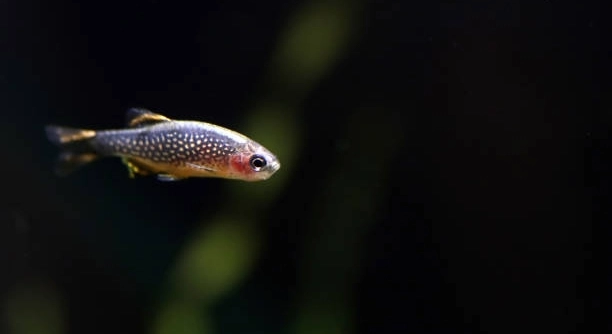
Danios are lively little fish that bring energy to any aquarium. Many aquarists enjoy watching them, but these fish often pay little attention to certain background items in their tank. Understanding their habits helps improve tank setups.
The seven background items that danios most frequently swim past include decorations with dull colors, heavily planted areas, solid-colored backgrounds, untextured ornaments, flat rocks, dense moss, and small substrate variations. Danios prefer open swimming space and visual contrast.
Knowing which items they ignore can help you create a more engaging environment. Small adjustments in tank decoration can make your aquarium feel livelier and more natural.
Dull-Colored Decorations
Many aquarists notice that their danios often ignore decorations that are muted or lack contrast. Items in shades of gray, beige, or faded tones rarely catch their attention. Danios are naturally drawn to movement and bright colors, so dull decorations tend to fade into the background. Even when placed near feeding areas or swimming paths, these items remain largely unnoticed. It’s helpful to keep decorations colorful or varied in texture to maintain visual interest. Small changes, like adding patterned stones or vibrant ceramic ornaments, can make a subtle but noticeable difference. In tanks with multiple decorations, danios tend to focus on spaces with contrast, avoiding items that blend with the tank walls or substrate. Observing their swimming patterns can give insight into what they prefer to interact with and what they simply ignore. Adjusting background colors can make your aquarium feel livelier.
Bright, bold, or patterned decorations draw more attention, while dull-colored items consistently go unnoticed by danios, even in active tanks.
Adding contrast to the tank setup makes it easier to keep track of danios. Vibrant accents help highlight swimming paths and feeding areas, creating a more dynamic environment.
Heavily Planted Areas
Danios often swim past dense or heavily planted areas without much interest. Thick clusters of tall plants can restrict their movement, causing them to avoid those zones. They prefer open water for quick swimming and play.
Overcrowded plants can make an aquarium feel smaller than it is, leaving fish less inclined to explore certain corners. While live plants are essential for water quality and natural aesthetics, arranging them thoughtfully matters. Using tall plants at the back or sides keeps open swimming areas in the center. Floating plants can provide cover without blocking large portions of the tank. Danios also enjoy exploring spaces where they can see freely and move quickly without obstruction. Light filtering through plant leaves may attract them, but too much density makes these spots less inviting. By balancing plant density with open areas, you create a tank that feels spacious and stimulating. Observing their patterns will show which planted zones they prefer and which remain largely ignored. Proper arrangement enhances both fish activity and visual appeal, making the aquarium more enjoyable to watch for long periods.
Solid-Colored Backgrounds
Solid-colored backgrounds, especially in neutral tones, often go unnoticed by danios. They swim past without pausing, showing little interest compared to backgrounds with patterns or subtle gradients. Visual contrast matters more than uniform color for keeping their attention.
Backgrounds with patterns or natural scenery can create depth and visual stimulation in the tank. Danios are more likely to explore areas where contrasts exist, such as plants against a patterned background or decorations with varying shapes. Solid colors fail to provide this kind of engagement. In tanks with plain walls, adding textured or colored panels encourages movement and exploration. Observing danios’ interactions with different backgrounds shows that visual complexity keeps them more active, while monotone settings often leave them swimming in straight paths, ignoring the backdrop. Adjusting the background can make the aquarium feel fuller and livelier, improving both fish behavior and the overall viewing experience.
Using a background with subtle gradients, natural scenes, or soft patterns can enhance the tank’s visual appeal. Danios respond better to these details than to flat, uniform colors.
Untextured Ornaments
Ornaments without texture are often overlooked by danios. Smooth, featureless surfaces don’t attract their attention, causing them to swim around without engaging. Textured surfaces encourage interaction and exploration.
Adding ornaments with ridges, grooves, or varied surfaces gives danios more visual and tactile cues. They may swim closer, explore, or even hover near these items. Smooth plastic or ceramic figures, while decorative, usually fail to stimulate interest unless paired with contrasting colors. Observing the fish, it’s easy to notice that they prefer areas with structural variety. Textured ornaments can also create microenvironments, allowing small fish to navigate around curves and surfaces. This added dimension not only provides stimulation but also reduces monotony in their swimming space. Small adjustments, such as adding natural stones or carved decorations, significantly impact fish engagement.
Even subtle texture changes in ornaments make a noticeable difference in how danios interact with the tank, promoting exploration and more dynamic swimming behavior.
Flat Rocks
Flat rocks are often ignored by danios. They offer little vertical space or visual interest, making them easy to swim past without notice. Their smooth surfaces do not encourage exploration or interaction, unlike rocks with texture or height.
Even when placed in the center of the tank, flat rocks rarely capture attention. Danios prefer areas where they can weave around or explore different levels. Without varied surfaces or angles, these rocks blend into the background, leaving open swimming spaces more attractive.
Dense Moss
Dense moss can be too thick for danios to navigate comfortably. They tend to swim around these areas rather than through them. While moss adds greenery and habitat, excessive density limits their activity.
Dense moss creates tight spaces that may discourage active swimming. Danios prefer open paths where they can move quickly and freely. Overcrowding an area with moss can reduce the fish’s ability to explore and interact with other elements of the tank. Maintaining balance between greenery and open water ensures that danios remain active and visually engaging. Strategic placement of moss enhances aesthetics without limiting movement or causing fish to avoid certain zones.
Small Substrate Variations
Minor changes in substrate height or type often go unnoticed by danios. They swim past these subtle shifts without adjusting their patterns or showing curiosity.
Small substrate variations rarely affect their swimming behavior. Danios are more responsive to larger structures, contrasts, or textured surfaces than tiny differences in gravel or sand.
FAQ
Why do danios ignore certain decorations in the tank?
Danios naturally prefer open swimming spaces and visual contrast. Decorations that are dull, solid-colored, or smooth do not provide stimulation. Fish tend to ignore these items because they do not offer interesting movement paths, texture, or color differences that attract attention. Simple, featureless ornaments are easy to overlook, even if placed near feeding areas.
Can adding colorful decorations improve danio activity?
Yes, colorful or patterned decorations help create visual interest. Danios respond to bright shades, contrasting colors, and textured surfaces. Adding these elements encourages exploration and engagement with the tank. Items with ridges, grooves, or varying shapes give them more to interact with, keeping swimming patterns dynamic and reducing repetitive movement in open areas.
Do dense plants affect danio behavior?
Heavily planted areas can restrict movement, so danios often avoid them. While plants improve water quality and create hiding spots, too much density makes zones less appealing for active swimming. Strategically placing taller plants at the back or sides keeps the center open, balancing shelter with freedom of movement. Floating plants can add cover without obstructing swimming areas.
Are solid-colored backgrounds ineffective for engaging danios?
Yes, plain backgrounds provide little stimulation. Danios respond better to subtle patterns, natural scenes, or gradients that create depth. A flat background doesn’t offer visual cues for movement, so fish may swim past without interacting. Patterned backgrounds make decorations and plants more noticeable, enhancing overall activity and observation enjoyment.
Does texture in ornaments really matter?
Texture is important for engagement. Smooth ornaments are ignored, while textured surfaces attract attention. Danios may explore ridges, grooves, or varied shapes, adding interest to their environment. Textured items can also create microenvironments for more natural swimming patterns, encouraging the fish to move in different directions rather than straight lines.
Will small substrate changes make a difference?
Minor substrate variations rarely affect danios. They respond more to larger contrasts, structures, and textures. Small differences in gravel or sand are often overlooked. To make substrate more interesting, layering colors, adding larger stones, or creating slopes gives them something visually stimulating to navigate around.
How can I balance plants and open space for danios?
Open swimming areas are essential for active fish like danios. Dense clusters can be intimidating, while completely bare tanks feel empty. Keeping taller plants at the edges and using floating or sparse plants in the center creates movement-friendly zones. This setup encourages natural exploration while maintaining aesthetics and hiding spots.
What’s the easiest way to make a tank more engaging?
Combine colorful, textured decorations with varied backgrounds and well-placed plants. Avoid overly flat or dull items. Creating layers and contrasts helps danios notice features and explore actively. Observation helps identify which areas are ignored and which stimulate interest, allowing small adjustments to improve the tank’s liveliness.
Do danios prefer smooth or uneven surfaces?
Uneven, textured surfaces are generally preferred. Smooth items are ignored because they provide little interaction. Fish explore grooves, ridges, and varying shapes, which mimic natural habitats. Subtle variation in height, shape, and texture keeps their swimming patterns varied and encourages curiosity.
Can adjusting decorations affect fish health?
Indirectly, yes. Active swimming reduces stress and promotes exercise, which supports overall health. Tanks that encourage exploration help prevent boredom and inactivity, common contributors to stress-related issues. Properly balanced decorations, plants, and open space create an environment where danios feel comfortable, reducing risk of illness.
How often should I rearrange tank decorations for danios?
Frequent changes aren’t necessary. Subtle rearrangements every few weeks can stimulate curiosity without stressing the fish. Focus on adding contrast or new textures rather than constantly moving every item. Gradual changes help danios adjust while keeping their environment engaging and dynamic.
Are danios more active in groups or alone?
Danios are schooling fish, so they are more active in groups. Alone, they may swim in straight lines and ignore decorations. A group encourages natural behavior like weaving through plants and exploring textured ornaments. Group dynamics also make interactions with decorations and backgrounds more noticeable.
Do danios interact with floating decorations?
Yes, floating decorations can provide visual interest and partial cover. They don’t obstruct swimming space and can create shaded areas that attract exploration. Light filtering through floating items also adds subtle contrasts, which may draw fish attention to otherwise ignored regions of the tank.
How can I test which decorations danios prefer?
Observe their swimming patterns and note which items they pass by versus interact with. Place a mix of textured, colorful, and patterned decorations in open areas. Watching them over several days helps determine which features stimulate interest and which remain largely ignored, guiding future tank adjustments.
Is it better to focus on color or texture for engagement?
Both matter, but texture slightly outweighs color for interaction. Danios notice smooth surfaces less, even if colored. Combining texture with bright or contrasting colors maximizes engagement, encouraging exploration, varied swimming, and active behavior throughout the tank.
Do all danios respond the same way to tank features?
Individual preferences vary slightly, but general trends hold: they avoid dull, smooth, or overly dense areas. Group behavior is more predictable, with fish collectively favoring textured, colorful, or open regions. Observing patterns helps identify subtle differences among individuals.
Can decorations reduce aggressive behavior in danios?
Properly arranged features can help. Open spaces for swimming reduce stress, while textured and colorful areas encourage exploration rather than chasing. Avoid overcrowding and provide multiple focal points to prevent territorial disputes. Balanced decoration promotes calmer, healthier fish interactions.
Do danios notice minor changes in their tank environment?
Yes, they are sensitive to contrast, texture, and movement. Even small additions like ridged stones, patterned backgrounds, or floating plants can alter swimming patterns. Observing reactions helps fine-tune the tank, ensuring decorations serve both visual appeal and behavioral enrichment.
How important is visual stimulation for danios?
Very important. Lack of stimulation can lead to repetitive swimming, stress, or disinterest in the tank. Adding textured, colorful, and patterned elements keeps them active, encourages natural behaviors, and makes observation more enjoyable. A visually engaging tank contributes to overall well-being and dynamic fish behavior.
Are there decorations danios always avoid?
They generally avoid flat, dull, or smooth items. Dense, obstructive plants or overly uniform backgrounds are also commonly ignored. While subtle variations may attract some attention, these features tend to fade into the background, making open swimming areas more appealing and frequently visited by the fish.
Final Thoughts
Danios are small, active fish that respond strongly to their environment. Observing their behavior shows they are drawn to movement, color, texture, and open swimming spaces. Decorations and backgrounds that are dull, flat, or overly uniform are often ignored, while items with contrast, patterns, or subtle textures catch their attention. Even minor adjustments, like adding a small textured ornament or a patterned background, can influence how much they explore and interact with the tank. Understanding these preferences allows you to create a space that feels natural and engaging for them. Over time, noticing which items danios swim past and which they linger near helps guide future tank setups. This attention to detail ensures the aquarium is not only visually appealing for the observer but also stimulating for the fish themselves.
Balancing open space with decorations is key to a healthy tank environment. Danios need areas where they can move freely, especially since they are active swimmers. Overcrowding a tank with dense plants, large ornaments, or flat rocks can make them avoid those zones. Placing taller plants along the back or sides and leaving open areas in the center allows them to move comfortably while still providing spots for exploration. Floating plants or lightly textured decorations add cover without limiting their activity. Even small changes in arrangement, such as adjusting the angle of an ornament or adding a few bright stones, can increase their interest. By paying attention to how they navigate the tank, you can create a space that encourages natural swimming behavior while maintaining a balanced, visually appealing layout.
Creating an engaging tank environment also supports overall health and well-being. Fish that explore, interact, and swim actively are generally less stressed than those in bare or monotonous tanks. Textured surfaces, colorful decorations, and varied backgrounds can stimulate curiosity and movement, reducing boredom and promoting exercise. Observing the group as a whole helps identify which areas are favored and which remain largely ignored. This information can guide future changes, whether adding patterned backgrounds, rearranging plants, or introducing textured ornaments. A thoughtfully arranged tank improves both the fish’s quality of life and the enjoyment of watching them. Paying attention to these small details ensures that your aquarium is not just decorative but also a dynamic and enriching habitat where danios can thrive.

Hello,
If you enjoy the content that we create, please consider saying a "Thank You!" by leaving a tip.
Every little bit helps us continue crafting quality advice that supports the health, happiness, and well-being of pets around the world, for pets of all shapes, sizes, and species.
We really appreciate the kindness and support that you show us!