
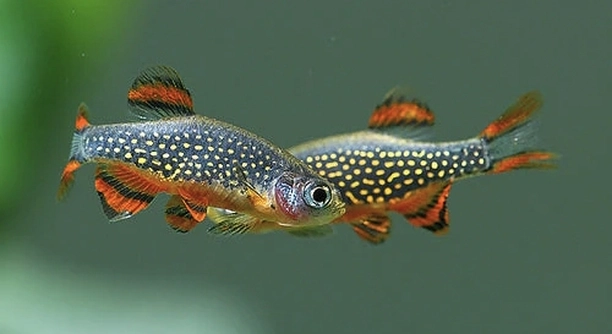
Danios are lively fish that many hobbyists enjoy keeping in home aquariums. Observing their behavior can be entertaining, but their reactions to water tests can sometimes be surprising and unexpected. These small fish reveal a lot about water quality.
Danios can respond to water tests in ways that indicate stress, curiosity, or changes in behavior. Reactions include rapid swimming, color shifts, hiding, or increased activity, providing insights into water parameters like pH, temperature, and chemical levels.
Learning about these responses can improve aquarium care and fish health. Recognizing subtle signals ensures a safer and more comfortable environment for your danios.
Rapid Swimming During Testing
When I first noticed my danios darting around the tank as I added a water test strip, I realized this behavior was more than random energy. Rapid swimming is often a response to sudden changes in water chemistry. Even small shifts in pH, ammonia, or nitrate levels can make these small fish feel uneasy. They may swim in circles or rush across the tank, showing clear signs of stress. This response is instinctive, helping them avoid potential hazards in the wild. It can also indicate that water parameters are outside their preferred range, which can affect their health over time. Observing how they swim during testing can give you immediate insight into the water’s condition. It’s important to act calmly and record readings accurately. By doing so, you can prevent long-term stress and maintain a stable environment that keeps your danios healthy and active.
Rapid swimming is a reliable indicator that danios sense changes in water quality. It reflects stress due to pH, temperature, or chemical shifts.
Noticing these movements helps you monitor your tank closely. Recording patterns over time makes it easier to correct imbalances before they become serious issues.
Color Changes When Water Is Tested
Color shifts are subtle but noticeable once you pay attention. A danio’s usual shades may darken or fade temporarily during water testing.
When I observed my danios, I noticed that some turned paler while others developed a darker stripe along their sides. This reaction is often linked to stress or discomfort caused by sudden chemical changes in the tank. Stress hormones can trigger color changes, signaling that the fish are reacting to environmental factors. Temperature swings, ammonia spikes, or improper pH can all contribute. Monitoring these color variations alongside your test readings gives a clearer picture of the tank’s condition. It also helps in identifying specific problems, allowing timely adjustments to water treatments or filtration. Keeping a consistent routine during testing minimizes unnecessary stress, and using gentle handling techniques reduces sudden changes that can exaggerate these reactions. Understanding these signals ensures a safer, healthier habitat for your danios, promoting longer lifespans and more vibrant coloration naturally.
Hiding in Corners
Danios often retreat to tank corners during water tests. This behavior signals discomfort or mild stress caused by sudden environmental changes.
When I tested the water, my danios quickly swam to the back corners, staying low near decorations. Hiding is a natural response to perceived threats or instability in their surroundings. Even slight fluctuations in temperature, pH, or chemical balance can trigger this behavior. It helps the fish feel safer until the water stabilizes. Observing where they hide provides insight into which areas of the tank might be affected more by currents, lighting, or uneven water flow. Adjusting testing methods and monitoring slowly reduces unnecessary stress while maintaining accurate results for water quality.
Some danios may remain hidden longer than others. This difference can indicate varying sensitivity levels among individual fish.
Hiding also serves as a protective mechanism in groups. When several danios hide together, it shows collective awareness of environmental stress. This synchronized behavior can help you gauge the severity of water changes. Recognizing patterns in hiding spots over time allows you to fine-tune testing procedures, such as adding strips gently or minimizing sudden movements. Providing plants and decorations near areas where they hide can reduce stress and make monitoring easier. Additionally, consistent observation helps prevent long-term health issues caused by repeated exposure to stress during testing.
Increased Surface Activity
Danios often swim near the water surface during testing, indicating awareness of environmental changes.
I noticed my danios spending more time near the top when introducing new test strips. This behavior often relates to oxygen levels or a mild reaction to water changes. Swimming closer to the surface can help fish access higher oxygen concentrations or escape perceived disturbances at lower depths. It may also signal discomfort from chemical fluctuations detected during testing. Paying attention to how frequently and how long they stay near the surface can reveal subtle shifts in water quality. Recording these observations alongside test readings gives a clearer picture of tank conditions and potential stressors affecting the fish.
Repeated surface activity may indicate underlying issues. Monitoring water parameters carefully ensures these behaviors don’t signal serious problems.
Tracking surface behavior over time can prevent long-term stress. If danios consistently spend excessive time near the surface, it may reflect ongoing oxygen imbalances, temperature fluctuations, or chemical instability. Adjusting aeration, filtration, and temperature control can reduce this stress. Observation also helps differentiate between temporary reactions to testing and persistent environmental issues. Providing proper tank conditions, such as moderate flow and adequate oxygenation, minimizes excessive surface activity. Consistent monitoring and gentle handling during water tests make a noticeable difference in keeping danios healthy, calm, and active in their natural swimming patterns.
Temporary Loss of Appetite
Danios may stop eating during water tests, showing mild stress or unease. This reaction is usually short-lived.
I noticed my fish ignore food immediately after testing. Stress from sudden changes in water chemistry can suppress appetite. Even small fluctuations in pH, ammonia, or temperature can make them hesitant to eat.
Erratic Swimming Patterns
Erratic swimming is common when danios detect changes in their environment. Sudden bursts, zigzags, or pauses can indicate discomfort or stress. Observing these patterns helps identify water imbalances or testing disturbances. Maintaining consistent testing routines reduces stress and supports healthy behavior in the tank.
Tail Flicking
Tail flicking often occurs when danios sense changes in water parameters. This brief movement can signal irritation or alertness to the environment. Monitoring these small behaviors provides insight into their comfort level during testing and can guide timely adjustments to water conditions.
FAQ
Why do my danios swim so fast during water tests?
Rapid swimming is a common response to sudden changes in water chemistry. When I add a test strip, my fish often dart across the tank. This behavior signals stress from pH shifts, ammonia levels, or other chemical changes. Monitoring their movements helps track tank stability and ensures they stay healthy.
Is it normal for danios to hide after testing water?
Yes, hiding is a natural stress response. My danios often retreat to corners or behind decorations after water tests. It’s their way of feeling safe while adjusting to new conditions. Frequent hiding can indicate sensitivity to environmental changes or temporary discomfort.
Why do some danios change color during testing?
Color shifts happen when stress hormones react to water parameter changes. I noticed some of my fish turn paler or develop darker stripes during tests. These subtle signals indicate temporary discomfort, chemical fluctuations, or sensitivity to light and movement near the tank.
Do danios lose their appetite during testing?
Loss of appetite is common and usually temporary. When I test the water, my fish sometimes ignore food for a few hours. Stress from sudden changes in pH, temperature, or chemical levels can suppress their desire to eat. Maintaining a consistent routine helps them resume normal feeding.
Why do my danios swim near the surface during water tests?
Surface activity often reflects oxygen levels or mild stress. My fish tend to stay near the top when introducing test strips. Swimming closer to the surface allows better access to oxygen and may help them avoid disturbances lower in the tank.
What causes erratic swimming during water tests?
Erratic movements, like sudden bursts or zigzags, show discomfort from environmental changes. My danios exhibit this behavior when detecting shifts in pH, ammonia, or nitrate levels. Observing these patterns helps identify imbalances and allows timely corrections.
Are tail flicks a reaction to water testing?
Yes, tail flicking often signals irritation or alertness. I notice short, repeated flicks whenever I test the water. This behavior can indicate stress from chemical changes or sensitivity to movement near the tank. Regular monitoring helps prevent long-term issues.
How long do these reactions usually last?
Most reactions are short-lived, typically lasting minutes to a few hours. In my experience, danios adjust quickly once water conditions stabilize. Observing their behavior over time ensures that temporary stress does not become chronic.
Can repeated testing harm my danios?
Frequent or abrupt testing can increase stress. I make sure to handle strips gently and avoid splashing. Consistent, careful testing minimizes disruption while still providing accurate readings for maintaining water quality.
What’s the best way to reduce stress during water tests?
Minimize sudden movements, test slowly, and keep lighting consistent. In my tank, using quiet, gentle handling and observing reactions helps my danios stay calm. Providing hiding spots and stable water conditions further reduces stress during testing.
Should I change water immediately if my danios react strongly?
Not always. Strong reactions often indicate temporary sensitivity rather than dangerous conditions. I confirm readings first and make gradual adjustments if necessary. Sudden large changes can stress the fish more than the initial testing itself.
Can these behaviors indicate long-term water issues?
Repeated patterns, like persistent hiding or constant surface swimming, may suggest ongoing water imbalances. Tracking behaviors alongside test results helps me pinpoint problems early, such as high nitrates or inconsistent temperatures, and maintain a healthier environment for the fish.
How can I tell which reaction is serious?
Persistent or extreme changes—like continuous hiding, loss of appetite for days, or frantic swimming—signal serious stress. In my experience, noting the frequency, duration, and combination of reactions allows me to decide whether water adjustments or further testing are needed.
Do danios react differently to different test methods?
Yes, some fish respond more to chemical strips than digital meters or liquid kits. My danios sometimes dart more when I use strips, likely due to movement or minor splashing. Observing individual reactions helps me choose the least stressful method for regular monitoring.
Can reactions vary between individual danios?
Definitely. Some fish are more sensitive than others. I often notice that shy individuals hide more, while bolder ones swim near the surface. Understanding these differences helps me interpret overall tank health accurately and care for each fish appropriately.
Do reactions depend on tank size or setup?
Smaller tanks can amplify stress during testing because changes are more noticeable to the fish. I found that providing plants, decorations, and gentle water flow helps reduce stress and creates a more stable environment, even in compact tanks.
How often should I monitor danio behavior during testing?
Frequent observation is helpful. I check behavior immediately and for a short period afterward to ensure the fish return to normal. Consistent monitoring allows me to detect subtle changes in tank conditions that might otherwise go unnoticed.
Can these reactions help me improve tank conditions?
Absolutely. Watching reactions gives real-time insight into water quality. I use behavior as a complement to test results, adjusting temperature, filtration, or chemical levels as needed. Recognizing these signals ensures healthier, more comfortable conditions for my danios.
Are danios more sensitive at certain times?
Yes, reactions can be stronger when fish are newly introduced, during growth stages, or after feeding. I noticed my younger fish are often more reactive during tests. Understanding these patterns helps me anticipate stress and respond appropriately.
Does water temperature influence reactions?
Temperature fluctuations can amplify reactions. My danios swim faster, hide, or flick tails more when water is cooler or warmer than ideal. Maintaining stable temperatures during testing reduces stress and keeps behavior predictable.
How do I balance testing accuracy with fish comfort?
I test slowly, avoid splashing, and watch reactions closely. By combining careful observation with proper techniques, I get accurate readings while minimizing stress, keeping both the fish and water conditions in good balance.
Observing danios during water tests can teach a lot about their behavior and tank health. These small fish show clear reactions when water parameters shift, even slightly. Rapid swimming, hiding, color changes, surface activity, and tail flicking are common responses that indicate stress or discomfort. Watching how each fish reacts helps identify which areas of the tank may need attention. Even small details, like the duration they hide or how long they stay near the surface, can give important clues. Tracking behavior alongside chemical readings makes it easier to maintain stable water conditions and prevent long-term health issues.
Danios are sensitive to sudden changes in pH, temperature, ammonia, and nitrate levels, so testing should be done carefully. Gentle handling, slow introduction of test strips, and minimal movement around the tank reduce unnecessary stress. Providing hiding spots, consistent lighting, and stable water flow further supports their comfort. Observing reactions over time allows for adjustments that improve overall water quality and fish health. It’s also useful to note individual differences, as some fish may react more strongly than others. By combining careful testing with attentive observation, it is possible to create a stable environment where all danios thrive.
Understanding these reactions can improve long-term aquarium care. Behavior is a natural indicator of environmental stability and can reveal problems before they become serious. Paying attention to small signals helps maintain water quality, reduce stress, and ensure the fish remain active and healthy. Testing water regularly while observing danios allows for timely interventions, such as adjusting filtration, aeration, or temperature control. Over time, recognizing patterns and responses builds confidence in managing the tank. Creating a calm, consistent environment not only supports the fish’s physical health but also makes observing and caring for them more enjoyable. With patience and attention, maintaining a healthy habitat for danios becomes simpler and more effective.

Hello,
If you enjoy the content that we create, please consider saying a "Thank You!" by leaving a tip.
Every little bit helps us continue crafting quality advice that supports the health, happiness, and well-being of pets around the world, for pets of all shapes, sizes, and species.
We really appreciate the kindness and support that you show us!