
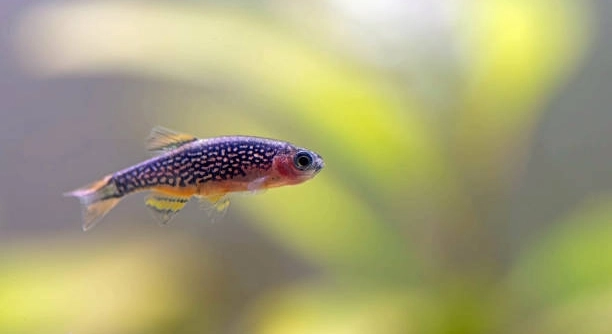
Danios are small, active fish that brighten up any aquarium. Their comfort depends on more than water quality. Subtle elements in their environment can significantly influence their well-being and daily behavior. Creating the right setup matters.
Temperature, water flow, tank size, lighting, hiding spaces, diet, and tank mates are key factors that directly affect danio comfort. Each detail plays a critical role in maintaining optimal health, minimizing stress, and supporting natural behaviors essential for their overall welfare.
Paying attention to these small details can transform your aquarium into a safe, lively, and enjoyable home for your danios.
Tank Temperature
Maintaining a stable temperature is essential for danios, as they are sensitive to sudden changes. Ideally, water should be kept between 72°F and 78°F. Fluctuations can stress them, making them prone to disease and reducing activity. Using a reliable heater and thermometer helps ensure consistency. Even small drops or spikes can impact feeding patterns and energy levels. In community tanks, different species may have varying temperature needs, so consider compatibility carefully. Monitoring the water daily allows you to notice changes early and adjust the heater if necessary. Beyond health, temperature influences behavior; danios are more active in stable, comfortable water, swimming freely and exploring their environment.
Stable temperatures encourage active swimming, better appetite, and less stress among danios, keeping them healthy and vibrant over time.
Proper temperature management goes beyond simply setting a heater. It involves observing the fish and understanding their reactions to changes. Seasonal shifts may require slight adjustments, and placement of the aquarium away from direct sunlight or drafts helps prevent sudden fluctuations. Combining a reliable heater with a thermometer ensures precise control. Using insulated coverings or tank sleeves can reduce heat loss during colder months. Consistent monitoring helps catch issues before they escalate. When the temperature is right, danios show natural behaviors such as schooling, chasing bubbles, and exploring plants, which are indicators of comfort. Overheating or cooling can trigger stress responses like hiding, lethargy, or decreased feeding. Careful temperature management contributes to long-term health, reducing the likelihood of infections or behavioral problems, and helps maintain an inviting, stable environment. Keeping a stable temperature is a simple yet impactful step in promoting their overall well-being.
Water Flow
Danios thrive in moderate water flow, reflecting their natural river habitats. Too strong a current can tire them, while stagnant water may reduce oxygen levels. Proper circulation also prevents debris accumulation and promotes even distribution of nutrients.
Adjusting filter output or adding a gentle powerhead can help achieve ideal water movement.
Observing their swimming patterns provides clues about flow comfort. If danios struggle to swim or stick to corners, flow may be too strong. Conversely, if they linger near filter outputs or appear lethargic, circulation might be insufficient. Moderate flow encourages natural schooling, stimulates activity, and improves overall health. Plants and decorations influence current patterns, creating calm zones and areas of mild turbulence. Striking a balance supports oxygenation, waste management, and a comfortable environment. Gradual changes in flow allow danios to adapt without stress, ensuring they remain energetic and content in their habitat. Proper water flow is integral to replicating their natural conditions while promoting longevity and vitality.
Tank Size
A larger tank allows danios to swim freely and reduces stress. Crowded conditions can lead to aggression, poor health, and stunted growth. Proper spacing ensures a balanced environment and supports natural behavior, making them more active and comfortable.
Choosing the right tank size depends on the number of danios you keep. A minimum of 20 gallons is recommended for a small school of five or six fish. Larger tanks provide room for swimming, hiding, and exploring. Adding plants and decorations enhances comfort, giving them places to rest and avoid competition. Adequate space helps maintain water quality, as overcrowding increases waste buildup and the risk of ammonia spikes. Proper tank sizing is a fundamental aspect of creating a healthy habitat that encourages natural behavior and long-term well-being.
Even with a moderate number of danios, tank layout impacts comfort. Open swimming areas combined with hiding spots provide balance. Avoid overcrowding decorations in one corner, as it restricts movement. Spacing plants and rocks strategically allows fish to establish territories while still feeling part of the school. Regularly monitoring water parameters ensures the tank supports their activity and overall health. A well-sized tank reduces stress, promotes schooling behavior, and encourages consistent feeding habits. Paying attention to tank dimensions and layout directly contributes to their happiness and longevity.
Lighting
Danios need a consistent light cycle to maintain their natural rhythm. Around 10 to 12 hours of light daily simulates their environment and supports healthy behavior. Too much light can cause stress and algae growth, while too little can disrupt activity levels.
Proper lighting affects feeding and energy. Bright lighting encourages exploration, but shaded areas are also important for rest. Using a timer maintains consistency, ensuring a stable day-night cycle that mirrors natural conditions. Balanced lighting helps plants thrive, which in turn provides shelter and improves water quality. Observation during different lighting periods reveals their comfort level, guiding adjustments. Proper illumination supports healthy metabolism, reduces stress, and keeps danios active.
Light intensity and duration influence danio behavior. Overly bright lighting may make them hide or act skittish, while dim light can reduce activity. Incorporating floating plants or shaded zones offers them control over exposure, promoting comfort. LED lights are efficient, provide even coverage, and can be adjusted easily. Observing their response during feeding or swimming can indicate whether the lighting is suitable. Maintaining a natural day-night rhythm is essential for their biological processes, including feeding, schooling, and rest. Consistent lighting also supports the aquarium ecosystem, encouraging plant growth and stabilizing water parameters. Proper lighting creates a balanced environment that enhances both physical health and behavioral well-being.
Hiding Spaces
Danios feel safer with areas to hide, reducing stress and promoting natural behavior. Plants, rocks, and small decorations provide shelter, allowing them to rest or escape more dominant tank mates when needed.
Even simple setups with floating plants or small caves can make a noticeable difference. Hiding spaces offer security while maintaining open swimming areas.
Diet
A balanced diet is essential for danio health. High-quality flakes, pellets, and occasional live or frozen foods provide nutrients for growth, energy, and vibrant colors. Variety prevents nutritional deficiencies and keeps them interested during feeding times.
Feeding should be measured to avoid overfeeding, which can pollute the tank. A small amount twice a day is sufficient. Observe how much they consume in a few minutes and adjust portions accordingly. Providing a mix of protein-rich foods and plant-based options supports digestive health. Regularly rotating food types encourages natural foraging behavior. Consistent feeding schedules reduce stress and ensure all fish receive adequate nutrition. Proper diet contributes directly to comfort, energy levels, and overall well-being.
Tank Mates
Compatibility with other fish is crucial. Aggressive or overly active species can stress danios, while peaceful companions create a harmonious environment. Selecting tank mates carefully ensures a balanced and comfortable community.
FAQ
How often should I change the water in my danio tank?
Water changes are essential for maintaining healthy conditions. Replacing 20–25% of the water weekly helps remove toxins, excess nutrients, and waste. Using dechlorinated water at the same temperature as the tank prevents stress. Frequent partial changes are better than infrequent full changes.
What is the ideal school size for danios?
Danios are social fish and thrive in groups. A minimum of five to six individuals is recommended. Smaller groups may become shy or stressed. Larger schools encourage natural schooling behavior, making them more active and confident while reducing aggression and anxiety within the tank.
Can danios live with other fish species?
Yes, but tank mates must be chosen carefully. Peaceful, similar-sized fish are ideal. Avoid aggressive or overly large species that may intimidate or attack them. Suitable companions include small tetras, rasboras, and other non-aggressive community fish. Observing interactions initially ensures compatibility and comfort.
What is the best diet for danios?
A varied diet keeps danios healthy. High-quality flakes or pellets can be supplemented with live or frozen foods like brine shrimp, daphnia, or bloodworms. Rotating food types provides balanced nutrition and prevents deficiencies. Feeding small amounts twice a day avoids overfeeding and keeps the tank clean.
How do I know if my danios are stressed?
Signs of stress include hiding, lethargy, loss of appetite, and erratic swimming. Stress can result from poor water quality, incorrect temperature, or aggressive tank mates. Observing behavior daily allows early detection. Adjusting environment, diet, or social grouping can help them regain comfort.
Do danios need a heater?
Danios are tropical fish and prefer water between 72–78°F. A reliable heater helps maintain consistent temperature, especially in cooler climates or homes with fluctuating temperatures. Avoid sudden temperature changes, as they can cause stress and weaken immune systems. Monitoring with a thermometer ensures accuracy.
What decorations or plants are best for danios?
Danios benefit from a mix of open swimming space and hiding spots. Live or artificial plants, small caves, and rocks create security and reduce stress. Floating plants offer shaded areas. Decorations should be arranged to allow easy swimming and maintain water flow while giving them control over their environment.
How long do danios usually live?
With proper care, danios can live up to five years or more. Lifespan depends on water quality, diet, tank conditions, and stress levels. Regular maintenance, a balanced diet, and a comfortable environment contribute directly to longevity and overall health.
Can danios breed in a community tank?
Breeding is possible, but it is easier in a separate tank. Danios scatter eggs, which can be eaten by other fish. Providing a breeding-specific environment with fine-leaved plants or spawning mops increases success. Maintaining stable temperature and clean water encourages spawning behavior and healthy fry development.
Is it normal for danios to jump?
Yes, danios are active swimmers and may jump occasionally. A tightly fitted lid or cover prevents escapes. Jumping can indicate excitement, curiosity, or environmental stress, so ensuring a secure and comfortable tank reduces the risk while allowing normal behavior.
How can I keep my danios active and healthy?
Maintaining stable water temperature, providing a proper diet, ensuring adequate tank size, and offering hiding spaces all support activity and well-being. Observing their behavior and adjusting tank conditions as needed encourages natural swimming patterns, social interactions, and long-term health.
Are danios sensitive to water quality?
Yes, they are highly sensitive to ammonia, nitrite, and nitrate levels. Frequent partial water changes, proper filtration, and monitoring parameters help maintain a stable and clean environment. Poor water quality leads to stress, disease, and decreased lifespan, so consistent care is essential.
What lighting conditions are best for danios?
A regular day-night cycle of 10–12 hours of light is optimal. Moderate brightness encourages activity, while shaded areas allow rest. Timers help maintain consistency. Proper lighting supports plant growth and the natural rhythm of the fish, promoting health and comfort in the tank.
Can danios tolerate different water hardness levels?
Danios are adaptable to a range of water hardness, ideally soft to moderately hard. Extreme fluctuations or very hard water can stress them. Regular testing ensures parameters remain within a comfortable range, supporting feeding, growth, and immune system function.
How do I prevent aggression in a danio tank?
Aggression is often reduced by keeping adequate numbers, providing hiding spaces, and avoiding aggressive tank mates. Even small adjustments in tank layout or school size can make a noticeable difference. Observation and timely intervention help maintain harmony and comfort.
Danios are lively, resilient fish, but their comfort relies on several small yet important details. Water quality, tank temperature, and appropriate lighting create the foundation for a healthy environment. Stable conditions help minimize stress and allow them to show natural behaviors, such as schooling, exploring, and playful swimming. Even minor fluctuations in temperature or poor water maintenance can have a significant impact on their well-being. By keeping these basic factors consistent, you are giving your danios the best chance to thrive and remain active. A well-maintained tank also reduces the risk of disease and keeps the aquarium environment safe for all inhabitants, including tank mates and live plants.
Beyond water conditions, physical setup and enrichment play a critical role in danio comfort. Adequate tank size ensures that they have room to swim freely without feeling crowded or stressed. Adding hiding spaces, plants, and decorations provides them with security, allowing them to retreat when needed while still maintaining a sense of exploration. Moderate water flow and suitable tank mates further enhance the living environment, promoting harmony and reducing conflict. Attention to these factors creates a balanced aquarium that meets their social, physical, and environmental needs. Small adjustments in layout, decoration placement, and water circulation can lead to noticeable improvements in activity levels, behavior, and overall health.
Diet and routine care are equally important in supporting a healthy, comfortable life for danios. Feeding a balanced diet with a combination of high-quality flakes, pellets, and occasional live or frozen foods supplies essential nutrients and keeps them interested in their meals. Overfeeding can lead to water issues, while underfeeding can affect growth and energy levels. Consistent maintenance, including regular partial water changes and monitoring water parameters, ensures that their habitat remains clean and stable. Observing their behavior daily allows early identification of any problems, whether it’s stress, illness, or environmental discomfort. Paying attention to these small but vital details makes a significant difference in their long-term health, activity, and happiness. By creating a carefully considered environment, you provide a space where danios can thrive naturally and remain energetic, healthy, and comfortable for years.

Hello,
If you enjoy the content that we create, please consider saying a "Thank You!" by leaving a tip.
Every little bit helps us continue crafting quality advice that supports the health, happiness, and well-being of pets around the world, for pets of all shapes, sizes, and species.
We really appreciate the kindness and support that you show us!