
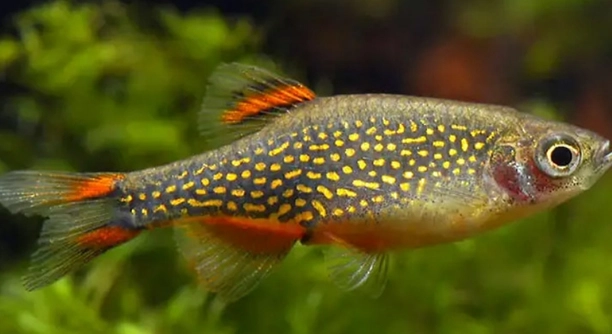
Danio fry are tiny, delicate fish that need proper nutrition to grow strong and healthy. Feeding them the right foods early helps them develop properly and stay active in their small aquatic environment.
The best foods for danio fry include infusoria, liquid fry food, finely crushed flakes, baby brine shrimp, microworms, daphnia, and freshly hatched live foods. Providing these options ensures optimal growth, survival rates, and proper development in their first weeks of life.
Introducing these foods gradually and consistently can make a significant difference in their early growth and long-term health. Following proper feeding routines helps maintain a thriving aquarium environment.
Infusoria for Tiny Fry
Infusoria is one of the first foods danio fry can eat because it is microscopic and easy for them to consume. These tiny organisms are rich in nutrients that support early growth. For the first few days after hatching, fry need food that is small enough to fit their tiny mouths. Infusoria can be cultured at home using simple materials like lettuce or yeast. Regular feeding with infusoria ensures the fry receive energy and nutrients without overfeeding. Overfeeding can pollute the water and harm the fry, so portion control is important. Observing the fry’s feeding behavior helps determine how much they can eat. As they grow, their ability to eat larger foods improves. Using infusoria also keeps fry active, helping them develop swimming strength and coordination. Many hobbyists notice healthier fry when infusoria is included consistently in the early feeding stages, making it a reliable first food option.
Infusoria is essential for the first week of feeding, giving fry the energy to survive and grow efficiently.
Regular infusoria feeding establishes a strong start for the fry. Combining it with future foods gradually introduces them to a varied diet. This helps their digestive systems adapt while promoting steady growth. Careful monitoring of water quality during this stage ensures that the environment remains safe and clean, which is crucial for survival. Infusoria also encourages natural hunting behavior, keeping the fry active. Transitioning to other foods should be done slowly to prevent digestive issues. By maintaining a feeding schedule and observing the fry closely, you can ensure they develop into healthy, active adult danios ready for standard aquarium diets.
Baby Brine Shrimp
Baby brine shrimp are highly nutritious and perfect for slightly larger fry.
They provide essential proteins and fats that support rapid growth and increase survival rates. Fry are drawn to their movement, which encourages active feeding. Culturing brine shrimp at home is straightforward and ensures a steady supply. Offering small portions several times a day prevents water pollution. They are easy to digest and improve the fry’s overall health.
Feeding baby brine shrimp helps fry grow quickly, strengthening their immune systems and building energy for swimming. Consistent feeding schedules enhance development and prevent nutrient deficiencies. Preparing fresh brine shrimp keeps them lively and attractive to the fry. They complement other foods such as crushed flakes or microworms, creating a balanced diet. Many aquarists notice that fry that start on brine shrimp transition more smoothly to adult foods. This food encourages active hunting behavior and helps fry practice coordination. Proper handling and cleaning of leftover shrimp prevent water contamination. Baby brine shrimp remain a staple food until the fry are ready to consume larger, more varied options, making them indispensable for early growth stages.
Crushed Flakes
Crushed flakes are an easy way to introduce solid food to growing danio fry. They are small enough for fry to eat and provide essential vitamins and minerals. Gradually adding flakes helps transition fry from live food to prepared diets, supporting steady growth and development.
Flakes should be finely crushed to prevent choking and to make them easier for fry to consume. Start with a small amount several times a day, observing how quickly they eat. Uneaten food should be removed promptly to avoid water quality issues, as leftover flakes can decay and produce harmful ammonia. Choosing high-quality flakes with balanced nutrition ensures the fry get proteins, fats, and essential vitamins. Mixing crushed flakes with other foods like infusoria or brine shrimp can help maintain variety and interest in feeding. Regular monitoring of fry behavior helps adjust feeding amounts effectively, promoting healthy development without overfeeding.
Using crushed flakes supports digestive health and helps fry adapt to a broader range of foods. Gradual integration prevents stress, encourages appetite, and allows them to learn natural feeding habits. Combined with live foods, flakes provide balanced nutrition, ensuring proper growth. Proper timing and careful portioning of flakes help maintain water cleanliness while meeting the fry’s nutritional needs, creating a foundation for strong, healthy adult fish.
Microworms
Microworms are small, live worms that are ideal for early fry feeding. They are easy to culture at home and highly nutritious, providing essential proteins. Fry are naturally attracted to their movement, which stimulates feeding activity and encourages healthy development.
Regular feeding with microworms improves survival rates and promotes faster growth. They are soft-bodied, making them easy for fry to swallow and digest. Microworms can be offered multiple times a day in small amounts, ensuring consistent nutrition without overfeeding. They complement other foods like crushed flakes and baby brine shrimp, giving fry a balanced diet. Culturing microworms is simple and cost-effective, allowing a continuous supply that supports long-term growth. Monitoring water quality is important, as uneaten worms can decompose and affect the environment.
Including microworms in a feeding routine strengthens fry, increases energy levels, and supports early organ development. Combined with other live and prepared foods, they provide a diverse diet that promotes healthy behavior and active swimming. Careful portioning prevents overfeeding while ensuring all fry have access to nutrition. They are especially useful during the first two weeks when fry mouths are tiny, and digestion is still developing. Using microworms regularly establishes a strong feeding pattern that helps fry transition smoothly to more varied foods as they grow.
Daphnia
Daphnia are small, live crustaceans that provide excellent nutrition for growing danio fry. They are rich in protein and help strengthen fry muscles and immune systems. Fry are naturally drawn to their movement, which encourages active feeding and better overall growth.
Regular feeding with daphnia supports healthy development and improves survival rates. They are easy to digest and help fry transition to larger foods. Offering small amounts prevents water quality issues and ensures all fry get enough nutrition.
Liquid Fry Food
Liquid fry food is specially formulated for tiny fry and provides balanced nutrients in a suspended form. It is easy for fry to consume and digest, ensuring they get essential vitamins, proteins, and fats without struggling to eat solid food.
Freshly Hatched Live Foods
Freshly hatched live foods, such as newly hatched brine shrimp, offer maximum nutrition and movement that attracts fry. They encourage natural hunting instincts while supplying high-quality protein for early growth and energy needs.
FAQ
What is the best first food for danio fry?
The best first food for newly hatched danio fry is infusoria. These tiny microorganisms are small enough for the fry to eat and provide essential nutrients to support early growth. Feeding infusoria several times a day ensures fry get enough energy and protein for proper development.
Can I feed only live foods to fry?
Yes, live foods like microworms, baby brine shrimp, and daphnia can meet the nutritional needs of fry, but relying solely on one type may limit nutrient variety. Combining several live foods ensures balanced growth and helps fry develop strong immune systems.
How often should danio fry be fed?
Danio fry need frequent feedings because they grow quickly and have tiny stomachs. Feeding small amounts 3–5 times a day prevents overfeeding and maintains water quality. Observing how much the fry consume within a few minutes helps adjust portion sizes accurately.
Are crushed flakes safe for fry?
Crushed flakes are safe once fry are slightly larger and can handle solid foods. Finely crushing the flakes prevents choking and ensures they are easy to digest. Mixing flakes with live foods helps fry adjust gradually to prepared diets.
When can fry switch to adult foods?
Fry can start eating adult flakes or pellets when they are large enough to handle solid foods comfortably. This usually occurs around 4–5 weeks, depending on growth. Transition slowly to prevent digestive problems and continue offering occasional live foods for balanced nutrition.
Is it necessary to culture live foods at home?
Culturing live foods at home, like microworms and brine shrimp, is helpful for consistent supply and freshness. It ensures the fry always have nutritious food available, reduces reliance on store-bought options, and allows control over water quality during feeding.
How can I prevent overfeeding?
To prevent overfeeding, provide only the amount fry can consume in a few minutes. Remove any uneaten food promptly to avoid water contamination. Using a feeding schedule and observing fry behavior helps maintain proper nutrition without harming water conditions.
Do fry need variety in their diet?
Yes, variety in diet supports balanced growth and prevents nutrient deficiencies. Combining infusoria, microworms, brine shrimp, crushed flakes, and liquid fry food ensures fry receive proteins, fats, vitamins, and minerals essential for healthy development.
Can fry survive on store-bought fry food alone?
Store-bought liquid or powdered fry food can support survival, but including live foods improves growth, activity, and natural feeding behavior. A mix of prepared and live foods produces the healthiest fry and makes transitioning to adult diets smoother.
How do I know if fry are eating enough?
Fry are eating enough if they actively chase food, swim energetically, and grow steadily. Monitoring water quality and observing leftover food helps determine if feeding amounts are appropriate. Adjust portions according to fry size and age for optimal nutrition.
Is water quality affected by feeding?
Yes, overfeeding can quickly deteriorate water quality. Uneaten food decomposes, producing ammonia that is harmful to fry. Feeding small amounts, cleaning uneaten food, and maintaining regular water changes help keep the environment safe and healthy.
Can I mix live foods together?
Mixing live foods is beneficial, offering different nutrients and encouraging natural hunting behaviors. Combining microworms, brine shrimp, and daphnia gives fry a balanced diet while keeping feeding time engaging and stimulating.
What is the easiest live food to culture at home?
Microworms are among the easiest live foods to culture. They require minimal space, simple food sources like oatmeal or yeast, and grow quickly. Baby brine shrimp are slightly more work but are highly nutritious. Regular maintenance ensures a steady supply.
Do fry prefer moving food?
Yes, fry are naturally attracted to movement. Live foods that swim actively stimulate feeding instincts and encourage healthy exercise. This keeps fry active, strengthens muscles, and improves coordination, contributing to overall growth and development.
How long can I store live foods?
Live foods like brine shrimp or daphnia should be fed as fresh as possible. Storing them for too long reduces nutritional value and movement, which may make them less appealing to fry. Culturing small amounts regularly ensures freshness.
Should I remove uneaten live food immediately?
Yes, removing uneaten live food prevents water contamination. While some live food may survive and continue moving, excess can decay and produce harmful ammonia. Observing how quickly fry consume food helps avoid this issue.
Is it safe to combine liquid fry food with live foods?
Combining liquid fry food with live foods is safe and often recommended. Liquid food provides essential vitamins, while live foods encourage active feeding. Alternating or mixing small amounts ensures fry receive balanced nutrition without overwhelming their digestive systems.
Can overfeeding lead to stunted growth?
Yes, overfeeding can harm fry growth. Excess food decomposes, reducing water quality and stressing fry. Poor water conditions, combined with uneaten food, can stunt growth, weaken immunity, and increase mortality. Feeding the right portions at the right intervals supports healthy development.
How important is observation during feeding?
Observation is crucial. Watching fry helps ensure they are eating enough, not overfed, and remain active. It allows quick adjustment of portion sizes and ensures all fry get access to food. Careful observation also helps detect early health or growth issues.
What signs indicate fry are not eating properly?
Signs include lethargy, slow growth, floating at the surface, or avoiding food. Uneaten food accumulating repeatedly may also indicate problems. Adjusting food type, portion size, or water conditions can help correct feeding issues and improve fry health.
How long should I continue specialized fry foods?
Specialized fry foods should be used until fry are large enough to consume adult flakes or pellets comfortably. This usually takes 4–5 weeks. Gradual transition ensures they continue to receive essential nutrients while adjusting to larger, prepared foods.
Can frozen live foods replace freshly hatched foods?
Frozen foods can supplement fry diets but are less effective than freshly hatched live foods in stimulating feeding behavior. Freshly hatched foods provide superior nutrition, movement, and appeal, which encourages natural hunting and better growth.
Is it necessary to rotate different live foods?
Rotating live foods ensures balanced nutrition and prevents deficiencies. Different live foods provide varying protein, fat, and vitamin levels. Regular rotation also keeps fry interested in feeding and encourages active behavior, contributing to overall healthy development.
How do I maintain a consistent feeding schedule?
A consistent schedule involves feeding fry at the same times each day with small, measured portions. Monitoring consumption and adjusting amounts as they grow ensures steady nutrition. Keeping a schedule reduces stress, maintains water quality, and supports predictable growth patterns.
Do fry need vitamins in addition to food?
High-quality live and prepared fry foods usually provide adequate vitamins. Supplemental vitamins are rarely necessary if the diet is varied and balanced. Over-supplementation can be harmful, so focus on providing diverse, nutrient-rich foods.
Can fry survive on homemade food?
Yes, homemade foods like infusoria or microworm cultures can sustain fry. They must be carefully prepared to ensure proper nutrition and cleanliness. Homemade options allow control over freshness and quality but require consistent attention.
How quickly do fry grow on a proper diet?
Fry grow rapidly when fed appropriate foods consistently. Within weeks, they increase in size, develop stronger fins, and begin consuming larger foods. A balanced diet accelerates growth, supports immune health, and improves survival rates.
Is it necessary to separate fry for feeding?
Separation is not usually required unless some fry are much smaller or weaker. Unequal access to food may hinder growth, so monitoring and adjusting feeding helps ensure all fry thrive equally.
Do all fry eat at the same rate?
No, fry growth rates vary, so feeding evenly is important. Providing small, frequent portions and observing behavior helps ensure all fry receive nutrition and remain healthy, preventing weaker fry from falling behind.
What should I do if fry refuse food?
If fry refuse food, try offering live, moving options or liquid fry food. Check water quality, temperature, and overall health. Fry may be stressed or unwell, so addressing environmental factors is critical. Patience and careful observation help encourage feeding.
Are there foods that should be avoided for fry?
Large or hard foods that fry cannot digest should be avoided. Overly processed foods, oversized flakes, or adult pellets may pose choking risks. Stick to small, easily digestible foods like infusoria, microworms, and finely crushed flakes to ensure safety and growth.
How long can fry go without food?
Fry have tiny stomachs and high metabolic rates, so going without food for more than a few hours can be harmful. Frequent feeding ensures survival, growth, and activity, especially in the first weeks after hatching.
Does feeding frequency change as fry grow?
Yes, as fry grow, their stomachs can hold more, so feeding frequency can gradually reduce. Early stages require multiple small meals, but older fry may manage with fewer feedings while consuming larger portions, ensuring continued growth and energy.
Can fry eat adult fish food if crushed finely?
Crushed adult food can be used once fry are large enough, but it should be finely powdered. Mixing with live or liquid foods helps them adjust and ensures they still get essential nutrients for growth.
How do I know when fry are ready for a varied diet?
Fry are ready when they actively chase different foods, grow steadily, and can handle slightly larger particles. Introducing variety gradually prevents digestive issues and supports balanced nutrition while keeping feeding engaging.
Is it safe to feed commercial fry food exclusively?
Commercial fry food can sustain growth, but including live foods improves development, behavior, and survival. A mix ensures nutrition, encourages natural hunting instincts, and prepares fry for adult diets without nutritional gaps.
Can water temperature affect feeding behavior?
Yes, water temperature impacts metabolism and appetite. Fry eat more actively in optimal temperature ranges, while cold water slows digestion and feeding. Maintaining proper temperature supports efficient growth and ensures fry get enough nutrients.
How important is cleaning feeding equipment?
Cleaning feeding equipment prevents contamination, disease, and leftover food buildup. Using clean tools ensures that all feedings contribute positively to fry growth and water quality, reducing the risk of health issues or stunted development.
What signs show fry are healthy and well-fed?
Healthy fry are active, swim energetically, chase food, and grow steadily. Their fins and bodies develop properly, and they maintain good coloration. Monitoring these indicators helps confirm that feeding practices are effective and water conditions are suitable.
Is it okay to feed fry at night?
Feeding at night can work if the fry are active, but consistent daylight feedings are easier to manage. Fry are more likely to eat during periods of light, which encourages natural activity and helps track consumption accurately.
Should fry food be mixed before feeding?
Mixing food types, like liquid with live foods, is beneficial. It ensures a balance of nutrients, encourages active feeding, and prevents dominance by larger fry, giving all individuals access to proper nutrition.
Do fry need supplements like calcium?
Supplements are rarely needed if the diet includes live foods and fortified flakes. Live foods naturally contain minerals necessary for growth, and over-supplementation can cause water quality issues. Focus on balanced feeding instead.
Can fry survive on flake food alone?
Flake food alone can support survival for slightly older fry, but young fry benefit more from live or liquid options. Flakes provide essential nutrients, but movement and digestibility from live foods encourage better feeding behavior and growth.
How do I measure the right amount of food?
Provide only what fry can eat in a few minutes. Observing feeding activity and adjusting portions accordingly prevents overfeeding, reduces waste, and maintains water quality while ensuring adequate nutrition.
Does the type of water affect fry feeding?
Water quality, temperature, and pH influence feeding. Clean, stable water promotes active appetite and digestion, while poor conditions can reduce feeding interest, stunt growth, and increase mortality. Maintaining proper water parameters is essential.
Is feeding multiple times per day stressful for fry?
Feeding small amounts multiple times a day is natural for fry and supports growth. Stress typically comes from overfeeding, poor water quality, or inappropriate foods, not the frequency of feeding itself.
Can fry eat vegetables?
Fry rarely consume vegetables at early stages due to small mouths and digestive limitations. Later, finely powdered or blanched vegetables can be introduced gradually, but protein-rich foods remain more important initially.
Are there foods that help fry develop color?
Live foods like brine shrimp and daphnia can enhance coloration due to natural pigments. A varied diet also contributes to overall health, making fry appear more vibrant as they grow.
How do I prevent mold or bacteria in fry food?
Use fresh food, clean containers, and portion carefully. Uneaten food should be removed promptly. Cultured live foods should be maintained in clean conditions. Proper handling prevents mold, bacteria, and water contamination, protecting fry health.
Can fry eat frozen live foods?
Frozen foods are nutritious but less stimulating than fresh live foods. They can supplement the diet but should not replace freshly hatched options entirely. Thaw carefully and offer in small portions to prevent water pollution.
Do fry need different foods on different days?
Rotating foods daily ensures variety and balanced nutrition. Alternating live, prepared, and liquid foods helps fry get all necessary proteins, fats, and vitamins while keeping feeding engaging and stimulating.
Is it normal for fry to eat slowly at first?
Yes, fry may eat slowly while learning to capture food and adjust to new textures. Patience and observation are important, gradually introducing larger or different foods as they grow.
How do I prevent fry from overeating?
Feed small portions that are consumed within minutes and remove leftovers immediately. Observe their behavior and growth to adjust amounts. Controlled feeding ensures healthy development and avoids water quality problems.
Can adult danios share food with fry?
Adult fish may eat the same foods but can outcompete fry. Separate feeding or carefully monitoring portioning ensures fry get access to enough nutrition without being dominated by adults.
How important is consistency in feeding?
Consistency establishes feeding patterns, reduces stress, and maintains water quality. Regular, measured feedings ensure fry grow steadily and develop strong immune systems while preventing overfeeding and related issues.
What is the easiest way to feed multiple fry at once?
Disperse small portions evenly across the tank, offering live or powdered foods that all fry can access. Observing feeding ensures no fry are left out, and adjusting portions maintains water quality.
Do fry ever stop eating naturally?
Fry may stop eating due to stress, poor water conditions, illness, or when transitioning between foods. Observing their environment and health helps identify and correct the cause, encouraging regular feeding again.
Is overfeeding more harmful than underfeeding?
Yes, overfeeding often leads to poor water quality, disease, and stunted growth. Slight underfeeding is generally safer, as fry can go short periods without food if water is clean and stable.
Can fry eat food intended for other species?
Some small, soft foods can be shared, but species-specific nutritional needs should be considered. Foods designed for fry, like infusoria or microworms, are most appropriate during early stages.
How do I transition fry to solid foods?
Start with finely crushed flakes or powdered foods mixed with live or liquid options. Gradually increase particle size while reducing live food portions, allowing fry to adapt without digestive issues.
Are live foods always necessary?
Live foods are highly recommended for early growth, active behavior, and immune support. Prepared foods alone can suffice for older fry, but live foods optimize development and survival rates.
What should I do if fry are picky eaters?
Offer a variety of live, liquid, and powdered foods. Observing preferences helps identify which foods stimulate feeding. Adjusting water conditions and ensuring movement in live foods encourages consistent eating behavior.
How do I know when to stop specialized fry food?
Stop when fry can comfortably consume adult flakes or pellets and are growing steadily. Continue offering occasional live foods for balanced nutrition and to maintain healthy behavior and activity levels.
Can I mix different live foods in the same feeding?
Yes, combining live foods like brine shrimp and microworms increases nutrient variety and encourages active feeding. This method ensures balanced growth and keeps fry engaged during feeding sessions.
Are commercially prepared fry foods better than homemade options?
Prepared fry foods provide consistent nutrition, while homemade foods allow control over freshness and culture quality. Both are effective if properly managed, with fresh live foods enhancing growth and feeding behavior.
How do I ensure all fry get enough food?
Distribute small portions evenly, observe feeding closely, and adjust amounts based on consumption. Rotating or mixing food types helps weaker fry access nutrition, preventing dominance by larger fry.
Can fry survive on liquid food alone?
Liquid fry food alone can sustain early growth but may not provide sufficient protein variety. Combining it with live foods ensures balanced nutrition, healthy activity, and optimal development.
Is temperature fluctuation harmful during feeding?
Yes, sudden temperature changes can stress fry, reduce appetite, and affect digestion. Maintaining a stable, optimal temperature ensures consistent feeding and proper growth rates.
Do fry need more food in warmer water?
Warmer water increases metabolism, so fry may eat more frequently. Adjust portions carefully to match appetite without overfeeding and monitor water quality to prevent harm.
What happens if fry are fed too little?
Insufficient food slows growth, weakens immunity, and increases vulnerability to disease. Consistent, appropriately portioned feeding is necessary to support healthy development and long-term survival.
Can I feed fry at irregular intervals?
Irregular feeding can stress fry, reduce growth, and cause competition. Consistent timing maintains healthy feeding habits, supports digestion, and ensures proper nutrient intake for all fry.
How do I know if fry food is spoiled?
Spoiled food may smell bad, change color, or grow mold. Feeding spoiled food can harm fry and water quality. Always check freshness, store properly, and remove uneaten portions promptly.
Are small water changes necessary during frequent feeding?
Yes, frequent feeding can increase waste and uneaten food. Small, regular water changes maintain water quality, reduce ammonia buildup, and support healthy fry growth.
Do fry need special supplements for growth?
A varied diet of live, liquid, and prepared foods usually provides all necessary nutrients. Special supplements are rarely needed and may risk water quality issues if misused.
Can fry eat food intended for adult fish if finely crushed?
Yes, if properly crushed, adult flakes can be introduced gradually. Mixing with live or liquid foods ensures balanced nutrition and easier digestion during transition from fry-specific diets.
How often should live food cultures be refreshed?
Refresh cultures regularly to maintain nutrient quality, activity, and prevent contamination. Frequent renewal ensures live foods remain attractive and healthy for fry consumption.
**
Final Thoughts
Feeding danio fry the right foods early on is essential for their growth and survival. Starting with small, easily digestible foods like infusoria or liquid fry food gives them the energy they need during their first days. As they grow, introducing baby brine shrimp, microworms, daphnia, and finely crushed flakes helps them transition to a more varied diet. Each type of food serves a specific purpose, whether it is providing protein, vitamins, or encouraging active feeding behavior. A consistent and balanced approach ensures fry develop healthy digestive systems and strong bodies. Early nutrition lays the foundation for adult fish that are active, healthy, and less prone to disease. Overfeeding or providing the wrong foods can harm water quality, which in turn can negatively impact fry survival. Observing their behavior while feeding helps you determine if the portions are correct and if all fry are getting enough to eat. Proper care and attention during these early stages are critical for long-term success in raising healthy danios.
Maintaining water quality is just as important as providing the right foods. Uneaten food can quickly pollute the tank, producing ammonia that is harmful to fry. Small, frequent feedings combined with regular water changes help prevent this problem. Live foods like microworms and brine shrimp not only provide essential nutrients but also encourage the fry to swim and hunt, which improves muscle development and coordination. Liquid foods and crushed flakes supplement these benefits and ensure fry receive a complete diet. Rotating different foods adds variety, preventing nutrient gaps and keeping feeding interesting. Temperature, pH, and general water conditions affect feeding activity and digestion, so monitoring these factors is necessary. A well-maintained tank with clean water and proper feeding routines allows fry to thrive, grow steadily, and develop healthy behaviors. Consistency in feeding and care is key to raising strong, active danios.
Paying attention to the needs of danio fry during their early weeks makes a significant difference in their overall health. Small fry have high energy requirements and tiny stomachs, so their feeding schedule must be frequent and carefully monitored. Using a combination of live, liquid, and prepared foods ensures they receive a balanced diet while gradually learning to eat larger particles as they grow. Watching their growth, swimming behavior, and appetite provides insight into whether they are thriving or need adjustments in care. Preparing live foods, crushing flakes, and managing feeding portions may take effort, but the results are worth it. Healthy, well-fed fry grow into vibrant adult fish that are active and resilient. Following proper feeding practices, maintaining clean water, and observing the fry closely will help you raise danios successfully, giving them the best chance to reach maturity in good health.

Hello,
If you enjoy the content that we create, please consider saying a "Thank You!" by leaving a tip.
Every little bit helps us continue crafting quality advice that supports the health, happiness, and well-being of pets around the world, for pets of all shapes, sizes, and species.
We really appreciate the kindness and support that you show us!