
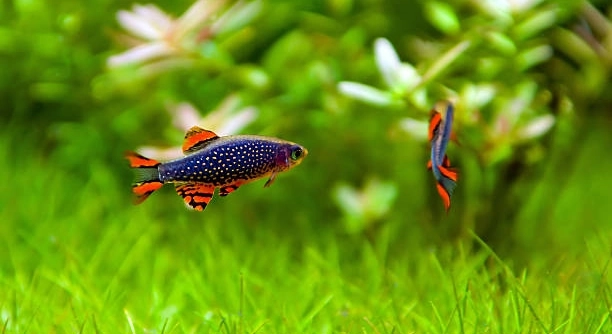
Do you love keeping Danios but find yourself struggling to maintain large groups in your aquarium? Managing their activity, social dynamics, and tank conditions can quickly become more complex than expected.
Keeping large Danio groups presents multiple challenges including aggression, overcrowding, water quality management, and feeding logistics. Each factor directly affects the health, behavior, and longevity of the fish, requiring careful monitoring and proactive tank management strategies.
Understanding these common issues will help you provide a stable environment, ensuring your Danios thrive and remain active and healthy over time.
Aggression Among Large Groups
When keeping a large group of Danios, aggression can become noticeable, especially if the tank is too small or lacks hiding spaces. Even though Danios are generally peaceful, males may chase each other and nip fins when establishing hierarchy. Stress levels rise quickly when fish feel crowded or threatened, which can lead to weakened immune systems and increased susceptibility to disease. Observing their interactions daily helps identify the most aggressive individuals and determine if tank rearrangements or additional plants are needed. Providing a variety of decorations, rocks, and plants allows fish to establish personal territory. Over time, the presence of multiple hiding spots reduces direct confrontations. It is important to maintain a balance between open swimming space and areas for retreat. Keeping aggression in check ensures that all fish remain healthy and active, minimizing injuries and promoting stable group dynamics within your aquarium.
Aggression can also be minimized by keeping the group size larger than six fish. More fish help diffuse bullying.
Regular observation, tank adjustments, and careful selection of fish when adding new members are essential for managing aggression. Monitoring water parameters is equally important, as poor water conditions can increase irritability and worsen confrontations. Rotating decorations occasionally encourages exploration and reduces territorial disputes. Feeding multiple times a day in smaller portions prevents competition for food, which often triggers fights. Maintaining an attentive routine allows you to address issues early, ensuring a calmer, healthier environment for all Danios. Consistency and attention to both environment and social behavior make it possible to keep large groups successfully, without constant stress or damage.
Overcrowding in the Tank
Overcrowding leads to increased stress, poor water quality, and aggressive behavior. It is important to provide adequate space for large Danio groups.
Proper stocking levels depend on tank size, usually one inch of fish per gallon.
Too many fish in a single tank can result in stunted growth and higher waste accumulation. Overcrowding reduces oxygen levels and increases ammonia and nitrite buildup, which can affect the overall health of the group. Fish may struggle to find food, leading to competition and malnourishment. Regular monitoring of water parameters, along with careful planning of tank size and population, helps prevent overcrowding problems. Adding more plants and decorations can create micro-habitats but does not replace proper tank volume. Planning ahead and considering future growth ensures the Danios remain healthy and active. Balancing fish numbers with tank capacity creates a sustainable environment where large groups can thrive over the long term, keeping stress and aggression to a minimum.
Maintaining Water Quality
Frequent water changes are essential for large Danio groups. High fish density produces more waste, increasing ammonia and nitrite levels. Proper filtration and monitoring keep the water safe and clear.
Testing water parameters daily or at least several times a week prevents sudden spikes that can stress the fish. Large groups generate more organic waste, and leftover food quickly decomposes, impacting overall water quality. A reliable filtration system suited for the tank size is crucial. Using a combination of mechanical, chemical, and biological filtration ensures debris removal, chemical balance, and a stable beneficial bacteria population. Routine partial water changes, around 20-30 percent weekly, help maintain oxygen levels and remove excess nitrates. Clean substrate and decorations also prevent waste buildup. By staying proactive, the tank remains a healthy environment, reducing disease risks and supporting the natural behavior of Danios.
Regular maintenance and observation allow you to catch potential water issues early. Adjusting feeding amounts and filter efficiency keeps the tank balanced.
Monitoring water conditions consistently ensures long-term stability. Fish respond quickly to poor water quality, so maintaining clear, balanced water supports both health and behavior. Proper equipment, careful cleaning, and timely water changes are key steps to preventing stress and disease in large Danio groups. A well-maintained tank encourages active swimming, reduces aggression, and provides a more natural environment for the fish, helping them thrive over time. Combining observation with consistent maintenance routines is the most reliable way to sustain optimal water conditions for your Danios.
Feeding Challenges
Large Danio groups require evenly distributed food to prevent competition and malnutrition. Smaller, frequent meals work best.
Uneven feeding can lead to weaker fish missing out. Fast swimmers often dominate, leaving slower or timid fish hungry. Using sinking pellets or distributing food in multiple locations ensures all fish get proper nutrition. Observing feeding behavior helps identify individuals who may need extra attention or supplemental feeding. Overfeeding can foul water quickly, so balance is key. Timing meals consistently trains fish to feed at predictable intervals. A careful approach prevents aggression during feeding times, supports growth, and keeps the group active and healthy without compromising water quality.
Disease Management
Large groups are more prone to outbreaks due to close contact. Quarantining new fish helps prevent introducing illness.
Observing behavior and physical signs daily allows for early detection. Treating disease promptly reduces spread and protects the whole group.
Breeding Control
Danios breed readily in large groups, which can lead to overcrowding. Separating males and females or using breeding tanks prevents uncontrolled reproduction. Maintaining controlled breeding ensures stable population levels and reduces stress caused by excessive competition for space and resources.
Tank Decoration
Adding plants, rocks, and hiding spots reduces stress and aggression. It creates natural territories and gives Danios safe spaces to retreat.
Oxygen Levels
Large groups consume more oxygen. Proper aeration and circulation are essential to maintain healthy oxygen levels in the tank.
FAQ
How many Danios can I keep in a single tank?
The number of Danios depends on tank size. A general guideline is one inch of fish per gallon of water. Large groups need more space to swim freely and establish territories. Overcrowding leads to stress, aggression, and water quality issues.
What tank size is best for large groups?
A tank of at least 30 gallons is recommended for a group of six to ten Danios. Bigger groups require proportionally larger tanks. A larger environment reduces aggression, supports healthy growth, and makes water maintenance easier.
How often should I change the water?
For large groups, a 20-30 percent water change weekly is ideal. Frequent partial changes remove waste, reduce nitrates, and maintain stable water parameters. Skipping water changes increases ammonia and nitrite levels, which can harm fish health.
What type of filtration is needed?
Strong filtration is necessary for large Danio groups. A combination of mechanical, biological, and chemical filtration works best. Mechanical filters remove debris, biological filters maintain beneficial bacteria, and chemical filters reduce harmful chemicals, keeping the water clean and safe.
How do I prevent aggression?
Provide plenty of space, hiding spots, and decorations to break line-of-sight. Keeping the group larger than six helps diffuse bullying. Observe behavior regularly and rearrange decorations if fights increase. Aggression is often worse when fish are stressed or overcrowded.
How do I feed large groups fairly?
Feed small amounts multiple times a day in several spots. Fast swimmers dominate feeding, so spreading food ensures slower or timid fish get enough. Avoid overfeeding, as leftover food degrades water quality and increases stress. Observe feeding patterns to identify fish that may need extra attention.
What signs indicate disease in Danios?
Watch for abnormal swimming, clamped fins, white spots, or loss of appetite. Early detection allows treatment before disease spreads. Quarantining new fish helps prevent introducing pathogens to the main tank.
How can I control breeding in large groups?
Separate males and females or use dedicated breeding tanks. Danios breed readily, and uncontrolled reproduction can worsen overcrowding. Controlled breeding maintains tank stability and reduces stress caused by excessive competition.
Do Danios need live plants?
Live plants are helpful but not required. They provide hiding spots, improve water quality, and reduce stress. Artificial decorations can also serve as retreat areas. Variety in tank décor benefits social dynamics in large groups.
How do I maintain proper oxygen levels?
Use an air pump or strong water circulation to maintain oxygen, especially in heavily stocked tanks. High fish density consumes more oxygen, and stagnant water can lead to lethargy, stress, or even suffocation. Proper aeration supports overall health.
Can I mix Danios with other fish?
Yes, but choose peaceful, similarly sized species. Avoid slow-moving or long-finned fish, as Danios may nip them. Monitor interactions closely, as aggression can increase in large groups if tank space is limited.
How often should I test water?
Test at least weekly for ammonia, nitrite, nitrate, and pH. Large groups produce more waste, so monitoring water quality frequently helps prevent sudden spikes and keeps fish healthy. Adjust water changes or filtration as needed based on results.
What is the ideal diet for Danios?
Feed a varied diet of flakes, pellets, and occasional live or frozen foods. Balanced nutrition supports growth, coloration, and energy. Rotate food types to prevent deficiencies and encourage natural foraging behavior.
How do I reduce stress in large groups?
Provide sufficient space, hiding spots, stable water parameters, and a predictable feeding routine. Minimizing sudden changes in temperature, light, or décor helps the group remain calm and active. Stress management reduces disease risk and aggression.
Can I keep Danios long-term in a community tank?
Yes, with careful planning. Ensure proper tank size, compatible tank mates, and consistent maintenance. Large groups thrive when water quality, space, and social dynamics are maintained, promoting longevity and active behavior in the aquarium.
What common mistakes should I avoid?
Overcrowding, irregular water changes, overfeeding, and poor observation are the most frequent issues. Ignoring aggression or disease signs worsens problems. Planning ahead and staying consistent in maintenance ensures the health and stability of large Danio groups.
How do I introduce new fish to a large group?
Quarantine new fish for at least two weeks before adding them. Gradually acclimate them to tank water temperature and parameters. Introduce them slowly to minimize stress and prevent aggression from existing fish.
Are Danios sensitive to temperature changes?
They prefer stable water between 72-78°F. Sudden shifts can stress fish, weaken immunity, and trigger aggression. Use a reliable heater and monitor the temperature consistently to maintain stability.
What is the average lifespan of Danios?
Danios generally live 3-5 years in a well-maintained tank. Lifespan depends on water quality, diet, tank conditions, and stress management. Proper care can extend their healthy, active years.
How do I deal with fin nipping?
Ensure enough space, multiple hiding spots, and proper feeding distribution. Monitor aggressive fish and rearrange decorations to break lines of sight. Reducing stress and aggression helps prevent nipping in large groups.
Can large groups survive in a small tank?
No, small tanks increase stress, aggression, and water quality issues. Proper tank size is essential for maintaining health, behavior, and long-term survival of large Danio groups.
Keeping large Danio groups can be both rewarding and challenging. These fish are active, lively, and visually appealing, but managing a large number requires attention to several key aspects. Overcrowding, aggression, feeding, water quality, and disease are the main areas where problems can arise. Without proper planning, even experienced fish keepers can face stress and unexpected losses. It is important to consider tank size carefully before adding a large group, as space directly affects their behavior and health. A well-sized tank allows Danios to swim freely, reduces aggressive encounters, and helps maintain stable water conditions. Overcrowding not only increases stress but also leads to faster waste buildup, which can affect the entire aquarium ecosystem. By understanding these challenges, you can make informed decisions about stocking, feeding, and tank maintenance, ensuring a balanced environment for all the fish.
Providing proper water conditions is crucial when maintaining large Danio groups. Regular water changes, strong filtration, and monitoring water parameters prevent harmful spikes in ammonia, nitrites, or nitrates. Even small lapses in maintenance can quickly affect large groups due to their higher waste production. Adequate aeration is equally important, as oxygen levels drop faster in heavily stocked tanks. Observing the fish daily helps identify any early signs of stress or illness, allowing timely intervention. Feeding requires special attention, too, since competition can leave some fish undernourished. Offering food in multiple locations and providing small, frequent meals ensures that all fish receive proper nutrition. Tank décor, including plants, rocks, and hiding spots, reduces aggression and allows each fish to establish a small territory. These combined efforts create a stable, healthy environment where large Danio groups can thrive for years.
Controlling social dynamics and breeding is another key part of keeping large groups successfully. Danios are naturally active and can be competitive, especially males establishing dominance. Providing enough space and breaking up sightlines with decorations helps minimize stress and aggressive behavior. Breeding can occur easily in large groups, which may lead to overcrowding if not managed. Using separate breeding tanks or temporarily separating males and females can maintain stable population levels and reduce stress on the main group. Overall, keeping large Danio groups requires planning, observation, and consistent care. While the challenges are significant, the rewards are clear: a lively, active aquarium full of healthy, energetic fish. With attention to water quality, feeding, social behavior, and tank environment, maintaining a large group becomes manageable, and the fish can thrive in a balanced and stimulating habitat.

Hello,
If you enjoy the content that we create, please consider saying a "Thank You!" by leaving a tip.
Every little bit helps us continue crafting quality advice that supports the health, happiness, and well-being of pets around the world, for pets of all shapes, sizes, and species.
We really appreciate the kindness and support that you show us!