
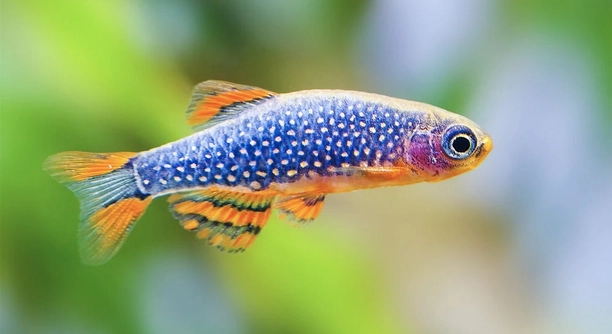
Keeping Danio tanks clean and safe is essential for the health of your fish. Certain everyday substances can harm these small, active fish, even when you think they are harmless. Awareness is key for their well-being.
Several substances, including copper-based medications, household cleaners, detergents, insecticides, salt in high concentrations, scented oils, and certain plant fertilizers, are highly toxic to Danio species. Avoiding these chemicals prevents stress, disease, and potentially fatal consequences for the fish.
Learning which substances pose a threat allows you to create a safer environment for your Danios. Protecting their habitat ensures they remain active, healthy, and long-living in your care.
Copper-Based Medications
Copper-based medications are often used to treat parasites and infections in fish tanks. While effective for certain species, they are extremely toxic to Danios. Even small doses can cause severe stress, organ damage, or death. Many hobbyists accidentally introduce copper when treating other tank mates, not realizing its impact. It can linger in tank substrates, filters, and decorations, continuing to affect the water chemistry long after treatment. Danios are especially sensitive because of their small size and high activity level, making them more vulnerable to toxins that larger or more tolerant fish might survive. Avoid using copper medications unless specifically prescribed for species that tolerate it. Monitoring water chemistry after any treatment is critical to ensure residual copper levels are neutralized. Alternative treatments, such as formalin-based or salt-based therapies, may be safer options when Danios are present. Taking precautionary measures helps maintain a stable and healthy environment for all fish.
Even trace amounts of copper can be lethal to Danios, so constant vigilance is necessary to prevent accidental exposure.
Understanding the risks of copper-based medications encourages careful planning before treating a tank. Always research compatibility and follow dosage instructions precisely. Using test kits to monitor copper levels after treatment can prevent long-term harm. If copper contamination occurs, water changes, activated carbon filtration, and neutralizing agents can help restore safety. Avoid introducing medications to shared tanks unless absolutely necessary, and consider quarantining affected fish in a separate environment. Awareness and preparation reduce stress and fatalities, allowing Danios to thrive.
Household Cleaners
Household cleaners, including bleach, ammonia, and disinfectants, are extremely harmful if they enter the tank, even in small amounts.
Cleaning tools or surfaces near your tank can unintentionally transfer residues. These chemicals react with water, producing toxins that damage fish gills, skin, and internal organs. Even scented cleaners leave compounds that disrupt water balance and reduce oxygen levels. Danios, with their high metabolism and constant swimming, are particularly sensitive to these changes. Always wash hands thoroughly and rinse containers or decorations with plain water before placing them in the tank. Avoid using any cleaning agents near water to minimize accidental spills. Proper storage of household chemicals away from aquariums is essential for preventing exposure.
Accidental contamination from household cleaners can cause immediate and delayed health effects in Danios. Symptoms include lethargy, loss of appetite, gasping, and abnormal swimming patterns. Chronic exposure may lead to weakened immune systems, making fish more prone to disease. Once chemicals are introduced, complete water replacement is often necessary, along with thorough rinsing of substrate and decorations. Using dedicated tools for aquarium maintenance, separate from household cleaning, minimizes risk. Even minimal exposure can disrupt the delicate balance of a Danio tank. Precaution, awareness, and consistent safe practices are vital to prevent harm and maintain a stable aquatic environment.
Detergents
Detergents, even in small amounts, can severely harm Danios by breaking down the protective mucus on their skin, causing stress, irritation, and potential infections. Avoid introducing soap residues through hands, nets, or decorations.
Detergents contain surfactants that reduce water surface tension and release harmful compounds. For Danios, these substances interfere with breathing by irritating gills and disrupting oxygen absorption. Symptoms include rapid gill movement, lethargy, and erratic swimming. Even diluted traces can persist in the substrate or filter media, creating ongoing exposure. Using aquarium-safe cleaning tools and rinsing any items thoroughly with plain water before placing them in the tank is essential to prevent accidental contamination. Regular monitoring of water quality helps ensure a safe environment.
Accidental exposure often occurs during routine tank maintenance or when washing decorations in kitchen sinks. Tools that contact detergent should be strictly separated from aquarium equipment. Any container, net, or accessory that has held detergent must be cleaned multiple times with fresh water before use. Even minimal contamination can lead to chronic stress, increased susceptibility to disease, and in severe cases, death. Maintaining strict hygiene protocols around Danio tanks protects these sensitive fish and ensures their environment remains stable and healthy.
Insecticides
Insecticides sprayed near tanks or on plants can drift into the water and poison Danios immediately. Their small bodies make them highly vulnerable to chemical exposure.
Insecticides contain neurotoxic compounds that affect fish rapidly. Once introduced, these chemicals interfere with nerve function, causing spasms, erratic swimming, and sometimes sudden death. Danios may show visible distress, such as gasping at the surface or curling fins. Even residue from treated surfaces can accumulate in filters or substrate, creating prolonged exposure. Precautions include keeping all insecticides away from tank areas, thoroughly rinsing any nearby items, and avoiding sprays inside rooms where tanks are located. Monitoring fish behavior closely after any potential exposure is essential for early intervention.
Even small airborne particles can have devastating effects on Danios. Immediate water changes and activated carbon filtration can help reduce chemical concentration, but prevention is more reliable. Keeping the tank isolated from treated plants, soil, or insects ensures chemical safety. Awareness of potential sources, such as nearby gardening or pest control activities, allows for proactive measures. Dedicated ventilation and careful placement of tanks away from windows or vents reduce accidental drift. Maintaining vigilance over chemical exposure is critical for protecting the health and longevity of Danios in a home aquarium.
Salt in High Concentrations
High concentrations of salt can disrupt the osmotic balance of Danios, leading to dehydration, stress, and organ damage. Even a small miscalculation during treatment can be dangerous for these small fish.
Danios are freshwater species that tolerate only minimal salt levels. Excessive salt, often used to treat other fish species, causes water to draw out from their bodies, affecting gill function and circulation. Avoid adding salt without precise measurement or specific guidance. Monitoring water parameters is essential whenever salt is introduced, and partial water changes can help correct accidental overdoses.
Scented Oils
Scented oils, whether from diffusers or candles, can enter the water and release toxic compounds. These compounds irritate gills and skin, causing stress and potentially fatal reactions.
Certain Plant Fertilizers
Many commercial plant fertilizers contain heavy metals and chemicals that are harmful to Danios. These substances can accumulate in the water and substrate, posing long-term risks. Careful selection of aquarium-safe fertilizers is essential to avoid contamination.
Bleach Residue
Bleach residue on decorations or equipment can introduce harmful chlorine compounds into the tank. Even small traces are dangerous and can burn fish skin, damage gills, and disrupt water chemistry. Always rinse thoroughly and neutralize bleach before use.
What are the most dangerous substances for Danio tanks?
The most dangerous substances include copper-based medications, household cleaners, detergents, insecticides, high salt concentrations, scented oils, and certain plant fertilizers. Each of these can cause stress, organ damage, or death in Danios, even in small amounts. Avoiding exposure is essential for maintaining a healthy tank.
How can I tell if my Danios have been exposed to harmful chemicals?
Signs include rapid gill movement, erratic swimming, lethargy, loss of appetite, curling fins, or gasping at the surface. Chronic exposure may weaken their immune system, making them more susceptible to disease. Observing these behaviors early allows for immediate intervention to prevent fatalities.
Are copper-based medications safe for Danios?
Copper is highly toxic to Danios, even in small doses. While it may treat parasites in other species, it can cause organ damage or death in Danios. Always avoid using copper medications in tanks where Danios are present, and monitor water chemistry after treatment.
Can household cleaners harm Danios?
Yes, even trace amounts of bleach, ammonia, or disinfectants can enter the tank and cause gill damage, stress, and death. Residues on hands, nets, or decorations are common sources. Rinsing items thoroughly with plain water before introducing them to the tank is necessary.
Are detergents dangerous for my Danios?
Detergents break down the protective mucus on fish skin, causing irritation and vulnerability to infections. Even small residues from cleaning hands, nets, or containers can have harmful effects. Using dedicated aquarium-safe tools and washing hands thoroughly before tank maintenance helps prevent contamination.
Can scented oils or air fresheners affect my tank?
Yes, airborne compounds from diffusers, candles, or sprays can dissolve into the water. They irritate gills and skin, causing stress or death. Keeping Danio tanks away from sources of scented oils reduces the risk of chemical exposure.
Is salt safe to use in Danio tanks?
Danios tolerate only very low salt concentrations. High doses disrupt their osmotic balance, causing dehydration and stress. Salt should only be used if specifically recommended and measured carefully. Regular water testing helps ensure levels remain safe.
Are plant fertilizers risky for Danios?
Many commercial fertilizers contain heavy metals and chemicals toxic to Danios. These substances can accumulate in the substrate and water, leading to chronic exposure. Only aquarium-safe fertilizers should be used, and they must be carefully measured to prevent harm.
What should I do if chemicals accidentally enter the tank?
Immediate action is critical. Perform partial or complete water changes, use activated carbon filtration, and remove any contaminated decorations or substrate. Monitor fish closely for stress or abnormal behavior, and continue water testing until parameters stabilize.
How can I prevent accidental exposure in the future?
Keep all household chemicals, insecticides, and scented products away from tanks. Use dedicated tools for aquarium maintenance, rinse decorations thoroughly, and avoid introducing medications or fertilizers without confirming their safety for Danios. Vigilance and proactive measures maintain a stable environment.
Can Danios recover from mild chemical exposure?
Recovery is possible if exposure is detected early and immediate corrective measures are taken. Stress, gill irritation, or minor chemical burns can improve with clean water, proper filtration, and careful observation. Severe exposure, however, may result in irreversible damage or death.
Are there long-term effects from minor chemical exposure?
Even low-level exposure can weaken the immune system, reduce lifespan, or make Danios more susceptible to disease. Repeated exposure increases risks, so maintaining a clean, chemical-free tank environment is crucial for their long-term health.
How often should I check my tank for harmful substances?
Regular monitoring of water parameters, substrate, and tank accessories helps prevent accidental contamination. Test water after adding new items or performing treatments, and observe fish behavior daily to detect early signs of stress or chemical exposure.
Can accidental exposure be completely avoided?
While it’s impossible to eliminate all risk, careful handling, strict hygiene, and awareness of chemicals in the home or garden significantly reduce the chances of accidental exposure. Prevention remains the most effective way to protect Danios.
Are certain Danio species more sensitive than others?
Yes, smaller species or those with delicate skin and gills tend to be more sensitive to toxins. Even minimal exposure to copper, detergents, or insecticides can affect them more severely than larger, hardier fish. Monitoring individual species is important for proper care.
How do I safely introduce plants or decorations into a Danio tank?
Rinse all plants and decorations thoroughly with plain water. Avoid fertilizers or treatments containing chemicals, and consider quarantining new items in clean water for a short period. This prevents accidental chemical introduction and protects the health of Danios.
What is the best way to maintain a chemical-free environment?
Store household cleaners and insecticides away from tanks, use dedicated tools for aquarium maintenance, avoid unnecessary medications, and monitor water parameters regularly. Maintaining a routine of careful handling reduces risks and ensures a safe habitat for Danios.
Can activated carbon help after accidental exposure?
Yes, activated carbon filtration can remove some chemical residues from the water. Combined with water changes and careful observation, it can reduce harm and improve recovery for Danios after accidental chemical exposure.
How quickly should I act if I notice chemical exposure?
Immediate action is essential. Even brief exposure can cause irreversible harm. Perform water changes, remove contaminated items, and monitor fish behavior to prevent long-term effects or fatalities.
Keeping Danio tanks free from harmful substances is essential for the health and well-being of your fish. Many everyday products, from household cleaners to scented oils, can be dangerous even in very small amounts. Danios are small, active fish that are highly sensitive to changes in water chemistry. Chemicals that might be harmless to humans or other fish can quickly become toxic for them. Protecting the tank from contamination requires careful attention to what comes into contact with the water, whether it is tools, decorations, plants, or even medications intended for other fish species. Awareness and vigilance are the first steps in preventing unnecessary stress or fatalities.
Maintaining a safe environment for Danios involves consistent monitoring and proactive care. Water parameters should be checked regularly, and any new items added to the tank should be thoroughly cleaned and inspected. It is important to avoid using substances that contain copper, detergents, or heavy metals, as these can accumulate in the substrate or water and remain dangerous over time. Even products that seem harmless, such as scented oils or fertilizers, can introduce toxic compounds into the tank. Using only aquarium-safe items and following recommended procedures ensures that Danios can swim, feed, and grow in a healthy environment. Simple precautions, like washing hands before handling the tank or keeping household chemicals stored separately, can make a significant difference.
Ultimately, the long-term health of Danios depends on careful attention and prevention. Avoiding dangerous substances protects their gills, skin, and overall physiology, reducing stress and susceptibility to disease. In addition to avoiding chemicals, regular tank maintenance, partial water changes, and monitoring fish behavior are crucial to sustaining a stable and safe habitat. By understanding the risks and taking consistent measures to prevent contamination, you can provide an environment where Danios thrive and live longer, healthier lives. A mindful approach to tank care not only preserves the fish but also enhances the overall balance and enjoyment of maintaining a home aquarium.

Hello,
If you enjoy the content that we create, please consider saying a "Thank You!" by leaving a tip.
Every little bit helps us continue crafting quality advice that supports the health, happiness, and well-being of pets around the world, for pets of all shapes, sizes, and species.
We really appreciate the kindness and support that you show us!