
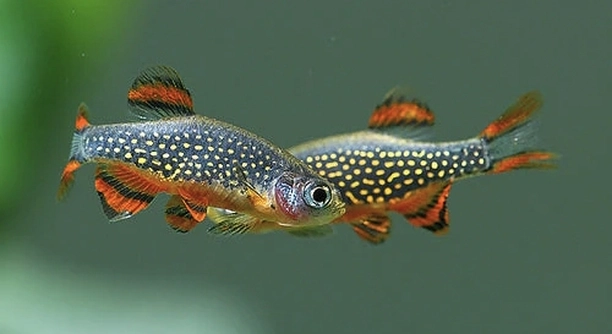
Do you enjoy keeping a planted aquarium but notice your danios acting restless or hiding more than usual? Maintaining a healthy environment for these active fish can be challenging, especially when certain items disrupt their natural behavior.
In a planted danio aquarium, there are specific items that can negatively affect water quality, plant growth, and fish health. Avoiding sharp decorations, poor-quality substrates, toxic plants, overcrowding, strong currents, inappropriate lighting, and chemical additives is essential.
Knowing which items to exclude from your tank can help maintain a balanced ecosystem and support your danios’ overall well-being. Proper planning ensures a thriving, harmonious planted aquarium environment.
Sharp Decorations and Rough Edges
Sharp decorations may look attractive, but they can harm your danios. These small, active fish often dart around the tank quickly. If they bump into jagged surfaces, they risk torn fins or injuries that can become infected. Even minor cuts can stress them and reduce their activity. Over time, rough ornaments can also accumulate debris, making cleaning more difficult. Many new aquarium owners underestimate how delicate danios are. Choosing smooth stones, polished driftwood, or soft resin ornaments ensures your fish can swim safely. Smooth surfaces also help prevent algae buildup, making maintenance easier. Observing your fish interact with their environment reveals how even small hazards can impact their daily behavior. A few careful adjustments in decoration choice can significantly improve overall tank safety and fish well-being, supporting a more stable and calm aquatic environment that promotes healthy swimming patterns and natural activity levels.
Selecting smooth, safe decorations allows danios to explore freely without constant risk of injury.
Even with a small aquarium, attention to detail is essential. Smooth stones or soft plants not only protect your fish but also create a visually appealing habitat. Avoid materials that chip or splinter, as accidents happen quickly. Consider how your danios interact with decorations and leave ample open swimming space. Overcrowding the tank with sharp or rough objects reduces mobility and increases stress levels, making them prone to illness. Safety-focused decoration choices promote a natural, active environment where fish can thrive.
Toxic Plants
Some popular aquarium plants may be harmful to danios if ingested or if they release chemicals into the water. Danios nibble frequently, and toxic species can affect their digestion or overall health.
Introducing non-toxic plants like Java fern, Anubias, or mosses provides greenery without risk. These plants are hardy, easy to maintain, and safe for active swimmers. They also improve water quality by absorbing excess nutrients and reducing algae growth. Toxic species, on the other hand, can introduce unexpected problems, such as decreased appetite, lethargy, or even illness. Carefully researching plants before adding them to your tank is crucial.
When arranging your planted tank, consider both aesthetics and safety. Grouping safe plants ensures danios can explore freely without exposure to harmful species. Combine low-maintenance, non-toxic plants with appropriate substrates and decorations to maintain a balanced ecosystem. Healthy, safe plants contribute to oxygenation, provide hiding spots, and create natural swimming zones. Paying attention to plant choice enhances water stability and overall fish welfare, supporting a visually pleasing yet safe habitat for your active danios. Proper plant selection also reduces the risk of chemical imbalances that could compromise long-term tank health.
Overcrowding
Overcrowding a danio tank increases stress, reduces oxygen levels, and makes it difficult for fish to swim freely. Maintaining an appropriate number of fish ensures healthy behavior and stable water conditions.
Excess fish lead to higher waste production, which can disrupt water chemistry and promote harmful bacteria growth. Danios are active swimmers that need open spaces to move without bumping into each other or decorations. Crowding also intensifies competition for food, resulting in weaker fish and potential aggression. Regularly monitoring population density and adjusting accordingly helps prevent long-term health issues.
Proper stocking levels allow each fish to thrive while keeping plants and substrate intact. Overcrowding not only stresses danios but also affects plant growth and water quality. By maintaining balance, your aquarium can support a lively, healthy environment. Adequate space ensures natural swimming patterns and reduces stress-induced illnesses, improving overall tank stability. Observing fish behavior helps gauge whether population levels are suitable, enabling timely adjustments for long-term tank health.
Strong Water Currents
Strong currents make it difficult for danios to swim naturally and can stress them over time. Avoid excessive flow from filters or pumps.
High water movement can push fish into decorations, plants, or substrate, leading to injury or fatigue. Danios prefer moderate currents that allow swimming without constant struggle. Plants may also suffer, as fast water can uproot roots or damage delicate leaves. Choosing adjustable filters or redirecting flow creates a calmer environment suitable for active swimming.
Balancing water movement supports oxygenation while ensuring danios can navigate the tank comfortably. Currents that are too strong hinder feeding and normal activity, causing stress-related health issues. Gentle flow helps maintain plant stability and keeps substrate intact, reducing debris suspension. Proper current management enhances both fish welfare and plant growth. Monitoring water movement and making small adjustments prevents long-term stress, ensuring a stable ecosystem that promotes thriving, active danios.
Inappropriate Substrates
Some substrates can harm danios or hinder plant growth. Sharp gravel or chemically treated sand may injure fins or release toxins into the water.
Soft, natural substrates like fine sand or smooth gravel are best. They allow plants to root properly and reduce the risk of injury for active fish.
Chemical Additives
Excessive use of water treatments, fertilizers, or medications can destabilize tank chemistry. Danios are sensitive to sudden chemical changes, which can affect their immune system and stress levels. Carefully measure and limit additives, following product instructions to maintain safe water parameters.
Poor Lighting
Too bright or inconsistent lighting can stress danios and hinder plant health. Balanced lighting supports natural plant growth and encourages normal fish behavior without causing excessive algae or discomfort.
What are the safest decorations for a planted danio aquarium?
Smooth, rounded stones, polished driftwood, and resin ornaments without sharp edges are safest for danios. These materials prevent fin tears and injuries while allowing the fish to swim freely. Avoid decorations that can chip or splinter, as even minor cuts can lead to infections. Soft plants and mosses also provide safe hiding spaces without risk. Observing your fish interact with the tank can help determine which items are safest and most suitable for their behavior. Proper decoration choices enhance tank safety while supporting a natural, visually pleasing environment.
Can danios tolerate strong water currents?
Danios prefer moderate water flow. Strong currents can tire them out, push them into decorations, or stress them over time. Adjustable filters and flow diffusers help maintain a gentle current, ensuring fish can swim comfortably. Proper flow also supports oxygenation without disturbing plants or substrate. High-speed pumps should be avoided in tanks with active species like danios. Monitoring their swimming patterns can indicate whether the current is too strong, allowing timely adjustments to prevent stress and potential injuries.
Which plants are harmful to danios?
Some plants release chemicals or contain toxins that can affect danios if ingested. Species like certain Echinodorus or exotic ornamental plants may be unsafe. Non-toxic options such as Java fern, Anubias, and mosses provide greenery without risk. These hardy plants also stabilize water quality by absorbing excess nutrients. Researching plant compatibility before introducing them prevents health problems. Regular observation ensures that the fish do not nibble on anything harmful, maintaining both plant and fish health. Choosing safe plants encourages natural behaviors and a balanced tank ecosystem.
How many danios can be kept in a planted aquarium?
Danios are active and social fish, requiring adequate space for swimming. Overcrowding increases stress, reduces oxygen, and can lead to aggression or disease. A general guideline is one inch of fish per gallon, adjusted for tank layout and decorations. Providing open swimming areas and avoiding excessive population density ensures healthy behavior. Monitoring water parameters regularly is essential when stocking multiple fish to prevent waste buildup. Proper stocking supports plant growth, maintains stable water chemistry, and promotes long-term fish health.
Are chemical additives necessary in a planted danio tank?
Chemical additives should be used cautiously. Excess fertilizers, medications, or water treatments can disrupt water balance and stress fish. Only use products as directed, targeting specific issues. Many planted tanks thrive with regular water changes and natural nutrients from substrate and plant decomposition. Minimal additive use supports fish health and prevents long-term water instability. Monitoring water quality regularly allows adjustments without over-reliance on chemicals, ensuring both plants and danios remain healthy. Avoiding unnecessary additives reduces risk of sudden water chemistry changes that can harm the tank’s ecosystem.
What type of substrate works best for danios?
Soft, fine-grain substrates like sand or smooth gravel are ideal. They allow plant roots to anchor easily and prevent injuries to active danios. Sharp gravel or treated sand can tear fins or release harmful substances into the water. Choosing a safe, natural substrate promotes healthy fish behavior, supports plant growth, and simplifies cleaning. Observing how your danios interact with the substrate can help determine if adjustments are needed. Maintaining a suitable base is key to creating a stable, thriving planted aquarium.
How should lighting be managed in a planted danio aquarium?
Balanced, consistent lighting is important. Too bright or erratic lighting can stress fish and encourage algae overgrowth. Using a timer helps maintain regular light cycles, supporting plant photosynthesis and natural fish behavior. Moderate lighting levels provide visibility while keeping the environment comfortable. Adjusting intensity to suit plant needs ensures healthy growth without disturbing fish. Observing plant health and fish activity helps fine-tune lighting, maintaining a stable and appealing aquarium environment. Proper lighting contributes to both aesthetic appeal and biological balance.
Can danios live with other fish in a planted tank?
Danios are generally peaceful but active, so tank mates should be compatible in temperament and swimming level. Avoid aggressive or very slow species that may be stressed by constant movement. Medium-sized, peaceful fish like tetras or rasboras often integrate well. Ensuring adequate swimming space and hiding spots supports harmonious cohabitation. Monitoring behavior after introducing new fish prevents conflicts and allows adjustments to maintain a balanced community. Proper planning ensures all species can thrive without competition or stress.
How often should the tank be cleaned or maintained?
Regular maintenance is crucial for stability. Partial water changes, substrate vacuuming, and filter cleaning every 1-2 weeks help maintain water quality. Overcleaning can remove beneficial bacteria, so balance is key. Checking plant health, trimming overgrowth, and removing debris prevents algae and supports fish activity. Consistent observation allows early detection of water parameter changes or fish stress. A steady maintenance routine keeps both plants and danios healthy, reduces disease risk, and ensures a long-lasting, thriving aquarium environment.
Are decorations or plants enough to prevent danio stress?
While decorations and plants provide hiding spots and enrichment, they cannot replace proper water quality, stocking, or feeding practices. Stress results from overcrowding, strong currents, poor water conditions, or improper diet. A combination of safe decorations, balanced stocking, moderate flow, and consistent maintenance creates a stable, comfortable habitat. Observing fish behavior regularly ensures their needs are met. Supporting both physical and environmental requirements helps danios display natural behavior, maintain health, and enjoy a safe, thriving aquarium.
Word count: 507
Final Thoughts
Maintaining a planted danio aquarium requires careful attention to detail. Each decision, from decorations to plant choice, affects the overall health and behavior of the fish. Danios are active and delicate, making them sensitive to environmental changes. Even small oversights, such as sharp ornaments or strong water currents, can cause stress or injury. Ensuring smooth decorations, soft substrates, and non-toxic plants helps create a safe swimming environment. By paying attention to these elements, the tank becomes a space where fish can move naturally and explore without risk. Balanced water parameters and regular maintenance further support their well-being, creating a stable ecosystem that encourages healthy activity and growth.
Overcrowding is another factor that can significantly affect danio behavior and health. Too many fish in a tank reduces swimming space and increases competition for food and oxygen. High population density also contributes to faster waste buildup, which can lead to poor water quality and stress-related illnesses. Maintaining an appropriate number of fish for the tank size ensures that each danio has enough space to swim and interact naturally. Coupled with a carefully chosen substrate and suitable plants, this approach minimizes stress and promotes a balanced aquatic environment. Regular observation of fish behavior helps identify any signs of overcrowding or discomfort, allowing adjustments to stocking levels before problems arise.
Chemical additives and lighting also play key roles in maintaining a healthy aquarium. Overuse of fertilizers, medications, or water treatments can destabilize the tank and negatively impact fish health. Choosing non-toxic plants and using additives only when necessary keeps water chemistry stable. Lighting should be consistent and moderate, supporting plant growth while avoiding stress for the fish. Properly timed light cycles and careful placement of fixtures help create a natural environment where both plants and danios thrive. Combining these measures with safe decorations, suitable substrates, and appropriate stocking levels ensures a well-maintained planted aquarium. Overall, thoughtful planning and consistent care result in a stable, visually pleasing, and healthy habitat where danios can flourish naturally and display their full activity and color.
Word count: 407

Hello,
If you enjoy the content that we create, please consider saying a "Thank You!" by leaving a tip.
Every little bit helps us continue crafting quality advice that supports the health, happiness, and well-being of pets around the world, for pets of all shapes, sizes, and species.
We really appreciate the kindness and support that you show us!