
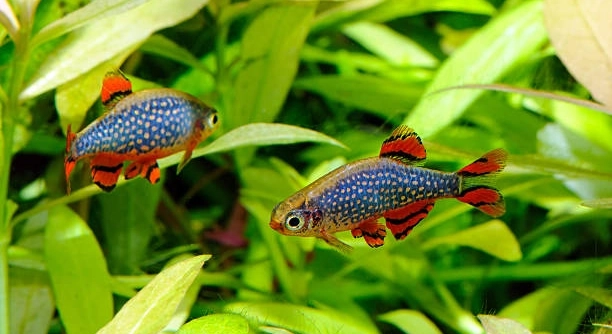
Do you ever feel unsure about raising tiny Danio fry in those first fragile days of life, especially when every choice seems important for their growth and comfort as they adjust to their new environment.
New owners often struggle with Danio fry because they overlook key care elements, including water quality stability, feeding frequency, filtration, consistent temperature, early tank maintenance and proper observation, which together determine survival rates and support healthy development in sensitive stages.
Learning about these early missteps helps you understand what shapes successful growth, guiding you toward choices that protect your fry.
Improper Tank Setup for Danio Fry
Setting up the tank the wrong way is one of the most common mistakes new owners face, and it can affect fry from the very beginning. These small fish need stable, gentle conditions that protect them from strong currents and sudden changes. A simple layout with soft filtration, clean water and safe hiding areas helps them settle in without stress. Many people rush this step or try to copy setups meant for adult fish, which can overwhelm fry that are still developing. Keeping everything calm and stable gives them a safer start and helps them grow at a steady pace without unnecessary risks.
A tank that is prepared with care supports fry that are sensitive to environmental shifts and helps prevent early losses caused by poor conditions.
A well designed space means your fry can focus on growing rather than struggling with conditions that are too rough or unstable, creating a better foundation for the weeks ahead.
Feeding Mistakes New Owners Overlook
Feeding Danio fry improperly is a common issue that slows their development and creates stress, especially when portions are too large or meals are too far apart.
New owners often rely on food types meant for adult fish, which can be too big or heavy for fry to handle. These small fish need tiny meals offered several times a day, giving them enough energy without overwhelming their still fragile digestive systems. Powdered foods, infusoria or freshly hatched brine shrimp give them the nutrition they need in sizes they can manage. Overfeeding can cloud the water and reduce oxygen, while underfeeding weakens them and makes growth uneven. Maintaining gentle feeding habits helps them gain strength at a steady rate. By focusing on food size, timing and cleanliness, you create a feeding routine that matches the needs of young Danios and keeps them thriving through their early stages.
Inconsistent Water Conditions
Unstable water conditions often weaken Danio fry, leaving them unable to cope with sudden shifts in temperature or quality. Keeping everything steady helps them stay active and reduces stress that can slow development during their most delicate stages.
Maintaining stable water parameters supports fry that depend on predictable conditions to grow well. Even small fluctuations in temperature, pH or hardness can affect feeding, behavior and survival. Monitoring the tank daily allows you to catch changes before they escalate. Gentle filtration, regular top ups and careful testing keep everything balanced without overwhelming them. When the environment stays consistent, the fry can focus their energy on steady growth rather than adjusting to unpredictable changes.
Clear, clean water gives fry the stability they rely on. Avoiding large water changes, sudden temperature shifts or rushed adjustments protects them from stress that may cause stunted growth or early losses. Keeping the tank calm and controlled helps them develop with fewer complications.
Overlooking Early Signs of Stress
Missing early signs of stress can put Danio fry at risk, since these small cues are often the first indication that something in the tank needs attention. Subtle changes in swimming, feeding or color can help you act before the problem becomes harder to fix.
Many new owners assume fry behavior is always unpredictable, but paying attention makes a difference. Noticing slower movement, clamped fins, surface hanging or refusal to eat helps you catch problems tied to water quality, feeding habits or temperature. When these signs appear, checking the tank right away prevents issues from escalating. Small corrections often restore comfort quickly. Creating a habit of observing the fry each day strengthens your understanding of their needs and supports their development in a safer, more controlled environment.
Using Filters That Are Too Strong
Strong filters can push Danio fry around the tank, making it harder for them to swim or rest. A gentler setup keeps the water clean without creating currents that exhaust them or limit their ability to reach food.
Soft sponge filters help maintain oxygen and clarity while protecting fry from being pulled into intakes. Their steady, mild flow creates a safer environment where small fish can move comfortably without fighting constant water movement.
Poor Cleaning Habits
Keeping the tank clean is essential for fry that react quickly to waste buildup. Light, frequent maintenance prevents harmful spikes in ammonia or nitrite and keeps the water safe without causing stress from large or rushed changes. Small efforts protect their health and stability.
Skipping Daily Observations
Daily checks help you notice changes in behavior or appearance that signal something is off. Spending a moment watching their activity gives you the chance to fix problems early and keep their environment steady and supportive.
How often should I feed Danio fry?
Danio fry require small, frequent meals to grow properly. Feeding them three to five times a day with tiny portions helps prevent overfeeding while ensuring they get enough nutrients. Foods like powdered fry food, infusoria, or freshly hatched brine shrimp are easy for them to digest. Overfeeding can cloud the water, so only provide what they can eat in a few minutes. Observing how quickly the fry eat helps you adjust portion sizes and avoid leftover food that could harm water quality.
What water conditions are best for fry?
Stable water parameters are crucial for Danio fry. Aim for a temperature around 76–78°F, pH near 7.0, and minimal fluctuations in hardness. Gentle filtration is needed to remove waste without creating strong currents. Partial water changes, about 10–15% daily or every other day, help maintain clean conditions without shocking the fry. Avoid chemicals or strong additives that may stress these sensitive fish. Testing water regularly ensures ammonia, nitrite, and nitrate levels remain safe and allows you to address any issues before they affect growth.
How do I know if my fry are stressed?
Signs of stress in Danio fry are subtle but noticeable. Look for clamped fins, slowed swimming, hiding at the tank bottom, or refusing food. Color may become pale or dull. Stress can result from poor water quality, strong currents, inconsistent feeding, or overcrowding. Catching problems early is important; small adjustments often restore health quickly. Observing fry daily builds familiarity with their normal behavior, making it easier to notice changes and respond before issues worsen.
Can fry live with adult Danios?
Keeping fry with adult Danios is risky because adults may eat them. Separation in a dedicated fry tank or breeding box is recommended until they are large enough to avoid predation. Using a mesh divider or a tank with small hiding areas provides protection while still allowing water to circulate. Once the fry reach about one inch in size, they can gradually be introduced to the main tank. Protecting fry during these early stages ensures higher survival rates and reduces stress from constant threats.
What type of filtration works best for fry?
Gentle sponge filters are ideal for Danio fry because they provide oxygenation and remove waste without strong currents. Avoid powerful filters that could push fry into corners or suck them in. The filter should maintain steady water flow while being easy to clean. Keeping the sponge moist and free of debris helps maintain stable conditions. Pairing filtration with small, frequent water changes ensures water quality remains consistent, reducing stress and supporting proper growth throughout the fry’s early weeks.
How often should I change the water?
Frequent, small water changes work best for fry. About 10–15% of the tank water should be replaced daily or every other day. Large changes can shock delicate fry and disrupt beneficial bacteria. Use dechlorinated water at the same temperature as the tank to prevent stress. Monitoring water quality ensures ammonia and nitrite remain at zero, while nitrates stay low. This steady routine keeps the environment stable, reducing disease risk and supporting healthy growth during these sensitive early stages.
What should I feed if my fry refuse commercial food?
If fry reject powdered or prepared food, offer freshly hatched brine shrimp, infusoria, or finely crushed flakes. Live foods often attract attention and encourage feeding. Make sure the pieces are tiny enough for fry to swallow easily. Alternate types of food to provide balanced nutrition, but avoid overfeeding. Feeding small amounts multiple times a day ensures they get enough energy without harming water quality. Observing which foods fry respond to helps establish a consistent routine that supports growth and development.
How do I prevent overcrowding in a fry tank?
Overcrowding increases stress, slows growth, and can lead to higher mortality. Start with a tank large enough for the expected number of fry, keeping at least one inch of water per fry as a basic guide. Use multiple tanks if necessary or remove some fry to a separate space. Adequate hiding spots and plants reduce stress even in smaller tanks. Managing numbers carefully ensures each fry has space to swim freely, access food, and develop without constant competition.
Can fry survive in a community tank?
Community tanks are generally unsafe for Danio fry. Larger fish may eat or outcompete them for food. If you must keep fry temporarily in a community tank, provide dense plants or breeding nets for protection. Survival rates are significantly higher in a dedicated fry setup with controlled feeding, gentle filtration, and stable water. Keeping fry separate for at least the first few weeks reduces risks and ensures they develop healthily before eventual introduction to a shared environment.
How long does it take for Danio fry to grow?
Growth depends on food quality, water conditions, and proper care. Typically, fry begin noticeable development within the first two weeks and reach juvenile size by 4–6 weeks. Consistent feeding, clean water, and low stress help them develop evenly. Overcrowding, poor water quality, or irregular feeding can slow growth and increase vulnerability to disease. Tracking their size and behavior daily helps ensure they are progressing well, and adjusting care routines as needed supports a steady, healthy growth pattern.
Raising Danio fry can feel overwhelming at first, especially when you are aware of how small and delicate they are. Their early days require careful attention to water quality, feeding, and tank setup, and missing even a small detail can affect their growth. Many new owners make mistakes without realizing it, like using strong filtration or feeding too much at once. Understanding the basics and establishing simple routines helps reduce these risks and gives fry the environment they need to thrive. While the process takes patience, the steps are not complicated, and consistent care produces noticeable results. Watching fry grow day by day becomes easier when you know what to focus on and how to respond to small changes in their behavior.
A structured approach to caring for fry is key. Keeping the tank environment stable, feeding small meals frequently, and observing the fry daily are practices that support healthy growth. Small water changes, gentle filtration, and safe hiding areas reduce stress and prevent early losses. Even seemingly minor habits, like cleaning leftovers or checking water parameters, play a significant role in the survival and development of the fry. Over time, these actions become second nature, and the process feels less intimidating. Establishing these routines early not only improves fry survival but also allows you to notice problems early, giving you the chance to correct them before they escalate.
Success with Danio fry comes down to attention and consistency rather than complicated techniques. By avoiding common mistakes, maintaining steady water conditions, and offering appropriate food in suitable amounts, you create an environment where fry can grow naturally and safely. Observation is just as important as any equipment; recognizing stress signals, abnormal behavior, or slow growth allows for timely adjustments. With patience and steady care, you can watch the fry develop into healthy, active young fish. This process may take time, but the results are rewarding and show how small, consistent actions have a big impact on the well-being and long-term growth of Danio fry.

Hello,
If you enjoy the content that we create, please consider saying a "Thank You!" by leaving a tip.
Every little bit helps us continue crafting quality advice that supports the health, happiness, and well-being of pets around the world, for pets of all shapes, sizes, and species.
We really appreciate the kindness and support that you show us!