
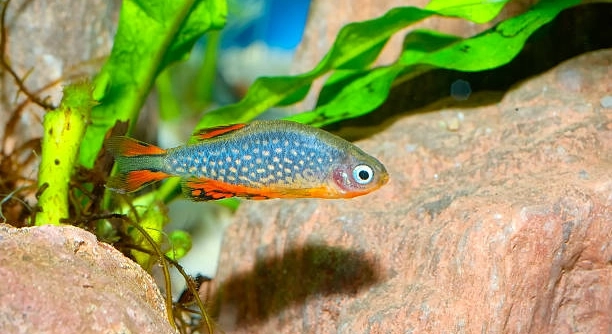
Danios are lively fish that spend much of their time swimming around the tank. Sometimes, however, they slow down or pause, resting in a calm spot. Observing these moments can reveal interesting behaviors and patterns.
Danios rest instead of swim under specific conditions such as low light, after feeding, during molting, when stressed, in cooler water, while sick, or when establishing territory. These rest periods help conserve energy and maintain overall health.
Recognizing when danios are resting instead of swimming can improve how you care for them. These insights reveal important details about their environment and well-being.
Resting After Feeding
After a meal, danios often slow down and rest in a quiet area of the tank. Their digestive system needs time to process food, and swimming actively right after eating can be stressful. You may notice them hovering near the bottom or among plants, appearing still but alert. This resting behavior is normal and usually lasts for a short period, depending on the amount and type of food they ate. Overfeeding can make them rest longer, while a moderate meal keeps them more active. Watching these pauses can help you understand how well your fish are digesting their food and if you are feeding them the right portions. Regular observation can prevent overfeeding and ensure that your danios remain healthy. Noticing these subtle pauses is a small step toward maintaining a balanced and comfortable environment in the aquarium.
Danios often rest near decorations or plants after eating, conserving energy for later activity in the tank.
These post-feeding rest periods are vital. They reduce stress on the digestive system, prevent swim bladder issues, and allow fish to stabilize their metabolism. By observing patterns after meals, you can adjust feeding schedules and portion sizes to support long-term health. Ensuring they have quiet areas in the tank encourages natural resting behavior and reduces conflicts with other fish. In addition, these moments of calm are essential for overall wellness, especially in younger or smaller danios that need more recovery time. Noticing the balance between feeding and resting helps in maintaining a tank environment that encourages both activity and recovery. Proper nutrition combined with periods of rest ensures your danios remain lively, healthy, and resilient against minor illnesses. Watching these small details can enhance the lifespan and happiness of your fish.
Resting in Low Light
Danios often become less active when lighting is dimmed.
Low light signals night or quiet periods, helping fish conserve energy. In tanks with variable lighting, they will pause near shaded areas, blending in naturally. Maintaining proper light cycles supports healthy rest.
During periods of low light, danios’ activity decreases as part of their natural circadian rhythm. The reduction in movement helps preserve energy for more active periods during the day. Fish may gather in groups or find hiding spots among plants or decorations, showing less interest in swimming or exploring. Low light also reduces stress and can mimic natural conditions, making them feel secure. Understanding this behavior allows you to provide better lighting conditions that match their needs. Gradual changes in lighting rather than abrupt switches prevent startling the fish. Ensuring consistent light cycles in your aquarium can improve sleep-like rest, feeding habits, and overall behavior. Observing how your danios respond to light changes can guide adjustments in tank setup, promoting a calmer and healthier environment.
Resting When Stressed
Stress can make danios pause and hide. Loud noises, sudden movements, or aggressive tank mates often trigger these moments. Fish may hover near corners or plants, appearing still while assessing their surroundings for safety.
When danios feel threatened, their instinct is to conserve energy and avoid drawing attention. Stress can arise from overcrowding, sudden changes in water temperature, or aggressive behavior from other fish. During these times, they may reduce swimming, hide behind decorations, or cling to plants. Prolonged stress can affect appetite, immune response, and overall activity. By observing their behavior, you can identify stressors in the tank and take steps to minimize them, such as rearranging decorations, providing hiding spots, or separating aggressive fish. Regular monitoring ensures that stress does not compromise their long-term health or social dynamics in the tank.
Reducing stress in a tank improves health and activity. Providing calm conditions, stable water parameters, and gentle handling encourages regular swimming while still allowing natural rest periods.
Resting in Cooler Water
Lower water temperatures often slow down danios’ activity. They may float in one spot or drift near the bottom, conserving energy until the water warms.
Cool water reduces metabolic rate, making swimming less frequent and less vigorous. Danios may spend extended periods near plants or decorations, appearing almost motionless. Adjusting temperature gradually is important to prevent shock and maintain normal activity levels.
Temperature affects every aspect of danios’ physiology. When water is cooler than their preferred range, their metabolism slows, digestion becomes less efficient, and they may rely on resting to preserve energy. Sudden drops in temperature can be harmful, leading to lethargy or susceptibility to disease. By keeping water within an optimal range and using heaters if necessary, you can encourage consistent activity and natural behavior. Observing how they react to cooler conditions helps in identifying temperature fluctuations that may need correction. Providing stable water conditions ensures that rest is a normal behavior, not a sign of illness or discomfort.
Resting During Molting
Danios sometimes pause when shedding old scales or adjusting fins. This process requires energy, so they limit swimming to conserve strength and recover.
Molting can make fish appear slower or more hesitant. They often stay near plants or tank edges, remaining still until the process is complete.
Resting When Sick
Illness often causes danios to reduce movement. They may hover near the bottom, hide, or float in one spot for extended periods.
Rest allows the body to fight infections and recover. Reduced activity signals that monitoring water quality and health is necessary. Maintaining clean water and proper diet supports their immune system and recovery.
Resting While Establishing Territory
Danios may pause while exploring or marking their preferred area. This behavior helps them observe surroundings and avoid conflicts with other fish.
These resting moments are short but important. They balance exploration with safety, ensuring social stability within the tank.
Why do danios rest more after feeding?
Danios rest after feeding because digestion requires energy. Swimming immediately after a meal can be stressful, so they pause to allow their digestive system to work efficiently. Resting also prevents potential issues like swim bladder stress or bloating, which can arise from overactivity after eating. Observing post-feeding behavior can help you determine if portion sizes are appropriate and if your fish are healthy.
Is it normal for danios to rest during low light?
Yes, it is normal. Low light signals quiet periods or nighttime, which naturally reduces their activity. Danios often hover near shaded areas or among plants. Maintaining a consistent light cycle helps reinforce their natural rhythm and ensures proper rest without causing stress.
How can I tell if my danios are stressed?
Stress can be identified by changes in behavior, such as hiding, reduced swimming, clinging to plants, or frequent pauses. Stress may result from loud noises, aggressive tank mates, overcrowding, or sudden environmental changes. Recognizing these signs early allows adjustments in tank setup or care to reduce stress and protect their health.
Can cooler water affect how often danios rest?
Yes, cooler water slows their metabolism, leading to longer resting periods. Danios may drift near the bottom or hover in one spot, conserving energy until water temperatures rise. Maintaining a stable, optimal temperature is essential for balancing rest and activity.
Do danios rest when sick?
Illness often reduces movement. A sick danio may remain near the bottom, hide, or float in one spot. Rest helps the body recover and fight infections. Proper water quality, nutrition, and observation are crucial for identifying and addressing potential health issues.
Why do danios rest during molting or fin adjustments?
Molting or fin regrowth consumes energy, so danios slow down or pause to conserve strength. They often stay near plants or decorations while recovering, allowing their body to complete the process without stress or unnecessary exertion.
Are resting patterns linked to territorial behavior?
Yes, resting can be part of establishing territory. Danios may pause to observe surroundings, avoiding conflicts with other fish. These short rest periods balance exploration with safety, helping maintain social order within the tank.
How long should resting periods last?
Resting duration varies depending on the cause, such as feeding, light conditions, stress, or temperature. Post-feeding rests may last minutes, while cooler water or illness can extend resting times. Observing patterns helps distinguish normal behavior from potential problems.
Can tank setup influence resting behavior?
Absolutely. Plants, decorations, and shaded areas provide safe spaces for rest. Overcrowding or insufficient hiding spots increases stress, altering normal resting patterns. Proper tank arrangement supports natural behavior and encourages healthy activity-rest cycles.
What should I do if resting seems excessive?
Excessive resting may indicate stress, illness, or unsuitable water conditions. Check temperature, water quality, tank mates, and diet. Addressing any issues promptly can restore normal activity and prevent long-term health problems. Monitoring behavior regularly ensures your danios remain active and healthy.
Do all danios rest the same way?
No, individual fish may show different resting patterns. Some hover near the bottom, others among plants. Factors like age, health, and social hierarchy influence resting habits. Understanding each fish’s behavior helps in providing optimal care and a comfortable tank environment.
Is resting behavior a sign of good health?
Normal resting behavior is part of healthy fish life. It allows energy conservation, digestion, and recovery. However, unusually long or frequent rests combined with other symptoms may indicate stress or illness, signaling the need for closer observation.
How can I encourage healthy resting in my tank?
Provide consistent lighting, safe hiding spots, and appropriate water conditions. Avoid sudden changes and overcrowding. Feeding moderate portions at regular intervals supports balanced activity and rest cycles, ensuring danios remain energetic and healthy.
Does group size affect resting behavior?
Yes, danios in larger groups may show coordinated resting or hide more to avoid conflicts. Smaller groups may rest individually. Understanding social dynamics helps manage tank setup and prevent stress-related behaviors.
Are there signs that resting is harmful?
Signs include unusual hiding, loss of appetite, clamped fins, or slow responses. Persistent inactivity can indicate disease or environmental issues. Observing changes and acting quickly ensures their rest supports recovery rather than masking problems.
Can I track resting patterns to improve care?
Tracking patterns helps identify normal behavior versus stress or illness. Noting duration, location, and timing allows you to adjust feeding, lighting, or tank conditions to maintain a healthy, active aquarium.
Danios are lively fish, but observing their resting behavior is just as important as noticing when they swim. Resting is a natural part of their daily routine, allowing them to conserve energy, digest food, recover from molting, or deal with stress. These pauses are not a sign of laziness; they are essential for maintaining health and overall well-being. In fact, resting can indicate that the fish are comfortable in their environment. Watching where and when they rest can reveal a lot about their tank conditions, social dynamics, and general health. By paying attention to these behaviors, you can make adjustments to their care, feeding schedules, or tank setup to ensure that your danios remain active, healthy, and stress-free. Even small changes, such as providing more hiding spots or adjusting lighting cycles, can have a noticeable effect on their resting patterns.
Understanding why danios rest also helps prevent common issues. For example, overfeeding may seem harmless, but it can lead to extended resting periods and digestive problems if the fish become bloated. Similarly, water that is too cold or too warm can alter metabolism, causing them to remain inactive for longer periods than normal. Stress is another major factor that affects resting behavior. Loud noises, sudden movements, or aggressive tank mates can make danios pause or hide more often than usual. By noticing when they rest and how long these periods last, you can distinguish between natural behavior and signs of discomfort or illness. Regular observation of your fish gives you the information needed to maintain a balanced environment where resting is part of a healthy routine, rather than a symptom of poor conditions.
Providing a supportive environment for your danios makes resting a positive part of their daily life. Comfortable hiding spaces, stable water conditions, and proper feeding routines encourage natural behavior and reduce stress. Resting allows fish to recover, maintain energy, and stay alert for activity. It is important to remember that not all resting is cause for concern. Short pauses after feeding, during low light, or when establishing territory are normal and beneficial. However, prolonged or unusual inactivity can indicate that adjustments are needed. Observing these patterns over time allows you to respond appropriately and ensures your fish thrive. Ultimately, paying attention to resting behavior complements active observation, giving you a full picture of their health, comfort, and well-being in the tank.

Hello,
If you enjoy the content that we create, please consider saying a "Thank You!" by leaving a tip.
Every little bit helps us continue crafting quality advice that supports the health, happiness, and well-being of pets around the world, for pets of all shapes, sizes, and species.
We really appreciate the kindness and support that you show us!