
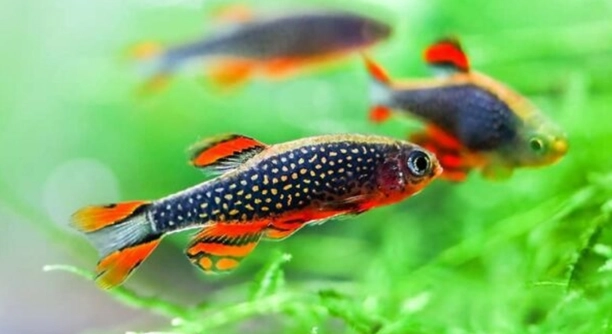
Are your danios swimming alone or seeming restless in their tank? Many aquarists find that adding peaceful dither fish can improve the overall harmony of their aquarium. These companions help create a calmer and more balanced environment for your danios.
The most suitable peaceful dither fish for danios include species such as harlequin rasboras, neon tetras, and cherry barbs. These fish exhibit non-aggressive behavior, swim in open areas, and encourage natural activity in danios without causing stress or competition.
Choosing the right companions can transform your aquarium into a lively yet peaceful space, benefiting both your danios and the overall tank ecosystem.
Harlequin Rasboras
Harlequin rasboras are a popular choice for danio tanks because of their peaceful nature and active swimming patterns. They have a striking reddish-orange body with a black triangular patch, which adds color without overwhelming the tank. These fish prefer to swim in schools, which encourages your danios to display natural, confident behavior. They are small and non-aggressive, so they do not compete for food or territory, making them ideal companions. Harlequin rasboras adapt well to similar water conditions as danios, thriving in temperatures between 72°F and 79°F with a pH of 6.0 to 7.5. Regular feeding of flake food, micro pellets, or frozen foods keeps them healthy and active. They are hardy, resilient fish that maintain their health easily, making maintenance straightforward. Overall, adding harlequin rasboras improves the visual appeal of the tank and contributes to a calm, cohesive aquatic environment that benefits all its inhabitants.
They are small, colorful, and swim confidently, helping danios feel more secure in the tank environment.
Harlequin rasboras thrive in planted tanks or open swimming areas. Keeping them in groups of six or more promotes natural schooling behavior. Their peaceful temperament ensures that they coexist with danios without stress or territorial disputes. Additionally, their activity level encourages danios to remain active, reducing signs of lethargy or anxiety. By maintaining proper water conditions and providing a balanced diet, harlequin rasboras stay healthy and vibrant, enhancing the overall harmony of your aquarium.
Neon Tetras
Neon tetras are known for their bright blue and red stripes, which add a vibrant accent to any danio tank.
These small fish are extremely peaceful and prefer to stay in schools of six or more. They coexist easily with danios and other non-aggressive species.
Neon tetras are adaptable to a variety of water conditions, making them low-maintenance companions. They enjoy densely planted areas but also swim freely in open spaces. Their schooling behavior encourages danios to swim more actively and reduces skittishness. Feeding is simple, as they accept flake food, small pellets, or frozen micro foods. These tetras are hardy and resilient, able to tolerate minor fluctuations in water parameters. Their vivid colors and peaceful temperament make them a valuable addition to any tank, improving both aesthetics and the behavioral environment for danios. Proper group size and care ensure they remain healthy and continue to positively influence the overall tank dynamic.
Cherry Barbs
Cherry barbs are peaceful, small fish that display a reddish hue, complementing danios without causing stress or aggression. They prefer to swim in small groups, which encourages a more active and lively tank environment.
Cherry barbs are adaptable to various water conditions, thriving in temperatures between 74°F and 79°F with a slightly acidic to neutral pH of 6.0 to 7.5. They are omnivorous, accepting flake food, pellets, and occasional live or frozen treats. Their calm temperament ensures they do not compete aggressively for food, making feeding times smooth and stress-free. Keeping them in groups of four or more promotes natural schooling behavior and reduces shy or anxious tendencies.
These barbs also enjoy planted tanks, using vegetation for shelter while swimming freely in open areas. Their presence encourages danios to explore more of the tank, creating a balanced and engaging aquatic environment. Proper care, diet, and group size keep cherry barbs healthy and vibrant, enhancing both the visual appeal and harmony of the aquarium.
White Cloud Mountain Minnows
White Cloud Mountain Minnows are small, hardy fish that add subtle color to a danio tank and thrive in cooler water temperatures up to 72°F.
They are non-aggressive, schooling fish that coexist easily with danios. Their small size and peaceful nature make them ideal companions for community tanks, and they exhibit active swimming patterns that stimulate danios to remain lively.
White Cloud Mountain Minnows adapt well to a wide range of water conditions, tolerating slightly acidic to neutral pH levels and moderate hardness. They are omnivorous, feeding on flakes, micro pellets, and small frozen or live foods. Keeping them in groups of six or more enhances their natural schooling behavior, creating movement and visual interest throughout the tank. Their calm temperament reduces stress for all tank inhabitants and encourages danios to engage in natural, active swimming. With proper care, these minnows remain healthy, resilient, and a harmonious addition to any community aquarium.
Corydoras Catfish
Corydoras catfish are bottom-dwelling, peaceful fish that help keep the tank clean by scavenging leftover food. They coexist well with danios, staying at the bottom while danios swim above. Their social nature makes them happiest in groups of four or more.
These catfish are hardy and adaptable, thriving in temperatures between 72°F and 78°F and a pH of 6.0 to 7.5. They prefer soft, sandy substrate to protect their delicate barbels. Feeding is simple, as they accept sinking pellets, flakes, and occasional live or frozen foods. Corydoras encourage a calm environment by reducing uneaten food and minimizing stress for mid- and top-dwelling fish. Their peaceful temperament ensures they do not compete for space or food with danios, creating a balanced tank dynamic.
Kuhli Loaches
Kuhli loaches are slender, eel-like fish that remain at the bottom of the tank, gently burrowing into soft substrate. They are shy yet peaceful, rarely disturbing danios or other active swimmers.
Otocinclus Catfish
Otocinclus catfish are small algae-eating fish that help maintain clean surfaces in the tank. They are gentle, non-aggressive, and thrive in planted tanks alongside danios.
Endler’s Livebearers
Endler’s livebearers are tiny, colorful fish that swim actively in open areas. Their peaceful behavior and compatibility with danios make them ideal companions. They adapt easily to a range of water conditions and enjoy being in small schools for natural social interaction.
FAQ
What is a dither fish and why are they important for danios?
A dither fish is a peaceful, active species that swims openly in the tank, encouraging shy fish like danios to be more confident. By displaying natural, active behavior, dither fish reduce stress and help danios maintain normal swimming and feeding habits, improving overall tank harmony.
Which dither fish are best suited for danios?
Species such as harlequin rasboras, neon tetras, cherry barbs, white cloud mountain minnows, corydoras catfish, kuhli loaches, and Endler’s livebearers are excellent choices. They are small, non-aggressive, and adapt to similar water parameters as danios, allowing all species to coexist peacefully without competition or stress.
How many dither fish should be added to a danio tank?
It is generally recommended to keep dither fish in small groups of at least four to six individuals. This encourages natural schooling and social behavior, which enhances the confidence and activity level of danios. Larger groups may provide more movement and reduce stress further.
Will dither fish compete for food with danios?
Most suitable dither fish are small and have different feeding patterns than danios, which reduces competition. They may eat similar flake or pellet foods, but feeding in multiple areas or at different levels ensures all fish receive adequate nutrition without stress or aggression.
Can dither fish survive in the same water conditions as danios?
Yes, the best dither fish are compatible with the water parameters preferred by danios, including temperatures around 72–79°F and a neutral to slightly acidic pH of 6.0–7.5. Ensuring stable water conditions supports both species and reduces the risk of illness or stress.
Do dither fish require special tank setups?
Most dither fish thrive in community tanks with open swimming areas and some planted sections for shelter. Substrate type may vary depending on species, such as sand for bottom dwellers like corydoras and kuhli loaches. A well-planted tank with moderate lighting allows for natural behavior.
Are dither fish easy to care for?
Yes, the recommended dither fish are generally hardy and low-maintenance. Regular feeding with flake, pellet, or frozen foods, combined with clean water and appropriate tank mates, is enough to keep them healthy. Their peaceful temperament and adaptability make them suitable even for beginner aquarists.
Will adding dither fish improve the behavior of danios?
Absolutely. Dither fish encourage danios to swim more actively and explore the tank, which reduces signs of stress such as hiding or lethargy. Active companions create a natural, dynamic environment, helping danios exhibit normal schooling and feeding behaviors consistently.
Can all peaceful fish be used as dither fish for danios?
Not all peaceful fish are suitable. Ideal dither fish should be small, non-aggressive, and socially active. Fish that are too large, territorial, or shy may either intimidate danios or fail to encourage the desired confident behavior in the tank.
How should I introduce dither fish to a danio tank?
Introduce new dither fish slowly by acclimating them to the tank water. Float the bag in the tank for 15–20 minutes, gradually mixing tank water in. Monitor interactions for the first few days to ensure all fish adjust well and maintain peaceful behavior.
Can dither fish improve the aesthetics of my aquarium?
Yes, their bright colors and schooling behavior add movement and visual interest throughout the tank. Species like neon tetras, harlequin rasboras, and Endler’s livebearers enhance the overall appearance while keeping the environment active and lively.
Are there any risks to keeping dither fish with danios?
Risks are minimal if the right species are chosen. Incompatible fish or overcrowding can cause stress or aggression. Maintaining proper water conditions, appropriate group sizes, and sufficient space ensures a safe and harmonious environment for all tank inhabitants.
How do I ensure long-term harmony in a tank with danios and dither fish?
Maintain stable water conditions, provide a balanced diet, and keep dither fish in recommended group sizes. Including plants, hiding spots, and open swimming areas supports natural behavior and reduces stress. Regular observation helps detect early signs of illness or conflict.
Can dither fish replace other forms of enrichment for danios?
They complement rather than replace other enrichment. Plants, decorations, and varying swimming areas combined with active, peaceful dither fish create a fully engaging environment that supports both mental and physical health for danios.
Do all dither fish get along with each other?
Generally, recommended dither species coexist well, especially in properly sized groups. Some species may prefer slightly different areas of the tank, which naturally reduces competition. Monitoring behavior ensures compatibility and prevents minor disputes from escalating.
This FAQ provides practical guidance on selecting, introducing, and caring for dither fish to enhance the well-being and natural behavior of danios. Proper choices and care create a harmonious, lively, and visually appealing aquarium.
Choosing the right companions for your danios can make a significant difference in the overall atmosphere of your tank. Peaceful dither fish such as harlequin rasboras, neon tetras, cherry barbs, white cloud mountain minnows, corydoras catfish, kuhli loaches, and Endler’s livebearers provide an active, calming presence. These fish are small, non-aggressive, and display natural swimming behavior that encourages danios to be more confident and active. By selecting species that are compatible with the water parameters preferred by danios, you create a harmonious environment that supports the health and well-being of all tank inhabitants. Observing how these companions interact can also be enjoyable, as their movement and colors add life and visual appeal to the aquarium.
Maintaining a peaceful and balanced tank requires attention to both the needs of danios and their dither companions. Group size is important, as most dither fish thrive in schools of at least four to six individuals. This encourages natural social behavior and reduces stress, not only for the dither fish themselves but also for the danios that rely on them to feel secure. Providing appropriate food for all species helps prevent competition and ensures that every fish receives proper nutrition. Additionally, incorporating plants, decorations, and open swimming areas allows for varied activity and shelter, which further contributes to a calm and stable environment. Proper care, including regular water changes and monitoring water parameters, supports long-term health and reduces the risk of illness or behavioral issues.
The presence of dither fish can transform the tank into a lively yet peaceful space, benefiting both the visual appeal and the overall ecosystem. Active, non-aggressive companions help danios display natural behavior, reduce anxiety, and remain energetic. Choosing hardy, adaptable species ensures that care remains manageable without adding unnecessary stress. Over time, a well-planned combination of danios and dither fish creates a balanced community where each species thrives. By observing and maintaining this balance, you promote a healthy, visually pleasing aquarium where all fish can coexist comfortably, allowing both the inhabitants and the aquarist to enjoy a stable and engaging aquatic environment.

Hello,
If you enjoy the content that we create, please consider saying a "Thank You!" by leaving a tip.
Every little bit helps us continue crafting quality advice that supports the health, happiness, and well-being of pets around the world, for pets of all shapes, sizes, and species.
We really appreciate the kindness and support that you show us!