
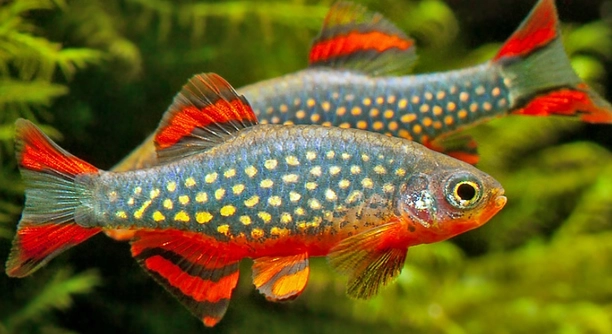
Danios are active and lively fish that bring energy to any freshwater tank. Observing their behavior can be both relaxing and informative, giving you insight into their natural habits and overall well-being. Watching them interact with each other is especially rewarding.
Healthy Danios display regular schooling, consistent swimming patterns, clear eyes, vibrant coloration, responsive feeding behavior, and curiosity toward their environment. These behaviors indicate good physical condition, proper nutrition, and low stress levels, reflecting the species’ natural instincts and social needs.
Recognizing these behaviors helps ensure your Danios remain healthy and happy in their environment. Proper observation can prevent potential health problems before they become serious.
Active Swimming
Danios are known for their energetic swimming habits. You will often notice them gliding through the tank with fluid, continuous motions, rarely staying still for long periods. They prefer moving in groups, which gives them a sense of security and helps maintain social bonds. Their movement is not just random; it reflects their health. Healthy Danios swim with coordination and appear balanced in the water, with no signs of lethargy or erratic motion. Observing their swimming patterns closely can reveal subtle changes in their behavior. For instance, a Danio that suddenly slows down or isolates itself may be stressed or unwell. Lighting, tank size, and water conditions all influence their swimming behavior. They respond naturally to changes in their environment, such as feeding times or new decorations, which encourages them to explore. Maintaining consistent water temperature and quality ensures they continue to swim actively and display natural patterns that indicate well-being.
Active swimming indicates strong health and proper energy levels in Danios. Regular movement shows they are well-fed and stress-free.
Consistent swimming is more than just exercise; it is a behavioral indicator. Observing these patterns daily helps spot early signs of illness. Danios that swim together and navigate obstacles efficiently reflect balanced nutrition and stable tank conditions. Their activity level is also influenced by environmental enrichment. Adding plants, rocks, or small hiding spots encourages natural exploration. Even minor changes in swimming speed or coordination can suggest water quality issues or dietary deficiencies. Watching how Danios interact while swimming can reveal social dynamics, such as dominance or hesitation. Ensuring enough space for movement prevents aggression and supports healthy growth. Observing swimming habits regularly creates a baseline, making it easier to notice abnormalities. These small daily observations provide insight into their health without invasive measures. By prioritizing active swimming, you promote mental stimulation and physical fitness. Healthy Danios remain lively, coordinated, and responsive to their surroundings, a clear sign of a well-maintained tank.
Schooling Behavior
Schooling is one of the most noticeable traits in Danios. They naturally group together, creating patterns that move in harmony. Observing their interactions can reveal their comfort level.
Proper schooling behavior reflects social stability and safety in the tank. It prevents stress and encourages natural instincts.
Danios instinctively form schools, which serves as protection and reinforces social bonds. A healthy school moves cohesively, turning and gliding in unison while maintaining personal space. Disruptions in schooling can indicate stress or illness, signaling that the tank environment may need adjustment. Providing adequate space and hiding spots allows them to establish preferred positions and reduces tension. Even subtle differences, like one fish lagging behind, can show early health issues. Regular observation of schooling patterns helps maintain a balanced social structure, minimizing aggressive interactions. Encouraging schooling through proper tank setup and group size promotes natural behaviors, supporting both physical and mental health. Watching a healthy school of Danios provides a clear reflection of well-being, as coordinated movement demonstrates both energy and security. Maintaining water quality, stable lighting, and consistent feeding routines further enhances this natural behavior, keeping the group active and cohesive over time.
Vibrant Coloration
Healthy Danios display bright and consistent colors across their bodies. Faded or dull colors can signal stress, poor diet, or illness. Vibrancy is more noticeable under proper lighting and clean water, reflecting overall well-being and balanced nutrition.
Proper diet directly impacts Danios’ coloration. Foods rich in carotenoids, such as brine shrimp and spirulina, enhance reds and golds naturally. Stress, overcrowding, or poor water quality can dull colors even in otherwise healthy fish. Consistent observation of color patterns can reveal subtle changes that might indicate underlying issues. For example, a fish that suddenly loses vibrancy may be reacting to water chemistry fluctuations or internal parasites. Maintaining a clean, stable tank with regular feeding routines ensures that Danios retain their natural hues.
Coloration also communicates health to other Danios. Brighter fish are often more active in schooling and interactions, while duller fish may isolate themselves. Monitoring color alongside behavior gives a fuller picture of physical condition. Sudden changes should prompt closer inspection of water parameters and diet adjustments. By supporting natural colors through consistent care, you reinforce both visual appeal and the fish’s overall health. Vibrancy is not just aesthetic; it reflects internal well-being and the effectiveness of your tank maintenance.
Clear Eyes
Clear eyes are a key indicator of healthy Danios. Cloudiness, swelling, or unusual shapes often indicate disease or poor water conditions, making eye clarity an important daily observation point.
Maintaining proper water quality and diet helps preserve clear eyes. Regular water changes, controlled feeding, and avoiding overcrowding prevent infections and stress-related eye issues.
Clear eyes allow Danios to navigate efficiently and respond to environmental stimuli. Cloudy eyes can reduce mobility and feeding effectiveness, signaling bacterial infections, parasites, or physical injury. Observing eye clarity alongside swimming and schooling behaviors provides insight into overall health. Proper lighting and tank maintenance reduce risks of eye problems, while a balanced diet with vitamins supports tissue health. Immediate attention to cloudiness or swelling prevents further complications and improves recovery chances. Eye clarity is an easy and reliable visual cue to monitor fish health consistently.
Responsive Feeding
Healthy Danios react quickly during feeding times. They swim eagerly toward food and compete gently with tank mates, showing energy and interest in their diet.
Slow or disinterested feeding may indicate stress, illness, or poor water quality. Quick, coordinated responses suggest a well-fed and active fish population.
Social Interaction
Danios are naturally social and interact with other fish through schooling, gentle chasing, and synchronized swimming. Healthy individuals engage regularly without excessive aggression. Observing these interactions helps identify dominant or stressed fish. Social activity reflects comfort in the environment and overall mental and physical well-being, highlighting the importance of proper group sizes and tank setup.
Curiosity
Curiosity is a sign of healthy Danios. They explore decorations, investigate movements outside the tank, and respond to changes in their surroundings with alertness and interest.
How often should I feed my Danios?
Feeding should be done once or twice daily, offering only what they can consume in a few minutes. Overfeeding can pollute the tank and lead to health problems. A varied diet including flakes, frozen foods, and occasional live treats ensures proper nutrition and maintains vibrant colors.
What water conditions are best for Danios?
Danios thrive in clean, well-oxygenated water with a temperature between 72–78°F and a pH around 6.5–7.5. Regular water changes, ideally 25% weekly, prevent toxin buildup and stress. Proper filtration and avoiding overcrowding support stable water quality and reduce the risk of disease.
Why do Danios school together?
Schooling is a natural behavior that provides safety and social interaction. Healthy Danios form cohesive groups that move in harmony. Disrupted schooling or isolated individuals may indicate stress, illness, or unsuitable tank conditions, making group observation essential for monitoring overall health.
What does it mean if a Danio stops swimming actively?
Lethargy can signal illness, poor water quality, or dietary deficiencies. Sudden inactivity should prompt checking water parameters, tank temperature, and diet. Observing other behaviors, like feeding response and eye clarity, can help identify the cause early and prevent further health decline.
How can I tell if my Danio is stressed?
Signs of stress include faded colors, erratic swimming, hiding, or lack of appetite. Stress often results from overcrowding, sudden environmental changes, or aggressive tank mates. Maintaining consistent lighting, water quality, and a calm environment minimizes stress and supports normal behavior.
Do Danios need plants or decorations?
Yes, plants and decorations provide hiding spots and mental stimulation. Healthy Danios explore these areas actively, showing curiosity. Decorations also encourage natural behaviors like swimming through structures and interacting socially, which improves both physical and mental well-being.
Why is my Danio’s color fading?
Dull coloration often reflects stress, poor diet, or illness. Bright, vibrant colors indicate good health. Feeding foods rich in carotenoids and maintaining clean water helps restore natural hues. Sudden changes in color should be addressed immediately to prevent long-term health issues.
Can Danios live alone?
Danios are social fish and do best in groups of at least five. Alone, they may become stressed, less active, and exhibit abnormal behaviors. Maintaining a school encourages natural swimming patterns, proper feeding behavior, and social interaction, promoting overall health and happiness.
How do I know if my Danios are happy?
Signs of happiness include active swimming, consistent schooling, vibrant colors, clear eyes, curiosity, and responsive feeding. Monitoring these behaviors daily gives insight into their well-being and allows for quick adjustments if anything seems off. A balanced environment supports both physical and mental health.
What should I do if a Danio shows signs of illness?
Immediate steps include checking water quality, isolating the affected fish if possible, and observing for symptoms like lethargy, fin damage, or cloudy eyes. Consulting reliable resources or a veterinarian experienced with fish can help determine proper treatment and prevent disease spread in the tank.
Can Danios coexist with other fish?
Yes, they are generally peaceful and compatible with similar-sized community fish. Avoid aggressive or much larger species that may stress or harm them. Proper tank size, hiding spots, and monitoring social interactions ensure that Danios thrive alongside compatible tank mates without conflict.
How long do Danios typically live?
With proper care, Danios live around three to five years, sometimes longer. Consistent feeding, clean water, and a stress-free environment contribute to longevity. Regular observation of behavior, coloration, and appetite helps maintain health and can extend their lifespan significantly.
Danios are active, social, and curious fish that bring life to any freshwater tank. Observing their natural behaviors is one of the most rewarding aspects of keeping them. Active swimming, schooling, clear eyes, vibrant colors, and responsive feeding are all signs of good health. Each behavior reflects their physical condition, social comfort, and the quality of their environment. When Danios swim energetically, interact well with their group, and explore their surroundings, it indicates that they feel safe and well-cared-for. Paying attention to these small details can help prevent health problems before they become serious. Even minor changes in movement, schooling, or color can be early warnings that something in the tank needs attention, such as water quality, diet, or tank setup. A tank that supports natural behaviors allows Danios to thrive, both physically and mentally.
Maintaining a healthy environment is essential for Danios’ well-being. Regular water changes, proper filtration, and stable temperature help prevent stress and disease. A balanced diet with varied nutrition keeps them energetic and vibrant. Decorations and plants provide hiding spots and opportunities for exploration, supporting their curiosity and natural instincts. Proper lighting also plays a role in their health, helping maintain color and encouraging regular activity. Observing your Danios daily can reveal subtle shifts in behavior, which is an important part of responsible care. Group size is another key factor, as Danios are social fish and thrive in schools. Ensuring they have companions helps reduce stress and promotes natural swimming and interaction. A tank that encourages these behaviors leads to happier, more active fish.
Understanding and supporting Danios’ natural behaviors benefits both the fish and the keeper. By watching their movement, feeding responses, schooling habits, and interactions, you can learn a lot about their health and comfort. Being aware of their needs, such as space, diet, and environmental enrichment, allows you to make adjustments that prevent problems and improve overall care. Healthy Danios not only look vibrant but also display energy, curiosity, and social behaviors that are satisfying to observe. Regular attention to water quality, tank conditions, and group dynamics helps maintain these behaviors consistently. Over time, following these practices makes it easier to notice unusual changes, respond promptly, and provide a stable environment where Danios can live full, active lives. Observing them and understanding their habits is a rewarding part of keeping fish, helping to ensure they remain healthy and well-adjusted in their aquatic home.

Hello,
If you enjoy the content that we create, please consider saying a "Thank You!" by leaving a tip.
Every little bit helps us continue crafting quality advice that supports the health, happiness, and well-being of pets around the world, for pets of all shapes, sizes, and species.
We really appreciate the kindness and support that you show us!