
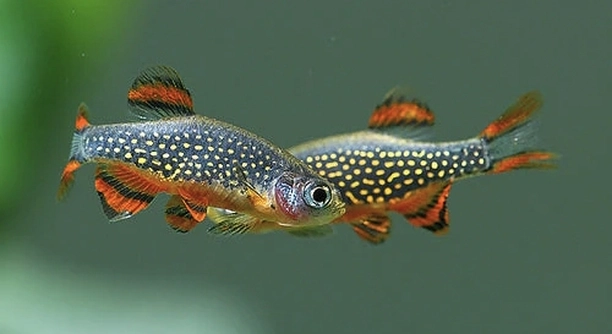
Heavily planted aquariums create a calming and natural environment for danios. Watching these active fish navigate lush greenery can make your tank feel more vibrant and alive every day. Plants bring a soft, peaceful touch.
A heavily planted danio setup promotes health, natural behavior, and environmental stability. Dense vegetation improves water quality, reduces stress, provides hiding spaces, encourages natural schooling, and supports breeding, creating a balanced and thriving aquatic ecosystem for these active fish species.
Maintaining a planted tank can be simple, and the benefits extend beyond aesthetics. The combination of plants and fish creates a lively, healthy, and engaging aquarium environment.
Improved Water Quality
A heavily planted danio tank naturally filters water by absorbing nitrates, phosphates, and other waste products. Plants act like tiny living filters, helping to maintain cleaner water for longer periods. This reduces the need for frequent water changes and keeps the fish healthier. By using a variety of fast-growing plants, you can enhance this effect. Plants also stabilize pH levels, creating a more consistent environment. Healthy plants compete with algae for nutrients, preventing excessive growth. The roots provide surfaces for beneficial bacteria to colonize, further supporting the nitrogen cycle. A dense plant arrangement slows water currents, allowing debris to settle and making the tank easier to clean. Over time, a planted tank becomes a low-maintenance ecosystem where natural processes handle much of the work. Danios are sensitive to water quality, so keeping conditions stable directly impacts their activity and overall well-being. Choosing resilient plants ensures that the tank remains visually appealing while performing these functions effectively.
Dense planting reduces algae growth and improves overall water clarity, benefiting both fish and plants.
The combination of absorption, bacteria support, and slowed water movement creates a stable, balanced aquatic environment. Fish show less stress, swim more actively, and thrive in a cleaner habitat. Plant selection and proper lighting enhance filtration, ensuring the tank remains healthy and attractive.
Stress Reduction and Natural Behavior
Dense plants give danios hiding spots and boundaries, reducing stress in a confined tank space.
Providing thick vegetation allows fish to display natural behaviors like schooling, exploring, and foraging. The shelter of plants makes shy fish feel secure while promoting confidence in more active individuals. Stress reduction improves immunity, feeding response, and overall lifespan. Danios can dart through plants, mimicking natural habitats, which encourages exercise and mental stimulation. Overcrowding or sparse tanks often lead to aggression or lethargy, but plants help distribute activity evenly. Multiple plant types offer varied textures and heights, supporting different swimming patterns. Floating plants create shaded areas, softening light and providing a sense of security. Even small species benefit from vertical cover, hiding from sudden movements or perceived threats. Watching danios interact naturally among the greenery highlights their unique personalities. Regular trimming and rearranging plants keeps the layout dynamic, offering new experiences for the fish. Incorporating live plants ultimately transforms a basic tank into a richer, healthier, and more interesting habitat for danios to thrive.
Enhanced Breeding Success
Heavily planted tanks give danios safe spaces to lay eggs and protect fry. Plants reduce stress and provide surfaces for eggs to stick, increasing survival rates. Dense foliage mimics natural habitats, making breeding more likely and supporting healthy fry development.
Providing fine-leaved plants like Java moss or hornwort creates ideal egg-laying sites. These plants give adults security while keeping eggs hidden from aggressive tank mates. Fry can find shelter among stems and leaves, which reduces predation and improves growth. A mix of floating and rooted plants helps distribute light and oxygen evenly, creating a stable environment for eggs and young fish. Observing successful breeding in a planted tank highlights how natural conditions improve fish reproduction, making the process more rewarding and sustainable. Plants essentially replace artificial breeding tools by giving the fish a natural environment for raising their young.
Dense plant coverage encourages natural behaviors, reduces aggression, and increases the chances that eggs will survive and fry will thrive. By replicating conditions from rivers and streams, danios feel safer and more confident to reproduce.
Oxygenation and Circulation Benefits
Plants produce oxygen during photosynthesis, improving water quality and supporting healthy fish activity. Well-oxygenated water keeps danios energetic and reduces harmful chemical buildup. Proper circulation ensures nutrients reach all areas of the tank.
Healthy plants act as natural aerators, releasing oxygen throughout the day while using carbon dioxide at night. The movement of water through leaves improves circulation, preventing stagnant zones where waste can accumulate. Floating plants allow light penetration while supporting oxygen exchange at the surface. Rooted plants stabilize substrate, preventing detritus buildup and promoting bacterial growth that further aids water quality. Well-oxygenated tanks improve digestion, activity, and overall health for danios. The combination of plants and water movement creates an environment where fish can thrive naturally.
Proper oxygenation supports fish metabolism, reduces stress, and maintains overall tank balance. Danios in planted tanks swim actively, display natural schooling patterns, and are less prone to disease, demonstrating the importance of plants for circulation and water health.
Natural Hiding Spots
Plants give danios places to hide, reducing stress and aggression. Dense foliage creates security, letting fish rest or escape when needed, which supports overall health.
Even small plants or moss can break sightlines, preventing dominant fish from targeting others. Hiding spots encourage peaceful interactions and balanced tank dynamics.
Encourages Active Swimming
Open spaces between plants allow danios to swim freely, promoting exercise and natural behavior. A mix of tall and short plants creates varied pathways, stimulating movement and exploration.
Providing vertical and horizontal plant arrangements ensures fish can dart, turn, and weave naturally. Active swimming improves muscle tone, circulation, and mental stimulation. It also prevents boredom and reduces destructive behavior. Danios in such setups display lively patterns, schooling confidently through the greenery. Proper plant density ensures swimming space is maintained while still offering shelter, balancing safety with activity. This combination mimics natural habitats and supports long-term health and vitality.
Algae Control
Live plants compete with algae for nutrients, helping keep tanks cleaner naturally. Regular planting reduces the likelihood of excessive algae growth.
FAQ
What types of plants are best for a danio tank?
Danios do well with hardy plants that can tolerate movement and occasional nibbling. Java fern, hornwort, anubias, and Java moss are excellent choices. Fast-growing stem plants like water wisteria and cabomba provide extra coverage and filtration benefits. Floating plants like duckweed or frogbit offer shade and reduce light intensity. Mixing rooted and floating plants ensures a balanced environment where danios can explore while still having hiding spaces. Choosing resilient plants reduces maintenance while supporting healthy water conditions and encouraging natural fish behavior.
How many plants should I put in my tank?
A heavily planted setup should cover about 50-70% of the tank, leaving open swimming areas. Too few plants limit hiding spots and stress relief, while too many can restrict swimming and circulation. A mix of tall background plants, medium midground, and low foreground creates depth and variety. Floating plants add another layer for shade. Arranging plants in clusters with gaps allows danios to dart and school naturally. Monitoring growth and trimming regularly keeps the balance right, preventing overcrowding while maintaining plenty of cover.
Do planted tanks reduce water maintenance?
Yes, plants naturally absorb nitrates, phosphates, and other waste compounds, improving water quality. This reduces the frequency of water changes and keeps conditions stable. Roots support beneficial bacteria that break down harmful compounds. Fast-growing plants act as nutrient sinks, competing with algae and limiting its growth. However, some maintenance is still necessary, including occasional pruning, debris removal, and monitoring water parameters. The planted environment helps maintain a more stable and healthy tank, but it is not a complete replacement for regular upkeep.
Can danios harm plants?
Danios are generally peaceful but active swimmers. They may occasionally nibble on soft or delicate plants, especially if the plant is weak or newly introduced. Choosing hardy species with tough leaves reduces damage. Providing plenty of cover and a well-planted layout distracts fish from nibbling excessively. Over time, plants will adjust, and trimming damaged leaves ensures continued growth. Observing the fish’s behavior helps identify which plants are most resilient in your specific setup, making it easier to maintain a thriving planted environment.
Will plants help my danios feel less stressed?
Yes, plants create hiding spots and visual barriers, which reduce stress and aggression. Danios can rest in shaded areas or dart between plants to escape dominant fish. Stress reduction improves immunity, feeding response, and overall activity levels. Well-planted tanks mimic natural habitats, making fish more confident and lively. The combination of cover, open swimming paths, and varied plant textures ensures the tank feels secure yet stimulating, directly supporting the fish’s physical and mental well-being.
Do plants affect breeding success?
Absolutely. Plants provide surfaces for egg-laying and protect fry from predation. Fine-leaved plants like Java moss or hornwort are ideal. Adults feel secure in dense foliage, increasing the likelihood of spawning. Fry can hide among plants, improving survival rates. Maintaining varied plant heights and densities creates optimal conditions for both adults and young fish. A planted tank often leads to more frequent and successful breeding compared to sparse setups, as the environment feels natural and safe.
How should I care for a heavily planted danio tank?
Routine care includes trimming plants, removing dead leaves, and monitoring water parameters. Adding liquid fertilizers or root tabs may help slow-growing species. Check for algae growth and adjust lighting as needed. Ensure adequate CO2 levels if using high-demand plants. Regular observation of fish behavior helps spot stress or disease early. Balancing plant density and open swimming areas keeps the tank functional and attractive. With consistent care, a heavily planted danio setup remains healthy, visually pleasing, and beneficial for fish behavior and water quality.
Can plants help with algae problems?
Yes, healthy plants compete with algae for nutrients, limiting its growth. Fast-growing species consume excess nitrates and phosphates that algae would otherwise use. Floating plants reduce light penetration, further controlling algae. However, some algae is normal and can even be a food source for certain fish. Maintaining plant health, trimming regularly, and avoiding overfeeding fish are key strategies. Plants naturally keep algae in check, but occasional manual cleaning or algae scrubbing may still be necessary for long-term balance.
Are live plants better than artificial plants?
Live plants provide oxygen, absorb waste, and support natural behaviors. Artificial plants only offer hiding spaces and aesthetic appeal. While artificial plants are low-maintenance, they cannot filter water or compete with algae. Live plants improve overall tank stability, fish health, and breeding success. Using a combination can work, but relying on live plants maximizes the benefits of a heavily planted danio setup.
How much light do planted tanks need?
Most hardy plants need moderate light for 8-10 hours daily. Too little light slows growth, while too much promotes algae. Adjustable timers help maintain consistency. Floating and shaded plants can reduce intensity in certain areas, balancing light distribution. Observing plant health and adjusting accordingly ensures a thriving, balanced environment for both plants and danios.
Final Thoughts
A heavily planted danio tank offers far more than just visual appeal. The combination of plants and fish creates a balanced ecosystem where natural processes work together. Plants absorb excess nutrients, improve water quality, and provide oxygen, which directly benefits the fish. Danios are active swimmers, and having plants arranged thoughtfully ensures they have both open swimming areas and secure hiding spots. This balance encourages natural behavior, reduces stress, and keeps fish healthy over the long term. A tank with a mix of tall, medium, and low plants, along with some floating species, provides variety in both coverage and light distribution, creating a more engaging environment for the fish. Maintaining such a setup may require some attention, including trimming, cleaning, and monitoring water parameters, but the benefits make the effort worthwhile. Over time, the planted tank becomes self-sustaining, with plants and beneficial bacteria helping to maintain stability and reduce maintenance needs.
Dense planting also improves the overall well-being of the fish. Danios feel more secure when they have places to hide and explore. Shy individuals can retreat among plants, while more active fish enjoy open spaces for swimming and schooling. This reduces aggressive encounters and promotes a more peaceful tank environment. Additionally, planted tanks support breeding by providing surfaces for eggs and shelter for fry, which increases survival rates. Observing fish in a lush, natural setup allows you to see their true behavior and personalities. You may notice fish darting through stems, exploring new spaces, or resting in shaded areas—actions that indicate comfort and security. The more natural the environment feels to the fish, the healthier and more active they tend to be. A heavily planted setup essentially recreates aspects of their natural habitat, which is particularly important for maintaining long-term health and vitality.
Finally, a planted danio tank is visually rewarding and satisfying to care for. Watching fish interact with plants, glide through open areas, and explore hiding spots creates a dynamic and lively aquarium. Plants themselves grow, change, and sometimes need pruning, adding an ongoing element of involvement and interest. The benefits extend beyond aesthetics—water quality is improved, algae is naturally controlled, fish are less stressed, and overall tank stability is enhanced. Investing in a heavily planted setup fosters a healthier, more natural environment for danios and encourages responsible and attentive aquarium care. The result is a thriving, vibrant aquatic space that is both enjoyable to watch and easier to maintain, making the effort of planting and upkeep truly worthwhile.

Hello,
If you enjoy the content that we create, please consider saying a "Thank You!" by leaving a tip.
Every little bit helps us continue crafting quality advice that supports the health, happiness, and well-being of pets around the world, for pets of all shapes, sizes, and species.
We really appreciate the kindness and support that you show us!