
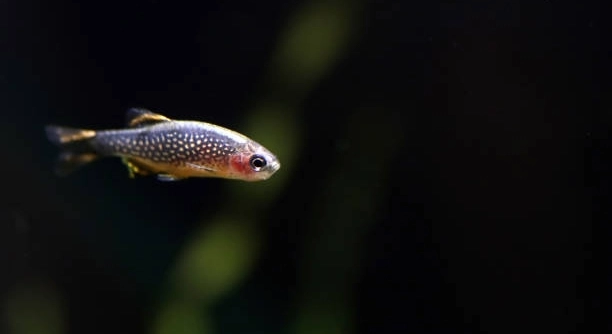
Danios are small, active fish that often bring energy to a community tank. Watching them swim around can be relaxing, but sometimes these lively fish develop a habit of nipping at each other or other tank mates.
Danio nipping typically occurs due to environmental stress, overcrowding, insufficient hiding spaces, or incompatible tank mates. Nutritional deficiencies, sudden changes in water parameters, and natural territorial behaviors also contribute to this aggressive activity in captivity.
Learning about these causes can help maintain a peaceful aquarium. Recognizing the signs early ensures your danios remain healthy and happy in their aquatic environment.
Overcrowded Tanks
Keeping too many danios in one tank can lead to stress and constant chasing. When the space is limited, they compete for territory and swimming room, which often results in nipping. Even active, peaceful danios can become aggressive under crowded conditions. Overcrowding reduces hiding spots and creates tension, making minor irritations escalate quickly. Tank size should always match the number of fish. A small tank with multiple danios increases the chance of injury, disease, and stress-related behaviors. Ensuring enough space promotes healthy swimming patterns and reduces conflicts. Decorations and plants help, but they cannot fully replace adequate tank volume.
Proper stocking is essential for a calm aquarium environment. Overcrowding is a primary reason for aggression among danios.
When planning your aquarium, calculate the recommended space per danio. For every inch of fish, aim for a gallon of water at minimum. Include plants, rocks, and decorations that offer visual barriers. Observing the tank daily helps catch early signs of nipping before it becomes serious, ensuring the fish remain healthy and active without unnecessary stress.
Incompatible Tank Mates
Some species do not get along with danios. Aggressive or slow-moving fish can provoke nipping.
Introducing new fish requires research. Danios prefer other active, non-aggressive species. Slow or long-finned fish can become targets. Compatibility prevents stress and minimizes biting incidents. Proper planning keeps your aquarium peaceful.
Tank mates play a big role in the social behavior of danios. Aggressive species may attack them, while overly timid fish may provoke frustration and chasing. Observing natural behaviors is key; danios thrive with other fast, schooling fish like tetras or rasboras. Avoid mixing them with fin-nipping or slow-moving fish, as this imbalance increases stress and promotes nipping. Adjusting the community ensures all species have space to swim and hide, which reduces tension and prevents injury. Planning the combination of species carefully can create a harmonious environment where danios remain active and healthy.
Poor Diet
A lack of proper nutrients can make danios irritable. Without a balanced diet, they may bite fins or nip at other fish more often.
Feeding only flakes or low-quality food can cause deficiencies, affecting their energy and behavior. Danios need variety, including pellets, frozen foods, and occasional live treats. Protein-rich foods help maintain their strength and reduce aggression caused by hunger. Skipping meals or overfeeding can also lead to stress and digestive issues, which indirectly increases nipping incidents. Observing how your fish respond to different foods can help you fine-tune their diet for calmer interactions. A balanced diet supports both health and temperament.
Monitoring feeding habits is essential to prevent behavioral problems. Adjust portions and provide a mix of nutrients to keep danios energetic but less aggressive. Feeding small amounts several times a day works best.
Lack of Hiding Spots
Danios feel exposed without proper shelters. Limited hiding places increase stress and chasing behavior.
Providing plants, rocks, and decorations gives them places to retreat. Stress from an open environment triggers nipping as fish compete for space. Live plants or artificial caves reduce tension, helping them feel secure. Positioning hiding spots at different levels of the tank allows fish to escape or rest when needed, which minimizes aggression and injuries. Observation is key; even minor adjustments in decor can significantly calm the group.
A well-structured tank encourages natural behavior and reduces confrontations. Fish will swim confidently, knowing they have safe spots. Consistently reassessing the environment ensures all danios have access to these retreats, maintaining peace.
Sudden Water Changes
Danios are sensitive to abrupt shifts in water conditions. Rapid changes in temperature, pH, or hardness can stress them, triggering nipping behavior.
Maintaining stable water parameters is crucial. Gradual adjustments and routine monitoring help fish adapt without aggression or illness.
Territorial Behavior
Even small danios may defend specific areas in the tank. This territorial instinct can lead to chasing and nipping, especially when space is limited.
Observing their interactions helps identify which fish are more dominant. Rearranging decorations or adding extra plants can reduce territorial conflicts and keep the group calmer.
Overcrowded Feeding
Too many fish eating at once can cause competition. Rapid movements and jostling during meals often result in nipping.
Feeding smaller portions across multiple spots allows all fish to eat without confrontation. Spacing out food minimizes stress and prevents aggressive behavior during feeding times.
FAQ
Why do my danios nip each other?
Danios nip mainly due to stress, lack of space, or competition. Overcrowded tanks, poor nutrition, and sudden changes in water conditions make them more prone to chasing and biting. Territorial instincts also play a role, especially when hiding spots are limited.
Can diet affect nipping behavior?
Yes, diet has a strong impact. A lack of protein or essential nutrients can make danios irritable and more likely to nip. Feeding a balanced mix of flakes, pellets, frozen, or live foods keeps them healthy and calmer. Overfeeding or inconsistent feeding schedules may also trigger aggression.
How do I prevent nipping in a community tank?
Proper tank size and compatible tank mates are key. Avoid overcrowding and choose other active, non-aggressive species. Add decorations, plants, and hiding spots to reduce stress. Feeding in multiple locations and monitoring fish behavior helps maintain peace.
Does water quality influence aggression?
Absolutely. Sudden changes in pH, temperature, or water hardness stress fish and increase nipping incidents. Regular testing, slow water changes, and maintaining stable conditions are crucial. Consistent care creates a calmer environment and lowers aggression.
Are some danios more aggressive than others?
Yes, individual temperament varies. Some danios naturally assert dominance while others are timid. Observing the tank allows identification of overly aggressive fish. Rearranging decor or separating persistent nippers can reduce conflict and balance social interactions.
Do hiding spots really help?
Hiding spots significantly reduce stress. Plants, caves, or decorations allow danios to retreat and escape harassment. Multiple shelters prevent competition for space, giving fish a sense of security and reducing nipping. Placement at different levels encourages natural swimming and resting behavior.
Is overcrowding the main cause of nipping?
Overcrowding is one of the most common triggers. Too many fish in a small tank limit swimming space and increase stress, resulting in chasing and nipping. Ensuring proper stocking density and giving each fish room to swim calmly minimizes conflicts.
Can nipping harm my fish?
Yes, repeated nipping can injure fins and stress fish, making them more susceptible to illness. Quick attention to causes like diet, water quality, or tank setup helps prevent serious harm and keeps the aquarium environment safe for all inhabitants.
How often should I feed danios to reduce aggression?
Small, frequent feedings work best. Splitting food into several portions per day prevents competition and keeps fish satisfied. Observing eating behavior ensures all fish get enough without overfeeding, which can lead to stress or water quality issues.
Does rearranging tank decorations help with nipping?
Yes, changing the layout can reduce territorial disputes. Rearranging plants, rocks, or other decorations breaks up established territories, giving fish new routes to swim and escape. This simple adjustment often decreases chasing and promotes calmer interactions among danios.
Can compatible tank mates reduce nipping?
Choosing compatible, fast-moving, and non-aggressive fish helps. Danios do best with other schooling species that match their activity level. Avoid slow or long-finned fish that may provoke chasing. Proper selection ensures a balanced social environment and lowers aggression.
How long does it take for danios to stop nipping once changes are made?
It depends on the severity of stress and the adjustments implemented. Small environmental changes can show results in a few days, while more significant factors, like overcrowding or chronic aggression, may take several weeks for behavior to stabilize. Consistent care is essential.
Can I separate aggressive danios permanently?
Yes, separating persistently aggressive individuals prevents injury to others. Using a divided tank or another aquarium allows the dominant fish to remain healthy without causing ongoing stress. Observation and intervention are key to maintaining a peaceful community.
Does temperature play a role in nipping?
Temperature impacts metabolism and behavior. Sudden shifts or water that is too warm or cold can increase stress and irritability, triggering nipping. Maintaining a stable, appropriate temperature for danios reduces aggression and promotes calm swimming.
Are there signs before nipping starts?
Yes, chasing, tail flicking, and darting around other fish are early indicators. Recognizing these behaviors allows preventive action, such as adding hiding spots, adjusting stocking, or checking water quality, to stop nipping before injuries occur.
Is it normal for danios to nip occasionally?
Some light nipping is natural, especially during schooling or establishing hierarchy. However, persistent biting, fin damage, or stressed fish indicates an underlying issue that needs correction. Regular observation ensures minor nipping doesn’t escalate into harmful aggression.
Can tank size alone stop nipping?
Tank size is important but not the only factor. Adequate space reduces stress, but diet, hiding spots, compatible tank mates, and stable water conditions also play major roles. A combination of these factors creates a peaceful aquarium.
Does adding more fish help reduce nipping?
Sometimes, adding more of the same species disperses aggression within the group. However, overcrowding can worsen the problem if the tank is too small. Balance is key: enough fish to diffuse tension without causing stress from limited space.
Can changing food type reduce aggression?
Yes, providing higher-protein or more varied foods can calm danios. Nutritionally complete diets prevent irritability caused by deficiencies. Rotating between flakes, pellets, and occasional frozen or live treats keeps them healthy and less likely to bite each other.
Should I intervene if nipping starts?
Intervention is often necessary when nipping becomes aggressive or injurious. Adjust tank conditions, provide hiding spots, and observe interactions closely. Persistent aggressive fish may need separation to protect others, ensuring all fish remain healthy and stress-free.
Danios are lively, active fish that bring energy and movement to any aquarium. Their playful swimming and schooling behavior make them enjoyable to watch, but it is important to understand that their social interactions can sometimes lead to nipping. Nipping is not always a sign of illness or a problem with the fish themselves; often it is a response to environmental factors, stress, or competition within the tank. Recognizing what causes this behavior is key to maintaining a healthy and peaceful aquarium. When nipping occurs, it usually signals that some aspect of their habitat or care needs attention. Whether it is overcrowding, a poor diet, lack of hiding spots, or incompatible tank mates, there are practical steps you can take to minimize these aggressive behaviors and ensure your fish remain healthy and calm.
Maintaining a stable and suitable environment is one of the most effective ways to prevent nipping. Tank size, water quality, temperature, and proper filtration all contribute to a comfortable living space. Overcrowded or small tanks increase stress and competition, often causing fish to chase and nip one another. Providing hiding spots and decorations creates safe spaces where danios can rest or escape from more dominant individuals. Feeding routines also matter: consistent meals and a balanced diet help reduce irritability and maintain energy levels. Additionally, careful selection of tank mates can prevent conflicts, as some species may provoke or be provoked by danios. Monitoring their behavior regularly allows you to catch early signs of stress or aggression and make adjustments before serious problems develop. By paying attention to these details, you can create an environment where nipping is rare, and fish can interact naturally without harm.
Understanding danios and their behavior takes patience and observation. Minor nipping is a normal part of their social structure, but persistent or severe aggression indicates that changes are needed in the tank setup or care routine. Adjusting water parameters, adding more space, offering hiding spots, and ensuring a proper diet are all manageable steps that greatly reduce the likelihood of nipping. It is important to remember that each aquarium and group of danios may have slightly different dynamics, so ongoing observation and small adjustments are necessary. When the causes of nipping are addressed, danios are more likely to display their natural, peaceful behavior, swimming together and interacting without stress. A well-maintained environment benefits not only the danios themselves but also the overall health and balance of the entire aquarium. With proper care, attention, and understanding, nipping can be minimized, and the tank can remain a calm, thriving space for all its inhabitants.

Hello,
If you enjoy the content that we create, please consider saying a "Thank You!" by leaving a tip.
Every little bit helps us continue crafting quality advice that supports the health, happiness, and well-being of pets around the world, for pets of all shapes, sizes, and species.
We really appreciate the kindness and support that you show us!