
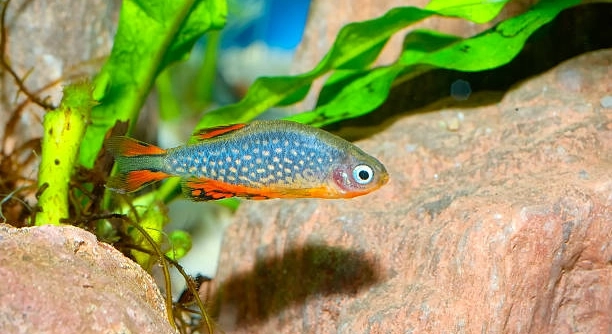
Have you ever noticed your danios swimming in awkward patterns or avoiding each other in the tank? These small, active fish are usually social, yet sometimes conflicts can arise that disrupt their harmony and routine.
Danios not getting along often exhibit aggressive chasing, fin nipping, or territorial behavior. Stress, overcrowding, and incompatible personalities are primary factors. Observing interactions carefully helps identify tension early, allowing for corrective measures to maintain a healthy, balanced aquarium environment.
Keeping an eye on these behaviors ensures your danios remain healthy and reduces stress in the tank for all the fish.
Chasing and Aggression
When danios are not getting along, one of the first signs is aggressive chasing. You might notice one fish constantly pursuing another, darting quickly through the tank. This behavior is more than playful swimming—it can cause real stress and even injury. Over time, continuous chasing can lead to torn fins, reduced appetite, and weaker immune systems. Aggression often occurs when the tank is overcrowded, leaving insufficient space for each fish. Sometimes, it’s due to incompatible personalities, as certain danios are naturally more dominant. Ensuring enough hiding spots, plants, and decorations can give stressed fish places to escape. Watching how each fish reacts during feeding and general swimming helps spot patterns of harassment early. Interventions such as separating the most aggressive fish or rearranging the tank layout can reduce tension. Recognizing these signs quickly is crucial to keeping your tank peaceful and maintaining the health of all your danios.
Aggressive chasing can escalate quickly, affecting both physical and mental health of your fish, so early observation is essential.
Monitoring their movements closely can prevent serious injuries and help maintain a calmer, safer environment for all tank inhabitants.
Fin Nipping and Damage
Fin nipping happens when danios bite at each other’s fins, causing frayed or missing edges.
Fin nipping is often a result of stress, boredom, or competition for space and food.
When fins are nipped repeatedly, the damage may lead to infections, which can affect overall health. It’s important to assess tank conditions, including water quality, population density, and hiding spots, to reduce stress-related aggression. Observing interactions during feeding can reveal which fish are the aggressors and which are victims. Adding plants, rocks, or other decorations can give fish areas to retreat and reduce direct confrontation. Sometimes, adjusting the ratio of males to females or separating overly aggressive fish helps restore balance. Healthy water parameters and a nutritious diet also support healing and reduce irritability. By keeping an eye on fin condition and behavior, you can prevent minor nipping from turning into serious injuries or infections that threaten the wellbeing of your danios.
Hiding and Avoidance
When danios are constantly hiding, it is a clear sign of tension in the tank. A fish that avoids others or stays behind decorations may be stressed or intimidated.
Prolonged hiding can indicate that the fish feels threatened by tankmates. If one or more danios dominate swimming space or aggressively chase others, the less assertive fish may retreat to corners or behind plants for safety. This behavior affects feeding, as hidden fish might not get enough to eat, weakening their health. Creating more hiding spots and rearranging the tank layout can help reduce stress. Keeping a balanced group with compatible personalities ensures everyone has space to swim without constant pressure from more aggressive individuals. Monitoring how often fish hide and noting triggers allows timely intervention before stress impacts health further.
Hiding behavior also disrupts natural social interactions, making it difficult for fish to maintain normal routines, exercise, and feed properly.
Uneven Swimming Patterns
Danios swimming in erratic or unusual patterns often signal social tension or health issues.
Fish may swim alone, dart nervously, or avoid certain areas. These uneven patterns can result from stress caused by aggressive tankmates or poor tank conditions. Sometimes the issue stems from water quality, temperature fluctuations, or overcrowding. Observing when and where these behaviors occur helps identify the root causes. In some cases, introducing new decorations or adjusting tank layout encourages more natural movement. Regular monitoring ensures that fish remain active without excessive stress.
Erratic swimming can also point to early signs of illness or injury, so closely tracking behavior helps catch problems early. Adjusting social groups or environmental factors often restores calmer, more natural swimming patterns among all danios.
Loss of Appetite
A danio that stops eating may be stressed by tankmates or environmental changes. Reduced feeding often signals tension or discomfort.
Loss of appetite can lead to weakened immunity, making the fish more prone to disease. Observing feeding behavior helps identify which fish are affected.
Color Fading
Danios that lose their vibrant color may be experiencing prolonged stress or bullying. Stress hormones can dull pigmentation and signal poor well-being. Maintaining proper water conditions and reducing aggressive interactions can help restore their natural colors.
Constant Splashing or Surface Activity
Excessive splashing at the water surface can indicate stress, overcrowding, or frustration among danios. This behavior may disrupt normal routines and increase energy expenditure unnecessarily. Observing which fish are most active at the surface helps identify underlying social or environmental problems.
What should I do if my danios are constantly chasing each other?
If chasing is frequent, start by checking your tank’s size and population. Overcrowding is a common trigger, so reducing the number of fish or upgrading to a larger tank often helps. Rearranging decorations and adding plants can break lines of sight and provide hiding spots. Observe feeding times carefully, as aggressive fish often target others during meals. Separating the most dominant danios temporarily can calm the group. Keeping water quality stable also reduces stress, making the fish less likely to chase each other. Patience and consistent observation are key, as aggressive behaviors often take days or weeks to resolve.
How can I stop fin nipping in my tank?
Fin nipping is usually caused by stress, territorial disputes, or insufficient space. Start by assessing tank conditions: ensure there’s enough room for each fish and plenty of decorations to create natural boundaries. Maintaining clean water and proper nutrition reduces irritability. If nipping continues, identify the aggressor and consider separating it temporarily. Grouping compatible fish and avoiding sudden changes in the tank population can also help. Sometimes, adding more fast-swimming danios can diffuse aggression, as attention is spread across the group. Continuous observation ensures minor nipping does not turn into serious fin damage or infections.
Why is one of my danios always hiding?
Hiding often signals fear, stress, or injury. Observe the tank carefully to see if certain fish are constantly chased or blocked from swimming space. Providing extra plants, caves, or decorations gives stressed fish places to retreat. Ensure feeding is distributed evenly so hidden fish get access to food. Check water parameters, as poor quality can increase stress. Separating overly aggressive fish or adjusting tank mates can help restore balance. Sometimes, shy fish simply need time to adapt to new tankmates or a rearranged environment. Regular monitoring helps prevent prolonged hiding from affecting health or growth.
My danios are losing color, what does it mean?
Faded color is often a sign of prolonged stress or poor health. Stress can come from aggressive tankmates, overcrowding, or poor water conditions. Ensure water temperature, pH, and cleanliness are optimal. Improving diet with high-quality, varied foods supports natural pigmentation. Reducing stress by providing hiding spots and separating aggressive fish often restores color. Persistent fading may indicate illness, so closely monitor appetite, activity, and physical appearance. Timely action can help prevent further health issues and restore the fish to its vibrant state.
Why are my danios swimming erratically?
Erratic swimming is usually linked to stress, aggression, or environmental factors. Check for overcrowding, poor water quality, or sudden temperature changes. Observe interactions to see if one fish is being chased or blocked. Adding decorations can guide movement and reduce stress. Persistent erratic swimming may indicate injury or disease, so monitor closely. Balancing the social group and maintaining consistent water conditions often restores natural, smooth swimming patterns.
Can water conditions affect how my danios get along?
Absolutely. Poor water quality, sudden temperature shifts, or improper pH levels can increase stress, making even normally peaceful danios aggressive or withdrawn. Regular testing, cleaning, and maintaining stable conditions is essential. A calm environment reduces conflicts and allows natural social behavior to emerge. Well-maintained water also supports immune health, reducing vulnerability to disease.
Is tank size important for danio harmony?
Yes, insufficient space increases competition and stress. Larger tanks allow more territory and reduce direct confrontations. Even a small increase in swimming area can reduce chasing and hiding. Providing open swimming zones and evenly spaced decorations encourages natural social interaction. Monitoring population density prevents long-term stress and aggression.
How do I introduce new danios without causing fights?
Introduce new fish slowly. Quarantine them first to prevent disease. Rearrange existing decorations to disrupt established territories. Add newcomers in small numbers or in a separate section with a divider initially. Monitor interactions closely, and be ready to separate aggressive individuals. Gradual introduction reduces immediate stress and helps establish peaceful coexistence.
What role does diet play in danio behavior?
Proper nutrition keeps fish healthy and less irritable. Uneven feeding or low-quality food can trigger competition, chasing, and nipping. Provide small, frequent meals and ensure all fish can eat without being bullied. Including a mix of flakes, pellets, and occasional live or frozen food encourages natural behavior and reduces tension.
How can I tell if aggression is normal or a problem?
Occasional chasing is normal in danios, as they are active and social. Problematic aggression involves constant harassment, injury, or prolonged hiding. Monitor fin condition, feeding patterns, and general activity. Persistent signs of stress indicate intervention is needed, such as adjusting population, rearranging the tank, or separating aggressive individuals.
Are there specific danio species that are more aggressive?
Yes. Some danio species, like the Tiger Danio, tend to be more assertive, while Zebra Danios are generally peaceful. Knowing species tendencies helps plan tank groups. Combining more aggressive and more timid species requires careful monitoring and tank management to prevent conflicts and ensure harmony.
Can tank decorations really reduce fights?
Decorations create hiding spots and break visual lines, which reduces chasing and aggression. Plants, rocks, and caves give fish personal space and territory. Rearranging decorations occasionally prevents dominant fish from controlling the same areas, maintaining balance. Properly placed decorations allow shy fish to explore safely while limiting direct confrontations.
How long does it take for danios to settle after conflicts?
It varies based on species, personality, and environment. Some adjust within a few days if conditions improve, while others take weeks. Consistent monitoring, stress reduction, and proper tank setup accelerate settlement. Patience is key, as forcing rapid interaction can worsen conflicts.
Maintaining a peaceful tank with danios requires attention to their behavior, environment, and health. These small, active fish are naturally social, but conflicts can occur when space is limited, personalities clash, or stress is high. Watching how your fish interact daily is the first step in keeping the tank harmonious. Signs like chasing, hiding, fin nipping, and erratic swimming are clear indicators that something is off. Taking action early can prevent minor disagreements from becoming serious problems that affect the overall health of your fish. Simple adjustments, such as adding decorations, rearranging plants, or providing more hiding spots, can make a significant difference. Observing feeding times and ensuring every fish gets access to food also helps reduce tension and stress. By monitoring their environment closely, you can better understand which factors trigger conflicts and how to address them effectively.
Water quality plays a central role in keeping danios comfortable and reducing stress. Poor conditions, such as incorrect temperature, pH fluctuations, or overcrowding, often lead to aggression or withdrawal. Regular testing and maintaining stable parameters ensure the tank is safe and healthy for all its inhabitants. Clean water supports strong immune systems, which makes fish less likely to get sick from injuries or stress-related issues. Additionally, a properly sized tank allows danios enough space to establish territories without constant confrontation. This space, combined with environmental enrichment, encourages natural swimming patterns and reduces hiding behavior. A balanced diet is equally important. High-quality food and consistent feeding schedules keep fish nourished and calm, which in turn decreases aggressive tendencies. Paying attention to these basics makes managing the tank simpler and keeps your fish happy over time.
Understanding your danios’ personalities is another key factor in maintaining harmony. Even fish of the same species can vary in temperament, with some being more dominant or shy. Identifying which fish are likely to cause tension and adjusting their environment can prevent ongoing conflicts. Separating aggressive individuals temporarily or permanently may be necessary in some cases. Encouraging natural behavior with plants, rocks, and open swimming areas can make interactions less stressful for all fish. Consistent observation allows you to notice small changes before they escalate into larger problems. Keeping a diary of behavior patterns, feeding habits, and tank adjustments can be helpful in tracking progress and spotting recurring issues. Overall, by combining careful observation, proper tank management, and understanding individual personalities, you can maintain a healthy, balanced environment where your danios thrive. A calm, well-maintained tank supports their natural behavior, reduces stress, and ensures the long-term wellbeing of every fish in the aquarium.

Hello,
If you enjoy the content that we create, please consider saying a "Thank You!" by leaving a tip.
Every little bit helps us continue crafting quality advice that supports the health, happiness, and well-being of pets around the world, for pets of all shapes, sizes, and species.
We really appreciate the kindness and support that you show us!