
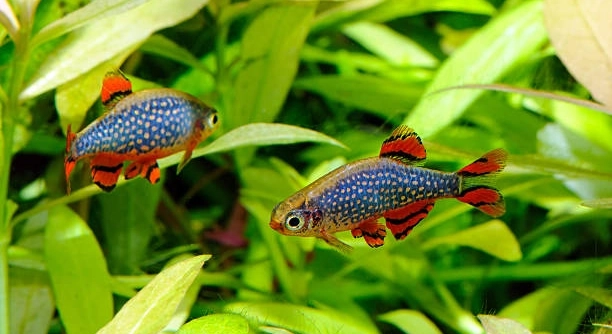
Keeping a community of danios seems easy, but subtle problems can quietly affect their health and happiness. Many owners focus on appearance rather than behavior, overlooking risks that may develop over time. Understanding these dangers helps prevent unnecessary stress.
Danio community tanks, while visually appealing and active, carry hidden risks such as overcrowding, aggression, poor water quality, improper nutrition, disease transmission, inadequate enrichment, and temperature fluctuations, all of which can compromise fish health and lead to long-term stress or mortality.
Identifying these hidden threats early ensures your danios stay healthy and your tank remains balanced and lively for years to come.
Overcrowding
Overcrowding is a common issue in danio tanks that many owners don’t notice until it becomes a serious problem. Danios are active swimmers and need plenty of space to move freely. A tank that holds too many fish can lead to stress, increased aggression, and competition for food. Overcrowded conditions also make it harder to maintain water quality because waste accumulates faster than filtration can handle. Even if all fish seem healthy at first, overcrowding can weaken their immune systems over time, making them more susceptible to disease. Observing their behavior regularly can reveal early signs of stress, such as fin nipping, rapid breathing, or hiding. Adjusting tank population gradually and ensuring proper tank size helps create a balanced environment where every fish can thrive. Planning ahead before adding new danios ensures the community remains harmonious and stress-free.
Stress from overcrowding often shows subtly, but it can escalate quickly if left unchecked.
Maintaining the right number of danios per tank involves considering both the tank’s volume and the adult size of the fish. A larger tank is easier to manage, as it reduces competition and allows for more stable water conditions. Overcrowding increases the frequency of uneaten food, which can decay and lead to ammonia spikes. High ammonia levels irritate gills, reduce oxygen availability, and may cause fin damage or lethargy. Providing plants, hiding spots, and open swimming space helps minimize aggressive encounters. Monitoring water parameters regularly is essential, as small imbalances can have larger effects in crowded tanks. By controlling fish density, you promote healthier growth, better coloration, and a calmer, more active community. Keeping a tank appropriately stocked ensures that each danio has room to explore and interact without constant stress, supporting their overall well-being and longevity.
Water Quality
Water quality affects every aspect of a danio tank and requires consistent attention. Poor conditions can lead to illness, slow growth, and shorter lifespans if not corrected.
Maintaining clean, well-filtered water prevents the buildup of harmful chemicals and keeps your fish active and healthy.
Testing water regularly is essential to track pH, ammonia, nitrite, and nitrate levels. Sudden changes in these parameters can shock danios, causing stress or even death. Overfeeding contributes to water contamination, so feeding only what fish can consume in a few minutes is crucial. Proper filtration and regular partial water changes help remove waste and maintain stability. Adding live plants or aeration can improve oxygen levels and provide natural filtration. Remember, even small tanks require attention, as toxins build up faster in limited water volume. Consistent care and monitoring prevent long-term damage, keeping your community thriving. Well-maintained water supports immune systems, encourages natural behavior, and reduces the risk of disease outbreaks, making it the foundation of a successful danio tank.
Aggression
Aggression among danios can be subtle, often showing as chasing or fin nipping. Even small displays can stress fish and affect their health.
Aggression often arises when the tank is overcrowded or lacks enough hiding spaces. Male danios may chase each other, especially during feeding or spawning. Stress from constant harassment can weaken their immune systems, leaving them more prone to disease. Adding plants, rocks, or decorations provides escape routes and reduces tension. Grouping danios in odd numbers can also help disperse aggression and establish a more stable social hierarchy. Observing interactions daily allows early intervention before injuries occur.
Balancing tank mates is essential to limit conflicts. Avoid introducing slow-moving or long-finned species that may provoke chasing. Separating aggressive fish temporarily or adjusting feeding routines can reduce competition. Consistent monitoring, environmental enrichment, and careful selection of companions maintain peace, promoting healthier and more active communities. Understanding social dynamics ensures your danios coexist without constant stress or injury, creating a calmer tank environment.
Disease Transmission
Diseases can spread quickly in a community tank if proper precautions aren’t taken. Early detection is critical to prevent widespread illness.
Introducing new fish without quarantine increases the risk of transmitting infections, including bacterial, fungal, and parasitic diseases. Even minor wounds from chasing or rough decorations can serve as entry points for pathogens. Maintaining clean water, balanced nutrition, and a stable environment strengthens immunity, reducing susceptibility to disease. Routine observation helps identify early symptoms such as discoloration, frayed fins, or abnormal swimming patterns, allowing prompt treatment before infections escalate.
Preventive measures include quarantining new additions for at least two weeks, avoiding sudden temperature changes, and minimizing stressors. Regular tank maintenance and water testing are essential to detect imbalances that encourage disease. Keeping a few medications on hand and knowing treatment options allows faster response if infections occur. Providing a stable, enriched habitat helps danios recover faster and stay resilient. Educating yourself about common diseases and their signs ensures long-term health for all community members.
Improper Nutrition
Feeding danios the wrong diet can lead to stunted growth, weakened immunity, and dull coloration. A varied diet is essential for their overall health and energy.
Overfeeding or relying solely on flakes may cause obesity and water quality issues. Including live or frozen foods provides protein and nutrients.
Inadequate Enrichment
A bare tank leaves danios bored and stressed, reducing their natural activity and curiosity. Plants, decorations, and open swimming space help keep them engaged. A well-arranged tank encourages exploration and playful behavior while offering hiding spots for safety and comfort.
Temperature Fluctuations
Danios are sensitive to changes in temperature, which can cause stress and illness. Keeping the tank within a stable, appropriate range supports immune function and overall well-being.
What is the ideal number of danios for a community tank?
The ideal number depends on tank size and the adult size of your danios. For a standard 20-gallon tank, keeping six to eight danios allows them to swim freely without overcrowding. More than this can increase stress, aggression, and water quality problems. It’s better to have fewer fish and give them space to thrive.
How often should I check water quality?
Testing water at least once a week is recommended. Monitor pH, ammonia, nitrite, and nitrate levels to detect imbalances early. Even small changes in these parameters can stress danios, making them more susceptible to disease. Regular checks help maintain a stable and healthy environment for your fish.
What should I feed my danios?
Danios need a varied diet. High-quality flake food is fine for daily feeding, but supplement with live or frozen foods like brine shrimp, daphnia, or bloodworms. These provide essential protein and nutrients. Avoid overfeeding, as leftover food can degrade water quality and lead to health problems.
How can I prevent aggression in the tank?
Aggression is often caused by overcrowding, insufficient hiding spots, or incompatible tank mates. Providing plants, rocks, or decorations gives fish escape routes and reduces tension. Grouping danios in odd numbers can also help stabilize social hierarchies and minimize chasing or fin nipping.
How do I quarantine new fish?
Quarantine new additions in a separate tank for at least two weeks. Observe for signs of disease like discoloration, frayed fins, or unusual swimming patterns. Treat any infections before introducing them to the main tank. This prevents introducing illnesses that could spread quickly among your community.
What are signs of poor water quality?
Signs include cloudy water, algae overgrowth, fish gasping at the surface, lethargy, or unusual behavior. Rapidly changing ammonia, nitrite, or nitrate levels can stress fish and reduce immunity. Maintaining clean water with regular changes and proper filtration prevents these issues and supports overall health.
How important is temperature control?
Danios are tropical fish, preferring water around 72–78°F. Sudden drops or spikes in temperature can stress them, weaken immune systems, and trigger illness. Using a reliable heater and thermometer ensures stable conditions. Avoid placing the tank near windows, vents, or drafts that can cause fluctuations.
What should I do if a fish gets sick?
Isolate the sick fish in a separate tank to prevent spreading disease. Identify the condition and use appropriate treatments, whether medications or adjustments to water quality. Monitor the remaining fish closely, as stress or illness can affect the entire community. Prompt action improves recovery chances.
Can I mix danios with other species?
Yes, but choose compatible species. Avoid slow-moving or long-finned fish that may be harassed. Peaceful community fish that tolerate similar water conditions are best. Monitor interactions closely at first, as even compatible fish may show minor aggression initially. Proper tank layout helps minimize conflicts.
How often should I clean the tank?
Partial water changes of 20–30% once a week are recommended. Clean decorations and substrate to remove debris, but avoid disrupting beneficial bacteria. Regular maintenance prevents toxin buildup and keeps fish active and healthy. Consistency is key to avoiding sudden changes that can stress danios.
Can overcrowding cause disease?
Yes, overcrowding increases stress, which weakens immune systems and facilitates the spread of disease. Waste accumulates faster in crowded tanks, raising ammonia and nitrate levels. Maintaining appropriate fish density reduces stress, promotes natural behavior, and decreases the likelihood of illness spreading through the community.
How do I enrich a danio tank?
Provide a mix of plants, rocks, and open swimming areas. Floating plants or small caves give hiding spots, while open spaces allow active swimming. Changing decorations occasionally adds mental stimulation. Enrichment reduces stress, encourages natural behaviors, and improves overall well-being for your fish.
What is the best way to feed multiple fish?
Feed small amounts multiple times a day rather than a single large meal. This reduces competition, prevents overeating, and keeps water quality stable. Distribute food evenly to ensure all danios get their share and avoid leaving excess food to decay in the tank.
How can I tell if my danios are stressed?
Signs of stress include hiding, rapid breathing, loss of appetite, clamped fins, or aggressive behavior. Stress can result from poor water quality, overcrowding, temperature fluctuations, or aggressive tank mates. Addressing the underlying cause helps restore their health and activity levels.
How often should I replace the filter media?
Replace or rinse filter media according to the manufacturer’s instructions, usually every 2–4 weeks. Avoid replacing all media at once to preserve beneficial bacteria. Clean media carefully in tank water to prevent killing helpful bacteria while maintaining effective filtration.
What’s the best way to introduce new fish?
Float the bag in the tank for 15–20 minutes to acclimate the temperature. Gradually add small amounts of tank water into the bag over 30–60 minutes. This reduces stress and helps fish adjust to water chemistry before being released. Proper introduction increases survival and reduces illness risk.
How can I prevent algae growth?
Control feeding, maintain proper lighting, and perform regular water changes. Algae thrives in nutrient-rich water, so avoiding excess food and waste helps. Adding live plants can outcompete algae for nutrients. Balanced maintenance keeps algae under control without harming your danios.
Are decorations necessary for danios?
Yes, decorations provide hiding spots, reduce stress, and encourage natural exploration. They also help disperse aggression in the tank. A mix of open swimming space and cover creates a comfortable, stimulating environment that keeps your danios healthy and active.
How long do danios typically live?
With proper care, danios live 4–6 years on average. Maintaining water quality, proper diet, and a stress-free environment supports longevity. Regular observation and timely interventions for disease or environmental issues help ensure they reach their full lifespan.
What are common mistakes new danio owners make?
Overcrowding, poor water maintenance, inconsistent feeding, and ignoring aggression are common errors. Failing to quarantine new fish or monitor temperature can also cause serious issues. Learning from these mistakes and taking preventive steps keeps the community healthy and reduces stress for all fish.
How do I encourage breeding in a community tank?
Provide clean water, slightly warmer temperatures, and healthy nutrition. Add fine-leaved plants or spawning mops for egg laying. Remove adults after spawning to prevent egg predation. Consistent care, observation, and a stable environment improve breeding success while maintaining community harmony.
What should I do if a fish dies suddenly?
Remove the fish immediately and test water parameters for any issues. Inspect other fish for signs of illness. Sudden death often indicates water quality problems, disease, or stress. Prompt action helps prevent further losses and identifies the root cause efficiently.
How can I tell if my tank is too small?
Signs include constant chasing, stressed behavior, and rapid water quality deterioration. If fish lack space to swim freely, or aggression increases, the tank is likely too small. Upgrading to a larger tank reduces stress and supports overall health.
How often should I feed live food?
Offer live food 2–3 times per week alongside regular flakes or pellets. This ensures balanced nutrition without overfeeding. Live food provides protein and stimulates natural hunting behavior, keeping danios active and healthy while preventing nutritional deficiencies.
What is the safest way to treat a tank for disease?
Use medications recommended for danios, following dosage instructions carefully. Isolate sick fish when possible and monitor water quality during treatment. Avoid overmedicating, and perform partial water changes if needed to maintain stability. Correct treatment protects both sick and healthy fish.
Can danios live with shrimp or snails?
Yes, peaceful invertebrates can coexist if the tank is large enough. Ensure danios don’t see them as food and provide hiding spots for smaller species. Compatibility depends on fish behavior, tank layout, and careful observation. Proper setup allows multiple species to thrive together.
How do I manage a multi-species community tank?
Choose species with similar water needs and temperaments. Provide ample space, hiding spots, and monitor interactions closely. Feed all species appropriately and maintain water quality for everyone. Observing behavior regularly helps prevent stress and conflict, creating a balanced, healthy tank.
What is the best lighting setup for a danio tank?
Moderate lighting supports plant growth and simulates natural day-night cycles. Avoid excessive light that promotes algae growth. Using a timer ensures consistent periods of light and darkness, reducing stress and maintaining a healthy environment for both fish and plants.
How important is tank decoration placement?
Proper placement ensures hiding spots, reduces aggression, and creates swimming paths. Avoid overcrowding the tank with decorations, leaving open areas for active swimming. Strategic arrangement balances safety and activity, supporting natural behavior and well-being for danios.
How do I maintain a healthy breeding environment?
Maintain clean water, stable temperatures, and provide spawning surfaces. Feed nutritious foods and isolate eggs or fry if necessary. Monitoring conditions carefully ensures higher survival rates for offspring while preserving adult health.
What should I do if water parameters fluctuate suddenly?
Perform partial water changes and stabilize temperature immediately. Identify the cause, whether equipment failure, overfeeding, or overcrowding. Sudden changes stress fish and can trigger illness, so prompt correction is crucial to maintain a healthy tank environment.
How often should I monitor fish behavior?
Daily observation is best to detect early signs of stress, aggression, or illness. Monitoring behavior allows for timely interventions, keeping the community calm, active, and healthy. Early detection prevents small issues from becoming major problems.
Can danios tolerate different water types?
Danios are adaptable but prefer slightly soft to moderately hard water with neutral pH. Sudden changes in water hardness or chemistry can stress them. Gradual adjustments and consistent testing ensure a stable environment.
What is the best way to acclimate fish to a new tank?
Float the bag in the tank for temperature adjustment, then gradually add small amounts of tank water over 30–60 minutes. This prevents shock from temperature or chemistry changes, helping fish settle safely into their new environment.
How do I know if my danios are active enough?
Active swimming, chasing, and exploring indicate healthy behavior. Lethargy, hiding, or clamped fins suggest stress, illness, or poor tank conditions. Ensuring enough space, enrichment, and proper care maintains high activity levels.
What should I do if aggression escalates?
Separate aggressive fish temporarily, rearrange tank decorations to break territories, or adjust population density. Reducing stress and providing hiding spaces helps restore balance. Consistent monitoring prevents injuries and ensures all fish remain healthy.
How can I reduce stress during water changes?
Use a gentle siphon, maintain consistent temperature, and avoid sudden large changes. Partial water changes of 20–30% reduce stress while keeping water quality high. Performing changes slowly helps fish adjust without panic.
Are danios sensitive to pH changes?
Yes, sudden shifts in pH can stress fish. Aim for neutral conditions and adjust gradually if needed. Stable water chemistry supports immunity, activity, and overall health. Regular testing prevents unnoticed fluctuations.
How often should I prune live plants?
Trim plants regularly to prevent overgrowth and maintain swimming space. Healthy plants improve water quality and provide hiding spots. Consistent maintenance keeps both plants and fish thriving.
Can danios recognize each other?
Danios display social behaviors and can identify tank mates through movement and coloration. Stable groups reduce aggression and stress, creating a cohesive community. Observation of interactions helps maintain harmony and balance.
What is the best way to treat fin nipping?
Identify aggressive individuals and provide hiding spots. Rearrange tank decorations to break up territories. If needed, temporarily separate aggressive fish. Addressing environmental and social factors helps prevent injuries and reduces stress in the tank.
How do I prevent sudden deaths in the tank?
Maintain water quality, proper diet, and stable conditions. Quarantine new fish, monitor behavior, and respond quickly to signs of illness. Consistent care and observation reduce the risk of sudden fatalities, keeping the community healthy.
What is the best tank size for a small danio group?
A 20-gallon tank suits six to eight danios comfortably, providing space for swimming, hiding, and social interaction. Larger tanks are even better for stability and reducing aggression. Proper sizing ensures long-term health and well-being.
How important is regular observation?
Observing fish daily helps detect early signs of stress, illness, or aggression. Prompt action prevents minor issues from escalating and supports a healthy, active community. Early detection is key to maintaining balance and vitality.
Can danios live with aggressive species?
It’s not recommended. Aggressive species may stress or injure danios. Compatibility is essential for a peaceful, healthy community. Careful selection of tank mates preserves safety and reduces risk of chronic stress or injury.
How do I avoid overfeeding?
Feed small amounts that fish can consume in 2–3 minutes. Remove leftovers and spread meals across the tank to prevent uneaten food from polluting water. Proper feeding keeps fish healthy and water quality stable.
What is the effect of poor lighting on danios?
Insufficient or excessive lighting can stress fish and encourage algae growth. Balanced lighting supports natural behavior, plant growth, and a stable environment, maintaining overall tank health.
How do I handle water parameter spikes?
Perform partial water changes and stabilize the cause immediately. Monitor levels closely, and take corrective action to prevent stress or disease. Consistency protects fish and maintains a healthy tank environment.
Can danios adapt to different temperatures?
Danios tolerate small fluctuations, but rapid changes cause stress. Maintaining a stable temperature within their preferred range supports immunity and reduces illness risk. Gradual adjustments are essential for adaptation.
How do I ensure all fish get food?
Distribute food evenly, feed in multiple spots, and observe feeding behavior. Adjust amounts to prevent overeating or leftovers. This ensures balanced nutrition and prevents competition-related stress.
What are the signs of a healthy danio?
Bright coloration, active swimming, regular feeding, and smooth fins indicate good health. Observing these signs daily helps maintain a thriving community and detect early issues.
How often should I clean decorations?
Clean decorations gently during water changes to remove debris without harming beneficial bacteria. Consistent cleaning maintains water quality and provides a healthy, stimulating environment.
Can danios live in planted tanks?
Yes, live plants offer hiding spots, reduce stress, and help maintain water quality. Proper arrangement balances swimming space and cover, promoting natural behavior and overall well-being.
How do I prevent fin rot?
Maintain clean water, avoid aggression, and provide proper nutrition. Early detection of frayed fins and prompt treatment prevents worsening. A healthy environment supports healing and reduces risk of recurrence.
Are danios hardy fish?
Yes, they are generally resilient, but stress, poor water quality, or disease can quickly impact health. Proper care, monitoring, and maintenance maximize their hardiness and lifespan.
What is the best filtration for danio tanks?
Moderate to strong filtration that provides mechanical, chemical, and biological cleaning is ideal. Ensure water flow is not too strong for active swimming. Proper filtration maintains stable water conditions and healthy fish.
How often should I perform partial water changes?
Weekly changes of 20–30% help maintain water quality, remove waste, and stabilize parameters. Consistency prevents toxin buildup and keeps fish healthy.
Can danios live with goldfish?
Not recommended. Goldfish have different temperature and water requirements and may outcompete or stress danios. Compatibility is key for a harmonious tank.
What should I do if a fish stops eating?
Check water quality, temperature, and stressors. Offer varied foods, and isolate if illness is suspected. Early intervention helps prevent further decline.
How important is oxygenation in a danio tank?
Adequate oxygen supports metabolism, activity, and overall health. Use aeration, plants, or water movement to maintain sufficient levels. Poor oxygen can stress or harm fish.
Can danios live in cold water?
They tolerate slightly cooler temperatures but prolonged cold slows metabolism and reduces immunity. Maintaining optimal tropical conditions ensures health and activity.
What is the ideal pH for danios?
Neutral to slightly soft water, around pH 6.5–7.5, is ideal. Stability is more important than exact numbers, as sudden changes stress fish.
How do I avoid ammonia spikes?
Regular partial water changes, proper feeding, and monitoring filtration prevent ammonia buildup. Overcrowding and uneaten food contribute to spikes, which can stress or harm fish.
Can danios live alone?
They are social fish and do best in groups. Solitary danios may become stressed, inactive, or aggressive due to lack of social interaction.
How do I know if my tank is balanced?
Stable water parameters, active fish, minimal aggression, and clean conditions indicate a balanced tank. Observing behavior and monitoring water regularly ensures harmony and health.
What is the best way to acclimate fry?
Gradually adjust temperature and water chemistry over several hours. Feed small amounts of finely crushed food or infusoria. Careful acclimation supports survival and healthy growth.
How can I reduce stress during tank maintenance?
Move fish gently, avoid sudden temperature or chemical changes, and maintain routine schedules. Stress reduction preserves immunity and promotes healthy, active behavior.
What should I do if fish hide constantly?
Check for aggression, water quality, or improper environment. Adding hiding spots and reducing stressors encourages normal activity and improves health.
Are danios jumpers?
Yes, danios can jump. A secure lid prevents escapes, protects fish, and maintains tank safety.
How often should I feed pellets vs live food?
Flakes or pellets daily, supplemented with live or frozen food 2–3 times weekly, provide balanced nutrition. Avoid overfeeding to maintain water quality and fish health.
How do I prevent overstocking?
Calculate adult size, tank volume, and social needs before adding fish. Gradual additions and monitoring help maintain appropriate density and reduce stress or aggression.
What is the best way to handle a sick fish?
Isolate it, identify the issue, and treat appropriately. Monitor tank mates and maintain water quality. Early action prevents spread and improves recovery.
Can danios live with bettas?
Generally not recommended. Bettas may attack or be stressed by active danios. Compatibility depends on individual temperament, tank size, and hiding spaces.
How do I identify a healthy fry?
Active swimming, regular feeding, and even coloration indicate health. Monitoring growth and behavior ensures proper development and survival.
How often should I inspect filtration?
Weekly checks ensure proper flow, clean media, and effective biological filtration. Consistent inspection prevents malfunctions and maintains water quality.
**
Keeping a danio community tank can be very rewarding, but it also comes with responsibilities that require attention and care. These small, active fish are sensitive to their environment, and even minor issues can affect their health and well-being. Overcrowding, poor water quality, improper nutrition, aggression, and temperature fluctuations are common challenges that owners face, and addressing them is crucial for a balanced tank. Providing a stable environment with clean water, proper filtration, and consistent maintenance helps ensure that all fish remain healthy and active. Observation is also key—watching your fish’s behavior, noticing changes in swimming patterns, appetite, or coloration, and responding quickly can prevent minor problems from becoming serious. It is easy to assume that because danios are hardy, they will thrive under any conditions, but in reality, their long-term health depends on careful management of their habitat.
Nutrition plays an important role in supporting the health and activity of a danio community. Feeding a varied diet that includes high-quality flakes, pellets, and occasional live or frozen foods helps meet their protein and nutrient needs. Overfeeding or providing only one type of food can lead to obesity, poor water quality, and nutritional deficiencies, which make fish more vulnerable to disease. Providing enrichment in the tank through plants, hiding spots, and open swimming areas is equally important. A stimulating environment reduces stress, encourages natural behavior, and promotes overall well-being. Aggression can be minimized by giving fish space, maintaining odd-numbered groups, and ensuring compatible tank mates. Managing these factors allows each fish to thrive individually while maintaining a peaceful and active community.
Finally, prevention and consistent care are essential for a successful danio community tank. Quarantining new fish, monitoring water parameters, performing regular partial water changes, and maintaining proper temperature stability all reduce the risk of disease and stress. Even with the best setup, it is important to remain vigilant for signs of illness, aggression, or environmental imbalances. Small adjustments, such as rearranging decorations or changing feeding routines, can have a big impact on overall tank harmony. By investing time and attention into maintaining water quality, supporting healthy social interactions, and providing a balanced diet, owners can create a thriving and lively environment. Careful planning and proactive management not only protect the health of the danios but also make maintaining the tank a more enjoyable and rewarding experience. With patience and dedication, a community of danios can live a long, active, and healthy life in a stable and well-maintained tank.

Hello,
If you enjoy the content that we create, please consider saying a "Thank You!" by leaving a tip.
Every little bit helps us continue crafting quality advice that supports the health, happiness, and well-being of pets around the world, for pets of all shapes, sizes, and species.
We really appreciate the kindness and support that you show us!