
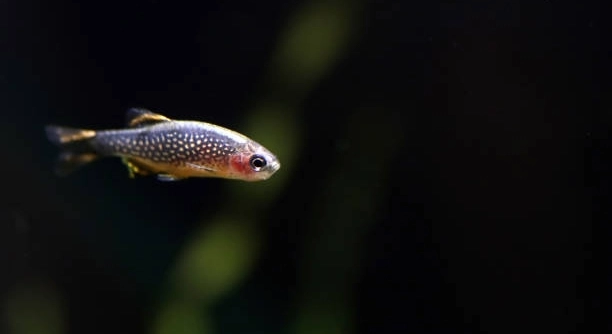
Celestial Pearl Danios are small, colorful fish that brighten up any aquarium. Like all fish, they can experience stress, which affects their behavior, health, and overall well-being. Observing their reactions helps owners care for them better.
Celestial Pearl Danios respond to stress in various ways, including hiding more frequently, reducing activity levels, changing coloration, showing erratic swimming, refusing food, becoming more aggressive, or displaying rapid gill movements. Monitoring these behaviors ensures timely intervention and proper care.
Recognizing these subtle signs can make a significant difference in keeping your fish healthy. Learning to spot stress responses will help improve their daily environment and overall quality of life.
Hiding and Reduced Activity
When Celestial Pearl Danios feel stressed, they often hide behind plants or decorations in the tank. This behavior can start subtly, with brief retreats, and gradually increase if the stress persists. Reduced activity is another common sign. Normally lively and constantly swimming, stressed danios may stay near the bottom or corners of the tank. Stress can be caused by sudden changes in water temperature, overcrowding, aggressive tank mates, or poor water quality. Observing where and when your fish hide helps identify the source of stress. Providing plenty of plants, caves, or smooth decorations gives them safe spaces to retreat. Over time, consistent hiding combined with less movement can affect their appetite and overall health. Stress in fish should not be ignored, as prolonged exposure can lead to weakened immune systems, slower growth, and increased susceptibility to disease. Maintaining a stable environment is key to reducing these behaviors.
Hiding and inactivity are clear signals your fish may need adjustments in their tank environment to feel secure.
Creating a balanced tank setup, including stable temperature, adequate hiding spots, and compatible tank mates, helps reduce stress. Regular observation ensures you catch subtle changes early. Keeping water clean and consistent, providing gentle lighting, and avoiding sudden disturbances all contribute to calmer, more active fish. These steps improve not just behavior but long-term health, allowing the fish to display their natural colors and movement.
Color Changes and Erratic Swimming
Color shifts in Celestial Pearl Danios often indicate stress.
When stressed, danios may lose brightness or develop darker shades. Color changes are influenced by water quality, diet, or aggressive tank mates. Rapid swimming, darting, or bumping into tank walls may also occur.
Stress-related color changes are often subtle at first. A vibrant fish may gradually appear dull, signaling the need for intervention. Light levels, water chemistry, and nutrition all play roles in maintaining their coloration. Introducing compatible species, maintaining stable pH levels, and avoiding overcrowding help restore their natural look. Erratic swimming can accompany these shifts, suggesting discomfort or fear. Monitoring these behaviors allows adjustments before they escalate. Providing a calm, structured environment encourages fish to regain normal swimming patterns, promoting both health and aesthetic appeal. Careful attention to these details ensures that your Celestial Pearl Danios remain lively and visually striking.
Refusing Food
Refusing food is a common sign of stress in Celestial Pearl Danios. They may ignore their usual meals or nibble only occasionally. This behavior can signal environmental issues, illness, or social tension within the tank.
When danios stop eating, it is often linked to water quality problems or sudden changes in temperature. Overcrowding or the presence of aggressive tank mates can also discourage feeding. A stressed fish may appear listless, hiding instead of swimming to feed. Regularly checking water parameters, maintaining a consistent feeding schedule, and providing a calm environment encourages normal eating habits. Sometimes offering live or fresh food can help entice them, but the underlying cause of stress should always be addressed.
Loss of appetite can quickly lead to health issues if not corrected. Weak or malnourished fish are more prone to disease. Observing feeding behavior daily allows timely intervention. Adjusting tank conditions, reducing stressors, and monitoring interactions among tank mates helps restore normal eating patterns. A steady, gentle approach is often more effective than sudden changes, ensuring that your fish regain their energy and well-being.
Aggressive Behavior
Stress can make Celestial Pearl Danios unusually aggressive. They may chase tank mates, nip fins, or act territorially, especially in smaller or crowded tanks.
Aggressive behavior often emerges when fish feel insecure or threatened. Changes in the tank, such as new additions, inconsistent lighting, or poor water conditions, can trigger these reactions. Aggression can lead to injuries, torn fins, and increased stress in other fish, creating a cycle of tension. Providing enough space, hiding areas, and compatible companions reduces confrontations. Monitoring interactions and separating overly aggressive individuals when necessary helps maintain harmony.
Preventing aggression requires careful attention to tank setup and stocking levels. Ensuring sufficient swimming space and visual barriers, like plants or ornaments, can minimize conflict. Introducing new fish gradually and observing their interactions reduces stress-related attacks. Consistent water quality and feeding routines also play important roles in calming aggressive tendencies. By addressing these factors, your Celestial Pearl Danios can maintain stable social behavior, improving health and overall aquarium harmony.
Rapid Gill Movements
Rapid gill movements are a clear indicator of stress in Celestial Pearl Danios. They may appear to breathe faster than normal, especially when water quality or oxygen levels are poor. Monitoring gill activity can help detect problems early.
This behavior can be triggered by high ammonia, nitrite, or sudden temperature changes. Low oxygen levels in the tank also make fish breathe rapidly. Ensuring proper filtration, aeration, and regular water changes can reduce this stress. Observing gill movement daily helps catch environmental issues before they harm the fish.
Erratic Swimming
Erratic swimming is another stress response. Danios may dart, spin, or collide with decorations and tank walls.
Such movements often indicate fear, poor water conditions, or sudden disturbances in the aquarium. Maintaining stable water parameters and a calm environment helps prevent these behaviors. Consistent observation allows early intervention.
Lethargy
Lethargy is common when Celestial Pearl Danios are stressed. They may rest near the bottom or float without swimming actively.
Faded Colors
Faded colors signal stress in these fish. Dull or muted hues indicate environmental or health issues that need attention.
What causes stress in Celestial Pearl Danios?
Stress in Celestial Pearl Danios can be caused by many factors. Poor water quality, sudden temperature changes, overcrowding, and aggressive tank mates are common triggers. Inconsistent lighting, loud vibrations, or frequent disturbances around the tank can also increase stress levels. Even minor changes in diet or tank decorations may affect their comfort. Stress weakens their immune system, making them more susceptible to illness. Monitoring tank conditions regularly and maintaining a stable, calm environment helps reduce stress and supports healthy behavior.
How can I tell if my fish are stressed?
Stressed Celestial Pearl Danios display distinct behaviors and physical signs. They may hide frequently, swim erratically, refuse food, or show rapid gill movements. Color changes, from bright to dull shades, are also common. Aggressive behavior or lethargy can indicate ongoing stress. Observing your fish daily and noting changes in swimming patterns, interactions, and appetite helps detect stress early. Quick intervention prevents long-term health issues and keeps the fish active and healthy.
Why do my Celestial Pearl Danios hide so much?
Hiding is a natural response to stress or insecurity. Overcrowding, aggressive tank mates, or poor water quality often trigger this behavior. Providing plants, caves, and smooth decorations gives fish safe spaces and reduces anxiety. Hiding is not always harmful, but persistent retreat from activity signals an environment that needs adjustment. Maintaining stable water parameters and a calm atmosphere encourages fish to explore and swim normally.
What can I do if my fish refuse food?
Loss of appetite is a serious stress sign. Start by checking water parameters, temperature, and tank cleanliness. Offer high-quality, varied food, including live or frozen options, to encourage eating. Avoid sudden changes in diet, and feed smaller portions multiple times a day. Reducing stressors such as aggressive tank mates or excessive lighting also helps restore normal feeding behavior. Consistent observation ensures timely correction before health declines.
How do I prevent aggressive behavior in my tank?
Aggression often results from stress, overcrowding, or incompatible tank mates. Ensure adequate space, hiding spots, and visual barriers to minimize confrontation. Introduce new fish gradually and observe interactions. Maintain stable water quality and feeding schedules to reduce tension. Promptly separating aggressive individuals can prevent injury and maintain a peaceful environment. Regular monitoring helps detect early signs of conflict.
Why do my fish swim erratically or collide with objects?
Erratic swimming is usually a reaction to stress, poor water quality, or fear. Sudden movements, spinning, or darting may indicate discomfort or insecurity. Check temperature, oxygen levels, and ammonia, nitrite, and nitrate readings. Reduce disturbances near the tank and provide hiding spots. Gradual environmental adjustments help fish regain normal swimming behavior and reduce stress-related collisions.
When should I be concerned about gill movements?
Rapid or heavy gill movements are often a response to low oxygen, poor water quality, or stress. If observed, test water parameters immediately and ensure proper filtration and aeration. Persistent rapid breathing may indicate illness. Regular monitoring of gill activity helps detect environmental or health issues early, preventing long-term harm.
Do color changes mean my fish are sick?
Color changes often signal stress but may also indicate illness. Dull or faded hues can result from poor water conditions, aggressive tank mates, or nutritional deficiencies. Consistent observation and checking water quality, diet, and tank dynamics help determine the cause. Addressing these factors early supports the fish’s health and vibrant appearance.
How can I create a stress-free environment?
A stress-free tank includes stable water parameters, compatible tank mates, and plenty of hiding spots. Avoid sudden changes in temperature, lighting, or decorations. Regular water changes, gentle filtration, and a consistent feeding schedule maintain comfort. Minimizing loud disturbances and maintaining a calm, predictable environment encourages natural behavior and bright coloration.
Is it normal for Celestial Pearl Danios to act differently sometimes?
Minor variations in behavior are normal, but consistent hiding, aggression, or lethargy signals stress. Daily observation helps distinguish temporary changes from ongoing issues. Understanding their normal patterns allows timely intervention, ensuring the fish remain healthy and active.
Celestial Pearl Danios are small, delicate fish that add color and movement to any aquarium. Their beauty and energy make them popular, but they are sensitive to changes in their environment. Stress affects them in noticeable ways, from hiding and refusing food to erratic swimming and color changes. Understanding these behaviors is important because prolonged stress can weaken their immune system, slow growth, and increase vulnerability to illness. Observing your fish daily and noting any changes in behavior or appearance helps catch stress early. Simple adjustments, like improving water quality, adding hiding spaces, or reducing overcrowding, can make a big difference in their well-being. Even minor changes in their tank environment, such as a new decoration or sudden temperature shift, may cause stress, so careful attention to their surroundings is essential.
Maintaining stable water conditions is one of the most important steps in keeping Celestial Pearl Danios healthy. They thrive in clean, well-filtered water with consistent temperature and balanced pH. Testing water regularly and performing routine water changes prevents harmful buildup of ammonia, nitrites, and nitrates. Overcrowding and aggressive tank mates are other sources of stress that can be controlled with proper tank planning. Including plants, rocks, or small caves gives them places to hide and feel safe, which reduces fear and improves confidence in their environment. Even small daily habits, like feeding at regular times and avoiding sudden disturbances near the tank, support a calm, stable environment. By addressing these factors consistently, you can prevent many common stress-related issues before they escalate into serious problems.
Behavioral signs, such as rapid gill movements, faded colors, or unusual aggression, should never be ignored. Each of these signs points to a potential issue in their tank or health that requires attention. Responding quickly by adjusting water quality, reducing stressors, and monitoring interactions among fish can help restore their natural behavior. Providing a balanced diet, consistent lighting, and plenty of safe spaces promotes healthy growth and vibrant coloration. Even though Celestial Pearl Danios are small, they rely on their owners to maintain conditions that support both physical and mental health. Paying attention to their needs and responding to stress signals ensures they remain active, healthy, and visually striking in the aquarium for many years.

Hello,
If you enjoy the content that we create, please consider saying a "Thank You!" by leaving a tip.
Every little bit helps us continue crafting quality advice that supports the health, happiness, and well-being of pets around the world, for pets of all shapes, sizes, and species.
We really appreciate the kindness and support that you show us!