
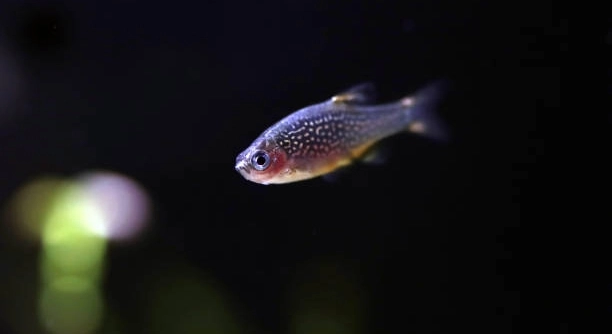
Do you ever find yourself watching your danios swim around and wonder how quickly they can remember where food appears? These small fish are lively and social, often exploring every corner of their aquarium with curiosity and energy.
Danios are capable of learning feeding spots within seven days through consistent placement and visual cues. Repetition and routine allow them to associate specific areas with food, demonstrating their ability to adapt and remember in a controlled environment.
Learning how danios respond to feeding routines can improve your aquarium care and create a more engaging environment for them.
How Danios Learn Feeding Spots
Danios rely heavily on routine and visual cues to learn where food will appear. Over several days, they begin to recognize patterns, such as the location where food is dropped or the timing of feeding. They also respond to movements near the tank, like your hand approaching or tapping on the surface. Repetition is key; consistently dropping food in the same spot allows the fish to associate that area with meals. During this time, their swimming patterns change—they start lingering near the feeding zone even before food is introduced. Some danios are faster learners than others, depending on their age and activity level. Observing their behavior closely can help you understand their learning speed. In my experience, simple methods, like gently placing food in one corner at regular intervals, can significantly enhance their ability to remember feeding spots. Over a week, these fish can reliably anticipate food locations.
Consistency, visual cues, and repetition are the main factors influencing their learning.
Providing structured feeding routines encourages danios to explore predictably and reduces stress. Fish that know where food will appear show increased confidence and smoother interaction during feeding times. You might notice them waiting near the spot or following your hand slightly before the food is dropped. This predictability benefits both their physical health and mental stimulation. Using this method, you can create a more organized feeding system that keeps the fish active and engaged. Not all danios learn at the same rate, but with patience and regular observation, most will pick up the routine. Simple gestures, like gently dropping food in a consistent location and at similar times, build their recognition over several days. It also helps minimize competition and scattering during feeding, allowing all fish to access food more evenly. Tracking their response each day shows a clear pattern of learning.
Tips to Improve Learning
Feeding in one spot at the same time every day helps reinforce memory.
Breaking the feeding into small portions and maintaining consistency can speed up learning. Observe how danios respond to each session. Adjust the location slightly if some fish are not approaching. Using small cues, like hand movements or tapping the tank, can signal feeding time. Ensure the environment is calm and avoid sudden disturbances that distract them. Over time, the fish learn to associate these cues with food. Some individuals may be hesitant, so patience is important.
Creating an effective learning routine requires planning and attentiveness. Start by selecting a consistent feeding spot and time. Drop food slowly, allowing all fish to notice and swim toward it. Repeating this process daily for a week helps establish recognition. Visual cues, such as hand gestures or gentle tapping, can reinforce this behavior. Avoid moving the food around or introducing sudden changes, as it confuses the fish and slows learning. Monitor their behavior, noting which individuals quickly recognize the spot and which need more time. Adjustments, like slight repositioning or breaking the food into smaller amounts, can improve participation and prevent dominance by more assertive fish. Over days, most danios begin swimming toward the feeding area even before food appears, showing their ability to remember and anticipate meals. This method not only helps with feeding efficiency but also enhances their comfort and reduces stress. By observing and refining the routine, you can create a predictable, calm environment that encourages learning and keeps all the fish active and healthy.
Signs Your Danios Have Learned
Danios start hovering near the feeding spot before food appears. They may swim more actively in that area, following subtle cues like your hand or tapping. Even shy individuals eventually respond once they notice a pattern forming over several days.
Watching their behavior closely reveals clear learning patterns. I noticed my danios would wait near the corner where food is usually dropped, sometimes even swimming in small circles in anticipation. Their swimming becomes more purposeful, and they recognize subtle cues signaling feeding time. Over the course of a week, almost all fish start approaching the spot consistently, showing they remember the routine. The difference between a day or two of feeding and a full week is striking; patience and consistency make it clear that learning occurs gradually, but reliably. Observing these small changes is satisfying and helps fine-tune feeding strategies for the entire tank.
Individual fish may learn at different speeds. Some approach immediately, while others linger cautiously. Keeping feeding sessions calm and consistent encourages participation. Rewarding all fish with equal access helps reduce competition. Noticing these small differences lets you adjust placement and timing.
Common Mistakes to Avoid
Changing the feeding location frequently confuses danios and slows learning. Inconsistent timing reduces their ability to anticipate food. Avoid overfeeding, as leftover food can distract and cause disinterest.
I found that even small disruptions, like tapping the tank inconsistently or moving decorations near the feeding area, made learning harder. When food is scattered in different spots each day, fish struggle to form a memory. Overfeeding can also reduce their motivation, making them less likely to notice cues. Keeping sessions short, predictable, and calm ensures that each danio has a chance to learn the feeding spot. Repetition is key; once the routine is established, fish quickly respond. Small adjustments in timing and portion size make a noticeable difference.
Consistency is crucial for memory development. Maintaining a calm environment and using subtle cues every day helps reinforce recognition. Observing individual reactions allows small tweaks to improve learning efficiency. Over time, most danios will reliably approach the feeding spot, demonstrating the success of these strategies. Maintaining these practices ensures that all fish have equal access and reduces stress during meals. By tracking behavior, you can identify which fish need more encouragement and which already anticipate feeding accurately. This approach makes feeding smoother and keeps the tank environment more organized, active, and enjoyable.
Ideal Feeding Environment
A calm and quiet tank helps danios focus on learning feeding spots. Reducing sudden movements or loud noises around the aquarium encourages predictable behavior and makes them more confident approaching food.
Adequate lighting and clear visibility of the feeding area are also important. Shadows or dark corners can confuse fish, delaying learning. Consistent water conditions, such as stable temperature and clean water, further support active and healthy behavior. Observing them in this environment makes it easier to notice subtle cues, like swimming patterns or anticipation near the feeding spot. Small adjustments to placement or timing can improve learning efficiency.
Using Visual Cues
Danios respond well to repeated hand movements or tapping near the food spot. These cues signal feeding and reinforce memory.
Gradual Training Steps
Start by feeding in one spot at the same time daily. Slowly reduce scattered food to focus their attention. Encourage all fish to approach the target location without overwhelming them.
Monitoring Progress
Keep track of how quickly each danio approaches the feeding spot. Note any differences in learning speed to adjust your routine.
FAQ
Can all danios learn feeding spots in seven days?
Most danios can learn to recognize feeding spots within seven days if the routine is consistent. However, individual fish vary in speed. Younger or more active fish often learn faster, while shy or older ones may need extra time. Consistent placement of food and subtle cues help the majority of the tank grasp the routine within a week. Patience and observation are important to accommodate differences.
What is the best way to signal feeding time?
Visual cues, such as gently tapping the tank or moving your hand near the feeding spot, work well. Repeating the same gesture daily helps the fish associate it with food. Avoid sudden or inconsistent movements, as these can confuse the fish and slow learning. Over time, they will respond to the cue even before the food appears.
How often should I feed my danios during this learning period?
Feeding once or twice daily at the same times works best. Too many sessions or irregular timing can make it harder for them to form a memory. Smaller, consistent portions prevent overfeeding and keep the fish engaged with the learning process. Tracking their response over a week helps fine-tune the schedule.
Can overfeeding affect learning?
Yes. Overfeeding reduces motivation, and leftover food can distract fish from noticing the feeding spot. Maintaining smaller portions ensures they are alert and focused, making it easier for them to learn where food will appear. Clean up excess food promptly to reinforce a healthy environment.
What role does tank setup play in learning?
A calm, well-lit environment with clear visibility of the feeding spot is essential. Decorations or plants should not block the area. Stable water conditions, including temperature and cleanliness, help maintain active and healthy fish that can focus on learning. Shadows or cluttered areas can confuse them and slow the learning process.
How do I know if my danios have remembered the feeding spot?
Signs include hovering near the feeding area before food is dropped, swimming in anticipation, and responding to cues like hand movements. Some may circle or linger in the spot even without immediate feeding. Tracking their behavior daily makes it easier to see progress and adjust routines as needed.
What if some fish do not approach the feeding spot?
Individual differences are normal. Shy fish may need extra encouragement. Try feeding smaller amounts closer to the target area or adjusting timing slightly. Avoid forcing them, as this can increase stress. Observing and gradually reinforcing the routine helps all fish participate over time.
Does learning feeding spots improve overall tank behavior?
Yes. Fish that anticipate feeding tend to be calmer and less aggressive during meals. It reduces scattering and competition, allowing all fish access. Establishing a predictable routine improves confidence and activity, creating a smoother and more organized environment in the tank.
Can cues other than hand movements be used?
Other cues, such as tapping lightly on the tank or using a small feeding tool consistently, also work. The key is repetition and predictability. Danios quickly associate the cue with food if it is consistent over several days. Avoid random or multiple types of cues simultaneously, as it can confuse them.
How long should I continue this routine after seven days?
Continuing consistent feeding routines beyond seven days reinforces memory. Some fish may need more time, and occasional reinforcement prevents forgetting. Maintaining predictable sessions ensures all fish stay engaged, reduces stress, and helps new or shy fish adapt. Observing reactions daily allows small adjustments to improve the routine.
Can environmental changes affect learned feeding spots?
Yes. Moving decorations, changing water conditions, or altering lighting can distract or confuse the fish. Any sudden change may temporarily disrupt their routine. Keeping the environment stable during and after training ensures the learning sticks. Gradual adjustments, if necessary, are better than abrupt changes.
Do danios communicate learning among themselves?
While they do not teach in the human sense, observing peers at the feeding spot can encourage hesitant fish. Seeing others approach food builds confidence. Social interaction in the tank can reinforce patterns, as fish notice where others are feeding and gradually follow suit.
What is the easiest way to track learning progress?
Note daily behaviors, such as hovering near the spot, swimming patterns, or responses to cues. Recording which fish consistently approach and which need encouragement helps tailor routines. This method shows clear progress over seven days and beyond, allowing small adjustments to ensure all fish learn efficiently.
Can this method be used for other fish species?
Yes, similar approaches work for many small, social fish, though learning speeds vary. Repetition, consistency, and clear cues are generally effective. Observing species-specific behavior helps adapt techniques for optimal learning and reduced stress in the tank.
How long does it take for hesitant fish to adapt?
Hesitant or shy danios may take longer, sometimes up to two weeks. Patience and gentle reinforcement are key. Smaller portions, calm movements, and consistent timing help them gradually gain confidence. Over time, they usually learn the feeding spot alongside more assertive fish.
Does tank size impact learning?
Smaller tanks make it easier for fish to notice cues and food locations. In larger tanks, cues must be more visible, and food placement should be consistent. Ensuring all fish can see the feeding area helps maintain equal opportunity for learning.
Are there any signs that learning is not happening?
Fish that ignore cues, fail to approach the feeding spot, or appear stressed may not be adapting. Check water quality, routine consistency, and visual cues. Adjustments to timing, portion size, or cue clarity often resolve these issues and improve learning outcomes.
Is it necessary to continue observing after the first week?
Yes. Continued observation ensures the routine remains effective, reinforces memory, and identifies any fish that need extra support. It also helps detect changes in behavior that may signal stress or environmental issues. Keeping track over time leads to a healthier, more organized tank.
How can I make feeding more engaging for the fish?
Using subtle cues consistently and keeping the routine calm makes feeding predictable yet stimulating. Small, measured portions encourage active swimming and anticipation. Observing their behavior daily allows adjustments that maintain interest and reinforce learning without causing stress or competition.
Danios are small, lively fish that respond well to consistent routines and clear visual cues. Over the course of a week, most can learn where food appears if the same spot is used daily. Observing their behavior closely reveals how quickly they adapt to feeding patterns, and even subtle cues like hand movements or gentle tapping on the tank can help signal meal time. Consistency is key, and keeping the feeding location the same allows them to form a clear association. Some fish are faster learners than others, but with patience, almost all will recognize the feeding spot. Small adjustments, like breaking food into smaller portions or slightly repositioning the location for hesitant individuals, can help ensure everyone in the tank has access to food. Over several days, the change in swimming behavior is noticeable—they start lingering near the area, circling or waiting in anticipation. This behavior shows that they not only remember the location but also anticipate feeding times, which reflects their ability to learn and adapt within a controlled environment.
Creating a stable and calm feeding environment supports this learning process. Proper lighting, clean water, and minimal sudden disturbances allow danios to focus on the cues associated with food. Decorations or plants should not block the feeding area, as clear visibility helps reinforce memory. Temperature and water quality also play a role, as active and healthy fish are more likely to pay attention and respond to routines. Overfeeding should be avoided because leftover food can distract the fish and reduce their motivation to learn. Maintaining smaller portions ensures that fish stay alert and active, allowing them to associate the feeding area with food more effectively. Repetition over several days is what helps the routine stick, and observing each fish individually allows you to notice differences in learning speed. This can guide small adjustments to timing, cues, and placement so that the feeding process becomes predictable and accessible to all fish. Gradually, even the more cautious danios start approaching the feeding spot on their own, showing that memory is being reinforced successfully.
Monitoring progress and refining routines is part of caring for danios in a way that encourages learning. Keeping track of their behavior daily helps identify which fish respond quickly and which may need extra time or encouragement. Consistent visual cues, calm movements, and predictable feeding times create a comfortable environment where learning happens naturally. Over time, these practices lead to smoother feeding sessions, less competition, and reduced stress for the fish. Danios show clear changes in behavior when they understand where food will appear, demonstrating the effectiveness of a structured feeding routine. Maintaining this consistency ensures that the fish remain active, confident, and engaged in their environment. By observing them and making small adjustments as needed, you can create an organized and predictable routine that benefits both their physical health and mental stimulation. This approach helps build a stronger connection with their natural instincts while making aquarium care more manageable and rewarding.

Hello,
If you enjoy the content that we create, please consider saying a "Thank You!" by leaving a tip.
Every little bit helps us continue crafting quality advice that supports the health, happiness, and well-being of pets around the world, for pets of all shapes, sizes, and species.
We really appreciate the kindness and support that you show us!