
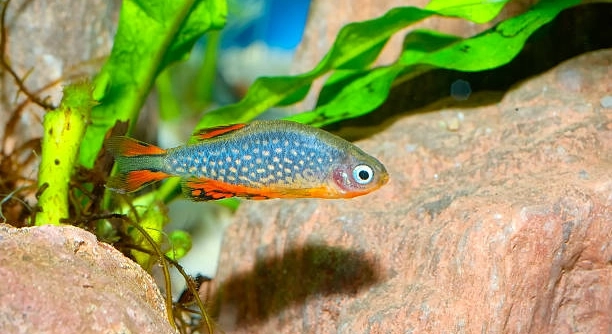
Keeping a Danio tank lively can make your fish more active and reduce stress. Even small adjustments in their environment can lead to noticeable improvements in behavior and overall well-being, making your aquarium a more vibrant space.
Introducing minimal effort enrichments can significantly enhance a Danio tank. Adding floating plants, gentle water currents, varied substrates, hiding spots, and safe decorations encourages natural behaviors. These adjustments improve mental stimulation, physical activity, and overall health without complex maintenance or disruption.
Simple changes can make a big difference in your Danio tank’s atmosphere. Each adjustment helps your fish thrive while keeping maintenance easy and straightforward.
Floating Plants for Activity
Adding floating plants to a Danio tank is an easy way to increase activity and provide natural cover. These plants offer shade, reduce stress, and create small currents that Danios enjoy swimming through. They also encourage fish to explore vertical space, which keeps them moving. Floating plants like duckweed, water lettuce, or frogbit are simple to maintain and propagate quickly. They absorb excess nutrients, helping maintain water quality. Even a small cluster in the tank can make a difference. Danios feel safer when they have partial cover. The roots of floating plants can also serve as hiding spots for fry or shy individuals. Over time, you may notice your fish exploring more areas of the tank instead of sticking to one spot. Providing natural textures and surfaces, even temporarily, allows them to interact with their environment more fully. This low-maintenance option is highly effective for stimulation.
Floating plants add visual appeal while promoting natural behaviors. Danios will dart and weave through roots with noticeable enthusiasm.
Even a few floating plants can transform a tank into a more dynamic environment. Observing Danios interact with these additions provides subtle insights into their preferences and activity levels. The plants’ roots create micro-habitats, while the surface coverage helps reduce light stress. Over several weeks, fish often develop more structured swimming patterns and explore corners they previously ignored. Floating plants are also easy to trim and reposition, which allows for flexibility in designing the tank layout. With minimal effort, these additions enrich the tank’s ecosystem, benefiting both the fish and the aesthetic of the aquarium. Choosing hardy, fast-growing plants ensures they remain effective without intensive care, making them ideal for a low-maintenance enrichment strategy.
Varied Substrates
Using varied substrates encourages natural foraging behavior. Mixing sand, fine gravel, or smooth pebbles allows Danios to explore textures. They often sift through these layers in search of small particles, which mimics natural feeding habits and keeps them engaged.
Different substrate layers can enhance tank depth and appeal. Danios interact with each layer differently, promoting curiosity.
Introducing varied substrates involves layering materials of different textures and colors. Start with a base of sand or fine gravel, then scatter small pebbles or smooth stones across the surface. This setup encourages fish to swim closer to the bottom, explore nooks, and occasionally dig lightly, which adds mental stimulation. Avoid sharp or rough materials that may injure fins. Over time, Danios may develop predictable foraging routines, increasing their activity while reducing stress. Changing the arrangement slightly every few weeks maintains interest. Substrate variation also supports plant growth and microbial colonies, indirectly benefiting water quality. This method is simple, requires little maintenance, and significantly enriches a Danio tank, providing both aesthetic appeal and behavioral benefits.
Hiding Spots
Providing hiding spots reduces stress and encourages natural exploration. Small caves, ceramic ornaments, or dense plant clusters create areas where Danios can retreat and feel secure.
Hiding spots allow fish to regulate their activity and avoid conflict. Danios often use these areas to rest or observe their surroundings safely. Placing multiple spots at different tank levels ensures that all fish have access to cover. Avoid overcrowding the tank, as too many decorations can limit swimming space. Even simple arrangements like a half log or small PVC tube can make a difference. Over time, Danios will begin to use these spaces regularly, which reduces aggression and promotes healthier behavior patterns. Hiding spots also make the tank visually appealing, creating depth and contrast against plants or substrates. By observing where fish prefer to hide, you can adjust decorations to suit their habits, fostering a more natural and engaging environment. These small additions require minimal maintenance and add significant enrichment value.
Regular use of hiding spots indicates reduced stress and increased comfort in the tank. Fish explore more confidently when safe areas are available.
Hiding spots also encourage social interactions and territorial behavior without causing harm. Fish may chase one another around safe areas, providing mild exercise. Over time, these zones help Danios establish patterns, which supports mental stimulation. Combining artificial caves, driftwood, and dense plant clusters creates a balanced environment. Placement is key: ensure that pathways remain open to maintain swimming freedom while offering retreat areas. Monitoring fish activity allows gradual optimization of hiding spaces, ensuring each individual benefits. These additions are low-effort but effective, promoting natural behavior, reducing stress, and enhancing the overall tank environment for all Danios.
Gentle Water Currents
Gentle water currents encourage swimming and exercise while keeping the tank oxygenated. Danios thrive with light flow, which mimics their natural habitat.
A small filter output or wavemaker creates currents that stimulate movement. Currents should not be strong enough to tire fish, but consistent enough to encourage swimming throughout the tank.
Introducing gentle currents helps Danios develop stronger muscles and more active behavior. They often swim against the flow, which increases endurance and prevents lethargy. Proper placement of filters or air stones ensures even distribution without dead zones. Currents also help distribute food and nutrients more effectively, benefiting both fish and plants. Observing fish response is important; some may prefer calmer areas, so creating zones of varied flow can satisfy all individuals. Gentle currents maintain water quality, prevent stagnation, and support natural schooling patterns. With minimal adjustments to equipment, this simple strategy significantly enriches the environment, fostering healthier, more active Danios.
Live Plants
Live plants improve water quality while offering natural cover. Danios enjoy swimming around stems and roots, which provides subtle enrichment.
Plants also create small hiding spots and resting areas. Fast-growing species like hornwort or java moss are low-maintenance and thrive in a simple tank setup.
Floating Decorations
Floating decorations add vertical interest and mild shade. Danios often interact with them while swimming, increasing activity levels and exploration.
Seasonal Food Variety
Introducing seasonal foods keeps Danios engaged. Small amounts of frozen or live brine shrimp, daphnia, or bloodworms provide variety and stimulate natural foraging instincts.
FAQ
How often should I rearrange decorations in a Danio tank?
Rearranging decorations can refresh the environment, but frequent changes may stress the fish. Small adjustments every few weeks are sufficient. Moving one or two elements at a time allows Danios to explore new spaces gradually while keeping familiar areas intact. This approach keeps activity levels high without causing disorientation.
Can Danios live with strong water currents?
Danios prefer moderate currents that mimic streams or rivers. Strong flows can exhaust them and limit natural swimming patterns. A gentle filter output or a low-power wavemaker is ideal. Observe how the fish react to flow, adjusting placement of decorations or flow strength to create calmer zones as needed.
Are floating plants necessary for enrichment?
Floating plants are not strictly necessary, but they add multiple benefits. They provide shade, cover, and subtle currents that Danios enjoy. They also improve water quality by absorbing excess nutrients. Even a small cluster can make the tank more stimulating and comfortable for the fish, promoting natural behaviors.
What types of hiding spots work best?
Small caves, PVC tubes, or dense plant clusters are effective. Avoid sharp or rough materials to prevent injury. Multiple hiding spots at different tank levels ensure that all fish have access. Observing which areas Danios use most allows you to optimize placement and create a secure, enriching environment.
How much seasonal food should I offer?
Seasonal foods like brine shrimp or daphnia should be offered in small amounts, a few times per week. Overfeeding can degrade water quality. Rotate different types to mimic natural foraging habits. This variety supports mental stimulation and encourages active searching, which enhances overall tank enrichment.
Is substrate variation important for enrichment?
Yes, varied substrates encourage natural foraging and exploration. Mixing sand, fine gravel, and smooth pebbles allows Danios to interact with different textures. Layering materials carefully creates micro-habitats and promotes curiosity. Avoid sharp substrates and monitor how fish interact, adjusting layers to maintain safety and engagement.
Can gentle water currents improve fish health?
Gentle currents promote swimming, increase endurance, and support natural schooling behavior. They also prevent stagnant water, improving oxygenation and distributing nutrients evenly. Currents should be mild, allowing fish to swim comfortably without fatigue. Observing preferences helps create zones of varied flow for all individuals.
How do I know if my Danios are stressed?
Signs of stress include hiding excessively, reduced activity, or erratic swimming. Hiding spots, gentle currents, and floating plants can alleviate stress. Monitoring behavior regularly allows adjustments to enrichment strategies. Subtle changes, like adding cover or rearranging decorations gradually, help maintain comfort while keeping the tank stimulating.
Are live plants better than artificial plants?
Live plants provide natural textures, improve water quality, and support microfauna that Danios may explore. Artificial plants are easier to maintain but offer less interaction and no nutrient absorption benefits. A mix of both can balance aesthetics, low maintenance, and environmental enrichment.
Can enrichment reduce aggression in Danios?
Yes, providing hiding spots, varied substrates, and floating decorations allows fish to establish territories and retreat when needed. This reduces conflict and supports natural social behavior. Even small additions can create subtle zones for interaction, lowering stress and promoting healthier community dynamics.
How do I maintain enrichment without increasing maintenance?
Choose hardy plants, smooth substrates, and durable decorations. Rotate elements gradually rather than constantly rearranging. Use low-maintenance foods for seasonal variety. Observing fish behavior helps determine which features are most effective, allowing you to focus on enrichment that provides benefits without extra effort.
How long before enrichment changes show results?
Changes can have noticeable effects within days to weeks. Fish often explore new structures or swim more actively almost immediately. Over time, consistent enrichment improves overall health, reduces stress, and encourages natural behaviors, making the tank more dynamic and enjoyable to observe.
Can Danios interact with floating decorations safely?
Yes, as long as decorations are lightweight, smooth, and do not trap fins. Floating items provide shade and mild currents that encourage swimming and exploration. Secure placement prevents tipping or damage, creating safe interaction zones that enrich the tank environment effectively.
Should enrichment be adjusted for different Danio ages?
Young Danios benefit from smaller hiding spots and gentle currents to match their size and strength. Adults may explore larger areas and stronger currents. Observing behavior and adjusting elements accordingly ensures that all age groups remain active and engaged without undue stress.
Is it better to make multiple small changes or one large change?
Multiple small changes are preferable. Gradual adjustments allow fish to acclimate while discovering new areas at their own pace. One large rearrangement can cause stress, disorientation, and reluctance to explore. Incremental enrichment maintains activity and curiosity without overwhelming the tank inhabitants.
How do I balance enrichment with swimming space?
Ensure decorations and plants do not overcrowd the tank. Open areas for schooling and active swimming are essential. Strategic placement of enrichment elements maintains interest while preserving freedom of movement. Observe fish patterns to identify zones that encourage exploration without restricting natural behavior.
Can seasonal food alone provide sufficient enrichment?
Seasonal food is a supplement, not a full solution. It stimulates foraging and adds variety but should be combined with plants, hiding spots, substrates, and currents to create a fully enriched environment that promotes mental and physical activity consistently.
Are enrichment strategies different for small vs. large tanks?
Yes, space limitations affect placement and quantity of decorations. Small tanks require compact plants and minimal hiding spots to preserve swimming room. Larger tanks allow more variety and complex arrangements, giving Danios ample opportunity to explore and interact naturally. Balance is key in both cases.
Can enrichment improve overall tank health?
Yes, plants, varied substrates, and gentle currents support water quality, reduce stress, and encourage natural behaviors. Healthy, active fish contribute to a balanced ecosystem, making maintenance easier while creating a visually appealing and dynamic tank environment that thrives with minimal effort.
Final Thoughts
Creating an enriched environment for a Danio tank does not need to be complicated or time-consuming. Small, thoughtful adjustments can make a noticeable difference in how the fish behave and interact with their surroundings. Incorporating elements like floating plants, varied substrates, hiding spots, gentle currents, and seasonal food can transform a simple tank into a stimulating environment. These changes encourage natural behaviors, increase activity levels, and reduce stress. Over time, fish will begin to explore areas they previously ignored, swim more actively, and interact with each other in healthier ways. Each element works together to provide both physical and mental stimulation, which is essential for the overall well-being of Danios. Simple, low-maintenance approaches often provide the most consistent results without adding unnecessary complexity to daily care routines. Observing how fish respond to different additions allows you to tailor the environment to their preferences, ensuring that the enrichment is both effective and sustainable.
Consistency is key when it comes to maintaining an enriched tank. Danios benefit from a stable routine combined with gradual environmental changes. Rearranging decorations occasionally, rotating seasonal foods, or trimming plants helps maintain interest without overwhelming the fish. Too many changes at once can cause stress, but small, incremental adjustments keep the tank dynamic and engaging. Attention to placement and spacing of hiding spots and plants ensures fish can explore freely while feeling safe. Monitoring how each fish interacts with these elements gives insight into what works best for the group. Additionally, enrichment supports water quality and tank hygiene. Plants absorb nutrients, gentle currents prevent stagnation, and varied substrates encourage natural behaviors that help distribute uneaten food and waste. These benefits make enrichment not just about activity and stimulation, but also about maintaining a balanced, healthy ecosystem that supports the long-term well-being of Danios in a simple, practical way.
The overall impact of minimal-effort enrichment extends beyond the fish themselves. It creates a more visually appealing tank with natural movement, layers of color, and diverse textures that make the aquarium enjoyable to observe. The changes also support behavioral health, helping Danios establish natural patterns and social interactions, which in turn reduces aggression and promotes calm, confident swimming. By implementing these adjustments thoughtfully, you create an environment that is both functional and aesthetically pleasing without adding significant workload. Even small actions, like introducing a few floating plants or adjusting substrate textures, can lead to lasting improvements in activity, curiosity, and overall health. Maintaining a Danio tank in this way emphasizes balance, simplicity, and care, demonstrating that even modest efforts can yield meaningful results for both the fish and the observer. Over time, these practices foster a lively, thriving aquarium where Danios exhibit natural behaviors and the tank remains easy to manage, providing satisfaction and enjoyment for anyone caring for them.

Hello,
If you enjoy the content that we create, please consider saying a "Thank You!" by leaving a tip.
Every little bit helps us continue crafting quality advice that supports the health, happiness, and well-being of pets around the world, for pets of all shapes, sizes, and species.
We really appreciate the kindness and support that you show us!