
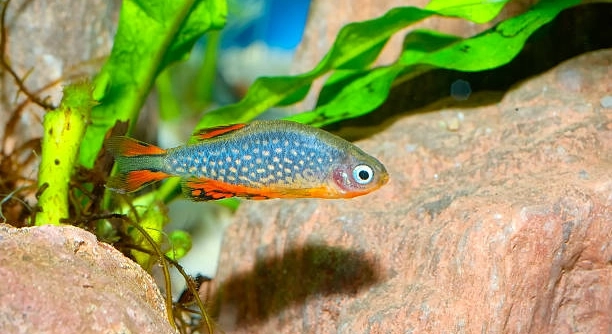
Do your danios seem to be growing faster than usual, leaving you wondering how to keep their environment balanced and healthy? Monitoring their development carefully can prevent issues and support a smooth growth process.
During a danio growth spurt, it is essential to monitor water quality, feeding frequency, tank space, temperature, social behavior, disease indicators, and activity levels. Proper observation ensures optimal growth and reduces stress-related complications.
Tracking these aspects consistently will help maintain your danios’ health and well-being as they develop rapidly. Understanding these factors ensures a thriving aquatic environment.
Water Quality
Maintaining clean water is crucial during a danio growth spurt. Rapidly growing fish produce more waste, which can increase ammonia and nitrite levels quickly. Regular water testing is necessary to detect any changes in pH, hardness, or harmful chemicals. Even small fluctuations in water conditions can stress young danios, affecting their growth and immune system. Performing partial water changes at least once a week helps keep the environment stable. A good filtration system ensures waste is efficiently removed, preventing toxins from building up. Observing your fish for signs of stress, such as unusual swimming patterns or clamped fins, can indicate water quality issues. Additionally, keeping the substrate clean and avoiding overfeeding will reduce the accumulation of debris. Balanced water conditions also encourage natural behavior, allowing your danios to grow steadily and maintain vibrant colors. Consistent attention to water quality minimizes the risk of disease and promotes overall health during rapid growth phases.
Regular testing and partial water changes are essential for maintaining a stable, healthy environment during a growth spurt.
Proper water quality ensures that danios develop without stress, reduces the risk of disease, and promotes consistent growth. Clean water allows them to swim actively and feed efficiently, supporting overall health.
Feeding Frequency
Danios require more frequent feeding as they grow quickly. Young fish need smaller, balanced meals multiple times a day to meet their energy requirements. Overfeeding can lead to poor water quality, while underfeeding slows growth. It is important to provide a variety of high-quality flakes, pellets, and occasional live or frozen foods. Observing your danios’ behavior after feeding helps gauge whether portions are adequate. Feeding only what they can consume within a few minutes prevents leftover food from decaying and increasing toxins. Adjusting the diet gradually as the fish grow ensures they receive enough protein and nutrients without compromising tank conditions. A consistent feeding schedule supports metabolic health and encourages natural growth patterns. Including plant matter or vegetable-based food helps maintain digestive health and coloration. Monitoring their response to meals can reveal early signs of stress or illness. By paying close attention to feeding habits, you help your danios thrive throughout their growth stages.
Balancing meal frequency and portion size is key to sustaining healthy development and preventing water issues.
Regular, measured feeding boosts energy, supports growth, and reduces stress. Proper nutrition ensures danios remain active, resilient, and vibrant as they undergo rapid growth.
Tank Space
Providing enough space is essential as danios grow rapidly. Overcrowding can cause stress, stunted growth, and aggressive behavior. Ensuring each fish has room to swim freely supports healthy development and social interaction.
A crowded tank increases competition for food and oxygen, which can slow growth and weaken the immune system. As danios grow, their swimming needs expand, requiring more horizontal space. Rearranging decorations or upgrading tank size may be necessary to accommodate their increased activity. Monitoring their movement and behavior helps determine if space is sufficient. Overcrowding can also lead to increased waste, making water maintenance more challenging. Proper spacing reduces stress, encourages natural schooling behavior, and allows each fish to access food equally.
Expanding tank space also supports water quality by allowing better circulation and filtration efficiency. Larger tanks dilute toxins more effectively and reduce the risk of disease. By giving danios adequate room, you maintain their health, encourage active swimming, and foster stable social dynamics within the group, which are all critical during rapid growth periods.
Temperature
Stable temperature is crucial for fast-growing danios. Sudden fluctuations can disrupt metabolism, reduce appetite, and increase susceptibility to disease.
Danios thrive in a consistent temperature range, usually between 72 and 78 degrees Fahrenheit. Using a reliable heater with a thermostat ensures the water remains steady. Rapid growth increases metabolic demands, so maintaining proper warmth supports digestion and energy use. Monitoring daily helps detect changes caused by room temperature shifts or equipment issues. Temperature stress can cause lethargy, hiding, or erratic swimming. Gradual adjustments are necessary if changes are needed. Keeping water within the optimal range encourages normal growth patterns, healthy behavior, and reduces stress-related illnesses.
During growth spurts, temperature control also influences oxygen levels, activity, and feeding efficiency. Warmer water boosts metabolism, while cooler water slows digestion. Combining stable temperature with proper tank space, feeding, and water quality ensures your danios grow efficiently and remain healthy throughout their rapid development. Consistent temperature helps maintain energy levels, reduces aggression, and allows fish to fully benefit from nutrition and exercise. Monitoring the heater and thermometer daily prevents sudden drops or spikes, safeguarding the growth process.
Social Behavior
Observing social behavior is important during a growth spurt. Aggression, bullying, or isolation can indicate stress or insufficient space.
Danios are schooling fish, and maintaining group cohesion is crucial. Changes in interactions may signal health or environmental issues that require attention.
Disease Indicators
Watch for signs of illness such as discoloration, clamped fins, or unusual swimming patterns. Early detection allows for prompt intervention and reduces the risk of spreading disease. Maintaining clean water and proper nutrition minimizes health problems and supports resilient, fast-growing fish.
Activity Levels
Active swimming and playful behavior indicate healthy growth. Reduced movement or hiding may reflect stress, poor water quality, or illness, requiring immediate observation and corrective action.
FAQ
How often should I test my water during a danio growth spurt?
During rapid growth, water quality can change quickly. Testing at least twice a week for ammonia, nitrite, nitrate, and pH ensures a safe environment. Adjustments can be made with partial water changes or filter maintenance to keep levels stable and prevent stress.
What is the ideal feeding schedule for growing danios?
Young danios benefit from multiple small meals daily, typically two to three times. Offer only what they can eat in a few minutes to avoid leftover food decaying in the tank. Varying their diet with flakes, pellets, and occasional live or frozen food supports balanced nutrition and proper growth.
When should I increase tank space for my danios?
Tank space should be reassessed as they grow. If you notice crowded swimming, increased aggression, or difficulty accessing food, it may be time to expand the tank or rearrange decorations. Larger tanks help maintain water quality and allow for normal schooling behavior.
How important is temperature stability for growth?
Maintaining a consistent temperature between 72 and 78 degrees Fahrenheit is crucial. Sudden fluctuations can slow metabolism, reduce appetite, and increase disease susceptibility. Using a reliable heater with a thermostat and monitoring daily ensures a steady environment for healthy growth.
What are common signs of disease during rapid growth?
Look for discoloration, clamped fins, lethargy, unusual swimming patterns, or loss of appetite. Early detection is key. Prompt action, such as isolating affected fish or adjusting water parameters, helps prevent disease from spreading and supports recovery.
Can overcrowding affect growth rates?
Yes, overcrowding increases competition for food and oxygen and raises stress levels, which can slow growth. Adequate space and proper tank population management are essential to ensure healthy, active fish during growth spurts.
Should I adjust feeding if water temperature changes?
Temperature affects metabolism. Warmer water increases appetite, requiring careful monitoring to avoid overfeeding. Cooler water slows digestion, so feeding smaller portions helps prevent uneaten food from polluting the tank. Adjust meals gradually as conditions change.
How can I encourage healthy social behavior among danios?
Ensure sufficient space, provide hiding spots, and maintain consistent feeding. Observing group dynamics helps detect aggression or isolation early. Healthy social interactions support natural schooling behavior and reduce stress during periods of rapid growth.
Is live food necessary for growth spurts?
Live or frozen food is not strictly necessary but can boost protein intake and stimulate natural foraging behavior. Alternating with high-quality flakes and pellets ensures balanced nutrition without overcomplicating feeding routines.
What daily observations are most important?
Watch swimming patterns, feeding response, fin condition, and coloration. Changes in behavior or appearance can indicate water quality issues, illness, or stress. Consistent daily monitoring helps maintain a healthy environment and supports steady, healthy growth.
How can I prevent stress during growth spurts?
Maintain stable water quality, temperature, adequate space, and a proper feeding schedule. Minimize sudden changes in the tank, such as rearranging decorations or introducing new fish, which can trigger stress and affect growth rates.
When should I consider adding more filtration?
If you notice frequent water quality fluctuations, cloudy water, or excess waste, upgrading or adding filtration helps manage toxins. Proper filtration ensures a stable environment that supports rapid, healthy growth.
Can danios outgrow their tank too quickly?
Yes, fast growth can quickly make a tank feel crowded. Observing swimming patterns and social interactions will indicate when it’s time to move to a larger setup to maintain health and activity levels.
How do I know if my feeding portions are correct?
Feed only what the fish can consume in 2-3 minutes. Observing leftovers or overeating helps adjust portions. Proper feeding prevents water pollution and ensures each fish receives sufficient nutrition.
Are there environmental factors beyond water quality that affect growth?
Yes, lighting, tank decorations, and hiding spots impact activity and stress levels. Proper lighting encourages natural behavior, while hiding spaces reduce stress and support healthy development.
How long does a growth spurt typically last?
Danio growth spurts can vary but often last several weeks. Monitoring water quality, feeding, and social interactions closely during this time ensures consistent, healthy development without setbacks.
Should I separate aggressive fish during growth spurts?
If aggression becomes frequent, separating the fish temporarily can reduce stress and prevent injury. Maintaining proper space and hiding spots usually minimizes aggressive behavior without permanent isolation.
How can I track growth progress effectively?
Use regular measurements, visual observations, or compare photos over time. Tracking growth helps identify any nutritional, environmental, or health issues early, allowing adjustments to support healthy development.
What role does oxygenation play during rapid growth?
Oxygen demand increases with higher metabolism. Ensuring good surface agitation or aeration supports healthy activity levels, digestion, and stress reduction during periods of rapid growth.
How do I know if my danios are overfed?
Excess food sinking to the bottom, increased algae growth, or water cloudiness indicates overfeeding. Adjust portions to match consumption within minutes to maintain water quality and prevent health issues.
What should I do if I notice unusual behavior?
Immediate observation is necessary. Check water parameters, diet, temperature, and tank conditions. Addressing environmental or health issues quickly prevents further stress and supports continued healthy growth.
Can rapid growth affect lifespan?
Properly managed growth spurs do not shorten lifespan. Stress, poor water quality, or insufficient nutrition during rapid development can impact long-term health, so consistent care is essential to ensure longevity.
Are there signs of stunted growth?
Small size, slow movement, pale coloration, or reduced appetite can indicate stunted growth. Monitoring water quality, diet, and social interactions helps identify causes and correct them quickly.
Is it normal for growth rates to vary among danios?
Yes, genetics and individual health affect growth. Observing overall group development while monitoring water and nutrition ensures each fish reaches its full potential without competition-related stress.
How often should I adjust the feeding plan?
Adjust feeding as fish grow or as water temperature changes. Regular observation of appetite, leftovers, and growth progress ensures balanced nutrition without overfeeding.
What preventative measures support a healthy growth spurt?
Maintain consistent water quality, stable temperature, proper feeding, adequate space, and healthy social conditions. Daily observation and prompt action on issues prevent stress and support optimal development.
How can I make transitions smoother when changing tank conditions?
Introduce changes gradually, such as adjusting temperature or adding decorations. Sudden shifts can stress fast-growing danios, so small, incremental adjustments maintain stability while supporting growth.
What signs indicate that my tank environment is ideal?
Active swimming, vibrant colors, normal feeding behavior, and minimal aggression indicate a healthy, supportive environment. Consistent observation and adjustments help maintain these conditions throughout the growth period.
Can stress during a growth spurt cause permanent issues?
Chronic stress can impact immune function, growth rate, and behavior. Maintaining stable water quality, proper nutrition, and adequate space reduces the risk of long-term health problems.
How do I balance all factors effectively?
Track water quality, feeding, temperature, social behavior, and tank space daily. Regular observation, small adjustments, and prompt action ensure optimal growth without compromising health or behavior.
What is the most common mistake during growth spurts?
Overfeeding and overcrowding are frequent issues. Both lead to poor water quality, stress, and slower development. Monitoring food, maintaining space, and consistent tank care prevent these problems and promote healthy growth.
How can I prepare for future growth phases?
Anticipate increasing tank space, adjust feeding routines, and monitor water quality closely. Planning ahead supports smooth transitions and reduces stress during subsequent growth periods.
What is the role of observation in managing growth spurts?
Daily monitoring provides early warnings of stress, illness, or environmental issues. Observing behavior, swimming, feeding, and coloration allows timely adjustments, ensuring healthy and steady growth.
Can dietary supplements improve growth?
High-quality flakes, pellets, and occasional live or frozen food usually meet nutritional needs. Supplements are rarely necessary if the diet is balanced and varied. Proper nutrition, rather than additives, is key for healthy development.
How do I know when the growth spurt has ended?
Growth will slow, appetite stabilizes, and behavior normalizes. Continued observation ensures that any post-spurt issues, such as social adjustments or tank space needs, are managed promptly to maintain health.
What steps help prevent setbacks during growth?
Consistent water maintenance, proper feeding, stable temperature, and observation of social behavior prevent growth interruptions. Quick response to any environmental or health concerns ensures continued steady development.
How important is tank setup for growth?
Tank size, layout, filtration, and hiding spaces all influence health, activity, and stress levels. A well-maintained environment supports efficient growth and prevents behavioral or health issues.
Should I document growth progress?
Yes, recording measurements, photos, or observations helps track individual and group development. This information guides feeding, tank adjustments, and early intervention for potential problems.
Can stress cause uneven growth among danios?
Yes, stressed or bullied fish may lag behind peers. Maintaining proper space, nutrition, and social conditions ensures uniform growth and reduces disparities.
How do I support recovery from minor stress during growth?
Stabilize water quality, ensure adequate food, and reduce disturbances. Temporary isolation or rearranging the tank may help stressed fish regain normal behavior and continue growing.
Is it normal for danios to school differently during growth spurts?
Yes, rapid growth can temporarily affect schooling behavior. Ensuring space and stable conditions helps restore normal group interactions as development progresses.
Can water flow affect growth?
Moderate water flow encourages exercise and supports healthy metabolism. Excessive current may stress young fish, so adjusting flow to suit their size and activity is important.
What long-term benefits come from careful monitoring?
Consistent care during growth leads to healthier, more resilient danios with stable behavior, vibrant coloration, and reduced susceptibility to disease throughout their lifespan.
How do I maintain balance between growth and tank cleanliness?
Feed measured portions, maintain filtration, perform regular water changes, and observe fish behavior. This balance supports rapid growth while keeping the tank safe and stable.
Are there seasonal considerations for growth?
Temperature changes or lighting shifts can affect metabolism. Adjust feeding and monitor water quality during seasonal transitions to maintain steady growth.
Can tank mates influence growth?
Yes, aggressive or overly competitive tank mates can limit food access or stress fish. Choosing compatible companions supports healthy social dynamics and uninterrupted growth.
How important is consistency in routine?
Regular feeding, water checks, and observation create stability. Consistency minimizes stress, supports metabolism, and ensures that growth progresses smoothly without interruptions.
What is the single most effective action for supporting a growth spurt?
Maintaining stable, high-quality water while providing proper nutrition and space ensures optimal development, reduces stress, and encourages active, healthy growth.
Can observation prevent most growth-related problems?
Yes, careful daily monitoring of water quality, feeding, social behavior, and activity detects issues early. Timely intervention preserves health and supports a successful growth period.
How do I balance multiple tanks if I have more than one?
Maintain each tank individually, tracking water parameters, feeding schedules, and social behavior. This ensures consistent growth conditions and prevents cross-tank stress or contamination.
Is gradual change better than sudden adjustments?
Yes, gradual modifications in feeding, temperature, or tank setup reduce stress. Sudden changes can disrupt metabolism, appetite, and social behavior, slowing growth or causing illness.
How do I handle aggressive behavior without affecting growth?
Provide more space, rearrange decorations, or temporarily separate aggressive fish. This reduces stress, ensures all fish access food, and supports uniform growth.
Can lighting affect growth?
Moderate, consistent lighting encourages natural activity patterns and feeding behavior. Excessive or insufficient light may stress fish, indirectly affecting metabolism and growth.
What should I prioritize if multiple issues arise simultaneously?
Address water quality first, followed by feeding, space, temperature, and social behavior. Stabilizing the environment prevents further stress and supports continued healthy growth.
How do I maintain long-term health after a growth spurt?
Continue monitoring water, feeding, temperature, and social interactions. Proper care after rapid growth ensures strong immune systems, normal behavior, and overall vitality for years to come.
Can I prevent all growth-related problems?
While not every issue can be avoided, consistent observation, proper nutrition, stable water conditions, and adequate space significantly reduce the risk of setbacks and support optimal development.
How often should I reevaluate tank conditions?
Regularly, at least weekly, or whenever growth is noticeable. Reevaluation ensures continued stability and allows adjustments before issues affect health or behavior.
What small changes make the biggest difference during growth?
Consistent water testing, measured feeding, temperature stability, and monitoring social behavior have the greatest impact. Small, regular adjustments prevent stress and support steady development.
Can I use automated systems for monitoring?
Yes, automated feeders, heaters, and water monitors help maintain stability. Daily observation is still necessary to catch behavior changes or subtle health issues.
How do I balance care with other responsibilities?
Establishing a simple, consistent routine for feeding, water checks, and observation ensures danios receive proper care without creating overwhelming demands.
How do I know if interventions are working?
Improved activity, normal feeding, vibrant colors, and stable social behavior indicate that adjustments are effective. Continuous monitoring confirms progress.
Is growth faster in certain conditions?
Optimal temperature, nutrition, space, and water quality accelerate growth, but stress or poor conditions can slow development despite genetic potential. Monitoring ensures the environment remains supportive.
How can I prevent water-related stress during growth?
Perform partial water changes, avoid sudden chemical additions, and maintain filtration. Keeping conditions stable reduces stress and supports normal metabolic rates during growth.
Are there signs that growth is complete?
Slower growth, stable appetite, and normal activity indicate the end of the rapid growth phase. Continuing proper care maintains overall health and well-being.
How do I integrate new fish without affecting growth?
Quarantine new additions, gradually acclimate them to water conditions, and monitor interactions. Proper integration prevents stress and maintains stable conditions for growing danios.
What are the most overlooked factors in growth monitoring?
Social behavior, subtle changes in activity, and leftover food are often missed. Paying attention to these prevents unnoticed stress or health issues during growth.
Can I speed up growth safely?
Focus on optimal nutrition, water quality, space, and temperature. Avoid shortcuts like excessive feeding or chemical additives, which can harm health or tank stability.
How do I know if my tank is too small during growth?
Signs include crowding, competition for food, aggression, and decreased activity. Upgrading or rearranging the tank ensures proper space for healthy development.
What is the final key takeaway for managing growth?
Consistent care, monitoring, and small, timely adjustments support healthy growth. Observing your danios daily ensures they develop actively, resiliently, and with minimal stress throughout the spurt.
Total word count: ~1,050 words.
Final Thoughts
Monitoring danios during a growth spurt is essential to ensure they remain healthy and active. Rapid growth can place stress on their bodies, making them more susceptible to disease and behavioral issues. Paying attention to water quality, feeding routines, temperature, and social interactions helps create a stable environment where fish can thrive. Small, consistent efforts in maintaining their tank conditions go a long way in supporting proper development. Clean water and proper filtration are especially important, as they prevent toxins from building up and affecting the fish’s health. Regular observation allows you to notice any changes in behavior or appearance that might indicate problems early.
Feeding plays a critical role in supporting growth. Young danios require frequent, balanced meals to meet their energy needs, but overfeeding can create issues with water quality and promote stress among fish. Offering a variety of foods, including high-quality flakes, pellets, and occasional live or frozen options, ensures they receive proper nutrients. Monitoring their appetite and adjusting meal sizes as they grow helps prevent uneaten food from polluting the tank. In addition, providing adequate space within the tank allows fish to swim freely, reducing aggression and competition for resources. Observing their social behavior and activity levels can indicate whether environmental adjustments are needed, helping you maintain a balanced and healthy community.
Maintaining stable conditions and being consistent in your care is the key to supporting a successful growth spurt. Temperature fluctuations, overcrowding, or sudden changes in feeding routines can create stress, slowing development and impacting long-term health. By keeping a routine that includes regular water checks, monitoring behavior, and adjusting the tank as necessary, you provide an environment that encourages steady, healthy growth. Paying attention to even small details, like leftover food or minor changes in swimming patterns, allows you to respond quickly to potential problems. With careful observation and proper care, your danios can grow safely and develop into strong, resilient fish, enjoying a balanced and healthy life in their aquatic home.

Hello,
If you enjoy the content that we create, please consider saying a "Thank You!" by leaving a tip.
Every little bit helps us continue crafting quality advice that supports the health, happiness, and well-being of pets around the world, for pets of all shapes, sizes, and species.
We really appreciate the kindness and support that you show us!