
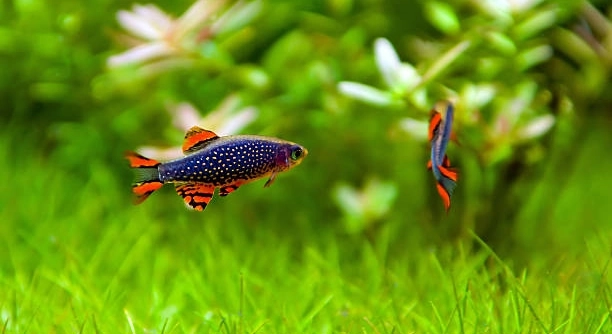
Many danio owners notice their energetic fish showing subtle changes that signal a need for more swimming space as their activity increases and their environment starts feeling slightly restrictive for their natural movement each day.
Danios display specific behavioral and physical indicators when they require a larger tank, including heightened restlessness, frequent surface pacing, tighter schooling patterns, and mild territorial interactions, all reflecting spatial limitations that compromise their comfort, activity levels, and overall long-term well-being.
These subtle signs highlight the importance of proper space for active danios, encouraging steady focus on their changing conditions each.
Increased Restlessness
Danios often show increased restlessness when their tank starts feeling too tight, and this shift becomes clear once you spend a little time watching their daily patterns. Their movements can look rushed, and they may swim with a level of intensity that feels different from their usual lively nature. I notice this kind of change easily because their behavior becomes far less coordinated, especially during feeding or when exploring their usual territories. When they no longer have enough room, they move in shorter bursts, often circling the same areas repeatedly. This behavior can gradually build, creating a steady pattern that reflects their need for wider, more open space. Their reactions to minor disturbances may also feel exaggerated, and they often zip around the tank in a way that appears stressed rather than playful. All these subtle shifts come together as a clear signal that the tank no longer meets their needs.
A tank that limits their natural movement leads to ongoing discomfort, making restlessness more frequent and persistent throughout the day.
When restlessness becomes routine, it usually means their environment is no longer supporting their active nature. This shift is a helpful indication to reassess tank size, especially if their pace and patterns have noticeably changed. A larger tank allows them to swim with smoother motion, reducing stress and restoring their confident, steady activity.
Tighter Schooling Behavior
Danios that begin pressing closer together during regular swimming patterns are often reacting to limited space, creating tighter formations that look slightly tense rather than natural.
When these fish swim in more compact groups, the change usually reflects reduced comfort within their environment. Their usual spacing becomes noticeably narrower, and the school may cluster around specific tank areas instead of spreading out freely across the setup. I often see this behavior when the group feels the tank walls closing in on them. Their movements can appear more rushed, and the fish may adjust direction abruptly to avoid bumping into each other. As the tank becomes more limiting, their synchronized motion turns slightly rigid, showing how the restricted space interferes with their natural rhythm. A larger tank gives them more freedom to maintain relaxed formations, reducing tension within the group and supporting healthier, more fluid movement patterns that match their active lifestyle.
Frequent Surface Pacing
Danios that begin pacing along the surface show a clear response to restricted space, often repeating the same path with little variation and displaying movements that look slightly rushed compared to their usual confident swimming patterns.
When surface pacing becomes a routine part of their day, it often means they are seeking a more open area that the current tank no longer offers. I tend to notice this shift when their laps across the top start appearing more urgent, especially if they circle the same stretch repeatedly. Their activity feels less exploratory and more like a constant attempt to find room. This pattern can slowly increase, becoming a normal part of their behavior. A larger tank usually helps them regain smoother motion, reducing the steady back and forth and giving them the space they need to move with ease.
Another detail that stands out is how pacing often blends with rapid turns near the corners. These sharp movements suggest they are adjusting to the confined layout rather than enjoying the space naturally. Over time, these habits can place steady strain on their comfort, making it harder for them to maintain a calm rhythm. Expanding their environment gives them the space required to navigate without constant interruption, supporting healthier behavior and a more relaxed presence.
More Frequent Chasing
Chasing that happens more often is a reliable sign of limited room, and it becomes noticeable when their once playful interactions start appearing more persistent or demanding during regular activity.
When space becomes too tight, their quick bursts of movement can turn into steady patterns of pursuit, often involving the same individuals in the group. I often notice these exchanges happening across shorter distances, where the fish circle around each other with little room to break away. Their motions appear slightly tense, especially when the tank layout forces them into abrupt turns. These repeated interactions show how restricted space can heighten their responses and disrupt their comfort. A larger tank helps ease this tension by giving them more distance to spread out and swim freely, reducing the frequency of these exchanges and supporting a more balanced atmosphere.
Reduced Hiding Behavior
Reduced hiding behavior often appears when danios feel confined, pushing them to stay in open areas because limited space removes comfortable spots. Their movements look more direct, and they may hover in shared regions instead of retreating to secluded spaces that support calmer behavior and help them feel slightly safer.
This shift becomes clearer when they stop exploring shaded corners that once offered quiet relief. Their presence in busy areas grows constant, showing how restricted layouts alter their comfort. I notice this change easily when their need for privacy fades and their movement patterns become repetitive across the same open.
Decreased Feeding Confidence
Danios that begin eating with less confidence often respond to tight conditions that interrupt their natural rhythm during feeding time. I usually notice this when they approach food with shorter bursts instead of their usual steady motion. Their movements appear slightly hesitant, and they may retreat after quick nibbles, signaling that the environment no longer supports comfortable feeding behavior. When space becomes too limited, these changes grow more frequent, reducing their ability to compete for food. A larger tank helps restore their confidence by giving them more room to maneuver, improving both feeding patterns and overall activity levels throughout day.
Reduced Playful Interactions
Playful interactions often fade when danios feel restricted, leading to shorter bursts of activity that appear more functional than expressive. Their social exchanges lose their usual flow, and they spend more time navigating tight areas instead of engaging freely, showing how limited space affects their overall comfort in their tank.
How do I know if my danios are stressed due to space?
Stress in danios is often shown through changes in behavior. Signs include frantic swimming along tank edges, tighter schooling patterns, frequent chasing, and reduced hiding. I often notice that stressed fish appear less coordinated, with rapid turns and sudden bursts of energy. They may also avoid areas they once explored freely. Stress affects feeding behavior too; hesitant eating or retreating after small bites is a clear indicator. These patterns develop gradually but become noticeable once their tank no longer meets their swimming needs. Observing daily routines closely is the best way to detect these subtle signs.
Can overcrowding cause health issues for danios?
Yes, overcrowding can directly affect their health. Limited space increases competition for food and oxygen, which may weaken immune systems and make fish more prone to infections. I have seen danios develop minor injuries from constant contact with each other or tank decorations, especially when chasing becomes frequent. Poor water circulation in cramped tanks leads to higher waste concentration, further stressing the fish. Over time, this can result in slower growth, duller coloration, and lower activity levels. A larger tank helps mitigate these problems by improving water quality, reducing physical stress, and allowing fish to swim naturally, supporting better overall health.
How big should a tank be for active danios?
Active danios thrive in tanks that provide both horizontal and vertical swimming space. I usually recommend a minimum of 20 gallons for a small group of four to six fish. More fish require larger setups to maintain comfortable spacing. The key is not just volume but allowing ample room for movement and exploration. Tanks with open swimming areas combined with scattered plants or decorations create balance, offering space for both activity and shelter. Adequate size prevents restlessness, reduces chasing, and supports healthier schooling behavior. A spacious tank also makes feeding and monitoring easier, contributing to longer-term well-being.
Is water quality affected by tank size?
Yes, smaller tanks tend to accumulate waste faster, affecting ammonia and nitrate levels. In cramped conditions, even frequent water changes may not fully stabilize water quality. I notice in smaller setups that fish appear more stressed and active behaviors change quickly. Larger tanks dilute waste more efficiently, keeping chemical levels more stable. This reduces stress on fish, minimizes health risks, and supports natural behaviors. Maintaining proper filtration and monitoring water parameters is still essential, but the larger volume acts as a buffer against sudden spikes, helping the fish stay healthy and active consistently.
What behavior changes indicate a need for a bigger tank?
Behavioral changes such as repeated surface pacing, reduced hiding, tighter schooling, and increased chasing are clear indicators. I notice these shifts over weeks as fish lose confidence in their space. Even feeding patterns can reveal the issue; hesitant bites or retreating after food suggest discomfort. Reduced playful interactions also appear as movement becomes functional rather than expressive. Paying attention to these cumulative changes allows early intervention, preventing stress-related health issues. Providing a larger tank restores natural behaviors, letting the fish swim, explore, and interact without restriction, which ultimately improves their overall activity and appearance.
Can tank size influence social dynamics?
Tank size strongly impacts social interactions. In tight spaces, chasing and minor aggression increase as fish compete for limited room. I observe tighter formations during schooling and fewer opportunities for calm rest. Larger tanks reduce conflict, allowing fish to form natural hierarchies without constant stress. Social interactions become more fluid, playful behaviors return, and competition for food is less intense. Open space lets shy individuals escape from more assertive fish, supporting a balanced group dynamic. Proper tank size not only encourages healthier swimming but also fosters calmer, more natural relationships within the group, promoting long-term welfare.
How quickly should I upgrade a tank once signs appear?
Once you notice repeated signs of restlessness, chasing, or surface pacing, upgrading should happen promptly. I usually suggest planning for a new tank as soon as possible to prevent prolonged stress. Fish can adapt quickly to larger spaces, but delaying expansion prolongs tension and affects health. Gradually acclimating them to the new environment helps maintain stability. A larger tank immediately relieves pressure, restores confident swimming, and improves feeding patterns. Quick action ensures the group remains active and healthy, reducing stress-induced behaviors while supporting natural movement and social interactions.
What additional steps help during the transition to a larger tank?
When moving danios, I always acclimate them slowly to avoid shock. Floating their bag in the new tank, mixing small amounts of water gradually, and monitoring behavior closely are key steps. Adding plants and decorations helps provide familiar cues, making exploration less stressful. Filtration and temperature should match the previous tank, and I keep feeding consistent during the transition. Observing for signs of stress or hesitation over the first few days ensures they settle comfortably. Proper introduction prevents sudden aggression or disorientation and supports smooth adjustment to the larger environment, maximizing the benefits of the upgrade.
How often should I monitor their behavior in a new tank?
Daily observation during the first two weeks is critical. I focus on swimming patterns, social interactions, feeding behavior, and general activity. Subtle signs of stress, like surface pacing or hesitancy, can still appear even after expansion. Regular monitoring helps detect issues early and allows adjustments to decoration, plant placement, or group dynamics. Gradually, fish settle into the new environment, and their natural routines re-emerge. Maintaining a habit of consistent observation keeps the group healthy, encourages confident swimming, and ensures that their social and physical needs are met in the larger space.
Danios are active, social fish that rely heavily on space to maintain their natural behaviors. Observing changes such as restlessness, surface pacing, tighter schooling, and reduced playful interactions provides a clear signal that their current tank no longer meets their needs. These behaviors do not appear overnight; they develop gradually as the fish adjust to the limits of their environment. Paying close attention to daily routines is essential, as even small changes in swimming patterns, feeding behavior, or social dynamics can indicate that the tank is too small. Recognizing these signs early helps prevent prolonged stress, which can impact both physical health and overall activity levels. Proper tank size is not simply about aesthetics or volume; it directly affects the comfort, freedom, and well-being of the fish.
Expanding to a larger tank improves both physical and behavioral health for danios. A spacious environment allows them to swim freely, explore corners, and establish comfortable social patterns without constant interference. It reduces competition for food, minimizes chasing, and provides sufficient room for shy individuals to avoid more dominant fish. The added space also helps maintain water quality by diluting waste, which supports healthier conditions and lowers the risk of disease. Alongside proper filtration and regular maintenance, increasing tank size ensures that their environment remains stable and supportive of natural routines. Fish that have access to adequate space tend to display more confident and relaxed behaviors, enhancing feeding, schooling, and playful interactions. Observing how quickly they adapt to the new environment also provides reassurance that their needs are being met.
Upgrading a tank should be approached thoughtfully, with careful acclimation and attention to the fish’s responses. Introducing danios gradually to a new, larger tank helps minimize stress and allows them to adjust to differences in space, layout, and water conditions. Including familiar decorations and plants provides comfort and encourages exploration while preserving a sense of security. Daily observation during the first few weeks is key to ensure they are settling in well and that their behavior returns to normal. The long-term benefits of a larger tank are clear: healthier, more active fish that display natural social and physical behaviors. Prioritizing tank size is a simple yet effective way to support the overall well-being of danios, ensuring they remain vibrant, confident, and comfortable in their aquatic environment.

Hello,
If you enjoy the content that we create, please consider saying a "Thank You!" by leaving a tip.
Every little bit helps us continue crafting quality advice that supports the health, happiness, and well-being of pets around the world, for pets of all shapes, sizes, and species.
We really appreciate the kindness and support that you show us!