
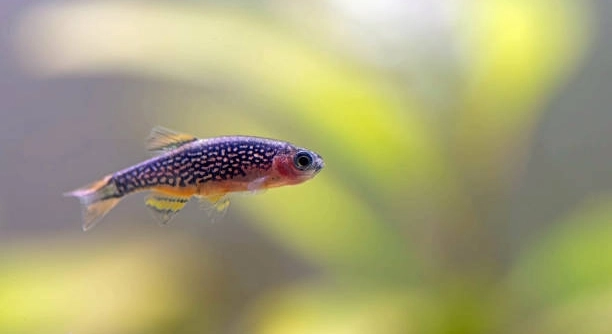
Introducing new danios to your aquarium can feel challenging, especially when trying to maintain peace among your existing fish. Understanding their behavior and the proper steps can help prevent stress and unnecessary conflict in the tank environment.
The most effective method for introducing new danios involves careful quarantine, gradual acclimation, and monitoring for signs of aggression. Proper preparation and a structured approach reduce stress and minimize territorial disputes, ensuring a harmonious integration of all fish in the aquarium.
Following these steps will make the transition smoother and support a stable, healthy aquarium environment for both new and existing danios.
Preparing the Aquarium
Before adding new danios, make sure your tank is fully prepared. Clean the tank and remove any uneaten food or debris. Check water parameters such as temperature, pH, and ammonia levels to ensure they are stable. Adding plants and hiding spots can help reduce stress, giving both existing and new fish places to retreat. Avoid overcrowding the tank, as this increases aggression and tension. Gradually adjust the water temperature if your new fish come from a different environment. Keep lighting moderate to prevent sudden changes that can startle the fish. Consider rearranging decorations slightly to disrupt established territories, giving new danios a fair chance to settle in. A well-prepared aquarium supports smoother integration and promotes healthier, calmer fish overall.
Preparing the tank carefully makes introductions less stressful. Stable water conditions and hiding spaces are key to avoiding aggression and illness.
Small adjustments, like moving decorations and monitoring water quality, can significantly impact the comfort and behavior of all fish, creating a more peaceful tank.
Quarantine and Observation
Quarantining new danios before introducing them to the main tank is essential. Use a separate tank to monitor for illness or parasites for at least two weeks. Observe their eating habits and activity levels. Healthy fish are more likely to adapt well to the main tank. Isolation also prevents potential disease spread. Make sure the quarantine tank has similar water conditions to the main aquarium to reduce shock when transferring. Frequent observation helps detect subtle signs of stress or sickness early, allowing for prompt intervention. Document any unusual behavior or coloration changes. Once fish appear healthy, gradually introduce them to the main tank using a float or drip acclimation method.
Quarantining keeps your main tank safe while giving new fish time to adjust.
During this period, you can slowly prepare the new danios for the environment, ensuring a smoother transition. Adjust water temperature and chemistry carefully. Slowly mix tank water with quarantine water over several hours to help them acclimate. This method reduces stress, lowers the risk of disease transfer, and increases the likelihood of harmonious social interactions. Pay attention to individual fish personalities, as some may be more timid or dominant. By observing their behavior in quarantine, you can anticipate potential conflicts and plan placement of hiding spots or barriers in the main tank. This careful approach supports a stable, healthy aquarium for all inhabitants and minimizes sudden disruptions to the established ecosystem.
Gradual Acclimation
Acclimating new danios slowly reduces stress and helps them adjust to the tank environment. Temperature and water chemistry differences must be balanced gradually to prevent shock or illness. Using a drip method or floating the bag are common approaches.
Begin by floating the sealed bag containing the new danios in the main tank for about 15-20 minutes. This allows the water inside the bag to reach a similar temperature as the aquarium. Next, slowly add small amounts of tank water into the bag every 10 minutes over an hour. This gradual mixing helps fish adjust to differences in pH, hardness, and other water parameters. Avoid rushing this process, as sudden changes can cause stress, weakening their immune system and making them more prone to disease. Observing the fish closely during acclimation ensures they are not overly stressed and ready for transfer.
Once acclimation is complete, gently release the danios into the aquarium. Avoid pouring bag water into the tank to reduce contamination risk. Monitor the fish closely for the first few hours to see how they adapt to their new surroundings. Ensure hiding spaces are accessible and that the existing fish do not immediately harass the newcomers.
Monitoring Behavior
Pay close attention to interactions between new and existing danios to prevent aggression. Notice chasing, nipping, or hiding behavior.
Initial interactions may be tense, with established fish asserting dominance. Provide ample space and visual barriers to reduce stress. Observe feeding patterns to ensure new danios are eating and not being bullied. Separate overly aggressive fish if necessary.
Monitor daily for signs of stress or illness. Note changes in color, appetite, or activity. Make small adjustments to tank layout or decorations if aggression persists. Use a net divider temporarily to allow shy or bullied fish to acclimate safely. Keeping a consistent schedule for feeding and water checks helps maintain stability, reducing the chance of conflict. If aggression continues, be ready to remove the most dominant fish to protect the newcomers. This careful observation and adjustment phase ensures the aquarium remains a peaceful environment for all danios.
Feeding Adjustments
Introduce food gradually to prevent competition and stress. Offer small portions multiple times a day to ensure all danios get adequate nutrition.
Monitor how both new and existing fish respond to feeding. Adjust amounts and timing if some fish are being left out or bullied.
Territorial Management
Rearranging decorations and adding plants can break up established territories. This helps reduce aggression as new danios settle in. Providing hiding spots for shy fish allows them to explore safely without being chased. Rotating or shifting decorations occasionally prevents dominance patterns from forming and encourages a calmer tank environment.
Health Checks
Regularly inspect both new and existing danios for signs of disease or stress. Look for changes in color, fins, or swimming behavior. Early detection allows for prompt treatment and prevents outbreaks from spreading.
FAQ
How long should I quarantine new danios before adding them to the main tank?
Quarantining new danios for at least two weeks is recommended. This period allows you to monitor for signs of illness, parasites, or unusual behavior. Keeping them separate also prevents potential diseases from spreading to your established fish. Ensure the quarantine tank has similar water conditions to minimize stress during acclimation.
What is the best way to acclimate new danios to the main tank?
A gradual acclimation process is essential. Start by floating the sealed bag in the tank for 15-20 minutes to equalize temperature. Then, slowly mix small amounts of tank water into the bag over an hour. Once water parameters are balanced, gently release the fish without adding bag water into the tank to avoid contamination.
How can I reduce aggression between new and existing danios?
Aggression is often territorial. Rearranging decorations or adding plants can break up established territories and provide hiding spots for shy fish. Feeding small portions multiple times a day ensures all fish eat without competition. Monitor interactions closely, and consider temporarily separating overly aggressive fish if necessary.
Can overcrowding cause problems when introducing new danios?
Yes, overcrowding increases stress and the likelihood of fighting. Make sure your tank has enough space for all fish to swim comfortably. A general rule is one inch of fish per gallon of water, though this depends on the species’ activity level. Providing plants and visual barriers also helps reduce tension.
What signs indicate that new danios are stressed or unhealthy?
Look for changes in color, clamped fins, erratic swimming, or refusal to eat. Isolation or hiding more than usual can also indicate stress. Early detection is key, so observe your fish daily, especially during the first week after introduction. Prompt action can prevent illness from spreading.
Should I rearrange the tank before adding new danios?
Yes, slight rearrangement can help. Moving decorations or plants disrupts established territories, giving newcomers a better chance to settle without immediate aggression. Make sure to leave plenty of hiding spots and spaces for all fish to reduce stress during the initial days.
How often should I feed my fish when introducing new danios?
Feed small amounts multiple times a day instead of one large feeding. This approach reduces competition and ensures all fish, including shy or bullied individuals, get enough nutrition. Observing eating behavior also helps detect early signs of stress or illness.
Is it necessary to separate aggressive fish immediately?
Separation should be considered if aggression persists and causes injury or stress. Use a temporary divider or a separate tank until the aggressive fish calms down or until the newcomers adjust. This step prevents long-term harm and maintains a peaceful tank environment.
How do I know when new danios have fully settled in?
Settling in is indicated by regular swimming patterns, active feeding, and minimal chasing or hiding. Once fish explore the tank confidently and interact without excessive aggression, they are likely comfortable. Continue monitoring to maintain a stable environment.
Can water changes help with integration?
Yes, regular water changes improve water quality, reduce stress, and prevent illness. Cleaner water supports both new and existing fish during the adjustment period. Gradual water changes also help maintain stable parameters, which is especially important for sensitive species like danios.
How long does it typically take for new danios to integrate fully?
Integration can take anywhere from a few days to a couple of weeks. Factors like tank size, number of fish, and individual personalities influence the timeline. Patience and careful observation are key to ensuring a smooth transition and a harmonious aquarium.
What should I do if aggression continues despite all precautions?
Persistent aggression may require removing the most dominant fish temporarily or permanently. Another option is increasing hiding spaces or rearranging the tank again. Always prioritize the well-being of stressed or injured fish to maintain overall tank harmony.
Are there signs that indicate my tank setup is unsuitable for adding new fish?
Frequent fights, overcrowding, poor water quality, or rapid spread of illness are clear indicators. Address these issues before introducing new danios. Proper tank size, sufficient hiding spots, and stable water parameters are critical for successful integration.
How can I make feeding more equitable for all fish?
Distribute food in multiple areas of the tank, not just one spot. Use sinking pellets or flakes to reach shy bottom dwellers. Feeding small amounts often prevents aggressive fish from dominating meals, ensuring all fish get enough nutrition to stay healthy.
What role do plants and decorations play in reducing stress?
Plants and decorations create hiding spots and visual barriers, reducing direct competition and aggression. They help shy fish feel secure and allow dominant fish to establish territories without harming newcomers. Rearranging them occasionally can maintain balance and keep the tank environment peaceful.
Final Thoughts
Introducing new danios to your aquarium requires patience and careful planning. Rushing the process can lead to stress, illness, or even injury among the fish. Taking the time to prepare the tank, quarantine the newcomers, and acclimate them gradually will significantly improve the chances of a smooth integration. Clean water, stable temperature, and proper pH levels are essential for minimizing stress. Ensuring there are hiding spots and visual barriers helps both new and existing fish feel safe while they adjust to each other. Simple measures like these can prevent many common problems that arise during introductions and help maintain a calm, healthy aquarium.
Observing behavior closely is equally important. Watch for signs of aggression, stress, or illness among all fish in the tank. Shy fish may need extra hiding spaces, while overly aggressive fish might require temporary separation. Feeding small amounts multiple times a day can reduce competition and ensure all fish receive proper nutrition. By monitoring their responses and adjusting the environment when necessary, you can prevent minor issues from becoming major problems. Even small changes, like slightly moving decorations or adding new plants, can create a more balanced and peaceful tank dynamic. These steps support the long-term health of your fish and make the aquarium a more enjoyable space to maintain.
Maintaining a stable and harmonious environment is a continuous process. Even after the new danios have settled, keep checking water quality, observing behavior, and providing enrichment through plants or decorations. Gradual adjustments and consistent care help prevent future conflicts and ensure all fish thrive together. Remember that each fish has a unique personality, and some may take longer to adapt than others. Patience and attention to detail are key to successful introductions. Following these steps will not only protect the health of your danios but also create a more peaceful and visually appealing aquarium, where both new and existing fish can coexist comfortably.

Hello,
If you enjoy the content that we create, please consider saying a "Thank You!" by leaving a tip.
Every little bit helps us continue crafting quality advice that supports the health, happiness, and well-being of pets around the world, for pets of all shapes, sizes, and species.
We really appreciate the kindness and support that you show us!