
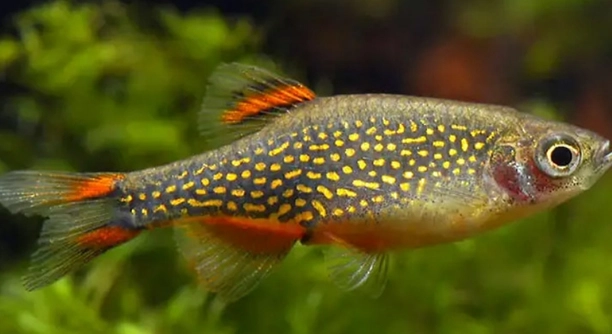
Danios are small, lively fish often kept in home aquariums. Observing them can be relaxing, as they swim actively together. Their movements sometimes appear coordinated, creating a natural sense of harmony and rhythm in the tank.
Danios exhibit synchronized swimming due to social behavior, environmental cues, and instinctive schooling patterns. These coordinated movements reduce stress, improve predator awareness, and facilitate efficient foraging. Synchronized swimming is a combination of sensory input and instinctive motor response.
Learning how these fish interact can reveal surprising insights into their social and environmental needs within an aquarium setting.
The Science Behind Their Synchronized Swimming
Watching a group of danios move in unison is more than just entertaining; it reflects natural behavior shaped by evolution. These fish instinctively school to protect themselves from potential threats. Each danio constantly senses the movements of nearby fish, adjusting speed and direction to maintain formation. Water currents, light conditions, and tank layout also influence their swimming patterns. Even slight changes in the environment can alter how synchronized the group appears. Stress or illness may disrupt their coordination, while a calm, well-maintained tank encourages natural schooling. Observing their movement offers insight into their social structure and overall well-being.
The tight coordination is primarily due to instinct and constant visual cues from other fish. They rely on each other to maintain spacing and speed, creating that flowing, unified effect.
Understanding these patterns helps keep danios healthy and comfortable. Providing enough space, consistent feeding, and stable water conditions supports natural behavior. Their synchronized swimming is not just entertaining—it indicates proper social interaction and environmental adaptation. Over time, it becomes clear which factors encourage harmony and which may cause disturbances. Adjusting tank conditions and observing responses can enhance their behavior. This synchronization also demonstrates how sensitive danios are to changes, emphasizing the importance of attentive care. Proper schooling reduces stress, prevents injury, and promotes efficient foraging. In group settings, these fish exhibit subtle leadership, following the movements of more confident individuals. Recognizing these dynamics can improve aquarium management and deepen understanding of fish behavior. Maintaining stable, enriched environments ensures they continue to thrive, showing off the graceful swimming patterns that are natural to their species.
Environmental Triggers for Their Dance
Light levels, water flow, and tank size all influence danios’ synchronized movement. Changes in these factors can either enhance or disrupt their coordinated swimming.
Danios are highly responsive to subtle shifts in their environment. Bright lighting can encourage activity, while dim lighting may slow movement. Strong currents may challenge their coordination, prompting faster swimming to maintain formation. Overcrowding reduces the ability to move freely, while a spacious tank encourages natural schooling. Even temperature fluctuations can impact energy levels and swimming rhythm. Tank decorations and hiding spots provide reference points, helping them align more easily with one another. Each environmental element interacts to influence the group’s overall behavior, making careful setup and maintenance essential for observing smooth, synchronized swimming patterns in these lively fish.
How Group Size Affects Synchrony
Smaller groups of danios often swim less in sync, while larger groups show stronger coordination. The number of fish directly impacts how they respond to each other’s movements and maintain formation.
As the group size increases, danios have more visual cues to follow, which improves timing and alignment. In small groups, each fish has less information about the positions and movements of others, making synchronization harder. Larger schools create a feedback loop, where each fish adjusts continuously based on its neighbors. This constant interaction reinforces group cohesion, reduces sudden direction changes, and helps maintain energy-efficient swimming. Studies show that danios prefer to stay in groups of six or more for optimal schooling behavior. When observing them in an aquarium, it becomes clear that spacing, group size, and responsiveness all contribute to the smooth flow of synchronized movement. The dynamics are subtle, but essential for natural behavior.
Group size also influences social hierarchy and leadership within the school. In larger schools, certain fish may take the lead, guiding the group while others follow. This structure enhances efficiency, ensures everyone stays together, and maintains coordinated patterns. Smaller schools lack this structure, often resulting in less consistent movement. The presence of more fish allows danios to balance speed, direction, and spacing effectively, reducing collisions and stress. Their coordination is more apparent and visually striking in a well-sized school, demonstrating the importance of keeping adequate group numbers in an aquarium. Properly sized groups not only improve movement but also support social interaction, making their behavior more natural and predictable.
Feeding Times and Movement Patterns
Danios often synchronize swimming during feeding times, creating a rhythmic, almost choreographed motion across the tank.
The timing and placement of food strongly influence their swimming patterns. When food is introduced, fish move quickly toward it, but they often maintain relative positions, creating coordinated motion. Their natural schooling instincts drive them to stay together, even while competing for resources. Feeding triggers excitement and heightened activity, which enhances the appearance of synchronized swimming. Regular feeding schedules help maintain consistency in these patterns. Variations in food type, size, and method of delivery can also impact their behavior, sometimes changing the flow and intensity of movement. Observing these reactions reveals how instinctive responses to feeding intersect with social behavior and schooling instincts. Proper feeding techniques encourage smooth, coordinated movement while minimizing aggression and stress.
Feeding-based synchronization also highlights energy management within the school. Fish adjust swimming speed to conserve energy while maintaining coordination, ensuring all members can access food efficiently. Over time, danios develop predictable movement patterns linked to feeding, creating visually appealing routines in the tank. Understanding these dynamics can guide feeding strategies to support both health and natural behavior. Consistent feeding and strategic placement reduce competition, minimize stress, and enhance the schooling effect. This pattern shows how instinctive behaviors combine with environmental cues to produce synchronized motion, emphasizing the importance of timing, food distribution, and careful observation in managing a harmonious aquarium.
Response to Tank Mates
Danios adjust their swimming patterns depending on other fish in the tank. Calm or slow-moving species encourage gentle, smooth movement, while aggressive or fast fish can disrupt synchronization.
Compatibility and behavior of tank mates directly impact schooling. Stressful interactions reduce coordinated swimming, while peaceful neighbors help maintain rhythm.
Light and Reflection Effects
Lighting intensity and reflections on the tank walls influence danios’ coordination. Bright light often increases activity, while dim or uneven lighting can slow movement. Mirrors or reflective surfaces can create the illusion of other fish, encouraging synchronized swimming as danios react to perceived companions.
Temperature Influence
Water temperature affects danios’ energy levels and swimming speed. Cooler water slows movement, reducing coordination, while warmer water increases activity, promoting more visible synchrony.
FAQ
Why do danios swim in sync?
Danios swim in sync as part of their natural schooling behavior. This coordination helps protect them from predators, improves foraging efficiency, and reduces stress. Each fish constantly monitors the movements of its neighbors and adjusts speed and direction accordingly, creating a smooth, collective motion. Environmental factors such as water flow, tank size, and lighting also influence the level of synchronization.
How many danios are needed to see synchronized swimming?
A minimum of four to six danios is usually needed for noticeable synchronized swimming. Smaller groups have less visual input and tend to move independently. Larger groups provide more cues, helping each fish align with the others, creating stronger cohesion and visually striking movement patterns.
Does tank size matter for synchrony?
Yes, tank size is crucial. A cramped tank limits movement and prevents proper spacing, making synchronized swimming difficult. A larger tank allows danios to swim freely, adjust positions smoothly, and maintain natural school formation. Proper spacing also reduces stress and potential collisions.
Do other fish affect their synchronization?
Yes, tank mates influence danios’ schooling behavior. Aggressive or highly active fish can disrupt their patterns, while calm and compatible species support smooth, coordinated movement. Stressful interactions often break formation, while peaceful neighbors allow natural schooling instincts to shine.
How does feeding influence their swimming patterns?
Feeding triggers heightened activity and can enhance synchronized swimming. Danios move quickly toward food while maintaining relative positions. Regular feeding schedules help maintain consistency in these patterns, while variations in food placement or type can change their movement rhythm.
Does light affect their coordination?
Light intensity and reflections play a significant role. Bright light encourages activity and can improve synchronization, while dim or uneven lighting may slow movement. Reflective surfaces can trick danios into thinking there are more companions, which often prompts tighter, more coordinated swimming.
How does water temperature impact their movement?
Water temperature directly affects energy levels and swimming speed. Cooler temperatures slow activity and reduce coordination, while slightly warmer temperatures increase movement, making synchronized patterns more visible. Stable, appropriate temperatures help maintain consistent schooling behavior.
Can stress affect their synchronized swimming?
Stress disrupts coordination. Factors like poor water quality, overcrowding, sudden changes in the environment, or aggressive tank mates can lead to erratic swimming and break formation. Reducing stress with proper care, tank maintenance, and compatible groupings supports natural, smooth swimming patterns.
Are certain danio species more likely to synchronize?
Yes, some species, such as the zebra danio, are more prone to schooling and synchronized swimming due to instinctive behaviors. These species naturally form tight schools and respond quickly to neighbors’ movements, while others may exhibit looser group formations.
How can I encourage better synchronization in my tank?
Maintaining a calm, stable environment with enough space, proper group size, consistent feeding, compatible tank mates, and suitable lighting supports synchronized swimming. Observing their behavior and making gradual adjustments ensures that the group remains cohesive and healthy, enhancing their natural patterns over time.
Can reflections or mirrors help danios swim in sync?
Yes, reflections can encourage synchronized behavior. Mirrors or reflective surfaces trick danios into perceiving additional companions, prompting tighter coordination and smoother movement. However, excessive or prolonged use may stress some fish, so it’s best to observe their reactions carefully.
Does the time of day affect their swimming behavior?
Danios are more active during daylight hours, which enhances visible synchronization. Early morning and evening may see reduced activity, affecting schooling patterns. Maintaining a consistent light schedule helps keep their behavior predictable and synchronized.
How can I tell if my danios are healthy through their swimming?
Smooth, coordinated swimming is a good indicator of health and comfort. Erratic, slow, or isolated movement may signal stress, illness, or environmental problems. Observing their schooling patterns regularly can help identify issues early and allow for prompt intervention.
Do danios always swim in perfect sync?
Not always. Synchronization varies with group size, environmental conditions, and individual temperament. Even in optimal conditions, minor deviations occur, but the overall cohesion remains apparent. Occasional shifts are natural and part of their adaptive behavior.
Can synchronized swimming reduce aggression in the tank?
Yes, coordinated movement can reduce stress and aggressive encounters. When danios swim in sync, they maintain spacing and structure, which minimizes competition and helps balance social dynamics, especially in larger groups.
Are there signs that synchronization is being disrupted?
Yes. Erratic swimming, sudden separation from the group, or collisions indicate disruption. These behaviors may result from poor water quality, inappropriate group size, aggressive tank mates, or changes in light or temperature. Correcting environmental factors restores proper schooling.
Does diet influence their coordinated swimming?
Proper nutrition affects energy levels and stamina. Well-fed danios swim actively and maintain synchronization more easily. Inadequate or irregular feeding can reduce energy, causing slower movements and less cohesive schooling patterns.
Can older or younger fish affect the group’s synchrony?
Yes, age and experience impact coordination. Older, more confident fish often lead and stabilize the group, while very young or weak individuals may struggle to keep pace, affecting overall cohesion. Balancing age groups can improve smooth swimming across the school.
Is synchronized swimming purely instinctive or learned?
It’s a combination. Instinct drives the basic schooling behavior, but fish refine their coordination through observation and interaction with the group. They adjust to neighbors’ movements and environmental conditions over time, enhancing cohesion and creating visually striking patterns.
How long does it take for new danios to synchronize?
New additions may take several days to weeks to integrate fully into the group. During this time, they observe and respond to existing members, gradually learning positioning, speed, and spacing, which leads to smoother, synchronized swimming over time.
Does water current affect their synchronization?
Yes, water flow influences swimming patterns. Gentle currents can encourage coordination, while strong or uneven currents may disrupt alignment. Properly balanced circulation supports natural schooling and reduces stress, allowing danios to maintain cohesive movement.
Can synchronized swimming indicate reproductive readiness?
Occasionally, heightened schooling and coordinated movement occur during breeding behavior. Male danios may swim more actively together to display fitness and attract females. While not a definitive sign, observing these patterns alongside other cues can indicate reproductive activity.
How important is spacing between fish for synchronization?
Proper spacing is essential. Too little space leads to collisions and disrupted schooling, while too much spacing makes coordination harder. Maintaining an even distribution allows each fish to respond accurately to neighbors and sustain fluid, synchronized movement.
Does tank decoration impact synchronized swimming?
Decorations can influence movement by creating obstacles or reference points. Strategically placed plants, rocks, and hiding spots help danios navigate and maintain formation. Overcrowding the tank with décor can hinder smooth schooling, while minimal obstacles support cohesive movement and natural behavior.
Can synchronized swimming be used to monitor aquarium health?
Yes. Consistent, smooth coordination indicates a healthy, well-maintained environment. Disruptions often signal stressors such as poor water quality, overcrowding, or temperature fluctuations. Monitoring swimming patterns provides insight into both fish well-being and tank conditions, allowing timely corrective measures.
How do danios adjust when one fish falls behind?
When a fish lags, others often slow down or shift formation to maintain cohesion. The group adapts quickly to preserve spacing and alignment, demonstrating flexibility in schooling behavior. Persistent lagging may indicate health or stress issues in the individual fish.
Do danios ever change their leader in the school?
Yes, leadership can shift based on confidence, experience, or energy levels. Dominant or more experienced fish often take the lead, but others can assume the role if conditions change. This fluid leadership supports coordination and overall school stability.
Are synchronized swimming patterns the same in every tank?
No, patterns vary with group size, tank layout, lighting, and social dynamics. While the basic instinct to school remains, the visual effect and rhythm differ depending on environmental and social conditions, making each tank unique in its display.
How can I make synchronized swimming more noticeable?
Ensuring proper group size, compatible tank mates, sufficient space, stable temperature, and consistent feeding enhances visibility. Using clear tank walls, minimal reflections, and strategic lighting can also highlight movement. Observing during peak activity periods, such as feeding or daylight hours, accentuates the coordinated patterns.
What should I do if synchronization suddenly stops?
Check for stressors such as water quality issues, overcrowding, sudden environmental changes, or aggressive tank mates. Addressing these factors often restores schooling behavior. Observe fish closely for illness or injury, as health problems can also disrupt coordination.
Does synchronized swimming serve a purpose beyond protection and foraging?
Yes, it supports social bonding, energy efficiency, and stress reduction. Swimming in unison allows fish to maintain spacing, reduce collisions, and respond collectively to environmental cues, promoting overall well-being.
Can adding new danios disrupt existing synchronization?
Yes, introducing new fish temporarily disturbs coordination. Existing members may react defensively or adjust formation. Gradual acclimation and careful observation help integrate newcomers without long-term disruption, allowing the school to return to smooth, synchronized movement.
Do danios ever swim alone?
While they can swim alone, solitary movement is uncommon and may indicate stress, illness, or inappropriate tank conditions. Schooling is instinctive, so individual fish generally prefer to stay with a group for safety, efficiency, and social interaction.
How does water quality impact synchronized swimming?
Poor water quality increases stress, slows movement, and disrupts schooling. Ammonia, nitrite, or nitrate spikes, pH swings, or insufficient filtration all negatively affect coordination. Maintaining clean, stable water ensures healthy, synchronized swimming patterns.
Can synchronized swimming help identify individual fish personalities?
Yes, subtle differences in position, speed, and responsiveness reveal personality traits. Some fish consistently lead, others follow, and a few may lag. Observing these roles helps understand social dynamics and provides insight into individual behavior within the school.
Is synchronized swimming purely visual or do other senses play a role?
Other senses, like the lateral line system, are critical. Danios detect water vibrations and pressure changes from nearby fish, allowing them to adjust movement even without direct visual contact. This sensory input enhances precision in schooling behavior.
Do environmental changes permanently affect synchronization?
Temporary changes may disrupt schooling, but most danios adapt quickly once conditions stabilize. Persistent poor conditions, such as chronic overcrowding or unsuitable water quality, can lead to long-term disruption and stress, highlighting the importance of consistent care.
How often do danios practice synchronized swimming in a tank?
They frequently exhibit coordinated swimming, especially during feeding, exploration, or heightened activity. Even during calm periods, subtle alignment occurs as part of schooling instincts. Regular observation reveals these natural, ongoing behaviors.
Can synchronized swimming indicate social hierarchy?
Yes, movement patterns can reflect social roles. Dominant or confident fish often lead, while others follow, maintaining spacing and cohesion. Observing leadership shifts and positioning provides insight into social structure and group dynamics.
Does synchronized swimming improve over time in captivity?
Yes, as danios adapt to their environment, learn each other’s behaviors, and establish social structure, coordination typically becomes smoother and more consistent. Gradual adjustments enhance overall schooling patterns.
How do danios recover synchronization after disruption?
They gradually realign by responding to neighbors’ movements and adjusting speed and spacing. Recovery may take minutes to hours, depending on group size, environmental factors, and individual behavior, restoring cohesive schooling behavior.
Can synchronized swimming be influenced by human interaction?
Yes, frequent movement near the tank, tapping, or sudden disturbances can temporarily disrupt schooling. Calm observation and minimal interference allow natural coordination to continue without stress.
Do danios ever synchronize with fish of other species?
Occasionally, they may loosely align with other peaceful species, especially if the movements are similar. However, true tight synchronization is rare and usually occurs primarily within their own species, driven by instinctive schooling behavior.
How important is consistency in their environment for maintaining synchronization?
Consistency in temperature, lighting, feeding, tank mates, and water quality is key. Stable conditions reduce stress and support natural schooling, ensuring danios continue to display coordinated swimming patterns reliably.
Can synchronized swimming be a sign of happiness in danios?
Yes, smooth, consistent, and active schooling usually indicates comfort, low stress, and proper care. While not a guarantee, it’s a strong behavioral indicator of overall well-being in a healthy aquarium environment.
Does synchronized swimming require daily observation to maintain?
Regular observation helps detect disruptions, stress, or health issues but does not directly maintain synchronization. Proper care, tank setup, and environmental consistency are the main factors supporting continued coordinated behavior.
How long do danios typically maintain synchronized swimming periods?
Periods vary based on activity, feeding, and environmental conditions. During feeding or exploration, synchronized swimming can last several minutes, while calm periods may see subtler alignment. Overall, coordinated movement is a frequent and recurring behavior throughout the day.
Can synchronized swimming patterns change seasonally?
In a stable aquarium, seasonal changes have limited impact, though natural light cycles or temperature fluctuations may slightly alter activity and coordination. Maintaining controlled conditions minimizes these variations, supporting consistent schooling behavior.
Do synchronized swimming patterns differ between males and females?
Males may display slightly more active or assertive patterns, especially during breeding periods, while females often follow. Differences are subtle, and schooling behavior remains cohesive across sexes, with coordination maintained by instinctive responses.
Can synchronized swimming indicate dominance disputes?
Occasionally, changes in position, speed, or spacing reflect minor dominance interactions. Leaders may assert themselves, while others adjust formation. Observing these subtle shifts helps identify social hierarchy without aggression disrupting the group.
Are there signs that synchronization is improving in a new group?
Yes, gradual tightening of spacing, smoother directional changes, and reduced collisions indicate improved coordination. Over days to weeks, new members integrate, and overall schooling becomes more fluid and cohesive, showing successful adaptation to the group.
How can I track synchronized swimming progress over time?
Regular observation, noting patterns during feeding, exploration, and calm periods, helps track cohesion. Video recording or taking brief notes on spacing, speed, and alignment can provide clear evidence of changes and improvements in schooling behavior.
Does synchronized swimming require special lighting setups?
No special lighting is required, but even, moderate light enhances visibility and encourages activity. Avoiding harsh glare or deep shadows helps maintain smooth coordination and natural behavior, supporting both fish comfort and observation of synchronized patterns.
How do danios communicate during synchronized swimming?
Communication is mostly non-verbal through visual cues, lateral line sensing of water vibrations, and subtle body movements. These signals allow rapid adjustments in speed and direction, maintaining cohesion and preventing collisions within the school.
Can synchronized swimming be used for breeding observation?
Yes, heightened coordination and increased activity sometimes coincide with courtship behavior. Observing these patterns alongside other reproductive signals can help identify readiness, though it should not be the sole indicator for breeding decisions.
Is synchronized swimming affected by water hardness or pH?
Extreme or fluctuating water parameters can disrupt swimming behavior. Stable, appropriate pH and hardness levels support energy levels, reduce stress, and help maintain smooth, coordinated movement within the school.
Do danios ever show individual flair within synchronized swimming?
Yes, minor deviations in speed, position, or pattern occur. While the school remains cohesive, individual personality traits can be observed in subtle differences, contributing to a dynamic yet coordinated display.
Can synchronized swimming indicate long-term health issues?
Consistent, smooth movement usually reflects good health. Persistent disruption, sluggishness, or irregular coordination may signal illness, stress, or environmental problems, providing an early warning for intervention and care adjustments.
Does synchronized swimming require specific feeding strategies?
Regular, evenly distributed feeding supports coordinated movement by preventing aggressive rushes or crowding. Using consistent times and placement encourages natural schooling during feeding periods, enhancing visible synchronization.
How do danios adapt if one fish is ill or weak?
The group may adjust speed or formation to maintain cohesion, while the affected fish may lag or isolate. Observing these responses helps identify health issues and ensures timely care to restore proper group dynamics.
Can synchronized swimming be influenced by water current adjustments?
Yes, moderate flow encourages coordination, while sudden or uneven currents can disrupt schooling. Gradual changes help danios adapt without stress, supporting continued synchronized behavior.
Are there visible signs of perfect synchronization?
Perfect synchronization is rare but closely aligned spacing, smooth directional changes, and simultaneous speed adjustments indicate high cohesion. Minor deviations occur naturally, but the overall pattern demonstrates effective schooling behavior.
Do tank decorations improve or hinder synchronized swimming?
Strategically placed plants and rocks can guide movement and help maintain formation. Overcrowded or obstructive decorations disrupt coordination. Minimal, well-planned décor enhances both schooling behavior and visual appeal.
Is synchronized swimming more common during active or calm periods?
It’s most noticeable during active periods such as feeding or exploration. During calm periods, subtle alignment still occurs but may not be as visually striking. Active times highlight the full effect of coordinated schooling.
Can synchronized swimming indicate stress recovery?
Yes, a return to smooth, coordinated movement often signals reduced stress and improved well-being. Monitoring changes before and after interventions helps evaluate environmental and care adjustments.
Do danios ever synchronize with other species unintentionally?
Sometimes, they loosely follow peaceful species with similar movement patterns. True tight synchronization is uncommon outside their own species, as instinct drives cohesion primarily within the school.
How do danios maintain spacing in synchronized swimming?
They use visual cues, lateral line sensing, and instinctive adjustments to keep even spacing. Maintaining proper distance prevents collisions, reduces stress, and ensures efficient schooling behavior.
Does synchronized swimming require constant observation?
Observation isn’t required for synchronization to occur but helps identify disruptions, stress, or health issues. Proper care and stable conditions naturally support coordinated movement without constant monitoring.
Are there seasonal variations in synchronization?
In controlled aquariums, seasonal effects are minimal. Natural light or temperature shifts may slightly alter activity, but consistent conditions maintain stable, coordinated swimming year-round.
How quickly can a disrupted school regain synchronization?
Recovery depends on group size, environmental stability, and individual behavior. Minor disruptions often resolve within minutes, while significant changes may take hours. The group adapts quickly to restore smooth, cohesive movement.
Does feeding method impact synchronization?
Yes, evenly distributed food encourages cohesive movement, while scattered or inconsistent feeding can cause erratic swimming and temporary disruption. Proper feeding techniques support stable, coordinated behavior.
Can synchronized swimming indicate social learning?
Yes, new or younger fish observe and mimic established members, learning positioning, speed, and spacing. Over time, this enhances overall cohesion and creates more fluid schooling patterns.
Do danios ever swim backwards or in unusual directions while synchronized?
Occasionally minor adjustments occur, but schooling mainly involves forward, coordinated movement. Backward or erratic swimming is rare and may indicate stress, confusion, or health issues requiring attention.
**Can synchronized swimming
Danios are fascinating fish to watch because of the way they move together. Their synchronized swimming is not just a random pattern, but a result of instinct, social interaction, and environmental factors. Observing a group of danios glide through the water in harmony can be calming and engaging. This behavior serves many purposes, including reducing stress, maintaining safety, and making foraging more efficient. Each fish responds to its neighbors while adjusting to changes in the environment. Even small variations in light, temperature, tank layout, or water flow can affect how well they swim together. Their movements are also influenced by the number of fish in the tank, the presence of other species, and the availability of space. When these conditions are balanced, their swimming becomes smooth and almost choreographed, creating a natural rhythm that is satisfying to observe. Over time, it is possible to notice how subtle differences in behavior, energy, and positioning shape the overall pattern of the school.
Synchronized swimming is also a clear indicator of health and well-being in danios. When fish are active, coordinated, and responsive to one another, it usually reflects that their needs are being met. Proper care, including consistent feeding, stable water quality, and a suitable environment, supports this behavior. Stress, illness, or overcrowding can disrupt their rhythm, causing irregular or erratic movements. Understanding these factors can help ensure that the fish remain comfortable and exhibit natural behaviors. Watching danios in a properly maintained aquarium allows insight into their social structure and personality traits. Some fish naturally take the lead while others follow, creating a dynamic balance within the group. Observing these interactions closely can provide a deeper appreciation for their behavior and emphasize the importance of careful care. Even small adjustments in their tank, like changing water flow, adjusting lighting, or adding decorations, can enhance or hinder their natural synchronization, showing how sensitive these fish are to their surroundings.
Finally, keeping danios provides an opportunity to learn about the relationship between instinct and environment in aquatic life. Their synchronized swimming demonstrates how social behavior and environmental conditions work together to shape movement patterns. Each school of danios is unique, with its own rhythm influenced by group size, age, feeding habits, tank mates, and other factors. Understanding these aspects allows aquarists to create an environment that supports natural behavior and reduces stress. Observing these fish over time can be both relaxing and educational, offering a clear example of how even small creatures exhibit complex, coordinated patterns. Providing proper care, adequate space, compatible companions, and a stable environment encourages the school to move fluidly and confidently. Their synchronized swimming is more than a display of beauty; it is a reflection of their overall health, social interaction, and adaptation to the aquarium setting. Paying attention to these patterns helps aquarists maintain a thriving, harmonious tank where danios can display the natural grace and coordination they are known for.

Hello,
If you enjoy the content that we create, please consider saying a "Thank You!" by leaving a tip.
Every little bit helps us continue crafting quality advice that supports the health, happiness, and well-being of pets around the world, for pets of all shapes, sizes, and species.
We really appreciate the kindness and support that you show us!