
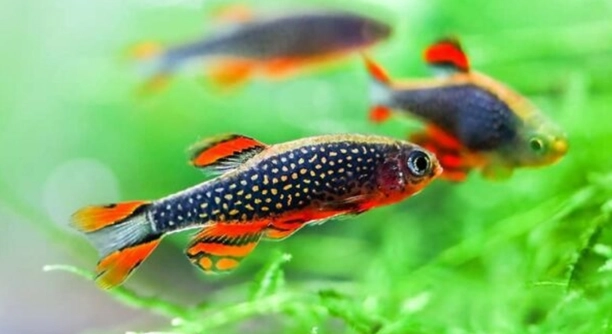
Do your Celestial Pearl Danios swim past some algae without a second glance, leaving it untouched in your tank? Many aquarists notice certain algae types are consistently ignored by these small, peaceful fish in their aquariums.
Celestial Pearl Danios typically avoid algae that are filamentous, hair-like, tough, or grow in dense mats. They also tend to ignore blue-green algae, black beard algae, and other species with hard-to-consume textures, preferring softer or more palatable options.
Understanding which algae are commonly avoided can help maintain a balanced aquarium and guide you in creating an environment where your fish thrive happily.
Filamentous Algae
Filamentous algae are long, thread-like strands that often float in the water or attach to plants and decorations. Celestial Pearl Danios rarely nibble on them because the texture is too tough and stringy. These algae can quickly form dense mats that entangle plants, décor, and equipment. While they may look harmless at first, they compete for nutrients, reducing the growth of healthier plants. Removing or controlling filamentous algae is important to keep a balanced aquarium. Using gentle pruning, manual removal, or introducing algae-eating species that tolerate these textures can help manage them. Observing your fish can also give clues about which algae they prefer and which they ignore. Overfeeding and excess light contribute to filamentous algae growth, so adjusting tank conditions is another effective step. Despite their persistence, consistent maintenance can prevent these algae from overwhelming the tank and ensure your Celestial Pearl Danios remain healthy and active.
Filamentous algae are largely ignored because their stringy, dense structure makes them difficult for small fish to eat.
Manual removal combined with tank adjustments is the most effective way to keep filamentous algae under control while ensuring fish safety and plant health.
Black Beard Algae
Black beard algae appear as dark, bristly patches on rocks, driftwood, and plant stems.
Celestial Pearl Danios tend to avoid black beard algae due to its coarse, unpalatable texture. This algae grows slowly but can attach firmly, making it difficult for small fish to scrape off. Black beard algae thrives in high-light conditions with fluctuating nutrients. Maintaining stable water parameters can reduce its spread, though complete eradication often requires persistent effort. Aquarists often trim affected areas and monitor tank conditions to keep black beard algae from dominating surfaces. While it adds a natural, rugged look, too much can overwhelm delicate plants and reduce swimming space. Choosing compatible plants and keeping nutrient levels balanced also discourages excessive growth. Over time, regular cleaning and observation help maintain control, ensuring Celestial Pearl Danios have access to areas with softer, more accessible algae. Recognizing which algae these fish avoid helps in creating a harmonious tank ecosystem where fish and plants coexist.
Blue-Green Algae
Blue-green algae are actually cyanobacteria that form slimy, greenish-blue layers on tank surfaces. Celestial Pearl Danios generally avoid them because they are slippery, hard to graze on, and lack appealing texture or flavor.
This type of algae thrives in nutrient-rich, poorly circulated water. It can quickly cover substrate, decorations, and plants, producing a noticeable film that may release unpleasant odors. Removing blue-green algae requires improving water flow, performing regular water changes, and reducing excess nutrients. Some aquarists also gently scrape affected areas during maintenance. While small patches may not harm fish, unchecked growth can affect oxygen levels and plant health. Observing which areas fish avoid helps identify where blue-green algae are present.
Maintaining consistent cleaning and balanced tank conditions is crucial. Even hardy fish rarely touch this algae type, so proactive management ensures your tank remains visually clean and safe for Celestial Pearl Danios.
Hair Algae
Hair algae grow in long, thin strands that can tangle plants and decorations. They are often ignored by Celestial Pearl Danios due to their tough and stringy texture, making them difficult to consume.
This algae type flourishes in tanks with high light and excess nutrients. While it adds a natural, overgrown look, hair algae can quickly dominate surfaces, limiting swimming space and competing with plants for resources. Controlling it involves trimming affected areas, reducing nutrient levels, and maintaining stable lighting. Introducing algae eaters that tolerate this texture may help, but small fish like Celestial Pearl Danios rarely nibble on it. Regular observation and preventive care are necessary to manage its spread effectively.
Keeping hair algae under control requires consistent effort, from cleaning decorations to monitoring water parameters. Recognizing this avoidance behavior helps in planning maintenance routines that protect plant health and maintain open swimming areas for the fish.
Red Algae
Red algae form small, dark patches on plants, rocks, and tank surfaces. Celestial Pearl Danios usually avoid them because they are tough and not easily eaten.
This algae grows slowly but can persist for long periods. Its texture and firmness make it unappealing to small fish, leaving it largely untouched in aquariums.
Green Spot Algae
Green spot algae attach firmly to glass, rocks, and hard surfaces. Their hard, encrusted form makes them difficult for Celestial Pearl Danios to remove or consume. Controlling them requires gentle scraping and maintaining balanced nutrients. Regular observation ensures this algae does not dominate the tank or affect plant growth.
Brown Algae
Brown algae, often seen as slimy films on surfaces, is largely ignored by Celestial Pearl Danios. Its texture and slight bitterness make it unappealing, leaving it mostly intact in tanks.
Why do Celestial Pearl Danios avoid certain algae?
Celestial Pearl Danios are small, delicate fish with specific dietary preferences. They avoid algae that are tough, stringy, or bitter because these textures are difficult for them to graze. Algae that grow in dense mats, such as filamentous or hair algae, are not easily eaten. Hard or encrusted algae like green spot or black beard algae also remain largely untouched because their structure is unpalatable. The fish naturally prefer softer, more accessible algae or plant matter, which they can easily nibble without struggling. Avoidance is a natural behavior and helps the fish conserve energy while focusing on more digestible food sources.
Can I feed my Celestial Pearl Danios algae supplements?
Yes, algae supplements can be offered to support a balanced diet, especially when natural algae in the tank is limited. These supplements come in forms such as flakes, tablets, or wafers. Soft algae-based foods, like spirulina flakes or nori sheets, are ideal because they mimic the textures that Danios can easily consume. It’s important to provide small amounts regularly without overfeeding, as excessive food can decay and affect water quality. Algae supplements also help replicate natural grazing behaviors and provide essential nutrients like vitamins, minerals, and fiber that support the fish’s overall health.
Will certain algae harm my Celestial Pearl Danios?
Most algae are not harmful, but some types, like blue-green algae (cyanobacteria), can release toxins or reduce oxygen levels in the tank if left unchecked. Dense growth can also trap debris and create poor water conditions, indirectly affecting fish health. While Danios tend to avoid these algae, regular maintenance is important to prevent overgrowth. Monitoring water parameters, reducing excess nutrients, and performing consistent water changes help minimize risks. Filamentous or hair algae are not toxic, but they can overcrowd plants and take up space. Controlled removal ensures a healthier environment for both the fish and plants.
How can I manage algae my Danios avoid?
Managing algae that Celestial Pearl Danios avoid involves a combination of manual removal, water parameter control, and lighting management. Scraping or trimming affected areas helps remove stubborn patches. Reducing excess nutrients from overfeeding and decaying matter discourages further growth. Adjusting the lighting schedule to avoid prolonged exposure can also help. Introducing compatible algae-eating species may aid in controlling certain tough algae, but care must be taken to select species that coexist well with Danios. Observing which algae the fish ignore can guide maintenance efforts and ensure the tank remains balanced and aesthetically clean.
Are there environmental factors that influence algae growth?
Yes, nutrient levels, light exposure, and water circulation strongly influence algae growth. Excess nutrients from overfeeding or decaying plant matter create ideal conditions for algae proliferation. High light intensity or long photoperiods can accelerate growth, especially for hair, filamentous, and red algae. Poor water circulation allows algae to settle and attach to surfaces, making it harder for fish to interact with them. Maintaining balanced lighting, consistent water changes, and good filtration helps reduce unwanted algae. Regularly monitoring tank conditions and adjusting feeding routines can significantly control algae growth and improve overall aquarium health.
Do Celestial Pearl Danios ever eat the algae they normally avoid?
It is uncommon, but Danios may nibble on algae they usually avoid if other food sources are scarce. Starvation or extreme dietary limitations can push them to try tougher or bitter algae. However, this behavior is not typical and may indicate an imbalance in their diet. Ensuring they receive sufficient, appropriate food, including algae supplements and high-quality flakes or frozen foods, reduces the likelihood of stress-driven feeding. Observing feeding patterns and tank conditions can help maintain a healthy environment and prevent Danios from resorting to eating unpalatable algae.
Can algae avoidance affect my aquarium’s balance?
Yes, algae that Danios ignore can accumulate and impact tank balance. Dense growth may block light for plants, take up swimming space, and alter nutrient distribution. While some algae are beneficial in small amounts, unchecked buildup can create aesthetic and environmental issues. Regular observation, targeted removal, and proper tank management are essential. Understanding which algae types are avoided allows aquarists to focus on effective maintenance strategies. Balancing algae growth ensures both the health of Celestial Pearl Danios and the overall harmony of the aquarium ecosystem.
What are the best practices to prevent unwanted algae?
Maintaining water quality, controlling nutrients, and regulating light exposure are key practices. Avoid overfeeding and promptly remove decaying plant material. Consistent water changes and proper filtration help keep nutrient levels stable. Using algae-resistant plants or decorations can also reduce attachment surfaces. Monitoring algae types and understanding Danios’ preferences enables focused prevention efforts. Proper tank management minimizes growth of algae that fish avoid, ensuring a clean, healthy environment.
How do I know if algae is affecting my Danios?
Signs include reduced activity, stress behaviors, or changes in swimming patterns. Overgrown algae can limit space and reduce oxygen, indirectly impacting fish health. Observing fish closely alongside tank conditions helps identify problems early. Immediate corrective measures, like algae removal and water adjustments, prevent long-term stress or health issues in Celestial Pearl Danios.
Celestial Pearl Danios are small, peaceful fish that show very clear preferences when it comes to what they eat in an aquarium. They tend to ignore certain types of algae that are tough, stringy, or difficult to graze on. These include filamentous algae, hair algae, black beard algae, green spot algae, and blue-green algae. While these algae can still grow in the tank, the fish do not interact with them much because the texture and structure make them unappealing. Understanding these avoidance habits helps in managing the tank more effectively and keeping both the fish and plants healthy. Observing which algae the Danios leave untouched allows aquarists to identify potential maintenance needs before the algae become a problem.
Managing algae that is avoided by Celestial Pearl Danios requires a combination of careful tank maintenance, water quality management, and occasional manual removal. Overfeeding, high light exposure, and nutrient imbalances often contribute to excessive algae growth, making it necessary to control these factors. Trimming or scraping algae from decorations, glass, and plant surfaces helps keep the tank clean and prevents the algae from dominating the environment. Water changes, proper filtration, and monitoring nutrient levels also play a significant role in maintaining a balanced tank. While the fish will graze on softer, palatable algae and plant matter, the types they avoid need extra attention from the aquarist. Consistent maintenance not only prevents excessive growth but also ensures the tank remains a healthy space for Celestial Pearl Danios to swim and feed comfortably.
It is important to remember that algae are a natural part of any aquarium, and some growth is normal and even beneficial. However, unchecked growth of algae that Celestial Pearl Danios avoid can create challenges for tank management, reduce the aesthetic appeal, and impact water quality over time. By understanding which algae types are generally ignored, aquarists can prioritize targeted removal and implement preventive strategies. Regular observation of both fish behavior and algae growth allows for timely adjustments, ensuring the aquarium remains balanced. Providing a diet that meets the nutritional needs of the fish, along with appropriate algae management, supports the overall health and well-being of Celestial Pearl Danios. Keeping these factors in mind helps maintain a visually appealing and biologically stable tank where the fish thrive and the plants can grow without interference.

Hello,
If you enjoy the content that we create, please consider saying a "Thank You!" by leaving a tip.
Every little bit helps us continue crafting quality advice that supports the health, happiness, and well-being of pets around the world, for pets of all shapes, sizes, and species.
We really appreciate the kindness and support that you show us!