
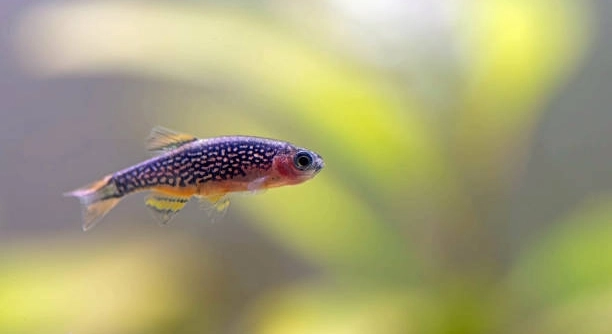
Celestial Pearl Danios are small, colorful fish that bring charm to any aquarium. Observing them often reveals interesting behaviors, especially when they interact with each other during mating periods. Their subtle ways are fascinating to notice.
These fish display a series of understated breeding rituals that involve specific movements, fin displays, and environmental cues. Males typically approach females gently, using shimmering patterns and gentle nudges to initiate spawning, while females respond with receptive postures and slight coloration changes.
Learning about these behaviors can enhance your experience as an aquarist and help ensure a healthy breeding environment for your fish.
Subtle Fin Displays
When Celestial Pearl Danios prepare to breed, males often show small, deliberate fin movements. They flare their fins slightly while swimming close to females, creating gentle waves in the water. These displays are not aggressive; they are signals meant to attract attention and show readiness. Observing the nuances can be rewarding, as each male has a slightly different pattern. Females may respond with tiny, almost imperceptible movements, such as shifting their bodies or slightly changing the angle of their fins. The interaction is delicate, and timing is key. Lighting and tank decorations can affect visibility, making the behavior easier or harder to notice. Over time, aquarists may learn to recognize individual males and their unique displays. Understanding these subtle cues can help maintain a healthy breeding environment. Water quality, temperature, and plant coverage also play a role in making these displays more frequent and successful.
Fin displays serve as a primary communication method during breeding. Males use them to signal readiness and demonstrate vitality, prompting female responsiveness and increasing the chance of successful spawning.
Careful observation over several days reveals patterns, differences, and reactions that are easy to miss without attention.
Nesting and Spawning Spots
Males often scout areas for safe, shallow spots for eggs.
Celestial Pearl Danios prefer fine-leaved plants, moss, or corners with minimal water flow for laying eggs. Males swim in small circles near these spots, gently nudging females to guide them toward the chosen area. This preparation ensures that eggs are less likely to be disturbed and have a better chance of developing. Spawning usually occurs in the early morning when light is soft, reducing stress on the fish. Females deposit eggs carefully, often one at a time, while males hover nearby, ready to fertilize. The male’s presence provides a subtle layer of protection without being aggressive. Aquarists can support this behavior by providing dense plant coverage and calm water conditions. Observing this process helps understand their natural preferences and improves egg survival rates. Even small adjustments, like adding moss or slightly increasing hiding spots, can make breeding easier and more successful for these delicate fish.
Egg Laying Patterns
Females scatter eggs individually among fine-leaved plants or moss. They release a few at a time, ensuring eggs are hidden and protected from other fish in the tank.
Eggs are typically sticky, attaching to plant surfaces or small crevices. Females move slowly, choosing spots that offer shelter while avoiding strong currents. Males follow closely, fertilizing eggs immediately after they are laid. Timing is critical, as delayed fertilization can reduce egg viability. The entire process is gentle, with minimal splashing, and often lasts several hours. Observing the pattern can help aquarists identify healthy breeding pairs and improve egg survival by providing optimal hiding spots and calm water conditions.
After spawning, eggs remain attached to surfaces for several days. They are sensitive to light, water temperature, and movement. Proper care during this period increases hatching success. Keeping the tank quiet and maintaining stable water parameters supports the fragile eggs until fry emerge, ensuring a higher survival rate.
Courtship Swimming
Males often perform short, circular swims near females to initiate mating.
This swimming involves slow, deliberate movements, creating small water currents that guide females toward eggs. Males frequently change direction and display fin flares, signaling health and vitality. The female may respond by following or pausing, showing receptiveness. Courtship swimming is repeated multiple times, reinforcing pair bonding and encouraging egg release. The sequence can be subtle, lasting for hours during peak breeding periods, and often occurs in low-light conditions. Aquarists who observe this can anticipate spawning events and prepare the tank environment to protect eggs.
Proper courtship swimming is essential for successful reproduction. Males adjust their patterns based on female reactions, slowing or accelerating to maintain attention. Some males focus on specific areas with abundant plant coverage, guiding females efficiently. Females respond with slight body shifts and fin adjustments, indicating readiness. Over time, these movements become predictable, allowing careful observation of breeding behavior. Tank conditions like gentle filtration and stable temperature support consistent courtship, while overcrowding or strong currents may disrupt the process. Understanding these swimming patterns allows aquarists to intervene minimally while ensuring a natural, stress-free environment for both sexes.
Color Changes During Breeding
Males often display brighter spots and deeper body hues when ready to breed. These changes signal health and readiness to females, helping attract attention without aggressive behavior.
Females may also show subtle shifts, usually around the belly area, indicating receptiveness. These color cues are temporary and often coincide with courtship swimming and egg-laying activity.
Gentle Nudging
Males lightly nudge females along plants or near potential spawning sites. This behavior encourages females to move to safe areas for egg deposition.
Nudging is soft and non-threatening, serving as a guide rather than a push. Observing this behavior can help aquarists recognize active breeding pairs and ensure they have suitable plant coverage and calm tank conditions.
Egg Guarding
Males hover close to eggs after fertilization. This guarding is passive, aimed at preventing disturbance from other fish and maintaining optimal conditions around the eggs.
Males remain near the cluster, occasionally adjusting position, without attacking or chasing others. This behavior supports higher egg survival in community or planted tanks.
What is the best tank setup for breeding Celestial Pearl Danios?
A planted tank with fine-leaved plants or moss works best. Provide shallow areas with minimal water flow so eggs can attach safely. Keep water clean and stable, and ensure there are hiding spots for both males and females. Soft lighting helps reduce stress during breeding.
How can I tell if my Celestial Pearl Danios are ready to breed?
Males will display brighter colors, flare fins slightly, and perform gentle courtship swimming. Females may show subtle belly coloration and respond by following males. These behaviors usually appear when the fish are healthy and the water temperature is suitable for breeding.
How often do Celestial Pearl Danios spawn?
In optimal conditions, they can spawn every few days. Frequency depends on tank environment, temperature, diet, and overall health. Regular observation helps track patterns, and providing high-quality food can encourage consistent spawning behavior.
Do I need a separate breeding tank?
A separate tank is recommended to protect eggs and fry from other fish. However, heavily planted community tanks with dense coverage can also work. The key is to provide calm water, suitable egg attachment surfaces, and minimal disturbances.
How long do the eggs take to hatch?
Eggs typically hatch within 2–3 days at stable temperatures around 24–26°C (75–79°F). Hatching time can vary slightly depending on water conditions, light exposure, and oxygen levels. Proper monitoring ensures the best survival rate for fry.
What should I feed breeding pairs?
High-protein live foods like daphnia, brine shrimp, or microworms are ideal. Supplementing with quality flake or pellet foods helps maintain energy levels. A varied diet supports egg production and encourages more active courtship behavior.
Do males fight during breeding?
Males display dominance through fin flares and subtle nudging, but fighting is minimal in healthy setups. Providing enough space and hiding spots reduces stress and prevents aggression. Careful observation ensures all fish remain safe during breeding activities.
How can I protect the eggs from being eaten?
Dense plants, moss, or spawning mops give eggs surfaces to attach and remain hidden. If necessary, remove adults after spawning or use a breeding net to separate eggs. Avoid strong water currents that may dislodge or damage eggs.
When should I start feeding the fry?
Once fry become free-swimming, usually 3–4 days after hatching, start with infusoria, microworms, or finely crushed flake food. Small portions multiple times a day promote growth and reduce the risk of water contamination.
What water conditions are best for fry survival?
Stable temperature, low currents, and clean water are critical. Regular, small water changes prevent ammonia buildup. Soft to moderately hard water with slightly acidic to neutral pH ensures optimal growth and reduces stress on young fish.
Can Celestial Pearl Danios breed in community tanks?
Yes, but success depends on hiding spots and minimal disturbances. Eggs and fry are vulnerable, so dense plants or moss help protect them. Monitoring and creating calm areas for breeding increases the likelihood of healthy fry survival without removing adults.
How long until fry reach maturity?
Fry grow slowly, taking approximately 4–6 months to reach breeding size. Growth rate depends on diet, water quality, and tank conditions. Providing proper nutrition and maintaining stable environmental conditions ensures healthy development and early readiness for breeding.
Are there signs of stress that affect breeding?
Loss of color, hiding excessively, or erratic swimming indicates stress. Poor water quality, overcrowding, or inadequate diet can reduce breeding behavior. Observing these signs early allows corrective action to improve tank conditions and encourage natural reproductive activity.
What are common mistakes beginners make when breeding Celestial Pearl Danios?
Mistakes include overcrowding, poor plant coverage, ignoring water quality, and feeding insufficient live foods. Rushing the process or disturbing eggs frequently reduces survival. Observing natural behaviors and providing suitable conditions ensures successful breeding and healthier fry.
How important is lighting for breeding?
Moderate, soft lighting encourages natural behavior. Too bright light can stress fish, while very low light may reduce activity. Timing and consistency of light cycles help regulate breeding behaviors and maintain a calm environment for both adults and fry.
Can I breed them year-round?
With stable temperature, clean water, and proper nutrition, breeding can occur throughout the year. Seasonal variations are less critical in controlled tanks. Consistent care ensures regular spawning and supports the overall health of the breeding pairs and their offspring.
What role does diet play in breeding success?
A high-quality diet increases energy levels, improves coloration, and encourages reproductive behavior. Live foods are particularly effective, while regular supplementation with flakes or pellets maintains long-term health and readiness to spawn. Consistency is key to supporting multiple breeding cycles.
How do I handle fry safely?
Avoid sudden water changes and use gentle feeding techniques. Small, frequent portions reduce waste, and dense plant coverage provides shelter. Minimal handling and observation of behavior ensure fry develop normally without stress or injury.
Is it necessary to remove parents after spawning?
Removing parents is not always required if eggs are well-hidden, but it can increase survival rates. Dense plants or breeding mops may suffice in protecting eggs. Observing interactions helps decide if separation is needed to prevent egg predation.
Can stress prevent Celestial Pearl Danios from breeding?
Yes, stress from poor water quality, overcrowding, or sudden changes can inhibit spawning. Maintaining calm, stable conditions and providing hiding spots reduces stress and supports natural reproductive behaviors over time.
How do I recognize healthy eggs?
Healthy eggs are round, slightly sticky, and attach to surfaces. They appear clear or slightly opaque, without discoloration or fungus. Monitoring eggs daily helps identify issues early, ensuring higher hatching success and minimizing losses.
What is the role of temperature in breeding?
Optimal temperature is 24–26°C (75–79°F). Stable warmth encourages spawning and supports egg development. Sudden fluctuations can stress adults and reduce egg viability, so careful monitoring is important for consistent breeding success.
How can I improve egg survival rates?
Provide dense plants, maintain stable water conditions, and ensure adults are not disturbing eggs. Gentle filtration and proper nutrition increase hatching success. Observation and adjustments during the first few days are critical to help fragile eggs develop safely.
Are there signs of a successful breeding event?
Active males displaying fins, females scattering eggs, and newly fertilized eggs attached to surfaces indicate success. Subsequent hatching of free-swimming fry confirms the breeding cycle completed effectively. Observing these signs allows aquarists to track progress and plan care for young fish.
What equipment helps with breeding?
Dense plants, moss, gentle filtration, soft lighting, and a stable heater create ideal conditions. Breeding nets or mops help separate eggs if needed. Minimal equipment reduces stress and encourages natural behaviors in both adults and fry.
How can I prevent fungus on eggs?
Maintain clean water, avoid overcrowding, and ensure gentle water flow. Adding antifungal treatments is possible but usually unnecessary with proper plant coverage and tank hygiene. Monitoring daily helps catch early issues and protect fragile eggs.
What is the best way to acclimate fry after hatching?
Keep water stable, provide small foods multiple times daily, and reduce disturbances. Gradual adjustments in temperature or lighting minimize stress. Dense plants or moss provide shelter and reduce predation risk, helping fry develop naturally and safely.
Do all eggs hatch successfully?
Not always. Factors like water quality, temperature, and parental interference affect hatching rates. Providing optimal conditions increases success, but some loss is natural. Careful observation and maintaining stable tank parameters help maximize fry survival.
How do I encourage repeated spawning?
Provide consistent water conditions, high-quality food, and calm environments. Dense plant coverage allows repeated egg-laying, while observing and maintaining natural behaviors ensures males and females continue to breed successfully over time.
Can Celestial Pearl Danios breed without live food?
They can, but live food improves spawning frequency, coloration, and egg viability. High-quality flakes or pellets alone may support health but usually reduce breeding efficiency. A mixed diet promotes better reproductive performance and overall vitality.
Is it normal for males to chase females during breeding?
Gentle chasing occurs as part of courtship, guiding females toward spawning sites. Aggressive or prolonged chasing can indicate stress or overcrowding. Observing and adjusting tank conditions ensures behavior remains natural and non-harmful.
How do I know when fry are ready to eat solid food?
Once free-swimming, usually 3–4 days post-hatching, fry can take infusoria, microworms, or crushed flake food. Feeding small portions multiple times daily supports growth and prevents water contamination. Observing feeding response ensures appropriate timing for transition.
What is the average survival rate of fry in a well-maintained tank?
In optimal conditions with hiding spots, proper diet, and stable water, 70–90% of fry can survive. Survival depends on minimal disturbances, protection from adults, and consistent care during the critical early days.
Are there signs that breeding has failed?
Unfertilized eggs may turn white or fuzzy, and adults may ignore spawning spots. Stress, poor water quality, or insufficient hiding places are common causes. Early observation allows corrective measures to improve future breeding attempts.
How long should I monitor eggs daily?
Monitoring once or twice daily is sufficient to check attachment, clarity, and fungal growth. Avoid disturbing eggs excessively, as gentle observation preserves natural conditions and improves overall survival rates.
Can Celestial Pearl Danios breed in low-light conditions?
Yes, but moderate, consistent lighting supports natural behavior. Too bright or inconsistent light can stress adults, while very dim light may reduce activity. Maintaining a calm, predictable environment encourages regular spawning and egg-laying.
What factors most influence breeding success?
Water quality, temperature stability, diet, plant coverage, and low-stress conditions are critical. Observing natural behaviors and making small adjustments ensures higher egg survival and healthier fry development. A balanced environment supports consistent, successful breeding cycles.
Is it necessary to separate males and females after breeding?
Separation is optional if eggs are well-protected. Dense plants or moss can suffice. If adults disturb eggs or fry, temporary separation improves survival rates without harming the pair. Observation helps determine the best approach.
How can I tell if fry are healthy?
Active swimming, consistent feeding, clear bodies, and steady growth indicate health. Fry should respond to food quickly and avoid excessive hiding. Monitoring these signs helps adjust care and prevent problems during early development.
What common mistakes reduce breeding success?
Overcrowding, poor water quality, insufficient hiding spots, inconsistent lighting, and inadequate diet are typical issues. Observing natural behavior and adjusting conditions ensures better survival and consistent breeding outcomes.
How often should I feed adults during breeding?
High-quality foods, including live foods, twice daily support energy for courtship and egg production. Small portions prevent water quality issues while providing sufficient nutrition for successful breeding.
Can stress from tankmates prevent breeding?
Yes, aggressive or overly active tankmates may inhibit courtship, cause hiding, or disturb eggs. Providing calm surroundings, sufficient plant coverage, and minimal interference encourages normal reproductive behavior and higher egg survival rates.
What role does plant density play in breeding?
Dense plants or moss provide hiding spots, surfaces for egg attachment, and calm areas for courtship swimming. Proper coverage reduces stress, protects eggs, and supports natural behaviors for both adults and fry.
How long does the breeding cycle usually last?
From courtship to free-swimming fry, it typically lasts about a week. Eggs hatch in 2–3 days, and fry remain near attachment sites for another 2–3 days before swimming freely. Careful observation ensures smooth progression and high survival rates.
Can temperature fluctuations affect spawning frequency?
Yes, even minor changes can delay or prevent spawning. Maintaining consistent warmth supports natural behaviors and ensures eggs develop properly, increasing the likelihood of repeated breeding events.
How do I prepare the tank for repeated breeding attempts?
Keep water clean, maintain stable temperature, provide dense plants or moss, and continue a high-protein diet. Observing adult behavior helps anticipate readiness for the next spawning event, ensuring consistent success over time.
What is the ideal pH for breeding?
Slightly acidic to neutral pH, around 6.5–7.0, supports healthy egg development and fry growth. Stable pH levels reduce stress and increase the chances of successful breeding. Monitoring ensures optimal conditions.
How do I manage filtration during breeding?
Use gentle filtration to avoid disturbing eggs and fry. Sponge filters or low-flow systems work best. Strong currents can dislodge eggs or stress adults, so maintaining soft, clean water ensures better survival and natural behavior.
Are there visual signs that males are healthy breeders?
Bright coloration, active swimming, fin flaring, and consistent courtship behavior indicate vitality. Healthy males respond to females’ subtle cues and guide them toward spawning sites efficiently, increasing the likelihood of successful egg fertilization.
How can I tell if a female is ready to lay eggs?
A slightly swollen belly, subtle coloration changes, and responsiveness to male nudging indicate readiness. Observing these signs allows preparation of ideal spawning sites and ensures eggs are deposited in safe, protected areas.
What precautions should I take when introducing new adults to a breeding tank?
Quarantine for health checks, gradually acclimate to water conditions, and provide ample hiding spots. Avoid overcrowding and aggressive interactions to reduce stress and support normal breeding behaviors once adults are introduced.
How often should I check water parameters during breeding?
Daily monitoring of temperature, pH, and ammonia levels is ideal. Maintaining stable conditions prevents stress, encourages regular spawning, and supports healthy egg and fry development.
Is it necessary to simulate seasonal changes for breeding?
Not strictly necessary in controlled tanks. Stable temperature, clean water, and proper nutrition suffice for consistent spawning throughout the year. Gradual seasonal adjustments can sometimes encourage behavior but are optional.
Can breeding behavior indicate overall fish health?
Yes, active courtship, bright coloration, and proper egg-laying suggest healthy, unstressed adults. Reduced activity or muted coloration may indicate water quality issues, diet deficiencies, or illness affecting reproductive performance.
What signs show fry are thriving post-hatching?
Swimming actively, feeding readily, growing steadily, and displaying clear bodies indicate thriving fry. Regular observation ensures timely adjustments to diet or environment, supporting healthy development and reducing mortality.
How do I avoid overcrowding during repeated spawning?
Separate fry into grow-out tanks once free-swimming. Provide sufficient space, monitor population density, and maintain water quality. Overcrowding can stress adults and fry, reduce growth, and negatively affect subsequent breeding attempts.
Are there differences in breeding success between tank-bred and wild-caught Celestial Pearl Danios?
Tank-bred fish usually adapt better to captive conditions, breed more reliably, and display consistent behaviors. Wild-caught fish may require longer acclimation, specific diet adjustments, and stable conditions for successful breeding. Observation and patience improve outcomes for both types.
How do I handle weak or infertile eggs?
Remove discolored, white, or fuzzy eggs promptly to prevent fungal spread. Healthy eggs should remain clear and attach properly. Monitoring daily reduces the risk of contamination and protects viable eggs from unnecessary stress.
Can fry survive in a tank with adults present?
Only if dense plants or moss protect the eggs and fry. Adults may eat exposed fry, so careful observation and creating hiding spots are essential for survival in a community or breeding tank.
What long-term care ensures continuous breeding?
Maintain stable water parameters, a high-quality diet, adequate plant coverage, gentle filtration, and calm surroundings. Regular observation and small adjustments support repeated breeding cycles, healthy adults, and high fry survival over time.
How can I identify ideal breeding pairs?
Healthy, brightly colored males that perform consistent courtship and females that respond with belly color changes or following behavior are good indicators. Observing interaction patterns helps select pairs likely to spawn successfully.
Is water hardness important for breeding?
Moderately soft to slightly hard water supports egg development and fry growth. Extreme hardness or softness can stress adults or reduce egg viability. Consistent water parameters improve long-term breeding success.
What role does tank size play in breeding?
Sufficient space prevents stress, allows natural courtship swimming, and reduces aggression. Overcrowded tanks can disrupt breeding, damage eggs, and inhibit fry development. Proper sizing ensures both adult and fry well-being during reproductive cycles.
How do I know if the breeding environment is optimal?
Active courtship, frequent egg-laying, healthy fry, and low stress in adults indicate an optimal setup. Observing behavior, water quality, and plant coverage helps maintain these conditions for ongoing successful breeding.
Can Celestial Pearl Danios breed under low temperatures?
Lower temperatures slow spawning, reduce egg viability, and may stress adults. Maintaining recommended warmth around 24–26°C (75–79°F) ensures regular breeding behavior and proper development of eggs and fry.
How can I prevent adult interference with eggs?
Provide dense plants or moss, consider using breeding nets or separating adults temporarily, and maintain calm tank conditions. Minimizing disturbance increases egg survival and supports natural reproductive behavior without causing stress to adults.
What is the best way to track breeding success?
Observe courtship behavior, egg deposition, hatching rates, and fry survival. Recording water parameters, diet, and timing helps identify patterns, allowing adjustments to improve future spawning and maintain healthy adult fish.
Can I breed Celestial Pearl Danios in small tanks?
Yes, with dense plants, careful water management, and minimal stress. Small tanks require careful observation, frequent maintenance, and protection for eggs and fry to ensure successful breeding despite limited space.
How do I know if adults are compatible?
Pairs that swim together, respond to nudges, and display coordinated courtship without aggression indicate compatibility. Observing these behaviors helps predict successful breeding outcomes.
What is the recommended filtration type during breeding?
Gentle filtration like sponge filters works best. Strong currents can dislodge eggs, stress adults, and reduce fry survival. Maintaining soft water flow ensures a calm environment and supports natural reproductive behavior.
Can frequent water changes affect breeding?
Sudden or large changes can stress adults and reduce spawning. Small, gradual changes maintain water quality without disturbing eggs, fry, or courtship behaviors. Consistency is key to supporting regular breeding cycles.
How do I know when fry are ready to be moved to grow-out tanks?
Once fry are strong, actively swimming, and large enough to handle moderate water flow, they can be moved. Dense plant coverage in the new tank provides shelter, and careful acclimation prevents stress or mortality.
Are there indicators of poor egg quality?
Discoloration, irregular shape, fungal growth, or detachment from surfaces signals poor quality. Prompt removal of unhealthy eggs protects viable ones and prevents contamination, supporting higher hatching success rates.
How important is consistent feeding during breeding?
Regular, high
Breeding Celestial Pearl Danios is a process that requires careful attention and patience. These small, delicate fish show subtle behaviors that signal readiness to spawn, and understanding these cues can make the breeding process smoother and more successful. Paying attention to fin displays, nudging behaviors, and courtship swimming allows aquarists to recognize when males and females are ready to interact. Providing the right tank setup with dense plants, gentle water flow, and soft lighting creates a comfortable environment where natural breeding behaviors can occur. Observing these behaviors closely gives a better sense of how the fish interact and helps predict when spawning is likely to take place. By creating a calm, stable tank, you not only encourage natural reproductive behavior but also reduce stress on the adults, which is important for the health and longevity of the fish.
Ensuring the proper conditions for egg laying and fry survival is equally important. Females scatter eggs individually among fine-leaved plants or moss, and males fertilize them shortly after they are deposited. Eggs are sensitive to water quality, light, and movement, so maintaining stable temperature, clean water, and gentle filtration is essential. Dense plants or moss provide protection for the eggs and later the fry, reducing the risk of predation from adult fish. Monitoring the eggs regularly helps identify issues such as fungus or unfertilized eggs, allowing timely action to protect the healthy ones. Once the fry hatch, providing small, frequent portions of food like infusoria or microworms supports growth and development. Keeping the environment calm and observing their behavior ensures the fry remain healthy as they grow. Gradual adjustments, consistent care, and maintaining stable tank conditions all contribute to higher survival rates and a smoother breeding experience.
Long-term success in breeding Celestial Pearl Danios depends on consistency and careful observation. Maintaining a high-quality diet for adults encourages repeated spawning and supports vitality, while stable water parameters, adequate plant coverage, and gentle filtration reduce stress and promote natural behaviors. Observing courtship patterns, egg-laying habits, and fry development over time allows aquarists to understand the unique behaviors of their fish and improve conditions for each subsequent breeding cycle. Even minor adjustments, like increasing plant density or moderating water flow, can make a noticeable difference in survival rates and overall fish health. Breeding these fish is not only about producing fry but also about supporting a healthy, balanced environment where the fish can thrive naturally. With careful attention, patience, and a supportive tank setup, the process can be rewarding and provide a deeper appreciation for the subtle, fascinating behaviors of Celestial Pearl Danios.

Hello,
If you enjoy the content that we create, please consider saying a "Thank You!" by leaving a tip.
Every little bit helps us continue crafting quality advice that supports the health, happiness, and well-being of pets around the world, for pets of all shapes, sizes, and species.
We really appreciate the kindness and support that you show us!