
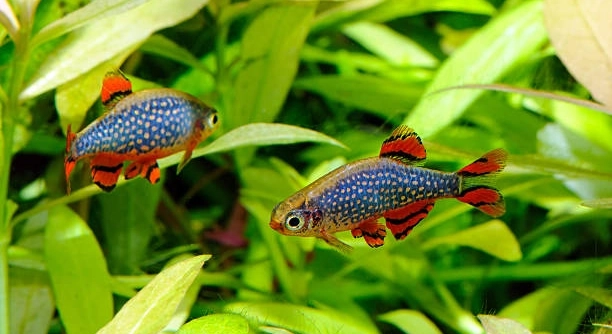
Do you ever notice your danios swimming a little slower or acting differently as they age? Aging can subtly change their behavior, sometimes in ways that are easy to overlook but important to recognize. Observing these shifts helps maintain their health.
As danios age, they may exhibit slower swimming patterns, reduced social interaction, changes in feeding behavior, altered responses to stimuli, increased hiding tendencies, variations in reproductive activity, and occasional irregular swimming. Monitoring these changes is essential for ensuring their well-being and longevity.
Recognizing these behavioral shifts early allows for better care and a more comfortable life for your aging danios. Learning the patterns can make a real difference.
Slower Swimming Patterns
As danios age, you may notice that their swimming becomes less energetic. They might linger near the bottom of the tank or move more cautiously through plants and decorations. This reduced activity is normal and often linked to natural aging processes, including changes in muscle strength and energy metabolism. Slower swimming can also indicate that their cardiovascular system is not as efficient as in younger fish, so they may tire more quickly during bursts of movement. It’s important to observe whether this behavior is consistent across all tank areas or if it is specific to certain spots. In some cases, environmental factors such as water temperature, oxygen levels, and tank size can influence their swimming habits. Providing a calm and stable environment with minimal stressors can support their comfort and overall mobility. Regularly monitoring their activity helps identify any sudden changes that might indicate illness or discomfort.
Slower swimming is a normal sign of aging but should be monitored to ensure your danios remain healthy and active.
Adjusting tank conditions and keeping the water clean helps older danios maintain mobility and reduces stress, supporting their continued health and well-being.
Reduced Social Interaction
Older danios often spend less time schooling or interacting with other fish. They may retreat to quieter areas and avoid competitive feeding or chasing. This change in social behavior is generally part of natural aging rather than a health issue. They may no longer keep pace with younger, more active tank mates and can become more solitary as a result.
Reduced social behavior is common in aging danios and should be expected as part of normal life changes.
Monitoring how your danios interact can help you provide a balanced tank environment. Consider adjusting the number of tank mates or rearranging decorations to reduce competition and create safe, calm spaces. Older fish may benefit from quieter areas where they can rest without stress from more energetic companions. Social dynamics can shift gradually, so observing patterns over time is important to prevent aggression or bullying. Providing sufficient hiding spots and minimizing disturbances during feeding ensures that older danios maintain comfort and reduce anxiety. By understanding their changing social habits, you can help your fish continue to thrive and enjoy a stable, low-stress environment that matches their pace.
Changes in Feeding Behavior
Older danios may eat less frequently and show less interest in food. They might take longer to approach meals or ignore some types of food altogether. This is a common sign of aging rather than illness, though sudden drops in appetite should be monitored.
As danios age, their metabolism slows, and they may require smaller, more frequent meals. Overfeeding can stress their digestive system, while underfeeding can weaken them. Offering a variety of easily digestible foods, such as finely crushed flakes or small live foods, helps maintain nutrition. Observing which foods they prefer and adjusting portions accordingly can prevent malnutrition and maintain their health. Consistent feeding routines also reduce stress, allowing older fish to eat at their own pace.
Monitoring feeding behavior allows you to respond to dietary changes promptly. Small adjustments in food type, amount, and timing help support their energy and vitality as they age. Keeping track of their intake ensures they remain healthy and active in a way that suits their slower pace.
Altered Responses to Stimuli
Older danios may react more slowly to sudden movements or changes in their environment. They might not chase food as quickly or respond immediately to other fish. Reduced responsiveness is a normal part of aging and does not always indicate illness.
As fish age, their sensory systems and reflexes gradually decline. Slower responses can be observed in their reduced startle reflex and less frequent pursuit of moving objects. This can affect interactions with other tank mates, as older danios may be less able to compete during feeding or play. Environmental enrichment, like gentle water currents or structured hiding spots, encourages movement without causing stress. Watching how your fish respond to gentle stimuli helps you understand their capabilities and limits.
Maintaining a stable and calm environment is essential. Avoid sudden changes in lighting, temperature, or tank rearrangements, as older danios are more sensitive. By creating predictable conditions, you can reduce stress, support their well-being, and allow them to navigate the tank confidently despite slower reactions.
Increased Hiding Tendencies
Aging danios often spend more time hiding among plants or decorations. They may seek shelter even when there is no immediate threat. This behavior helps them conserve energy and feel secure as their activity levels decline.
Hiding more frequently is normal for older danios. They use these quiet spaces to rest and avoid stress from more active tank mates. Providing sufficient cover ensures they have a safe area to retreat, which supports their comfort and reduces anxiety in a busy tank environment.
Variations in Reproductive Activity
As danios grow older, their reproductive activity often declines. Spawning may become less frequent, and older fish might produce fewer eggs or show reduced interest in mating behaviors. This change is a natural result of aging and hormone fluctuations. Maintaining a calm environment, optimal nutrition, and clean water can help support reproductive health, but a noticeable decrease is expected with age. Observing these changes allows owners to adjust care routines and avoid unnecessary stress from forcing spawning. Recognizing that reduced reproductive activity is typical helps prevent misinterpretation of these behaviors as illness.
Occasional Irregular Swimming
Older danios sometimes swim in uneven or erratic patterns. This can appear as sudden stops, turns, or short bursts of movement. While often linked to normal aging, monitoring for persistent changes is important to rule out health issues.
FAQ
Why is my older danio swimming slower than before?
Slower swimming is a natural part of aging. Muscle strength and energy levels decrease over time, causing reduced mobility. Tank conditions, like water temperature, oxygen levels, and current strength, can also affect movement. Ensuring stable water parameters and minimal stress helps your fish stay comfortable.
Why does my danio hide more often?
Increased hiding is common among aging danios. They may seek cover to conserve energy and feel secure. Providing plants, decorations, or other safe areas in the tank allows them to rest and reduces stress from more active tank mates.
Why is my older danio eating less?
Metabolism slows as danios age, which can reduce appetite. They may prefer smaller, softer, or more digestible foods. Adjusting feeding routines, offering a variety of food types, and observing their preferences can help maintain proper nutrition and energy levels.
Why does my danio respond slower to stimuli?
Aging affects sensory perception and reflexes. Older danios may take longer to react to movement, food, or other fish. Creating a calm environment with gentle water currents and minimal disturbances supports their comfort and reduces stress from sudden changes.
Why is my danio less social with other fish?
Social activity often declines with age. Older danios may avoid schooling, chasing, or competing for food. Providing safe spaces, minimizing competition, and arranging tank decorations to reduce stress ensures they can remain comfortable while adjusting to changing social behavior.
Why is my danio’s swimming sometimes irregular?
Occasional irregular or erratic swimming can occur due to natural aging. Short bursts, sudden turns, or pauses may appear more frequently. Regular observation helps distinguish between normal age-related changes and potential health issues that require attention.
How can I help my aging danio stay healthy?
Maintaining clean water, stable temperature, and sufficient hiding spots is essential. Offering appropriate food in smaller portions, minimizing tank stress, and monitoring activity levels and feeding habits ensures older danios remain comfortable and active. Adjustments should match their changing abilities.
Is it normal for older danios to reproduce less?
Yes, reproductive activity declines with age. Egg production may decrease, and mating behavior may become less frequent. This is a natural consequence of hormonal changes. Supporting overall health with good nutrition and a calm environment can help, but reduced reproduction is expected.
How can I tell if changes in behavior are normal aging or illness?
Normal aging includes slower swimming, reduced social behavior, less frequent feeding, and more hiding. Sudden or severe changes, lethargy, rapid weight loss, or unusual swimming patterns may indicate illness. Observing patterns over time and monitoring overall condition is the best way to differentiate.
Can environmental adjustments improve my danio’s quality of life?
Yes, small changes can make a big difference. Providing plants, hiding spots, gentle currents, stable water conditions, and balanced nutrition helps aging danios move comfortably, reduce stress, and maintain energy despite natural aging changes.
How often should I monitor older danios?
Daily observation is ideal. Watching feeding behavior, swimming patterns, and social interaction helps you detect gradual changes. Early recognition of unusual behavior ensures timely intervention, keeping older danios healthy and comfortable in their environment.
Are there supplements or special diets for aging danios?
Older danios benefit from nutrient-rich, easily digestible foods. Small live or frozen foods, finely crushed flakes, or specialized pellets help maintain energy and health. Supplements are generally unnecessary unless advised by an aquatic veterinarian. Feeding variety supports longevity and vitality.
Can tank mates affect aging behavior?
Yes, more active or aggressive tank mates can stress older danios. Providing calmer companions and ensuring hiding spaces reduces competition and anxiety, allowing older fish to maintain comfort while interacting at their own pace.
Should I expect lifespan changes in my danios?
Yes, aging naturally brings slower activity, reduced reproduction, and behavior adjustments. With proper care, they can live a full, healthy life. Understanding these changes helps provide the right support to maintain well-being as they age.
How can I reduce stress for my older danios?
Minimize sudden changes in lighting, temperature, and tank rearrangements. Provide hiding areas, stable routines, and calm water conditions. Reducing stress improves appetite, mobility, and overall health, allowing older danios to adapt naturally to aging.
Aging in danios brings a series of natural changes that can affect their behavior and daily activities. Slower swimming, increased hiding, reduced social interaction, and changes in feeding are all common signs that your fish is growing older. Observing these behaviors is important because it helps you understand what is normal for aging danios and what might require closer attention. While some changes are simply part of the natural aging process, others can indicate health issues if they appear suddenly or are severe. Paying attention to patterns over time allows you to distinguish between typical aging behaviors and potential problems that may need intervention.
Providing the right environment can make a significant difference in the comfort and well-being of older danios. Ensuring clean water, stable temperature, gentle water currents, and plenty of hiding spots allows them to move, rest, and feed at their own pace. Older danios may not compete as effectively for food or space, so adjusting tank conditions to reduce stress is important. Offering a variety of easily digestible foods and feeding smaller portions more frequently helps maintain their nutrition and energy levels. Additionally, understanding their reduced social tendencies can help you create a peaceful environment where older danios feel secure and confident. Proper care not only supports their health but also enhances their quality of life as they age.
Recognizing that these changes are a normal part of aging allows you to provide thoughtful, patient care. While older danios may not behave as actively as younger fish, they can still thrive with attentive observation and minor adjustments to their environment. Regular monitoring of swimming patterns, feeding habits, social interactions, and general appearance ensures any health concerns are identified early. Adjusting tank conditions, nutrition, and social dynamics to match their abilities supports their comfort and longevity. By understanding and accommodating the behavioral changes that come with age, you help your danios live a stable, low-stress life and enjoy their later years in the best possible conditions.

Hello,
If you enjoy the content that we create, please consider saying a "Thank You!" by leaving a tip.
Every little bit helps us continue crafting quality advice that supports the health, happiness, and well-being of pets around the world, for pets of all shapes, sizes, and species.
We really appreciate the kindness and support that you show us!