
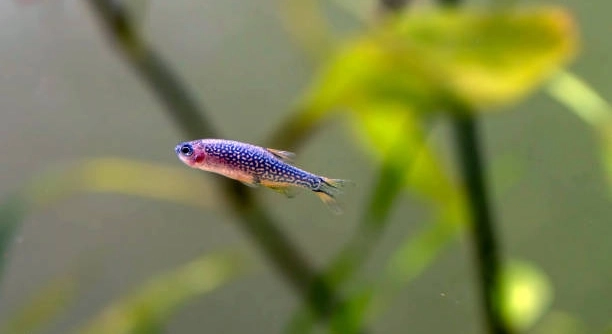
Observing Danios can be a rewarding part of fishkeeping, helping you notice subtle changes in behavior and health. Paying attention to these small details ensures your aquatic environment remains balanced and your fish thrive consistently over time.
Tracking Danio progress requires monitoring their behavior, coloration, feeding patterns, and growth regularly. Consistent observation allows for early detection of stress, disease, or environmental issues, ensuring timely intervention and promoting the overall health and longevity of the fish.
Regularly noting these changes can improve care routines and prevent potential problems, making your aquarium a healthier, more stable environment for your Danios.
Observing Feeding Habits
Watching how your Danios eat can reveal a lot about their health. Healthy fish are usually eager during feeding and consume food evenly. Uneven eating or hesitation may indicate stress, illness, or competition in the tank. Some Danios may nibble continuously, while others eat in bursts. Noting these patterns daily helps track changes. Overfeeding can cloud water quality, affecting fish behavior and growth. Underfeeding may cause lethargy and slow development. Using consistent feeding times and amounts makes it easier to spot deviations from normal habits. Keeping a small log of feeding observations helps identify trends over weeks or months. Adjusting diet and portion sizes based on these notes ensures that each fish receives proper nutrition. Observing interactions around food also shows hierarchy within the group. Dominant fish may prevent others from eating, which can lead to malnutrition if unchecked. Overall, paying attention to feeding routines provides early warning signs and helps maintain a stable, healthy aquarium environment.
Recording feeding behavior consistently allows small changes to be noticed before they develop into bigger problems.
Monitoring eating habits can prevent long-term health issues. Observing which fish struggle during feeding, noting the time spent eating, and tracking any changes in appetite can guide dietary adjustments. Consistent observation also reveals social dynamics, such as dominant fish blocking others from food, which may require separating individuals temporarily or modifying feeding methods. Regular notes over weeks help spot trends that might otherwise go unnoticed. Adjusting food type, portion size, or feeding frequency based on these observations ensures proper growth and energy levels. Small changes, like switching pellet size or offering occasional live food, can encourage shy or slower fish to eat. Feeding observations also indicate water quality indirectly; stressed fish often eat less. Overall, attention to feeding patterns is a simple, effective method for maintaining Danio health and detecting early signs of stress or illness.
Tracking Color and Pattern Changes
Noticing changes in color and patterns can indicate health or environmental issues. Bright, vibrant colors usually mean healthy fish. Dull or faded tones may signal stress, poor water quality, or illness.
Color changes often reflect overall health and environmental conditions. Stress, low oxygen, poor diet, or disease can cause Danios to lose their natural vibrancy. Some species naturally change shade slightly with age, but sudden or patchy fading requires attention. Monitoring daily ensures that any decline in color is addressed early. Adjusting lighting, diet, or water parameters can restore vibrancy. Noting patterns, such as stripes becoming uneven or blotches appearing, may indicate disease or injury. A consistent environment reduces stress-related color loss, and separating aggressive tankmates prevents damage to delicate scales. Keeping a visual record, such as photos, helps compare progress over time. Observing these subtle shifts improves overall care and provides peace of mind that your Danios remain healthy, energetic, and thriving.
Monitoring Swimming Patterns
Danios swimming erratically or staying at the bottom often indicate stress, illness, or water quality issues. Consistent movement and schooling behavior show they are comfortable in their environment.
Tracking swimming patterns helps identify subtle health concerns. Healthy Danios swim actively, exploring the tank and interacting with others. Sudden changes, such as isolating themselves, floating near the surface, or darting rapidly, can signal oxygen problems, parasites, or stress from tankmates. Observing whether all fish move similarly or if only certain individuals behave differently is important. Tank layout, decorations, and hiding spots also influence swimming behavior. Monitoring patterns over time allows for adjustments to water conditions, feeding schedules, or tank setup to maintain a stable, stress-free environment. Consistency in daily observation ensures small deviations are caught early.
Swimming patterns also reveal social dynamics and energy levels. Dominant fish may chase or corner others, affecting overall movement. By noting how individuals interact and move, you can improve tank balance. Changes in speed, schooling tightness, or unusual pauses can indicate illness or discomfort. Recording observations helps track long-term health and ensures timely intervention.
Observing Growth and Size
Tracking size helps detect nutritional or health problems early. Regular measurements or visual comparisons can show uneven growth or stunted development.
Danios grow steadily under proper care, but sudden growth delays or differences among tankmates often indicate dietary deficiencies or stress. Measuring or comparing fish against fixed points in the tank provides a reliable record. Growth patterns may also highlight environmental issues, like poor water quality or insufficient space. Noting which fish consistently lag behind allows for targeted care. Overcrowding or dominance can restrict access to food, slowing growth. Maintaining balanced nutrition, stable water parameters, and appropriate tank conditions ensures consistent development across the group. Monitoring growth alongside behavior and color offers a comprehensive view of health.
Observing size differences also helps plan future tank management. Recognizing slow-growing individuals allows adjustments in feeding or placement, preventing bullying or nutritional gaps. Keeping a consistent record provides long-term insight into overall health trends and tank stability.
Watching Social Behavior
Danios are naturally social and active fish. Observing how they interact can reveal stress, aggression, or bonding within the group. Noticing changes helps maintain harmony and reduces potential injury or conflict.
Pay attention to chasing, nipping, or hiding. Dominant fish may push others aside during feeding or swimming. Monitoring these interactions ensures a balanced social structure. Adjusting group size or tank layout can reduce aggression and keep all fish comfortable.
Noting Respiratory Patterns
Rapid gill movement or frequent surface breathing may indicate low oxygen levels, stress, or illness. Healthy Danios breathe steadily and move calmly through the water.
Keeping Track of Tank Position
Danios spend time in specific areas of the tank. Shifts in their preferred location can signal discomfort, illness, or environmental changes.
FAQ
How often should I observe my Danios?
Observing your Danios daily is ideal. Short, consistent check-ins allow you to notice small changes in behavior, color, or swimming patterns that could indicate health or environmental issues. Even five to ten minutes a day provides enough insight to maintain a stable tank.
What signs indicate my Danios are stressed?
Stress can show through rapid gill movement, erratic swimming, hiding, or faded coloration. Avoiding certain areas or tankmates and reduced feeding interest also signals stress. Tracking these signs helps you address water quality, tank setup, or social dynamics promptly.
How do I know if my Danios are healthy?
Healthy Danios display vibrant colors, active swimming, regular feeding, and consistent social behavior. Even schooling behavior is a good indicator. Observing these traits over time ensures fish remain in good condition and helps detect minor changes early.
Can tank conditions affect Danio behavior?
Yes, temperature fluctuations, poor water quality, low oxygen, and overcrowding can impact swimming patterns, appetite, and coloration. Regular testing and adjusting water parameters, along with adequate space and hiding spots, supports natural behavior and overall health.
Is uneven growth a common concern?
Uneven growth can happen due to differences in food access, genetics, or stress. Monitoring feeding habits, measuring fish occasionally, and ensuring proper nutrition helps maintain balanced growth and prevent long-term health issues.
Why do some Danios hide more than others?
Shy or lower-ranking fish may hide to avoid aggression from dominant tankmates. Noting these behaviors can guide tank adjustments, like adding plants or decorations, to provide secure spaces and reduce stress.
How important is tracking color changes?
Color changes can indicate illness, poor nutrition, or stress. Healthy Danios show bright, consistent coloration. Fading or patchy patterns should prompt water testing, dietary adjustments, and closer observation to prevent worsening conditions.
What should I do if I notice unusual swimming?
Erratic swimming, floating near the surface, or staying at the bottom can indicate stress, oxygen issues, or disease. Observe closely, check water parameters, and isolate affected fish if necessary to prevent spread of illness and maintain tank balance.
Can observing social behavior prevent problems?
Yes, noticing aggression, chasing, or dominance allows early intervention. Separating aggressive fish, redistributing food, or modifying tank layout helps maintain harmony and reduces injuries or stress-related illness.
How do I track respiratory patterns effectively?
Watch gill movements and surface breathing daily. Rapid or irregular breathing may indicate low oxygen, ammonia spikes, or illness. Adjust aeration, filter flow, or water changes accordingly to maintain optimal conditions.
Do I need to record observations?
Keeping a simple log or photos helps identify trends over time. Tracking feeding, growth, color, and behavior ensures early detection of problems, making it easier to intervene and maintain a healthy, thriving aquarium.
Can environmental changes cause behavior shifts?
Yes, changes in light, water temperature, or tank decorations can affect swimming, hiding, or feeding patterns. Gradual adjustments and careful monitoring minimize stress and allow Danios to adapt smoothly.
How long does it take to notice a problem?
Some issues, like color fading or growth delays, appear gradually, while stress responses can happen within hours. Daily observation ensures you catch problems early, preventing long-term health complications.
What is the most reliable observation for overall health?
A combination of feeding habits, color, swimming patterns, social behavior, and growth provides the clearest picture of Danio health. No single observation is enough, but tracking multiple aspects offers the best insight.
Can observing Danios improve their longevity?
Consistent monitoring allows timely interventions for stress, illness, or environmental issues. Addressing problems early and maintaining stable conditions helps Danios thrive, live longer, and display natural behaviors consistently.
How detailed should my observation notes be?
Simple daily notes work well. Recording unusual behaviors, color changes, feeding issues, or interactions with tankmates is sufficient. Over time, patterns emerge, making it easier to identify and correct potential issues before they escalate.
Are all Danios the same in behavior?
No, individual fish can differ in activity levels, feeding speed, and social rank. Observing each fish ensures none are overlooked and allows adjustments to maintain a balanced, healthy group.
What if I notice multiple signs of illness?
If several symptoms appear simultaneously—like erratic swimming, faded color, and reduced appetite—act immediately. Test water quality, isolate affected fish, and consider veterinary guidance or appropriate treatments to prevent further health decline.
Is professional guidance necessary for observation?
Basic observations can be done at home, but consulting an experienced aquarist or veterinarian is helpful when health issues persist or worsen. Combining daily monitoring with professional advice ensures the best care for your Danios.
How does observation affect tank management?
Tracking behavior, feeding, growth, and social interactions informs decisions about tank size, decorations, feeding schedules, and water maintenance. Effective observation reduces stress, prevents disease, and supports long-term aquarium stability and fish well-being.
Observing Danios regularly is one of the simplest yet most effective ways to ensure their well-being. Paying attention to feeding habits, swimming patterns, coloration, and social interactions provides valuable insight into their overall health. Even small changes, like a slight hesitation during feeding or a shift in swimming behavior, can indicate underlying issues that may require attention. Daily observation helps identify stressors in the tank environment, such as water quality problems, overcrowding, or aggressive tankmates. By keeping an eye on these factors, you create an environment where the fish can thrive and maintain natural behaviors. Consistency in observation is key, and making it a part of your routine allows you to catch potential problems before they become serious.
Maintaining accurate records of your Danios’ behavior and progress is another practical step in ensuring their long-term health. Notes on feeding, growth, color changes, and social interactions allow you to compare trends over time. This practice is particularly useful when adjusting diet, introducing new tankmates, or modifying the tank layout. Visual records, such as photographs, can be helpful for comparing subtle changes that may otherwise go unnoticed. Observing growth and size differences among the fish can guide adjustments to feeding practices, tank management, or environmental conditions. Additionally, tracking behavior can reveal patterns that suggest stress or illness early, allowing you to take corrective measures. Combining daily observations with simple record-keeping provides a complete picture of your Danios’ health and helps maintain a balanced, thriving aquarium environment.
Focusing on these small, consistent observations also strengthens the bond you have with your aquarium and its inhabitants. Understanding the individual behaviors, preferences, and needs of each fish makes caring for them easier and more effective. While observing may seem like a minor task, it contributes significantly to the well-being of your Danios and ensures a stable, healthy environment. Paying attention to subtle signs of stress, changes in color, or differences in social behavior allows for timely intervention, reducing the likelihood of disease or conflict. Over time, regular monitoring becomes second nature, and it also enhances your ability to provide an optimal environment for the fish. Ultimately, dedicating time to watch and record your Danios’ progress supports their health, improves tank management, and helps you respond promptly to any issues, ensuring a thriving and harmonious aquatic community.

Hello,
If you enjoy the content that we create, please consider saying a "Thank You!" by leaving a tip.
Every little bit helps us continue crafting quality advice that supports the health, happiness, and well-being of pets around the world, for pets of all shapes, sizes, and species.
We really appreciate the kindness and support that you show us!