
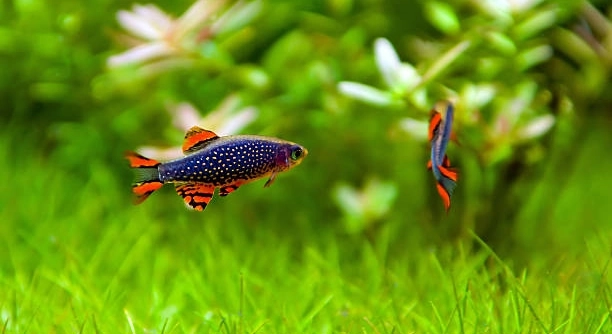
Have you ever noticed your aquarium looking a little off without knowing what changed in your routine? Small details in your tank can reveal more than you expect, especially when feeding habits shift in ways.
Tank overfeeding is commonly identified through visual cues such as cloudy water, excess algae, leftover food and sluggish fish behavior. These indicators reflect nutrient levels and water quality, showing that the system is receiving more food than it can process.
Understanding these signs can help you care for your fish with confidence, encouraging a healthier environment as you explore indicators.
1. Cloudy or Hazy Water
Cloudy or hazy water is usually the first thing you notice when extra food begins to break down in the tank. I have experienced this in my own setups, and it can change the look of the entire space quickly. As food decays, tiny particles spread through the water and make everything appear dull. The filter works hard to collect these particles, but it struggles when too much waste is present. This shift may seem subtle at first, yet it often gets worse with each feeding. Even if the fish still act normal, the water shows that something is off. Seeing the tank lose its clarity can feel frustrating, but it also gives you a helpful signal. When you catch this change early, you can slow down feeding, clean the tank and support better balance. Clear water will return once the extra waste is removed and the feeding routine settles.
Cloudy water forms because leftover food breaks apart and increases the amount of waste floating in the tank. This excess material overwhelms the filter and reduces clarity fast. Addressing feeding habits and removing debris helps restore the water’s clean look and supports healthier conditions for your fish each passing day.
Once the water clears again, it becomes easier to see how small changes in feeding can shape the whole tank. When you feed a little less and monitor how your fish react, the balance returns slowly but steadily. The filter works more effectively, the surfaces stay cleaner and the fish behave with more energy. This improvement can feel reassuring, especially when the tank starts to look bright again. With regular care and attention, cloudy water becomes less common. Staying consistent with these habits keeps the environment stable and helps you notice important details before they become difficult to manage again.
2. Excess Algae Growth
Excess algae often appears when uneaten food increases nutrient levels and encourages fast growth on glass and decorations. I have seen tanks turn green surprisingly quickly when feeding gets out of balance. Reducing portions and keeping surfaces clean helps limit algae and supports a healthier setup overall for your fish.
Algae growth becomes more noticeable when leftover food breaks down and releases nutrients that feed these fast spreading patches. I have dealt with this many times, and it can make a tank look neglected even when the fish are healthy. When algae begins to coat the glass, plants and decorations, it signals that the water is holding more waste than the system can process. This buildup continues as long as excess nutrients remain in the tank. Cleaning the surfaces helps, but preventing the issue requires adjusting how much food is added each day. Feeding smaller amounts allows the fish to finish everything before it settles on the bottom. Once less food is left to decay, the algae slows down and becomes easier to manage. Regular water changes, gentle scrubbing and moderate light levels support this process and help the tank regain a clean look. With time, the environment becomes more stable. The fish show better color and activity, and the space feels clearer overall. By noticing algae early and responding quickly, you keep the tank from slipping into a cycle that becomes tiring to fix. Small corrections made consistently provide long lasting results and reduce stressful upkeep over time too.
3. Leftover Food Settling on the Substrate
Leftover food on the bottom shows that the fish are receiving more than they can finish. I have dealt with this in my tanks, and it quickly becomes messy. This buildup affects the water and attracts unwanted growth if not removed in time.
When food sinks and stays untouched, it starts breaking down and releasing waste into the water. Over time, this waste gathers in hard to reach areas and creates an unhealthy layer that can impact the look of the tank. I often notice the substrate becoming darker or uneven when this happens. Cleaning the bottom helps, but feeding smaller portions is what prevents the issue from returning. Watching how quickly the fish eat lets you adjust portions before they fall to the ground. With careful feeding, the tank stays cleaner, the substrate looks brighter and the whole space feels easier to maintain each day.
Once the extra food is removed regularly, the water quality improves and the tank settles into a steadier rhythm. I find it easier to manage maintenance when the bottom remains clear. The fish behave with more energy since the water holds fewer waste materials that might affect their comfort. Adjusting the amount of food also prevents odors and cloudy patches that come from decomposing debris. Over time, this habit supports a healthier balance and reduces the need for deep cleaning sessions that take longer to complete. A cleaner substrate also makes it easier to notice small changes in fish behavior. Keeping the bottom free of old food is one of the simplest ways to support long term stability.
4. Rapid Algae Film on the Glass
A fast growing film on the glass often appears when extra nutrients enter the water from excess food. I have seen tanks develop this thin layer almost overnight when feeding becomes too generous. Reducing portions helps bring the growth back under control.
This film spreads quickly because algae respond immediately to the higher nutrient levels released from leftover food. When the film becomes visible, it suggests that the tank is receiving more waste than it can naturally process. I often find myself wiping the glass more often during times when feeding gets out of balance. The film can make the tank look dull, even when the fish are healthy. Cleaning helps, but preventing the spread starts with smaller meals. Reducing the amount of food lets the system stabilize and slows the algae. With regular water changes and steady feeding, the tank looks clearer and feels easier to manage.
5. Sluggish or Less Active Fish
Sluggish fish often appear when excess food affects the water and creates conditions that feel uncomfortable for them. I have noticed fish move slower and stay near the bottom when feeding becomes too heavy, showing clear signs that the environment needs adjustment.
When the water holds too much waste, the fish may feel stressed and conserve their energy. I can usually tell something is off when their usual quick movements fade into slower patterns. Reducing the amount of food and improving the water quality helps them return to their normal behavior.
6. Strong or Unpleasant Odors
Strong odors often rise from the tank when leftover food begins to decay. I have dealt with this before, and the smell becomes noticeable whenever feeding gets out of balance. The scent usually comes from waste collecting in hidden spots or the filter working harder than normal. It can feel overwhelming at times, especially in smaller rooms where the smell lingers. Clearing debris and refreshing the water helps the odor fade, but adjusting the feeding routine is what keeps it from returning. Smaller portions allow the tank to process waste more efficiently. With consistency, the air around the aquarium stays cleaner and more comfortable.
7. Debris Accumulating in the Filter
Debris fills the filter quickly when too much food enters the tank. I often notice the flow slowing down, which shows the filter is collecting more waste than usual. Keeping portions smaller helps prevent this buildup.
FAQ
How can I tell if I am feeding my fish too much?
You can usually tell you are feeding too much when you notice changes in the tank that feel out of place. Cloudy water, extra algae, leftover food on the bottom or sluggish fish often appear together. I have seen these signs show up slowly, then suddenly become obvious. When this happens, it is usually a sign that the tank is taking in more food than it can handle each day. Paying attention to these small changes helps you react early before the water quality drops. Once you reduce the amount of food, the tank begins to look clearer and the fish act more energetic again.
How often should I feed my fish to avoid overfeeding?
Feeding once or twice a day works well for most setups. I like to keep the portions small and watch how quickly the fish eat. If they finish everything within a couple of minutes, the portion is usually right. If food falls to the bottom or stays floating for too long, reducing the next meal helps maintain balance. Smaller meals make it easier for the tank to process waste, and the water stays more stable throughout the week. This routine keeps the fish comfortable and prevents the tank from getting messy.
What happens to the water when too much food enters the tank?
Too much food breaks apart and increases the waste in the water. As it settles in different spots, it releases materials that affect clarity, color and smell. I have seen tanks shift from clear to hazy in a short time when feeding gets out of balance. Filters work harder than usual, and algae begin to spread much faster. Over time, this extra waste changes how the fish behave because the environment does not feel as clean. Adjusting the feeding routine helps the tank recover and keeps the water from changing too quickly.
Can overfeeding harm the fish?
Overfeeding can affect the fish in ways that sometimes go unnoticed. When the water becomes heavy with waste, the fish may feel stressed and lose some of their energy. I often notice slower movements or less interest in swimming when the tank becomes too nutrient rich. Their colors may look duller too. Even if they still eat, the environment around them becomes harder to manage. Lowering the amount of food supports cleaner water, which helps the fish act more lively again. A balanced feeding routine keeps them healthier in the long run.
How fast can tank conditions change after overfeeding?
The tank can change quickly after a large feeding, sometimes within hours. I have walked past my aquariums and noticed hazy water forming faster than expected. Algae and odors tend to appear soon after. Filters often slow down as they collect more debris. If the food breaks apart and settles in hidden areas, the effects last longer. Cleaning helps, but the tank recovers faster when food portions are reduced right away. Keeping a consistent routine helps prevent sudden shifts like this.
What should I do if I accidentally overfeed my fish?
If you accidentally overfeed, removing the extra food as soon as possible helps protect the water. I like to use a net or siphon to gather anything floating or sinking. A small water change also helps reduce the waste level. Cleaning the filter gently can support the system without disturbing the beneficial bacteria. After that, feeding smaller portions for the next couple of days allows the tank to settle. Watching the fish and water closely helps you see when everything returns to normal.
Can the filter fix overfeeding issues on its own?
A filter can help, but it cannot completely solve overfeeding. When too much food enters the tank, the filter collects debris faster than it can process. I have seen filters clog quickly during times when feeding was heavier than usual. They play a big role in keeping the water steady, but they need support through balanced feeding and regular maintenance. When both work together, the tank stays healthier, and the fish behave more comfortably each day.
Why does extra food create odors in the tank?
Extra food creates odors because it breaks down and releases waste that builds up in the water. I have noticed the smell become stronger when debris hides in corners or inside decorations. It lingers until the tank is cleaned and the feeding routine is adjusted. Smaller meals help prevent this issue from returning, keeping the space fresher and easier to enjoy.
Final Thoughts
Caring for a tank becomes much easier once you understand how quickly small habits can shape the environment. Overfeeding may seem harmless at first, especially when the fish look eager for more, but the effects build up faster than many expect. I have learned through my own tanks that the signs often appear quietly, then become more noticeable as the waste grows. Cloudy water, extra algae, unpleasant smells and changes in fish behavior all show that the balance is shifting. Even though these issues can feel stressful, they also guide you toward the steps that help restore stability. Slowing down, watching how the fish react to each meal and staying consistent with cleaning makes everything easier to manage. With time, you can see how the tank responds to your routine, and it becomes clearer how much food the system can comfortably handle without slipping into unhealthy conditions.
The connection between feeding and water quality becomes clearer the more you pay attention to these signs. Uneaten food almost always leads to changes in the water, and once it starts breaking down, the tank struggles to keep up. I have seen how quickly filters clog when the food load becomes too heavy or how algae spreads across surfaces that once looked clean. These shifts show why feeding smaller portions helps the tank stay steady. It reduces the waste levels, keeps the filter from getting overwhelmed and gives the fish a cleaner space to move around comfortably. When you start adjusting the feeding routine, the results often show within days. The water clears, the odors fade and the fish move with more energy. These improvements can be reassuring, especially when caring for the tank starts to feel more natural. Every small change you make builds into a routine that supports long term stability.
Keeping the tank healthy is not about strict rules but about learning what works well for your setup. Each tank behaves a little differently, and your own observations are some of the most helpful tools you have. Watching how the fish eat, how the water looks and how the tank responds to each adjustment gives you confidence. Overfeeding is a common issue, but it is also one of the easiest to correct once you know what to look for. As you continue caring for your aquarium, these visual indicators become familiar, and you start noticing changes earlier. With patience and steady habits, the tank grows cleaner and calmer, and the fish show more natural behavior. This creates an environment that feels peaceful to watch and easier to care for each day, giving you a setup that stays balanced and enjoyable for a long time.

Hello,
If you enjoy the content that we create, please consider saying a "Thank You!" by leaving a tip.
Every little bit helps us continue crafting quality advice that supports the health, happiness, and well-being of pets around the world, for pets of all shapes, sizes, and species.
We really appreciate the kindness and support that you show us!