
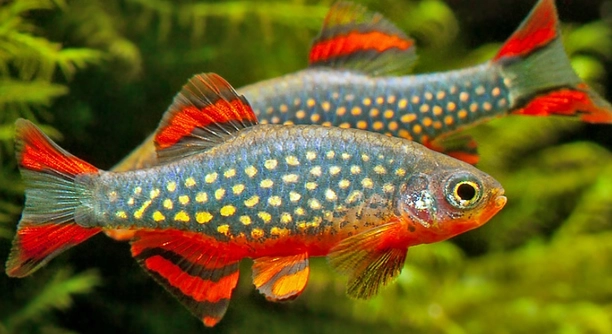
Are your aquariums filled with lively danios but still feel empty without other companions? Many fish enthusiasts look for peaceful tankmates that will blend effortlessly, keeping the environment calm and visually appealing for all inhabitants.
Several quiet species are suitable to share space with danios, including small tetras, Corydoras catfish, and Otocinclus. These fish exhibit non-aggressive behavior, adapt well to similar water conditions, and maintain harmony in community tanks without disturbing the active danios.
Adding these compatible fish can enhance the tank’s appearance and create a balanced ecosystem where every species thrives peacefully together.
Small Tetras
Small tetras are excellent companions for danios. Their calm nature and modest size prevent conflicts while swimming. These fish are active but not aggressive, making them ideal for community tanks. Neon tetras, ember tetras, and cardinal tetras offer subtle color, creating visual interest without overwhelming the space. They prefer similar water conditions, with temperatures around 72–78°F and a slightly acidic to neutral pH. Tetras also appreciate planted tanks, where they can dart among foliage safely. Their schooling behavior adds movement that complements danios’ activity. Unlike some larger or more dominant species, they rarely chase or nip at tankmates. Keeping a small school of at least six tetras ensures they feel secure and display natural behaviors. They feed on micro-pellets, flakes, or frozen foods, which danios can also enjoy, reducing feeding competition. Observing tetras alongside danios creates a peaceful, balanced tank dynamic that feels lively yet harmonious, adding gentle motion without stress.
Tetras are small, peaceful, and easy to maintain, making them suitable companions for danios in community aquariums. Their social behavior encourages harmony.
Adding tetras can make the aquarium feel more complete. Their subtle colors blend with danios, while their calm swimming keeps the tank balanced. Schools of tetras create a natural rhythm that complements other species, making the aquarium enjoyable to watch every day.
Corydoras Catfish
Corydoras catfish spend most of their time at the bottom, cleaning up leftover food and preventing waste buildup. Their peaceful nature prevents conflicts with mid- and top-level swimmers like danios. These catfish prefer soft, sandy substrates to protect their sensitive barbels while foraging. They thrive in groups of at least three, encouraging social behavior and minimizing stress. Corydoras are hardy, tolerating a range of temperatures and water conditions, which makes them adaptable companions. Feeding is easy, as they consume sinking pellets, small frozen foods, and occasional vegetable matter. Their playful activity along the bottom adds depth to the tank’s movement without disturbing the upper levels where danios swim. Watching Corydoras scavenge can be surprisingly entertaining, giving a sense of balance to tank maintenance and overall dynamics. They rarely compete for food with danios, ensuring everyone receives proper nutrition. Their gentle behavior and constant motion contribute to a peaceful, healthy aquarium environment.
Corydoras offer bottom-level activity that complements danios swimming above. Their peaceful temperament ensures they coexist without stress.
Keeping Corydoras in the tank adds variety and function. These catfish actively clean the substrate, reducing leftover food and maintaining water quality. Their social groups create a natural display of coordinated movements. While danios occupy the upper and middle layers, Corydoras enhance the lower areas, creating a three-dimensional tank experience. They adapt well to community setups, tolerate minor water fluctuations, and rarely engage in aggressive behaviors. Observing both species interact indirectly highlights harmony and subtle dynamics in a shared space. Corydoras’ constant motion at the bottom keeps the aquarium lively, while their calm temperament prevents conflicts. Feeding routines are simple, with sinking pellets and occasional vegetables, making care manageable. Their presence encourages a cleaner tank, indirectly supporting the health of danios. Combining danios and Corydoras creates a balanced, visually interesting habitat where both species can thrive together.
Otocinclus
Otocinclus are small algae eaters that stay out of the way of danios. They clean surfaces quietly and do not compete for swimming space. Their gentle nature makes them ideal for maintaining tank cleanliness without causing stress to other fish.
These fish are particularly useful for controlling algae growth on plants, decorations, and tank walls. They prefer well-established tanks with stable water parameters and a temperature range of 72–79°F. Otocinclus do best in groups of at least three to feel secure and display natural behavior. Feeding them is straightforward, as they graze on algae naturally present in the tank and can also accept blanched vegetables or algae wafers. Their constant, quiet movement along surfaces adds subtle activity, complementing danios’ more active swimming patterns. Watching Otocinclus glide over plants can be relaxing, providing a sense of order and balance in the aquarium.
These algae-eating fish adapt well to community tanks, making them practical and peaceful companions. Their small size and non-aggressive nature prevent conflicts with other species, ensuring harmony.
Kuhli Loaches
Kuhli loaches are slender, bottom-dwelling fish that spend most of their time burrowing or hiding under decorations. Their calm temperament allows them to coexist with active danios without causing stress or competing for territory. They prefer soft, sandy substrates and gentle water currents to mimic natural habitats.
These loaches are nocturnal, often coming out during dim lighting or at night to forage for leftover food and detritus. Keeping them in groups of at least three encourages social behavior and reduces stress. They are peaceful and rarely engage with other species, focusing instead on exploring crevices and tunnels. Their feeding habits complement danios, as they consume food that sinks to the bottom, helping maintain tank cleanliness. Kuhli loaches are adaptable to a range of water parameters, although stable conditions with slightly acidic to neutral pH ensure their health. Observing them move in and out of hiding spots adds a subtle, calming dynamic to the tank while maintaining harmony among all species.
Harlequin Rasboras
Harlequin rasboras are peaceful mid-level swimmers that blend well with danios. Their calm nature and moderate activity prevent territorial disputes, making them reliable companions. They thrive in schools of six or more, which encourages natural behavior and adds gentle movement to the tank.
These fish prefer slightly acidic to neutral water and temperatures between 72–80°F. Their striking coloration adds visual appeal without overwhelming the tank. Feeding is easy, as they accept flakes, micro-pellets, and small frozen foods. Harlequin rasboras are hardy and adapt well to community setups, maintaining harmony while supporting the overall aesthetic.
Cherry Shrimp
Cherry shrimp are excellent tank cleaners that coexist safely with danios. They consume algae and detritus, reducing waste and helping maintain water quality. Their small size and non-aggressive behavior make them unobtrusive additions, providing subtle activity throughout the tank.
White Cloud Mountain Minnows
White cloud mountain minnows are hardy, peaceful fish that swim in schools and occupy the middle to upper levels of the tank. They tolerate a wide range of water temperatures and conditions, making them compatible with danios. Their small size prevents competition, and their schooling behavior creates natural, synchronized movement that enhances tank dynamics. They feed easily on flakes, micro-pellets, and small frozen foods. These minnows are resilient, adapt well to community setups, and maintain calm interactions with other fish. Their subtle coloration blends with active danios, supporting a balanced visual environment while ensuring minimal stress for all tank inhabitants.
Amano Shrimp
Amano shrimp quietly graze on algae and leftover food, staying out of the way of swimming danios. Their peaceful nature ensures they coexist without stress, adding a functional cleaning role to the tank environment.
FAQ
What makes a fish compatible with danios?
Compatibility with danios depends on temperament, size, and swimming level. Peaceful, non-aggressive species that occupy different areas of the tank usually coexist well. Small to medium-sized fish that do not compete for food or territory are ideal. Water temperature and pH preferences should also align with danios.
Can danios live with bottom dwellers?
Yes, bottom dwellers like Corydoras catfish, Kuhli loaches, and Amano shrimp usually share space peacefully. These species occupy the lower tank levels, while danios swim near the middle and top. This separation reduces conflicts and allows all species to display natural behavior without stress.
Are schooling fish better companions for danios?
Schooling fish are excellent companions because they move in coordinated groups, creating dynamic activity without aggression. Harlequin rasboras, small tetras, and white cloud mountain minnows are examples. Schooling provides security for smaller fish and keeps the aquarium visually appealing while maintaining harmony with danios.
Do algae eaters help in a community tank?
Algae eaters like Otocinclus and Amano shrimp are beneficial. They clean surfaces and leftover food, reducing waste and improving water quality. These species are quiet and non-aggressive, making them ideal for community setups with active fish like danios. Their activity also enhances tank balance and aesthetics.
How many companions should I keep with danios?
Danios do well in groups, and their tankmates should also be kept in small schools. At least six danios is recommended, while compatible species like tetras or rasboras should be in groups of three to six or more. This promotes natural behavior, reduces stress, and encourages peaceful interactions.
Will danios bother smaller species like shrimp?
Generally, peaceful shrimp such as cherry or Amano shrimp coexist without problems. However, very small or very timid species might need hiding spots. Plants, driftwood, and decorations provide shelter, allowing shrimp to feed and move safely without interference from danios.
What is the best tank setup for mixed species with danios?
A well-planted tank with open swimming areas is ideal. Middle and top-level swimmers like danios need space to move freely, while bottom dwellers and algae eaters benefit from hiding spots and substrate. Maintaining proper filtration and water parameters supports health for all species.
How should I feed a tank with danios and quiet companions?
Feeding should accommodate all species’ needs. Flakes or micro-pellets work for danios and schooling fish, while sinking pellets or blanched vegetables suit bottom dwellers and shrimp. Distributing food across levels ensures everyone eats without competition, reducing stress and supporting balanced nutrition.
Are there risks with keeping multiple species?
Yes, introducing new species can lead to stress or aggression if water parameters or tank space are insufficient. Always monitor interactions and gradually introduce new fish. Choosing compatible, peaceful species reduces the risk of conflicts and helps maintain a calm, healthy aquarium environment.
How can I maintain harmony in a community tank?
Harmony depends on compatible species, proper group sizes, and sufficient space. Plants, hiding spots, and open swimming areas reduce stress. Regular water changes, balanced feeding, and observation of behavior ensure all species thrive together. Choosing quiet, non-aggressive companions keeps the tank peaceful and visually balanced.
What are the most low-maintenance companions for danios?
Corydoras catfish, Otocinclus, Amano shrimp, and small tetras are low-maintenance options. They require standard water conditions and minimal special care. Their peaceful nature and simple feeding needs make them suitable for community tanks without creating extra stress or workload.
Can danios live with aggressive species?
It is not recommended. Aggressive fish can stress or injure danios, leading to health issues. Stick to peaceful, non-territorial species that occupy different tank levels. This approach ensures harmony and allows each species to display natural behavior without fear or competition.
Final Thoughts
Creating a peaceful aquarium with danios requires careful selection of compatible species. Danios are active swimmers that enjoy open space, so choosing tankmates that are calm, non-aggressive, and occupy different areas of the tank is important. Species like small tetras, Harlequin rasboras, Corydoras catfish, and Otocinclus offer natural balance. They do not compete aggressively for food or territory and adapt to similar water conditions, which makes maintaining harmony easier. A mix of mid-level and bottom-dwelling fish, along with small algae eaters, ensures all parts of the tank are active without conflict. Observing their behaviors over time allows you to notice any signs of stress or competition, giving insight into how well the tank’s community functions.
Tank setup plays a crucial role in maintaining peace. Open swimming areas should be combined with plants, driftwood, and hiding spots to provide security for quieter or smaller species. Bottom dwellers and shrimp benefit from crevices and shaded spaces where they can feed or rest without interference from more active danios. Temperature, pH, and filtration should be stable to support all species. Feeding strategies are also important—flakes and micro-pellets for danios and mid-level swimmers, along with sinking pellets or blanched vegetables for bottom dwellers, help reduce competition and stress. Keeping a close eye on food distribution ensures that each species receives proper nutrition. Over time, a well-planned tank provides a dynamic yet harmonious environment where every fish and invertebrate can thrive in its natural behavior patterns.
Choosing quiet species that share space well with danios not only improves tank aesthetics but also enhances overall fish health and wellbeing. Watching different species move together in a community tank offers a sense of balance and calm. Even active danios blend seamlessly with peaceful companions when the right mix is selected. Maintaining group sizes, providing sufficient hiding spots, and monitoring behavior are all essential steps. When these factors are considered, the aquarium becomes more than a decorative display—it becomes a functional ecosystem where each species contributes to the stability and enjoyment of the tank. Over time, observing these interactions can be rewarding and educational, showing how careful planning and simple adjustments can lead to a thriving, harmonious aquatic environment.

Hello,
If you enjoy the content that we create, please consider saying a "Thank You!" by leaving a tip.
Every little bit helps us continue crafting quality advice that supports the health, happiness, and well-being of pets around the world, for pets of all shapes, sizes, and species.
We really appreciate the kindness and support that you show us!