
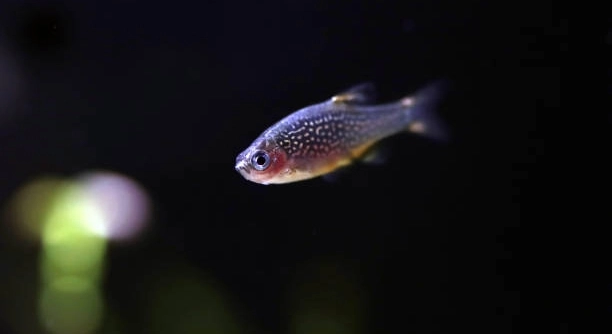
Are your danios swimming restlessly in their tank despite having a filter installed? Many fish owners struggle to find settings that provide clean water without stressing these small, active fish, leaving their aquarium environment unstable and unsettling.
Choosing filter settings that maintain gentle water flow, moderate filtration, and minimal suction is essential for danios. Properly calibrated equipment ensures water quality without disrupting their schooling behavior, natural movement, or causing physical harm, supporting their overall health and wellbeing.
Knowing the right adjustments can save your fish from unnecessary stress and help maintain a balanced, thriving aquarium environment for years to come.
Low Flow Rate Settings
A low flow rate is ideal for danios because it prevents them from being swept around the tank. These small fish are active swimmers, but strong currents can stress them and disrupt their natural movement. Adjusting the filter to a gentle output helps them swim freely and reduces fatigue. Many standard aquarium filters allow you to control the flow by adjusting a dial or partially blocking the outlet. Positioning the filter outlet away from the main swimming area also helps maintain calm water. By using a low flow rate, you create a stable environment where danios can school naturally without fighting the current, making feeding easier and promoting healthier behavior. Maintaining consistent flow is equally important, as sudden bursts of strong current can startle the fish. Watching them adapt to the gentle water movement can also be satisfying, as you notice smoother swimming patterns and less erratic behavior. This small adjustment can make a big difference in their wellbeing.
Low flow rates ensure danios experience minimal stress and can maintain regular swimming patterns, which promotes long-term health and activity.
Adjusting your filter carefully and observing how danios respond can prevent issues before they arise. Slow changes allow the fish to adapt naturally.
Sponge Pre-Filters
Using a sponge pre-filter is an effective way to protect danios from strong suction and debris. These devices attach to the main filter intake, softening the water flow and preventing small fish or fry from being drawn in. Sponge filters provide mechanical filtration by trapping particles and also create a surface for beneficial bacteria to grow, supporting biological filtration. This additional layer is especially useful in tanks with delicate or juvenile danios. Sponge pre-filters are easy to clean and maintain without disrupting the main filter, making them practical for regular upkeep. They also reduce noise and turbulence in the water, contributing to a calmer environment for the fish. By adding a sponge pre-filter, you can keep the water clean without stressing the fish, which helps them stay healthy and active. Over time, these filters can also support stable water chemistry by promoting bacterial colonies that process harmful compounds. Proper placement ensures even water flow throughout the tank, keeping the environment consistent for all inhabitants.
Sponge pre-filters create a safer environment by softening suction and supporting clean water.
Adjustable Outlet Direction
Positioning the filter outlet properly can prevent strong currents that stress danios. Angling the water flow toward a tank wall or surface reduces turbulence, allowing fish to swim naturally. Adjustments are simple and improve overall tank stability while keeping danios comfortable.
Redirecting the outlet helps control water movement without affecting filtration efficiency. Many filters allow you to rotate the nozzle or use deflectors to disperse flow. This adjustment keeps the main swimming areas calm while ensuring water circulates effectively. Fish respond positively, showing smoother swimming and less frantic movement near the filter. Properly directed flow also improves oxygen distribution and prevents debris buildup in corners, maintaining cleaner conditions.
A well-angled outlet supports natural schooling behavior and reduces fatigue. Danios can explore the tank freely, with less chance of injury or stress. Observation shows calmer, healthier fish when water is gently directed, making the tank more stable.
Regular Maintenance
Consistent cleaning prevents filter clogging, which can disrupt water flow and quality. Timely maintenance ensures stable conditions for danios and reduces the risk of stress-related health issues.
Cleaning or replacing filter media at recommended intervals maintains effective filtration. Debris and biofilm can accumulate quickly, especially in tanks with active fish. Neglecting maintenance can lead to sudden drops in water quality, increasing ammonia and nitrite levels. Regularly rinsing sponges, cartridges, or pre-filters in tank water prevents the loss of beneficial bacteria while keeping water clear. Observing the filter during cleaning also helps identify early signs of mechanical wear or flow reduction, allowing small adjustments before problems escalate.
Proper upkeep supports consistent water flow and quality, which is crucial for danios. Fish remain active and healthy, exhibiting normal swimming and feeding behavior. It also extends the life of your filter equipment, making tank management more predictable and less stressful over time. Scheduling maintenance in a routine prevents sudden issues and ensures the aquarium remains a stable environment for all inhabitants.
Air-Driven Filters
Air-driven filters provide gentle circulation that suits danios well. They maintain water quality without creating strong currents, supporting calmer swimming and consistent oxygen levels throughout the tank.
These filters also enhance biological filtration by promoting beneficial bacteria growth. The soft flow is easy on small fish and fry, reducing stress while maintaining clean water.
Flow Control Valves
Installing flow control valves allows precise adjustment of water movement. These devices help reduce strong currents and let you fine-tune filtration for danios’ comfort. Proper control ensures that water circulates evenly without disturbing their natural swimming patterns or schooling behavior.
Avoid Overfiltration
Too much filtration can create strong currents that tire danios. Limiting filter capacity or using partial media setups maintains balance, keeping water clean while preserving gentle movement in the tank.
Check Filter Height
Keeping the filter outlet close to the water surface prevents strong downward currents. This adjustment softens flow and maintains a calm environment for active danios.
FAQ
How often should I adjust my filter for danios?
Filter adjustments should be made gradually and only when necessary. Danios respond best to stable conditions, so frequent changes can stress them. Minor tweaks to flow rate or outlet direction can be done monthly or when observing unusual swimming patterns or signs of fatigue in your fish.
Can I use a strong filter if I reduce the flow?
Yes, a high-capacity filter can be used as long as the flow is controlled. Using valves, deflectors, or partially blocking the outlet reduces current strength while maintaining effective filtration. This approach keeps the water clean without overwhelming the danios.
Is a sponge filter enough for a small tank?
For small tanks, a sponge filter often provides adequate mechanical and biological filtration. It offers gentle water flow, protects fry or smaller fish, and supports beneficial bacteria growth. For heavily stocked tanks, additional filtration may be necessary.
How do I know if the current is too strong?
Signs of strong currents include fish being pushed against decorations, struggling to swim, or showing signs of fatigue. Danios should swim freely without difficulty. Observing their behavior daily helps identify if flow adjustments are needed.
Should I combine different types of filters?
Combining filters can be effective, especially in larger tanks. Using a sponge filter with a hang-on-back or canister filter balances gentle flow with strong filtration. Ensure that combined currents do not create turbulence in the main swimming areas.
Can filter noise affect danios?
Excessive noise or vibration can stress fish. Air-driven and sponge filters are usually quiet, but mechanical filters can create sound or water movement that disturbs them. Checking placement and adding deflectors can reduce noise and improve comfort.
How do I maintain biological filtration while reducing flow?
Reducing flow does not harm biological filtration if the filter media remains submerged and regularly cleaned in tank water. Beneficial bacteria thrive on surface area, so sponge media or ceramic rings continue processing ammonia and nitrites effectively.
Are there signs my danios are stressed by the filter?
Stress indicators include erratic swimming, hiding excessively, loss of appetite, or clamped fins. These behaviors signal that water movement or suction may be too strong. Adjusting flow rate, outlet direction, or adding pre-filters usually resolves these issues.
Is it necessary to turn off the filter when cleaning?
Filters should be cleaned carefully without fully disrupting the ecosystem. Turning off the filter temporarily is fine, but rinse media in tank water to preserve bacteria. Avoid using tap water or harsh chemicals, which can reduce filtration efficiency.
Do temperature and filter settings interact?
Yes, filter placement and flow can affect water temperature distribution. Gentle circulation helps maintain uniform temperature, preventing cold or warm spots. Ensuring even water movement supports danios’ health and reduces localized stress from temperature fluctuations.
How long before danios adjust to a new filter setting?
Adjustment time varies, but most danios acclimate within a few days if changes are gradual. Observing behavior and swimming patterns can help you confirm whether the new settings are suitable or require further minor tweaks.
Can I use multiple outlets for better flow control?
Multiple outlets can improve water distribution but must be balanced to avoid turbulence. Using directional spouts or diffusers ensures calm swimming areas while maintaining efficient filtration across the tank. Proper positioning helps even young and adult danios thrive.
Is regular observation more important than preset flow levels?
Yes, watching your fish daily provides feedback that no guide or preset can replace. Adjusting filters based on behavior ensures danios are comfortable, active, and healthy, rather than relying solely on recommended settings.
What’s the easiest way to reduce suction at the intake?
Adding a sponge pre-filter or mesh guard reduces suction without affecting flow significantly. This protects small fish, fry, and delicate fins from being pulled into the intake while maintaining adequate filtration and water movement throughout the tank.
How does tank size affect filter settings for danios?
Smaller tanks need gentler flow, as strong currents develop more quickly in compact spaces. Larger tanks allow stronger filtration but still benefit from flow direction adjustments, pre-filters, and multiple outlets to maintain a calm swimming environment across the aquarium.
Can over-filtration affect oxygen levels?
Over-filtration generally increases oxygenation, but excessive water turbulence can stress danios. Gentle aeration combined with moderate flow ensures enough oxygen while keeping fish comfortable. Observing surface movement and fish behavior indicates whether oxygen levels and flow are balanced.
How often should sponge filters be cleaned?
Sponge filters should be rinsed every 2–4 weeks, depending on tank load. Cleaning in tank water prevents loss of beneficial bacteria. Avoid aggressive scrubbing, which can damage media or remove too much bacterial growth, reducing filtration efficiency.
Do live plants help with filter stress?
Yes, live plants break up water flow, provide hiding spots, and reduce turbulence. They also contribute to water quality by absorbing nutrients and providing additional oxygen, making the tank more stable and comfortable for danios.
Can changing filter brands affect my danios?
Switching filters can affect water flow, noise, and suction. Gradual introduction and observation help ensure danios adjust without stress. Matching flow characteristics and using familiar pre-filters or deflectors can ease the transition.
How do I balance filtration and calm water in a densely planted tank?
Position outlets carefully to avoid disturbing plants, use sponge or pre-filters to soften suction, and adjust flow to maintain circulation without uprooting vegetation. This creates a gentle, stable environment where danios can swim naturally while plants thrive.
What’s the best practice for filter placement in a community tank?
Place filters where flow doesn’t push smaller or weaker fish around. Position outlets toward walls or surface and use deflectors to create calm zones. Balancing filtration ensures all species, including danios, enjoy clean water without stress.
How important is observation after installing a new filter?
Observation is crucial. Fish behavior reveals whether flow, suction, or noise is suitable. Daily checks during the first week help identify problems quickly, allowing minor adjustments before they affect health or activity. Regular monitoring is more reliable than following guidelines alone.
How do I prevent sudden water surges from damaging fish?
Avoid full-speed operation immediately after cleaning or restarting the filter. Gradual ramp-up of flow, use of deflectors, or sponge attachments prevents sudden surges that can stress or injure danios. Proper planning protects delicate fins and small fry.
Can air stones replace gentle filtration for danios?
Air stones provide oxygenation but do not remove debris or support biological filtration effectively. They are best used alongside a gentle filter, not as a replacement. Combining both maintains water quality while offering calm currents for danios.
Is it okay to run a filter 24/7?
Yes, continuous filtration maintains water quality, circulation, and oxygen levels. Turning off the filter for long periods can create stagnant water, increasing stress and ammonia buildup. Gentle, well-maintained filters running 24/7 are ideal for danios’ health and comfort.
How can I tell if my filter is too strong for young danios?
Fry or juvenile danios may struggle against currents, hide excessively, or get trapped in corners. Installing sponge pre-filters, reducing flow, or redirecting outlets helps create safe swimming zones, ensuring growth and survival without stress or injury.
What maintenance tips help keep flow gentle but effective?
Rinse filter media in tank water, monitor output, and adjust valves or outlets. Inspect for debris buildup that can suddenly increase flow resistance. Gentle, consistent maintenance preserves both water quality and a calm environment suitable for danios.
Are there any filter types to avoid for danios?
Filters with strong suction or turbulent output can be harmful, especially for small tanks or fry. Avoid high-powered pumps without adjustable flow or those that cannot accommodate pre-filters or deflectors to reduce current. Selecting equipment with flexible control ensures safer conditions.
How can I safely introduce a new filter to an established tank?
Introduce gradually, running it alongside the old filter if possible. Monitor fish behavior for several days, adjust flow as needed, and ensure water parameters remain stable. Using familiar pre-filters or deflectors reduces stress and helps danios acclimate smoothly.
What is the role of flow consistency in danio health?
Consistent flow prevents stress and supports natural swimming patterns. Sudden surges or irregular currents can tire fish, disrupt schooling, or lead to injury. Maintaining steady, gentle movement promotes activity, appetite, and overall long-term health.
Can tank decorations help manage filter flow?
Yes, decorations like rocks, plants, or driftwood can diffuse water movement and create calm zones. This helps danios avoid strong currents while still benefiting from circulation and filtration, improving comfort and tank stability.
How do I know if my filter adjustments are working?
Observe swimming patterns, feeding behavior, and general activity. Calmer, evenly spaced schooling and normal feeding indicate proper flow. Adjust gradually and continue monitoring to maintain ideal conditions for danios over time.
How important is pre-filter cleaning for flow management?
Cleaning pre-filters prevents clogs that can increase flow resistance or turbulence. Regular maintenance keeps gentle water movement, protects small fish, and maintains efficient filtration without stressing danios or disturbing tank balance.
How can I maintain gentle flow in a heavily stocked tank?
Use sponge pre-filters, flow deflectors, and multiple outlets to distribute water evenly. Adjust each filter individually to reduce strong currents while maintaining effective circulation. Observation ensures danios remain active without struggling against currents or crowding corners.
Can filter adjustments reduce disease risk?
Proper filtration supports water quality, reducing harmful ammonia, nitrites, and debris that stress fish and make them susceptible to disease. Gentle, consistent flow allows danios to maintain normal behavior and stronger immunity.
What is the simplest way to soften flow in any tank?
Adding sponge pre-filters, deflectors, or adjusting outlet angle softens water movement. Minor tweaks create calmer areas without reducing filtration, keeping danios comfortable and healthy.
How does water temperature affect filter performance?
Temperature influences viscosity and flow dynamics. Gentle adjustments and proper circulation help maintain uniform temperature throughout the tank, preventing local stress points for danios and ensuring stable conditions for filtration efficiency.
Are there any long-term benefits to proper filter settings?
Yes, maintaining gentle, well-distributed flow ensures healthier, more active fish, reduces stress-related illness, and prolongs the life of both danios and filtration equipment. Consistent settings support natural behaviors, feeding, and overall tank stability for years.
What small changes make the biggest difference for danios?
Adjusting flow direction, adding sponge pre-filters, and controlling suction have immediate impacts. Observing behavior and responding to stress signs ensures that even minor tweaks improve swimming comfort, schooling behavior, and overall health.
How can I combine multiple tips for optimal results?
Use pre-filters, adjust outlets, maintain gentle flow, clean media regularly, and monitor fish behavior. Combining these strategies creates a stable, clean, and calm environment, supporting danios’ activity, health, and longevity in the tank.
Final Thoughts
Maintaining a calm and healthy environment for danios starts with understanding how filter settings affect their behavior and wellbeing. These small, active fish thrive in gentle water flow, and even minor turbulence or strong suction can stress them, disrupting swimming patterns and feeding habits. Adjusting the flow rate, positioning outlets carefully, and using pre-filters are simple yet effective ways to create stable conditions. Proper filtration not only keeps the water clean but also helps preserve natural schooling behavior and prevents fatigue. Observing the fish regularly allows you to notice subtle signs of stress, which often appear before water quality issues become serious. By responding promptly to these signals, you ensure that the tank remains a comfortable space for your danios, giving them the best chance to grow healthy and active.
Regular maintenance is a key component of keeping filter settings optimal for danios. Sponge filters, air-driven devices, and adjustable outlets all provide ways to maintain water quality without creating strong currents. Cleaning filter media in tank water, checking for clogs, and monitoring flow rates help prevent sudden changes that could stress your fish. Even high-capacity filters can work safely if flow is moderated and outlets are properly directed. Combining gentle filtration with natural elements like live plants and decorations also supports calmer swimming zones and reduces turbulence. The goal is a balanced environment where filtration efficiently removes waste while the fish can swim freely, feed naturally, and interact within their schools. Proper upkeep reduces the risk of sudden spikes in ammonia or nitrites, which can be harmful, and ensures that both the fish and the equipment perform well over time.
It is important to recognize that each tank is unique, and what works for one setup may need slight adjustments in another. Factors such as tank size, number of fish, presence of fry, and type of filter all influence the ideal settings. Observing behavior after each adjustment is the most reliable way to determine success. Gentle flow, controlled suction, and consistent water quality are the foundation of a healthy danio tank. Paying attention to these details makes daily care easier, minimizes stress for the fish, and creates a more enjoyable aquarium to watch. By implementing these strategies and monitoring the tank carefully, you ensure that your danios thrive in a calm, stable, and well-maintained environment that supports their long-term health and activity.

Hello,
If you enjoy the content that we create, please consider saying a "Thank You!" by leaving a tip.
Every little bit helps us continue crafting quality advice that supports the health, happiness, and well-being of pets around the world, for pets of all shapes, sizes, and species.
We really appreciate the kindness and support that you show us!