
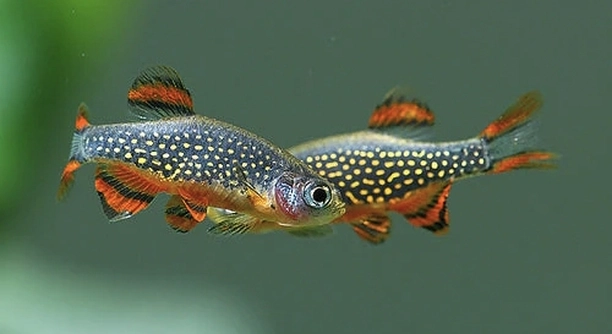
Danios are lively, small fish that thrive in calm and stable environments. Their well-being depends on factors that reduce stress and allow them to move, feed, and interact naturally within their tank. Understanding these needs is essential for their care.
Creating a secure environment for Danios involves maintaining consistent water parameters, providing hiding spots, keeping compatible tank mates, ensuring adequate swimming space, offering a balanced diet, maintaining proper lighting, and minimizing sudden disturbances. These factors collectively promote their comfort and stability.
Observing these key elements will help your Danios stay calm and healthy, enhancing both their behavior and overall life in your aquarium.
Stable Water Conditions
Maintaining stable water conditions is crucial for Danios’ health. These fish are sensitive to sudden changes in temperature, pH, and hardness. Rapid fluctuations can stress them, weakening their immune system and making them prone to disease. A consistent routine of testing water parameters helps identify potential issues early. Using a reliable heater and thermometer ensures the water remains at a suitable temperature, usually between 72 and 78°F. Regular partial water changes remove waste and toxins without shocking the fish. It is also important to avoid overfeeding, as leftover food can quickly alter water quality. Keeping a consistent schedule for feeding, cleaning, and monitoring water parameters supports a stable environment. Observing your Danios during and after water changes can provide clues about their comfort levels. Subtle changes in behavior, like hiding or erratic swimming, indicate stress. Stability in water conditions allows Danios to focus on natural behaviors like schooling, exploring, and feeding, rather than reacting to an unpredictable environment.
Consistency and careful monitoring significantly reduce stress and promote long-term health for Danios in your tank.
Stable water encourages Danios to swim confidently, feed regularly, and interact naturally. Avoiding sudden changes allows them to develop trust in their habitat and maintain optimal health.
Hiding Spots and Shelter
Providing hiding spots helps Danios feel secure and reduces stress in their environment.
Natural decorations, such as plants, rocks, and driftwood, create areas where Danios can retreat when they feel threatened. Dense plant clusters give them a sense of privacy, while open spaces between shelters allow free swimming. Floating plants can also offer cover, softening light and adding security. Small caves or artificial structures mimic natural hiding places, supporting their instinct to seek shelter. These areas reduce aggression among tank mates and provide comfort during feeding or water changes. Positioning shelters thoughtfully ensures Danios have easy access without overcrowding the tank. Varied hiding spots prevent territorial disputes and encourage natural schooling behavior. Even in well-maintained tanks, stressors like sudden movements, tapping on glass, or loud noises can make Danios seek refuge. By creating a structured environment with multiple options for hiding, their confidence grows. Observing which spots they favor helps identify their preferences and refine tank layout. A carefully designed space balances open swimming areas with secure retreats, making them feel safe and supported.
Compatible Tank Mates
Choosing compatible tank mates prevents stress and aggression in Danios. Avoid overly aggressive or much larger fish that may chase or intimidate them. Peaceful, active species of similar size create a calm and balanced environment, supporting natural schooling behavior.
Keeping Danios with other small, non-aggressive fish reduces competition for food and territory. Species such as guppies, rasboras, and certain tetras usually coexist well. Overcrowding should be avoided, as it can lead to stress, disease, and limited swimming space. Observing interactions helps ensure all fish remain calm, minimizing conflicts. Proper research on temperament and water requirements is essential before introducing new tank mates.
Even with compatible species, monitoring is important. Individual personalities differ, and minor adjustments in population or tank layout may be needed to maintain peace. Providing open swimming areas alongside hiding spots allows Danios to escape if needed, keeping them comfortable and secure in their environment.
Adequate Swimming Space
Danios need ample swimming space to thrive and feel secure. A cramped tank increases stress and can trigger aggressive or erratic behavior, undermining their health and well-being.
Providing wide, open areas encourages natural schooling patterns and exercise. Danios are active fish that enjoy continuous movement, which supports physical health and mental stimulation. Tall or cluttered tanks can limit horizontal swimming, so tank dimensions should prioritize length and width. A minimum of 20 gallons is recommended for a small group, with larger groups requiring more space. Proper placement of decorations and plants ensures open lanes while maintaining hiding spots. Maintaining consistent water quality in larger tanks also supports their activity levels. Observing swimming patterns helps identify whether they feel comfortable or constrained.
Regular monitoring of tank population and layout ensures Danios can swim freely without encountering stressors. Open space not only reduces aggression but also promotes schooling cohesion, feeding efficiency, and overall vitality in their aquatic habitat.
Balanced Diet
A balanced diet keeps Danios healthy and reduces stress. Providing a mix of high-quality flakes, pellets, and occasional live or frozen foods meets their nutritional needs and supports natural behavior.
Overfeeding should be avoided. Excess food can pollute the water and cause digestive issues. Feeding small amounts multiple times a day helps maintain energy levels.
Proper Lighting
Proper lighting supports Danios’ natural rhythms and reduces stress. Consistent light and dark periods help regulate activity, feeding, and rest cycles, contributing to overall well-being.
A timer can ensure a stable day-night cycle. Avoid sudden changes or very bright lights, which can startle Danios. Moderate, even lighting creates a calm environment, enhancing their sense of security.
Minimizing Disturbances
Minimizing disturbances is important for keeping Danios calm. Sudden noises, tapping on the tank, or frequent rearrangements can trigger stress and hiding behavior.
Maintaining a quiet, stable environment allows Danios to feel safe, encouraging natural swimming, schooling, and feeding behaviors.
FAQ
How often should I check water parameters for Danios?
Water parameters should be checked at least once a week. Monitoring temperature, pH, and hardness ensures that the environment remains stable and safe. Quick adjustments are easier to make when changes are detected early, preventing stress and illness.
Can Danios live with other small fish?
Yes, Danios are generally peaceful and do well with other small, non-aggressive species. Guppies, rasboras, and small tetras are suitable companions. Avoid large or aggressive fish, as they can chase or harm Danios, disrupting their natural behavior and schooling patterns.
What is the ideal tank size for Danios?
A minimum of 20 gallons is recommended for a small group of Danios. Larger groups require more space to swim freely and avoid overcrowding. Horizontal swimming space is more important than tank height, as these fish are active swimmers.
How many Danios should be kept together?
Danios are schooling fish and feel most secure in groups of at least six. Smaller groups can cause stress and make them more prone to hiding or aggressive behavior. Maintaining a proper group size encourages natural interaction and reduces anxiety.
What type of diet is best for Danios?
A varied diet is ideal. High-quality flakes or pellets form the base, supplemented with live or frozen foods such as brine shrimp or daphnia. Feeding small amounts two to three times daily prevents overfeeding and maintains water quality.
How important are hiding spots for Danios?
Hiding spots are essential. Plants, rocks, and small caves provide shelter from perceived threats and reduce stress. Even in calm tanks, Danios seek refuge when startled. Multiple options in different areas of the tank ensure comfort for all fish.
Can Danios tolerate different water temperatures?
Danios prefer a stable range of 72–78°F. Sudden fluctuations can cause stress or illness. Using a reliable heater and thermometer helps maintain consistent temperatures. Adjustments should be gradual to avoid shocking the fish.
Do Danios need strong lighting?
Moderate, consistent lighting works best. Too bright light can startle them, while very low light may affect feeding and activity. A timer ensures a regular day-night cycle, supporting natural behavior and reducing stress.
How often should I clean the tank?
Partial water changes of 20–30% every one to two weeks maintain water quality. Overcleaning or completely changing the water can disturb beneficial bacteria. Cleaning decorations and substrate occasionally keeps the environment safe and comfortable for Danios.
What signs indicate stressed Danios?
Stress can show through hiding, erratic swimming, clamped fins, or reduced appetite. Sudden aggression or lethargy may also occur. Identifying these behaviors early allows for adjustments in water quality, tank mates, or environment to restore comfort and security.
Are Danios prone to disease?
While generally hardy, Danios are susceptible to common freshwater illnesses if stressed. Maintaining clean water, stable conditions, and a balanced diet prevents many problems. Quarantining new fish before introducing them reduces the risk of introducing disease.
How do I introduce new Danios to an established tank?
Introduce them slowly using a quarantine tank if possible. Gradually acclimate them to the main tank’s water parameters. Observing their behavior during the first days ensures they adjust without stress or conflicts with existing fish.
Can Danios live in planted tanks?
Yes, planted tanks offer hiding spots and reduce stress. Dense plants, floating covers, and open swimming areas create a balanced environment. Live plants also help maintain water quality, supporting healthier, more active fish.
Do Danios need frequent interaction or observation?
They do not require constant attention, but regular observation helps spot changes in behavior or health. Noticing subtle signs early allows you to maintain a secure, stress-free environment and prevent problems before they escalate.
How can I reduce aggression in a Danio tank?
Aggression can be minimized by keeping proper group sizes, providing ample swimming space, and adding hiding spots. Ensuring compatible tank mates and stable water conditions further supports peaceful behavior and overall comfort.
Can Danios live in cooler water?
Danios tolerate slightly cooler water but remain healthiest within 72–78°F. Avoid sudden temperature drops, which can trigger stress and illness. Gradual adjustments are necessary when seasonal changes or room temperature shifts occur.
Is it necessary to use a filter for Danios?
Yes, a filter keeps water clean, maintains oxygen levels, and supports stable conditions. Choosing a gentle flow prevents Danios from being stressed by strong currents while still circulating water efficiently.
How do I know if my Danios are happy?
Happy Danios swim actively, school together, feed eagerly, and explore their environment. Minimal hiding, smooth fin movement, and normal coloration indicate comfort. Regularly observing these behaviors confirms a secure and healthy habitat.
Can Danios be kept in a community tank?
Yes, community tanks work if other species are peaceful and similarly sized. Monitoring interactions ensures all fish coexist comfortably. Providing hiding spots and open swimming space supports natural behavior and reduces stress for Danios and their tank mates.
What is the best way to handle Danios during tank maintenance?
Minimize handling whenever possible. Use nets gently and avoid sudden movements. Temporary relocation to a clean container with similar water conditions during maintenance reduces stress and prevents injury. Returning them carefully helps maintain comfort and security.
This FAQ covers the most common concerns about Danios’ care, addressing their environment, diet, social needs, and health, ensuring they feel secure and thrive in an aquarium setting.
Final Thoughts
Creating a secure environment for Danios is essential for their well-being and longevity. These small, active fish are highly sensitive to changes in their surroundings, and even minor disruptions can cause stress. Maintaining stable water conditions is the foundation of their comfort. Consistent temperature, pH, and hardness levels reduce anxiety and support their immune system. Regular water testing, partial changes, and careful attention to feeding routines prevent sudden imbalances that could negatively affect them. Observing behavior during maintenance can reveal stress signs early, allowing prompt action to restore balance. A calm and predictable environment gives Danios the confidence to swim freely, interact naturally, and feed without hesitation.
Providing adequate swimming space and proper tank structure plays a significant role in their sense of security. Danios are schooling fish that thrive in open horizontal areas but also benefit from well-placed hiding spots. Dense plants, rocks, and small caves create safe retreats when they feel threatened or need rest. Proper tank layout balances open swimming zones with secure areas, promoting both activity and relaxation. Avoiding overcrowding ensures that each fish has enough space to move, reducing competition and aggression. Even in a tank with compatible species, observing interactions helps maintain peace and allows minor adjustments to prevent stress. These structural considerations, combined with careful attention to water quality, establish a stable environment that supports both physical health and emotional comfort.
Diet, lighting, and minimizing disturbances further enhance their sense of security. A balanced diet of flakes, pellets, and occasional live or frozen foods provides necessary nutrients and encourages natural foraging behavior. Consistent feeding schedules prevent overfeeding and water contamination, which can cause stress. Lighting that mimics natural day-night cycles supports activity patterns and resting periods, while avoiding sudden bright lights prevents startling. Minimizing disturbances such as tapping on glass, loud noises, or frequent rearrangement of decorations keeps Danios calm and focused on normal behaviors. Paying attention to these details ensures that the fish feel safe and supported in their habitat. Together, stable water, adequate space, proper tank structure, balanced diet, and minimal disturbances create a secure and healthy environment where Danios can thrive, interact naturally, and display their full range of behavior.

Hello,
If you enjoy the content that we create, please consider saying a "Thank You!" by leaving a tip.
Every little bit helps us continue crafting quality advice that supports the health, happiness, and well-being of pets around the world, for pets of all shapes, sizes, and species.
We really appreciate the kindness and support that you show us!