
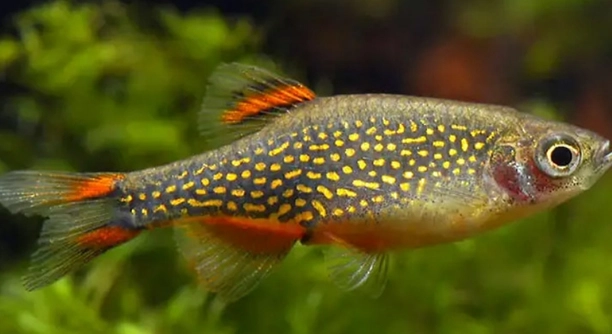
Are your danios showing unusual closeness in the tank, swimming side by side more than usual? Many fish owners notice subtle behaviors that hint at pairing, even if they seem small or easy to overlook.
Danios exhibit specific behavioral and physical cues during the pairing process, including synchronized swimming, increased chasing and nudging, the development of brighter coloration, and the selection of spawning sites. These signs are reliable indicators of reproductive readiness.
Observing these interactions can help you understand your danios’ social dynamics and reproductive habits better, improving both care and tank management practices.
Increased Swimming Together
Danios that are pairing often swim closely together, sometimes following one another across the tank. You may notice them weaving around plants or hovering near decorations side by side. This behavior is not constant but occurs frequently enough to catch your attention. Synchronized swimming is a sign that your fish are building a bond, preparing for mating behaviors. The males often stay close to females, guiding their movements gently and nudging them to interact. Even during feeding times, paired danios may linger near each other rather than dispersing across the tank, showing their preference for proximity. Watching these patterns over several days will give you a clearer sense of which fish are pairing and how strong their connection is.
Swimming together is an early but reliable indicator of pairing readiness among danios in a shared tank environment.
Noticing this behavior early allows you to prepare the tank appropriately. Providing flat surfaces or fine-leafed plants for egg-laying can ensure the pair has a suitable environment to reproduce successfully. Paying attention to swimming patterns also helps distinguish between casual schooling behavior and true pairing, making it easier to manage your tank effectively.
Chasing and Nudging
Chasing and gentle nudging often appear as the pair’s form of interaction.
During this phase, the male typically pursues the female, gently nudging her sides or tail. This behavior may seem aggressive at first glance, but it is a natural part of the mating process. The female responds by either swimming away or allowing the male to guide her toward a preferred area. This interaction repeats multiple times, creating a rhythm that signals readiness to spawn. Observing these patterns closely helps identify which fish are truly pairing versus those engaging in regular territorial or playful behavior. Timing matters, as these displays are usually more frequent in the morning or after feeding. In addition, paired danios may perform brief bursts of rapid swimming together, often circling each other in tight formations. Recognizing these cues ensures that you can provide the right environment for successful reproduction, such as keeping water conditions optimal and minimizing disturbances in the tank.
Gentle observation during these moments can enhance your understanding of your danios’ behavior and reproductive patterns.
Brighter Colors
Paired danios often display more vivid colors, especially males.
The increase in coloration is part of their natural reproductive signaling. Brighter colors help males attract females and indicate health and readiness. You might notice stripes or body patterns becoming more distinct, and fins may appear slightly longer or more pronounced. These changes are subtle but noticeable if you watch the same pair over several days. Females also show minor color shifts, often appearing slightly more vibrant, signaling receptiveness. Observing these visual cues helps differentiate between regular schooling patterns and true pairing behavior, giving insight into the social dynamics of your tank.
Color changes are temporary and linked directly to mating behavior, often fading once the pairing phase ends.
Noticing these shifts allows you to adjust tank lighting and environment to reduce stress. Enhanced colors can indicate excitement or readiness to spawn, and understanding this behavior makes it easier to anticipate their reproductive needs.
Nesting and Egg-Laying Spots
Paired danios begin choosing flat or leafy areas for egg-laying.
The selection of a spawning site is a clear indicator of pairing. Males often guide females to specific areas in the tank, hovering nearby as she inspects surfaces. These locations are usually sheltered or partially hidden among plants, providing safety for eggs. Once a spot is chosen, the pair may repeatedly swim over it, performing small circling movements and nudges to encourage placement. Observing this behavior helps ensure the environment supports successful reproduction by keeping these areas undisturbed. Over time, you may notice small white eggs attached to leaves or tank decorations, confirming the pairing process.
Understanding nesting preferences is essential for tank preparation and protection. Providing fine-leafed plants or smooth surfaces can enhance spawning success, giving your danios the best conditions to reproduce naturally. Proper attention at this stage minimizes stress and ensures eggs remain safe from potential disturbances.
Frequent Tail-Fanning
Tail-fanning increases during pairing, with males spreading their fins widely.
This behavior is meant to attract the female’s attention and demonstrate vitality. The movement creates a subtle current in the water, signaling readiness and stimulating the female to prepare for egg-laying. Tail-fanning is more pronounced near chosen spawning sites.
Protective Behavior
Paired danios often guard each other and their selected area.
The male will patrol around the female and the spawning spot, gently chasing away other fish. This protective action helps maintain focus on mating and ensures that eggs, once laid, remain undisturbed. The female may also stay close to the male, responding to his guidance. Watching these interactions confirms strong pairing and signals that the fish are progressing toward spawning. Recognizing protective tendencies allows for better management of the tank environment to minimize stress and interference, ensuring the pair can complete the reproductive process efficiently.
Increased Feeding Together
Paired danios often eat side by side, staying near one another.
Subtle Nudges
Males give gentle nudges to encourage female movement and positioning during pairing.
How can I tell if my danios are pairing?
Paired danios display several key behaviors that indicate reproductive activity. You may notice synchronized swimming, where two fish follow each other closely, weaving through plants or circling the same areas repeatedly. Males often chase females gently and nudge them to guide their movements. Color changes are another sign, with males becoming brighter and females showing subtle shifts. Tail-fanning and protective behaviors near preferred egg-laying sites are also strong indicators. Observing these patterns consistently over several days allows you to identify true pairing rather than casual schooling or playful activity.
Do danios need a special environment to pair?
Yes, environment plays an important role in pairing and spawning success. Providing flat surfaces, fine-leafed plants, or small hiding areas helps the fish feel secure while selecting egg-laying spots. Clean water with stable temperature and pH levels reduces stress and encourages natural reproductive behaviors. Minimal disturbances, such as avoiding frequent tank rearrangements or sudden movements, also help the pair focus on bonding. Observing where the pair spends most of its time can guide adjustments in tank setup to support their reproductive needs effectively.
How long does pairing behavior usually last?
Pairing behavior varies between individual danios and tank conditions, but it often continues for several days to a week. During this period, the male and female repeatedly interact through chasing, nudging, and synchronized swimming. Tail-fanning, color changes, and protective behaviors near chosen egg-laying sites may also be displayed consistently. Timing and frequency of these behaviors can depend on feeding schedules, lighting conditions, and overall tank stability. By monitoring the pair daily, you can track progress and anticipate when actual egg-laying will occur, helping to prepare the tank environment accordingly.
Will all paired danios lay eggs successfully?
Not always. Even when pairing behaviors are strong, several factors affect successful egg-laying. Stress, poor water quality, insufficient hiding spots, or overcrowding can prevent reproduction. Sometimes one fish may lose interest or become dominant, discouraging the other. Nutritional deficiencies can also reduce fertility. Ensuring optimal tank conditions, balanced diet, and minimal stressors increases the likelihood of successful spawning. Observing the pair over multiple cycles helps determine if pairing behaviors consistently lead to egg-laying, allowing adjustments to improve reproductive outcomes.
Can other fish interfere with pairing?
Yes, tank mates can disrupt pairing. Active or aggressive fish may chase or intimidate the pair, causing stress and interrupting synchronized behaviors. Even peaceful fish can create distractions near preferred egg-laying sites. Providing sufficient hiding spaces, partitions, or separating the pair temporarily can reduce interference. Watching the pair’s interactions closely helps identify whether external fish are impacting their behavior and allows timely adjustments to maintain an environment conducive to pairing and successful spawning.
How can I support my danios during pairing?
Supporting danios involves maintaining a stable, clean tank environment with suitable spawning sites. Regular feeding with a high-quality diet ensures both fish have the energy needed for reproductive activity. Minimizing disturbances and observing their behaviors without intervening excessively allows natural pairing patterns to unfold. Monitoring water parameters and keeping the tank stress-free encourages prolonged synchronized behaviors, tail-fanning, and egg-laying. By adjusting the environment based on the pair’s actions, you can help increase the chances of successful reproduction and maintain the fish’s health throughout the process.
What should I do after the eggs are laid?
Once eggs are laid, they are vulnerable to being eaten by adults or other tank mates. Removing the parents temporarily or moving eggs to a separate rearing tank can protect them. Maintaining clean water with stable temperature and gentle filtration ensures proper development. Light exposure and avoiding sudden changes help eggs hatch successfully. Monitoring for fungus or other issues allows for early intervention if problems arise. Providing optimal conditions during the early days of development is crucial to ensure healthy fry and a higher survival rate for the offspring.
Are there signs that pairing is unsuccessful?
Yes, lack of egg-laying despite repeated pairing behaviors can indicate problems. Signs include one fish avoiding the other, minimal chasing or tail-fanning, and fading coloration. Repeated disturbances, poor water quality, or insufficient hiding spaces can cause these issues. Monitoring interactions and adjusting conditions, such as improving diet, enhancing the environment, or reducing stressors, may encourage successful pairing over time. Recognizing these signs early helps prevent prolonged stress and increases the likelihood of eventual successful reproduction.
How often can danios pair and spawn?
Danios can go through multiple pairing and spawning cycles, typically separated by a few weeks depending on tank conditions and fish health. Recovery periods are important to maintain their energy and reproductive capacity. Consistent observation and providing supportive conditions between cycles can promote repeated successful pairings and egg-laying, ensuring ongoing reproductive activity without overtaxing the fish.
Can pairing behavior occur without spawning?
Yes, pairing behaviors sometimes occur even if spawning does not follow. Males may display chasing, nudging, and tail-fanning without actual egg-laying if conditions are not ideal. Environmental factors, stress, diet, or timing can prevent reproduction despite clear pairing behaviors. Understanding this distinction helps in adjusting tank conditions and expectations for successful breeding outcomes.
Observing your danios pairing can be a rewarding experience, especially when you notice their subtle behaviors and interactions. These small fish display a surprising amount of social and reproductive complexity. Synchronized swimming, gentle nudging, chasing, and tail-fanning are all part of their natural reproductive cycle. Watching these behaviors unfold gives insight into their health, energy levels, and readiness to reproduce. Paying attention to these details allows you to better understand how your fish interact with each other, helping you create a more suitable environment for their needs. Recognizing the signs of pairing also gives you the ability to prepare your tank for spawning, such as providing suitable plants or surfaces for egg-laying, and ensuring the water quality remains optimal for both adults and eventual fry.
It is important to remember that pairing is just one part of the reproductive process, and not all pairs will successfully produce eggs. Factors such as stress, tank conditions, and diet can all influence whether the pairing behaviors lead to actual spawning. Observing your danios consistently allows you to identify potential issues early and make adjustments that support their reproductive efforts. For example, providing flat or leafy surfaces for egg-laying, minimizing disturbances, and maintaining a stable environment can greatly improve the chances of success. While pairing behaviors may sometimes occur without resulting in eggs, these interactions still reflect normal social and reproductive instincts. Understanding these behaviors provides clarity on what to expect and helps prevent unnecessary worry about your fish’s health or interactions.
Pairing behaviors also offer an opportunity to improve overall tank management and fish care. By noticing the patterns of interaction, you can plan feeding schedules, habitat layouts, and monitoring routines that align with the needs of paired fish. This attention to detail not only supports reproductive success but also contributes to a healthier, more balanced tank environment. Watching danios interact closely can be both educational and satisfying, as you learn to distinguish between casual schooling behaviors and true pairing signals. Ultimately, understanding these moments strengthens your ability to provide a supportive home for your fish, encouraging natural behaviors while ensuring their health and safety. Observing and responding to pairing cues ensures that your danios can thrive, maintain social bonds, and complete their reproductive cycle effectively.

Hello,
If you enjoy the content that we create, please consider saying a "Thank You!" by leaving a tip.
Every little bit helps us continue crafting quality advice that supports the health, happiness, and well-being of pets around the world, for pets of all shapes, sizes, and species.
We really appreciate the kindness and support that you show us!