
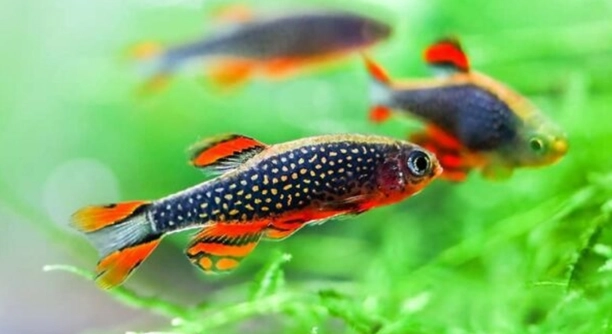
Do you ever find yourself admiring aquariums but feeling unsure how to make them feel natural for your fish? Creating a habitat that reflects the natural environment of danios can be both rewarding and enjoyable.
The key to designing tanks that reflect natural danio habitats is to replicate their native river and stream environments. Incorporating flowing water, varied substrates, plants, and hiding areas helps maintain natural behaviors and supports overall health.
Exploring these design strategies will help you create a more vibrant and authentic home for your danios, enhancing both their comfort and your enjoyment.
Flowing Water and Current
Danios naturally thrive in rivers and streams with a gentle but consistent current. Replicating this in an aquarium is essential for their health and activity. Using a filter that creates mild water movement or a small powerhead can help mimic natural flow patterns. Positioning decorations and plants to allow open swimming areas while providing zones where currents are reduced will encourage natural schooling and foraging behaviors. Including driftwood or smooth rocks can also help break up flow and provide shelter. Observation of fish behavior is important to ensure they are not struggling against strong currents or avoiding stagnant areas. Maintaining proper water quality and consistent temperature complements the effect of a well-planned current, creating a stable and comfortable habitat for danios. These small adjustments can make a significant difference in replicating the feel of their native streams, supporting both physical health and natural behavior.
Flowing water not only enhances oxygenation but also stimulates danios, keeping them active and healthy in a confined space.
Attention to current and flow ensures that your danios can swim freely and exhibit natural behaviors, increasing overall vitality and reducing stress over time.
Plant Density and Placement
Dense plant arrangements give danios shelter and comfort, replicating their natural habitat.
Providing a mix of tall and short plants, along with floating vegetation, helps create shaded areas and open swimming paths. Plants like Java fern, Anubias, and Vallisneria are hardy and low-maintenance options that suit danios. Placement should consider both visual appeal and functional purpose, offering hiding spots and breakwaters against currents. Clumping plants in corners while leaving central areas open allows natural schooling and foraging. Floating plants can diffuse light and add a sense of security. Regular trimming prevents overgrowth while maintaining a balanced ecosystem. Using a variety of textures and heights encourages natural exploration, as danios can weave through stems and leaves. Beyond aesthetics, plant density supports water quality by absorbing excess nutrients and providing surfaces for beneficial bacteria. The combination of carefully placed plants and open spaces ensures that the aquarium mimics the complexity of a natural stream while remaining manageable.
Plants not only offer shelter but improve water quality and overall tank balance for danios.
A thoughtfully planted aquarium encourages exploration, provides protection, and reduces stress, giving your danios a more natural and fulfilling environment.
Substrate Choices
A natural substrate helps danios feel secure and supports plant growth. Fine gravel or sand replicates riverbeds, while smooth stones add texture and hiding spots. Avoid sharp or coarse materials that may injure delicate fins.
Using a combination of sand and small, smooth pebbles creates both aesthetic appeal and functional benefits for danios. The sand allows for natural digging and foraging, while pebbles provide grip and surfaces for beneficial bacteria to grow. This mix also helps anchor plant roots securely, reducing uprooting during cleaning or when fish swim energetically. Choosing natural colors like browns, tans, and muted grays keeps the tank visually similar to a natural stream, which reduces stress and encourages natural behavior. Regular maintenance, including gentle vacuuming, prevents debris accumulation without disturbing the substrate too much.
Adding driftwood or flat stones can enhance substrate structure. These elements create shaded areas, hiding spots, and resting zones. Combined with sand and pebbles, they form a more dynamic environment that supports the social and exploratory needs of danios.
Lighting and Natural Cycles
Proper lighting supports plant growth and regulates danio behavior. Avoid overly bright lights that stress the fish or encourage excessive algae.
A balanced lighting schedule simulates natural day and night cycles, which helps maintain regular activity and feeding patterns. LED or fluorescent lights with adjustable intensity allow for gradual changes in brightness, mimicking dawn and dusk. Including floating plants can diffuse light, reducing direct exposure and providing shaded retreat areas. Consistency in light timing is important to avoid stress and support overall health. Additionally, lighting influences plant photosynthesis, helping maintain oxygen levels and nutrient balance in the tank. Observing fish activity can guide adjustments in lighting duration and intensity to better match natural rhythms.
Using dimming periods or shaded zones within the tank can further enhance comfort. Danios often seek low-light areas for resting or when exploring. Incorporating these elements creates a more natural environment, supporting normal schooling, breeding, and foraging behaviors while reducing stress caused by sudden or intense lighting changes.
Hiding Spots
Danios need small hiding areas to feel secure. Rocks, caves, and dense plant clusters offer shelter and reduce stress. Placement should allow easy access while keeping swimming space open.
Providing varied hiding spots encourages natural behaviors like exploration and resting. Use driftwood or ceramic caves to create zones where danios can retreat without overcrowding the tank.
Open Swimming Areas
Ample open space is essential for danios’ active nature. Clear central zones allow schooling, chasing, and exploration. Avoid overdecorating to maintain these areas. Proper tank layout balances hiding spots with open swimming, supporting both comfort and natural movement.
Water Temperature
Maintaining stable water temperature is crucial. Danios thrive in slightly cooler conditions, around 22–26°C. Sudden fluctuations cause stress and reduce activity. Regular monitoring ensures a consistent, healthy environment.
Social Grouping
Danios are schooling fish and require companions to thrive. Keep them in groups of at least six to encourage natural behavior and reduce aggression.
FAQ
What is the ideal tank size for danios?
A minimum of 20 gallons is recommended for a small group of danios. Larger tanks provide more swimming space and better water stability. Crowding can stress fish and increase the risk of disease, so maintaining adequate space is essential for their health and activity.
How many danios should be kept together?
Danios are social fish that thrive in groups. Keeping at least six individuals encourages natural schooling behavior and reduces aggression. Smaller groups may become timid or stressed. Observing interactions helps ensure the group remains harmonious and active.
What type of water flow do danios prefer?
Danios naturally inhabit streams with gentle currents. A filter creating mild water movement simulates this environment. Avoid overly strong currents that tire fish or make them avoid certain areas. Position decorations to create varied flow zones.
Which substrate works best for danios?
Fine gravel or sand with smooth pebbles is ideal. These materials allow for natural digging, foraging, and plant rooting. Sharp or coarse substrates may damage fins. Mixing textures can enhance both functionality and visual appeal while supporting a healthy tank ecosystem.
What plants are suitable for a danio tank?
Hardy plants like Java fern, Anubias, and Vallisneria work well. Floating plants provide shade and comfort. Dense planting offers shelter, while leaving central areas open supports swimming and exploration. Plants also aid in water quality by absorbing nutrients.
How should lighting be set up?
Use moderate lighting to simulate day and night cycles. Avoid excessively bright lights that stress the fish. Floating plants or shaded zones help diffuse light. Consistent timing encourages normal activity, feeding, and breeding behaviors while supporting plant growth.
What temperature range is best for danios?
Danios prefer slightly cooler water, around 22–26°C. Avoid sudden changes, which can cause stress and weaken immunity. A stable temperature promotes active swimming, feeding, and natural behavior. Using a reliable heater or thermometer helps maintain consistency.
How often should water be changed?
Regular water changes, typically 25–30% weekly, keep the environment clean and stable. Removing waste and excess nutrients prevents algae growth and supports overall health. Always match new water temperature and chemistry to avoid shocking the fish.
What decorations are suitable for hiding spots?
Rocks, driftwood, ceramic caves, and dense plant clusters provide shelter. These spots reduce stress, allow resting, and encourage natural exploration. Hiding spots should be accessible without overcrowding the tank, maintaining balance with open swimming areas.
Can danios live with other fish?
Yes, but choose peaceful, similarly sized species. Avoid aggressive or much larger fish that may intimidate or injure them. Proper schooling groups, hiding spots, and open swimming areas help ensure a compatible, low-stress environment.
How can I encourage natural behavior?
Replicate flow, provide varied plants, hideaways, and open swimming zones. Stable water parameters, proper group size, and balanced lighting further support natural activity, schooling, and foraging behaviors, making the tank environment feel closer to their natural habitat.
What is the best diet for danios?
Danios are omnivores. Offer high-quality flakes, pellets, and occasional live or frozen foods. A varied diet supports growth, coloration, and overall health. Feeding small portions multiple times daily prevents overfeeding and keeps water quality stable.
How do I prevent stress in danios?
Provide adequate space, hiding spots, proper flow, consistent temperature, and a group of six or more. Avoid sudden changes in lighting, water, or tank setup. Observing behavior can help detect early signs of stress and address issues promptly.
What signs indicate a healthy danio?
Active swimming, bright coloration, schooling behavior, clear eyes, and healthy fins are positive indicators. Loss of appetite, lethargy, faded colors, or erratic swimming suggest potential health or environmental problems requiring attention.
How do I maintain water quality effectively?
Use a quality filter, perform regular water changes, avoid overfeeding, and monitor parameters like ammonia, nitrite, and nitrate. Live plants and proper substrate also aid in nutrient absorption, keeping the tank balanced and supportive of danio health.
Creating a natural habitat for danios in a home aquarium requires thoughtful planning and attention to detail. Each aspect of the tank, from water flow to substrate, plays an important role in replicating their native river and stream environments. Danios are active fish that thrive in open spaces for swimming, with areas to hide and explore. Providing a combination of fine gravel, smooth pebbles, driftwood, and plants ensures that the tank not only looks natural but also supports their physical and mental well-being. Maintaining water quality, stable temperature, and consistent lighting helps mimic the conditions these fish would experience in the wild. Even small adjustments, such as adding floating plants or creating shaded areas, can significantly improve comfort and reduce stress. Observing fish behavior regularly allows adjustments to flow, plant placement, and tank layout, making sure the environment remains balanced and conducive to natural activity. Every decision, from the number of fish to the type of substrate, contributes to creating a healthy, stimulating habitat.
A well-planned tank also promotes social behavior and reduces aggression among danios. These fish are schooling species, and keeping them in groups of six or more allows them to exhibit natural movement patterns and interactions. Providing open swimming areas alongside clusters of plants and hiding spots encourages both exploration and rest, which are essential for their overall health. Lighting and water flow must be carefully managed to replicate natural conditions without causing stress. Proper lighting supports plant growth, which in turn helps maintain water quality, while gentle currents simulate river environments, encouraging natural swimming behavior. Feeding routines also impact their health and behavior; offering a varied diet of high-quality flakes, pellets, and occasional live or frozen foods ensures they receive the nutrients necessary for growth and vibrancy. Even the choice of decorations matters, as rocks, caves, and driftwood not only add aesthetic value but also provide functional benefits like shelter and territory boundaries. A balanced combination of these factors creates a more authentic habitat, giving danios a space where they can thrive physically and mentally.
Maintaining a natural-style tank may require ongoing care and observation, but the results are rewarding. Watching danios swim in schools through open areas, weave through plants, and rest in shaded zones provides insight into their natural behavior and preferences. The tank becomes a dynamic environment, with each element contributing to stability and well-being. Regular water changes, proper filtration, and monitoring of temperature and water chemistry are critical for sustaining this balance over time. By thoughtfully arranging substrate, plants, hiding spots, and decorations, the aquarium can closely resemble the streams and rivers that danios call home. The process also encourages a greater understanding of fish behavior and environmental needs, making tank maintenance more meaningful and enjoyable. In the end, creating a habitat that reflects a natural danio environment not only benefits the fish but also enhances the overall aesthetic and functionality of the aquarium. A carefully designed tank supports health, reduces stress, and allows these lively fish to display their natural beauty and behaviors consistently, providing both satisfaction and a sense of accomplishment for the keeper.

Hello,
If you enjoy the content that we create, please consider saying a "Thank You!" by leaving a tip.
Every little bit helps us continue crafting quality advice that supports the health, happiness, and well-being of pets around the world, for pets of all shapes, sizes, and species.
We really appreciate the kindness and support that you show us!