
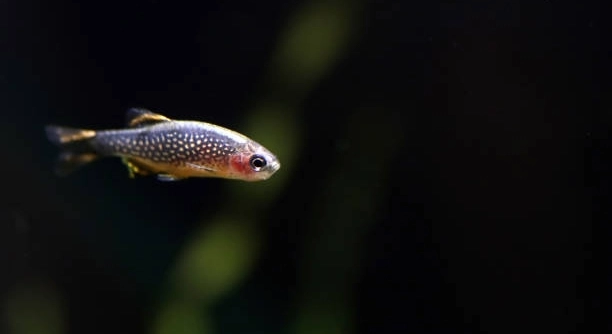
Raising danio fry can be both exciting and challenging, especially when you want them to grow without constant human intervention. Many hobbyists aim to create conditions where fry can thrive naturally in a home aquarium environment.
Ensuring danio fry survival without intervention involves creating a stable environment with proper temperature, water quality, and hiding spaces. Providing ample natural food sources and avoiding overcrowding are key factors in promoting natural growth and reducing mortality rates.
Understanding these natural methods will help you maintain a healthier aquarium and observe fry development more effectively over time.
Creating a Safe Fry Habitat
When raising danio fry without intervention, the first step is ensuring their environment feels secure. Small fry are vulnerable, so adding fine-leaved plants or spawning mops gives them places to hide from adult fish. A gentle filtration system is ideal because strong currents can harm fragile fry. Maintaining consistent water temperature between 75 and 78 degrees Fahrenheit is crucial, as fluctuations can stress young fish and stunt growth. Avoid overcrowding the tank, as too many fry in a limited space increases competition for food and oxygen. Natural lighting, either from a window or aquarium light, helps regulate their activity patterns. Monitoring water quality is important, even in a low-maintenance setup, because ammonia and nitrites can rise quickly in small tanks. Using a tank lid prevents fry from jumping out and helps keep the water stable. Small, frequent water changes maintain cleanliness without causing drastic changes.
A well-structured habitat reduces stress and supports natural behavior, which significantly improves fry survival rates.
Observing fry in a safe habitat allows them to grow naturally while you maintain a low-intervention routine. Regularly checking conditions ensures the tank remains suitable for healthy development.
Feeding Strategies for Fry Survival
Providing food that matches the fry’s size is essential for growth.
Young danios do best with infusoria or finely crushed flake food during the first week. These tiny food particles are easy for fry to consume and digest. As fry grow, you can gradually introduce baby brine shrimp or micro worms, which offer more protein and promote healthy development. Avoid overfeeding because leftover food can pollute the water, causing spikes in ammonia. Offering a variety of natural foods encourages fry to forage and develop strong feeding habits. Feeding multiple times a day in small amounts mimics natural conditions and prevents aggressive competition. Watching how fry respond helps adjust feeding amounts. A balanced feeding plan ensures that fry grow evenly and reduces the chance of weaker fry being outcompeted. This approach allows the aquarium to maintain stability while fry nutrition is consistently addressed. Keeping the tank clean while feeding supports long-term health and encourages natural survival behaviors in the population.
Water Quality Maintenance
Maintaining stable water conditions is vital for danio fry survival. Regularly monitoring temperature, pH, and ammonia levels ensures fry remain healthy. Even small changes can stress young fish, so gentle care is necessary. Clean water supports natural growth without intervention.
Using a sponge filter or a very gentle hang-on-back filter prevents strong currents while keeping the water clean. Conducting partial water changes of about 10-15% weekly helps remove toxins and keeps nitrate levels low. Avoid sudden temperature shifts, as fry are sensitive to changes. Keeping pH around 6.8-7.2 provides a stable environment. Removing debris and uneaten food prevents spikes in ammonia. Maintaining consistent water quality reduces stress, encourages natural feeding, and allows fry to grow without needing constant human intervention. Observing fry during these checks helps identify early signs of illness or environmental issues.
Fry benefit when the tank is left mostly undisturbed. Limiting disturbances and maintaining a stable, clean environment encourages natural behaviors and stronger growth over time.
Plant and Shelter Integration
Dense plants and hiding spots protect fry from adult fish and reduce stress.
Using live plants such as Java moss or floating plants provides cover and additional surfaces for natural microorganisms to grow. These microorganisms serve as supplemental food for fry. Artificial plants or spawning mops can also offer hiding spots if live plants are unavailable. Positioning plants carefully ensures fry have safe areas while still allowing water flow and light penetration. Too few hiding spaces may increase predation and stress, while too many can trap debris, affecting water quality. Striking a balance between cover and open swimming areas encourages natural activity.
Providing varied shelters improves fry survival and supports natural exploration. Fry learn to forage and move safely between plants, which helps build resilience. Dense vegetation can also reduce aggressive behavior from adult fish, giving fry better chances to thrive. Regular trimming and cleaning of plants keep the habitat healthy and prevent decay from polluting the water. Over time, this environment allows fry to grow stronger naturally without frequent intervention, supporting overall population health and activity.
Temperature Stability
Maintaining a consistent temperature is crucial for fry growth. Sudden changes can stress them and slow development. Keeping the tank within a steady range ensures fry remain active and feed properly, promoting natural survival without constant attention.
A stable temperature also helps maintain water chemistry. Fluctuations can affect pH and oxygen levels, which fry are sensitive to. Using an aquarium heater with a reliable thermostat prevents rapid shifts. Monitoring daily ensures the environment stays suitable for healthy growth and reduces mortality risk.
Minimizing Stress
Avoid overcrowding and frequent handling. Fry thrive in calm, undisturbed environments where they can forage naturally without interference.
Encouraging Natural Feeding
Providing live microorganisms and small invertebrates supports natural feeding instincts. These food sources promote growth and resilience, reducing dependence on human intervention. Fry learn to forage efficiently, which helps maintain a balanced tank ecosystem and ensures stronger survival rates as they mature.
Observing Fry Behavior
Regular observation helps identify potential issues early. Noticing changes in activity, feeding, or movement allows subtle adjustments to the environment before problems escalate.
FAQ
How often should I check water parameters for fry?
Checking water parameters once or twice a week is generally sufficient if the tank is stable. Focus on temperature, pH, ammonia, nitrite, and nitrate levels. Sudden changes in any of these can stress fry, so monitoring regularly ensures conditions remain suitable for natural survival.
What is the ideal temperature for danio fry?
Danio fry thrive between 75 and 78 degrees Fahrenheit. Temperatures below or above this range can slow growth or increase vulnerability to disease. A steady temperature also helps maintain proper water chemistry, supporting natural feeding and activity patterns.
Do I need to remove adult fish from the fry tank?
Yes, adult danios may eat fry if left together. Separating adults reduces predation and gives fry a chance to grow safely. Using a breeding tank, divider, or dense plant coverage can help fry coexist in a low-intervention setup without direct human interference.
How much should I feed the fry?
Feed fry very small amounts multiple times a day. Overfeeding can pollute water and harm fry. Start with infusoria or finely crushed flake food, gradually introducing baby brine shrimp or micro worms as they grow. Observation helps adjust feeding amounts to avoid waste.
Are live plants necessary for fry survival?
Live plants are highly beneficial. They provide hiding spots, surfaces for microorganisms to grow, and help maintain water quality. While artificial plants or spawning mops can also offer shelter, live plants encourage natural foraging and reduce stress, increasing survival rates.
Can fry survive without filtration?
Some fry may survive in unfiltered water if it is changed carefully and frequently. However, gentle filtration helps maintain water quality, reduces toxins, and supports natural activity. Sponge filters or low-flow filters are ideal to avoid harming delicate fry while keeping conditions stable.
How often should I perform water changes?
Partial water changes of 10-15% weekly are recommended. This removes toxins and helps maintain stable water chemistry. Sudden large changes can shock fry, so small, consistent adjustments are preferable for supporting low-intervention survival.
What signs indicate fry are stressed?
Fry may become inactive, hide excessively, or show poor feeding response when stressed. They may also swim erratically or show slowed growth. Observing behavior regularly allows early intervention by adjusting water conditions, temperature, or shelter without frequent handling.
Is it necessary to provide hiding spaces for all fry?
Yes, even small fry benefit from cover. Dense plants, spawning mops, or floating vegetation reduce stress, offer protection from adults, and allow fry to forage naturally. A balance of open swimming space and cover promotes healthy growth and natural behaviors.
How do I prevent overpopulation in a low-intervention tank?
Monitoring fry growth and separating some into additional tanks can control numbers. Dense plant coverage and natural predation by adults (if some are reintroduced later) help maintain a balanced population. Planning space and tank capacity supports fry survival and overall tank stability.
Can I use tap water for fry tanks?
Tap water is fine if treated to remove chlorine and chloramines. Let water reach tank temperature before adding fry. Regular testing ensures that parameters like pH and hardness are within safe ranges, supporting consistent growth without direct intervention.
How long does it take for fry to become independent?
Danio fry generally become strong enough to feed independently and survive without extra care in about 4-6 weeks. Maintaining stable conditions, providing natural food, and minimizing disturbances allows them to reach this stage with minimal intervention.
What should I do if fry stop eating?
Check water quality, temperature, and possible stressors like overcrowding or lack of hiding spaces. Offering live microorganisms or small invertebrates can stimulate feeding. Avoid overhandling, as stress may suppress appetite, slowing growth and reducing survival chances.
Are there any signs of disease I should watch for?
Look for unusual swimming patterns, discoloration, bloating, or fin damage. Early detection is crucial. Maintaining clean water, stable temperature, and proper nutrition helps prevent most common fry illnesses, reducing the need for medical intervention.
Can fry survive on natural tank food alone?
Yes, if the tank has live microorganisms, algae, and detritus, fry can forage naturally. Supplementing with finely crushed flake food or baby brine shrimp helps ensure adequate growth, especially in the first few weeks, without needing constant human feeding.
How does light affect fry growth?
Moderate light supports plant growth and helps regulate fry activity. Too much light can encourage algae overgrowth, while too little may reduce foraging efficiency. A balanced light cycle of 10-12 hours daily mimics natural conditions and promotes healthy fry development.
Is water hardness important for fry survival?
Yes, moderate hardness supports proper osmoregulation. Soft or very hard water can stress fry, affecting growth. Regular testing and adjustments as needed help maintain an environment that supports low-intervention survival and natural development.
How do I know when fry are ready to join the main tank?
Fry are ready once they are strong swimmers, actively feeding, and about half the size of adults. Introducing them slowly prevents stress and allows them to adapt. Gradual acclimation ensures they continue growing and thriving in the main tank.
Can I mix fry from different clutches in the same tank?
Yes, but ensure the tank is large enough and provides adequate shelter. Mixing can promote social interaction and natural behaviors but monitor for overcrowding or aggression. Proper planning supports survival and reduces stress in mixed fry populations.
How important is tank size for fry survival?
Tank size directly affects water quality, oxygen levels, and space for foraging. Small tanks can quickly accumulate toxins, while larger tanks support stable conditions and natural behaviors. Choosing an appropriately sized tank increases survival without frequent intervention.
How do I handle sudden changes in water chemistry?
Introduce changes gradually to prevent shock. Use conditioned water matching temperature and pH, and perform small, partial water changes. Sudden shifts can stress fry and slow growth, so gradual adjustments preserve natural development.
Can fry survive without hiding plants initially?
Fry can survive briefly without cover, but prolonged absence of shelter increases stress and predation risk. Even a few plants, floating leaves, or artificial cover can significantly improve survival rates by providing refuge and encouraging natural foraging.
How do I maintain low-stress conditions?
Minimize handling, avoid overcrowding, and maintain stable water conditions. Provide consistent light cycles, gentle filtration, and hiding spots. Observing fry quietly allows natural behaviors without interference, promoting healthy growth and higher survival rates.
What is the role of microorganisms in fry survival?
Microorganisms serve as a natural, easily digestible food source for newly hatched fry. They encourage foraging and supplement nutrition. Supporting their growth with live plants and minimal disturbance ensures fry receive consistent food without requiring frequent feeding.
How can I reduce mortality without intervention?
Stable water, appropriate temperature, gentle filtration, hiding spots, and natural food sources are key. Avoid overcrowding and unnecessary handling. Observing fry quietly allows subtle adjustments to maintain conditions, supporting survival while minimizing human involvement.
How long should I monitor fry daily?
A short observation of 10-15 minutes daily is sufficient. Look for abnormal behavior, feeding issues, or water problems. Minimal disturbance ensures fry remain stress-free while allowing you to maintain a stable environment.
Can I combine different danio species fry in one tank?
It is possible if species have similar size and behavior. Ensure ample space, hiding spots, and compatible water conditions. Monitor for aggression or competition, adjusting tank setup as needed to maintain balanced survival conditions.
What is the best way to transition fry to new food?
Gradually introduce slightly larger food like baby brine shrimp or micro worms while maintaining initial small particle feeding. Observe which foods are accepted and adjust portions to prevent waste. Gradual transition supports growth and reduces stress during dietary changes.
How important is tank placement for fry?
Placing the tank in a quiet, stable area reduces stress from vibrations or temperature fluctuations. Indirect natural light is ideal. Avoid areas near heating vents, air conditioners, or heavy foot traffic to maintain consistent conditions for fry development.
Can fry survive with only frozen food?
Yes, but frozen food must be appropriately sized and offered in small portions. Live food often stimulates natural foraging and promotes growth, but frozen options can supplement nutrition when live food is unavailable.
How do I prevent fungal infections in fry?
Maintaining clean water, stable temperature, and low stress reduces risk. Avoid overfeeding and remove uneaten food promptly. Live plants and gentle filtration also help, as poor water quality and decaying matter often trigger fungal growth.
What is the safest way to introduce fry to the main tank?
Acclimate fry slowly using temperature-matched water. Introduce them in small groups to reduce stress and allow them to adapt. Providing hiding spots in the main tank ensures gradual adjustment and minimizes predation or competition.
How long should fry stay in the nursery tank?
Typically 4-6 weeks until they are strong swimmers and feeding independently. Conditions like temperature, food availability, and water stability influence timing. Proper nursery setup ensures they reach this stage with minimal intervention.
Can fry survive without daily observation?
Yes, if the tank is well-maintained, stable, and provides food and shelter. Daily observation is helpful but brief; the main focus should be maintaining stable conditions rather than constant monitoring.
What adjustments help fry during growth spurts?
Ensure adequate space, consistent feeding, and strong water quality. Add more hiding spots as fry increase in size and remove debris regularly. Growth spurts require careful monitoring to prevent overcrowding or resource competition.
How important is gradual acclimation to changes?
Fry respond poorly to sudden changes in temperature, water chemistry, or diet. Gradual adjustments reduce stress, encourage natural behaviors, and support steady growth without direct human intervention.
Can I use artificial light instead of natural light?
Yes, a consistent light cycle of 10-12 hours daily works well. Avoid excessive intensity, as this may encourage algae growth. Artificial light helps regulate fry activity and plant growth in the tank.
How can I ensure fry get enough oxygen?
Gentle aeration from a sponge filter or small air stone maintains oxygen levels without creating strong currents. Dense plant growth also contributes oxygen during daylight. Adequate oxygen supports feeding, growth, and overall survival naturally.
What is the best approach for low-intervention survival overall?
Stable water, proper temperature, gentle filtration, hiding spots, and natural food sources form the foundation. Minimize handling and overcrowding while observing fry quietly. This approach maximizes survival and encourages natural behavior while reducing the need for frequent intervention.
How do I know if the tank is overcrowded?
Fry may show increased aggression, stress, or stunted growth. Uneven feeding and excess waste buildup indicate high density. Separating some fry or increasing tank space helps restore balance and ensures healthy development.
Can fry thrive without constant temperature control?
They can, but stability is critical. Small fluctuations are tolerable if gradual, but sudden shifts cause stress and slow growth. A heater or insulated placement helps maintain consistency for optimal survival.
What role does hiding space play in reducing stress?
Hiding areas allow fry to escape adult fish, reduce competition, and forage naturally. Fry without shelter may hide less or experience higher mortality. Proper coverage supports growth, confidence, and natural activity in the tank.
How often should plants or decorations be cleaned?
Clean plants or artificial decorations as needed to remove debris or algae. Avoid harsh cleaning that removes microorganisms, as they serve as supplemental food for fry. Gentle maintenance keeps the environment healthy without disrupting natural survival mechanisms.
Can fry survive with minimal feeding for short periods?
Yes, if natural microorganisms are present, fry can forage for some time. Extended periods without feeding may stunt growth or weaken them, so occasional supplementation ensures consistent development and survival.
How do I manage competition among fry?
Provide ample space, hiding spots, and evenly distributed food. Observing behavior helps identify dominant individuals and adjust feeding or shelter as needed. Proper management reduces stress and promotes equal growth opportunities for all fry.
Can fry survive alongside other small fish species?
Compatibility depends on size, temperament, and feeding habits. Ensure plenty of hiding spaces and monitor interactions. Some species may compete aggressively, so careful planning is required to maintain survival rates without direct intervention.
What environmental cues help fry develop naturally?
Stable temperature, light cycles, safe hiding spots, and natural food encourage foraging, exploration, and growth. Minimizing disturbances and maintaining consistent water conditions allows fry to develop resilient behaviors without frequent human interference.
How long can fry go without water changes if the tank is heavily planted?
Dense plant growth helps reduce toxins, but partial water changes are still necessary. About 10-15% weekly maintains water quality. Over-relying on plants alone may lead to buildup of ammonia or nitrate, affecting survival and growth.
What is the best approach to low-intervention fry care overall?
Focus on stable water conditions, gentle filtration, appropriate temperature, hiding spots, and natural food. Minimize handling and monitor quietly. Observing behavior allows subtle adjustments, ensuring fry grow strong and healthy with minimal human interference.
Can fry survive in tanks with minimal plant coverage if food is abundant?
Yes, but stress levels may rise, and predation risk increases if adults are present. Providing even small amounts of cover supports natural behavior, reduces stress, and improves survival chances. Adequate food alone cannot fully replace shelter.
How do I prevent sudden die-offs?
Maintain stable water parameters, avoid overcrowding, provide adequate hiding spaces, and ensure proper nutrition. Gradual changes and careful observation help prevent stress-related die-offs, allowing fry to survive naturally without constant human intervention.
Are small daily disturbances harmful to fry?
Brief, minimal disturbances are usually tolerable, but frequent or abrupt changes in water, light, or handling cause stress. Reducing unnecessary activity around the tank supports natural growth and survival.
How long does it take for fry to develop adult coloration?
Danio fry typically develop adult coloration in 8-10 weeks, depending on species and conditions. Stable environment, proper nutrition, and low stress support healthy color development and overall growth.
What is the most important factor for long-term fry survival?
Stable water, low stress, adequate food, gentle filtration, and shelter are critical. Consistent observation and minimal handling ensure fry grow naturally and reach maturity with high survival rates.
How do I balance feeding and water quality?
Feed small amounts frequently, monitor leftovers, and perform partial water changes. Proper balance prevents water pollution while ensuring fry receive enough nutrition for healthy growth and survival.
Can fry adapt to new tank mates gradually?
Yes, introducing them slowly with hiding spaces allows fry to acclimate. Observe interactions and adjust as needed to prevent stress or predation, supporting a balanced, low-intervention environment.
Is it necessary to count fry daily?
Counting is optional. Brief observation to check behavior, feeding, and overall health is sufficient. Over-monitoring can stress fry, while occasional checks maintain awareness without disruption.
How do I maintain a healthy fry population long-term?
Provide stable water, proper temperature, gentle filtration, natural food, and hiding spots. Minimize handling, monitor quietly, and manage density. These practices support natural growth, low-stress conditions, and consistent survival for multiple generations.
Can fry survive in tanks with strong water flow?
Strong currents can harm fry, making gentle filtration essential. Slow-moving water reduces stress, supports natural foraging, and helps fry grow without frequent intervention.
How important is gradual lighting change for fry?
Sudden light changes can stress fry. Gradually increasing or decreasing light intensity over minutes supports natural behavior and reduces stress, especially in tanks with live plants.
What are the signs of healthy fry?
Active swimming, even growth, normal feeding behavior, and vibrant coloration indicate health. Healthy fry respond to stimuli without hiding excessively and exhibit natural foraging patterns.
Can fry survive in small tanks if density is low?
Yes, low density in small tanks reduces competition and stress. Stable water quality and proper feeding remain essential. Small, uncrowded environments allow fry to thrive naturally.
How do I prevent overcrowding in low-intervention setups?
Separate excess fry into additional tanks or plan for slow population growth. Provide ample shelter and evenly distributed food. Proper management ensures fry survival without frequent human intervention.
What is the most common mistake in fry care?
Overhandling, overcrowding, sudden water changes, and poor water quality are common mistakes. Maintaining stable conditions, hiding spots, and proper nutrition prevents these issues and supports natural survival.
How can I support fry during sensitive early weeks?
Provide gentle filtration, stable temperature, dense hiding spots, and small frequent feedings. Minimal disturbance and consistent monitoring encourage growth and reduce mortality in the critical first weeks.
How often should I clean the tank bottom?
Remove visible debris carefully without disturbing fry too much. Gentle cleaning prevents toxin buildup while preserving microorganisms that serve as supplemental food.
What is the role of tank mates in fry survival?
Compatible tank mates can encourage natural behavior but may increase competition. Carefully select species, provide ample hiding spots, and monitor interactions to maintain survival without direct intervention.
Can fry survive in tap water with minor hardness variations?
Yes, small variations in hardness are generally tolerated. Extreme hardness or softness should be adjusted gradually to prevent stress. Stable parameters support feeding, growth, and overall health.
How do I know when fry need larger food?
Observe feeding efficiency. If fry consume current food quickly without struggling, gradually increase size to baby brine shrimp or crushed flakes. This supports growth and reduces nutritional gaps.
How do I maintain natural foraging behavior?
Provide live microorganisms, plant surfaces, and occasional small invertebrates. Minimal disturbance allows fry to explore and feed naturally, encouraging healthy growth and survival.
What is the ideal pH range for fry tanks?
A pH of 6.8-7.2 is ideal. Stable pH supports feeding, metabolism, and general health. Avoid sudden shifts, as fry are sensitive to changes and may experience stress or slowed growth.
How can I reduce aggressive behavior among fry?
Provide ample space, hiding spots, and evenly distributed food. Observing interactions allows subtle adjustments to reduce aggression, ensuring even growth and survival.
Are floating plants necessary for fry survival?
They are not strictly necessary but provide additional cover, stabilize water temperature, and support natural microorganism growth. Floating plants enhance survival and reduce stress.
Can fry survive if adult fish are accidentally added?
Survival decreases, as adults may eat fry. Providing dense cover and multiple hiding spots can help some fry survive, but separation is the safest approach.
How do I maintain fry in a low-intervention tank long-term?
Stable water, gentle filtration, appropriate temperature, hiding spaces, and natural food form the foundation. Minimal handling and careful observation ensure fry thrive naturally over weeks and months.
**Can fry
Raising danio fry without intervention requires creating a stable and supportive environment where they can grow naturally. The foundation for this process is maintaining consistent water conditions, including temperature, pH, and overall water quality. Small fry are sensitive to sudden changes, so even minor fluctuations can cause stress and impact growth. Gentle filtration, regular partial water changes, and careful monitoring of ammonia and nitrate levels help maintain a healthy environment. Providing a secure habitat with plants, floating vegetation, or spawning mops allows fry to hide, explore, and forage at their own pace. This not only reduces stress but also encourages natural behaviors that contribute to survival and development. By focusing on stability and safety, it is possible to minimize human intervention while still giving fry the conditions they need to thrive.
Feeding also plays a key role in fry survival. Young danios benefit from very small, frequent meals, starting with infusoria or finely crushed flake food and gradually moving to baby brine shrimp or micro worms as they grow. Overfeeding can pollute the tank and cause spikes in ammonia, while underfeeding can slow growth and make fry more vulnerable. Providing live microorganisms or allowing plants to host natural food sources encourages foraging behavior, which helps fry develop natural instincts. By creating an environment where food is available but not excessive, fry can grow steadily without the need for constant hand-feeding. Observing feeding behavior and adjusting portions as fry grow ensures all individuals receive adequate nutrition while maintaining overall tank stability.
Maintaining a low-stress environment is just as important as water quality and feeding. Avoiding overcrowding, limiting disturbances, and providing plenty of hiding spaces allows fry to interact with their surroundings safely. Fry that feel secure are more likely to explore, feed, and grow at a healthy rate. Gradual changes in light, temperature, or water chemistry prevent sudden stress and support natural development. By balancing these factors, hobbyists can create an aquarium where fry thrive without constant intervention, and the tank remains healthy for both fry and adult fish. Over time, this approach leads to a stronger, more resilient population that develops naturally, demonstrating the importance of patience, careful planning, and consistent care in maintaining a successful, low-maintenance aquarium setup.

Hello,
If you enjoy the content that we create, please consider saying a "Thank You!" by leaving a tip.
Every little bit helps us continue crafting quality advice that supports the health, happiness, and well-being of pets around the world, for pets of all shapes, sizes, and species.
We really appreciate the kindness and support that you show us!