
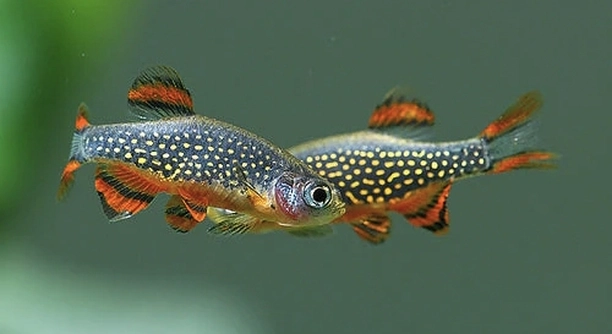
Danios are small, active fish that often display lively behaviors in their tanks. Observing them can be a simple and enjoyable way to understand their personalities and interactions with their environment. Their playful movements often capture attention.
Danio curiosity can be identified through behaviors such as exploring tank corners, investigating objects, following other fish, responding to movement outside the tank, testing new plants or decorations, darting in different directions, and adjusting swimming patterns based on environmental changes.
These subtle actions reveal a lot about the fish’s natural instincts and how they perceive their surroundings in everyday life.
Exploring Every Corner
Danios often swim along every edge and corner of their tank. Watching them move from one side to another shows their need to understand their environment. They may linger near decorations or the tank walls, inspecting every detail as if memorizing the space. Some will pause frequently, hovering near plants or ornaments, gently nudging them with their mouths. These moments are small but meaningful, reflecting how the fish actively gather information. Over time, you notice patterns in how they explore, such as favoring certain areas in the morning and others in the evening. The way they circle the tank can also signal comfort with their surroundings.
This behavior demonstrates that Danios are naturally investigative, constantly assessing their space for safety and novelty.
Watching them explore every corner can make you appreciate their intelligence and alertness, revealing a level of curiosity often overlooked in small aquarium fish. It reminds you that even tiny movements have purpose.
Following Movement Outside the Tank
Danios will often track movement beyond their tank with keen attention.
They notice shadows, hand motions, or changes in light and respond immediately. This attentiveness is part of their natural instinct to monitor potential changes in their environment. By following these movements, they show an acute awareness of what is happening around them. Some will swim closer to the glass, hover near the surface, or dart quickly when something catches their attention. This behavior is not just random activity; it is a deliberate action that signals engagement and alertness. Observing it over time can help you understand each fish’s personality and how interactive they may be with external stimuli. Many owners find it interesting to see how quickly Danios learn patterns, such as predicting feeding times or noticing visitors. Their reactions can vary from cautious peeking to enthusiastic swimming, highlighting their individual levels of curiosity and boldness in responding to external changes.
Investigating New Objects
Danios approach new plants, decorations, or ornaments with caution. They circle, touch, and sometimes nibble items before moving on. Their curiosity drives them to learn if the object is safe or interesting.
They often swim around new additions multiple times, inspecting them from different angles. Some will hover near the base, while others explore the top and sides. Their movements can be gentle or quick, depending on their comfort level. Over several days, this inspection helps them become familiar with changes in the tank. Watching this behavior gives insight into their cautious yet persistent nature.
Interactions with new objects are not just playful; they are a form of learning. By observing how Danios react, you can see patterns in confidence, boldness, and curiosity, which helps you understand their personality and how they adapt to changes in their environment. Their engagement with objects often becomes a daily routine, reflecting their intelligence and natural investigative instincts.
Adjusting Swimming Patterns
Danios often change their swimming style in response to tank conditions or other fish. Their movements shift when they explore new areas or encounter changes.
They may swim faster, slower, or in tighter circles depending on activity levels and surroundings. Observing these shifts shows how sensitive Danios are to their environment. They respond to light, water currents, and tank mates, adjusting positions to maintain comfort and security. Changes can indicate interest, stress, or curiosity. Recognizing these patterns helps you provide better care and create a stimulating habitat for them. Their swimming adjustments are subtle signs of awareness and intelligence.
Following Other Fish
Danios often swim alongside or behind tank mates, observing their actions closely. This behavior shows social curiosity and helps them learn about safe areas and food sources within the tank.
By mirroring movements, they gather information and adjust their own actions. This behavior can also strengthen group dynamics and provide comfort in new or changing environments.
Reacting to Feeding Times
Danios quickly notice changes that signal feeding, such as shadows, tapping, or water movement. They often gather near the surface, anticipating food, and demonstrate alertness and memory. Their response shows recognition of patterns and timing, reflecting both intelligence and curiosity about what is happening in the tank.
Exploring Water Currents
Danios adjust their swimming to follow or test water currents. This allows them to understand flow, maintain stability, and explore their environment more effectively. Observing how they navigate currents can reveal how confident and adaptable each fish is.
How can I tell if my Danio is curious?
Curiosity in Danios is visible through repeated exploration of the tank. They circle corners, investigate decorations, follow other fish, and pay attention to movements outside the tank. Small, consistent behaviors like hovering near new plants or objects also indicate interest and mental engagement. Watching these patterns over time provides insight into their personalities.
Do Danios interact with each other because of curiosity or social instincts?
Both factors play a role. Danios often mirror the movements of tank mates, swim together, or observe others closely. This helps them learn about safe areas, feeding habits, and environmental changes. Curiosity drives them to investigate, while social instincts guide their interaction and positioning within the group, ensuring safety and awareness.
Why do Danios follow objects or people outside the tank?
They have a natural instinct to monitor potential changes in their surroundings. Movement outside the tank signals possible food, threats, or novelty. By tracking these changes, Danios actively engage with their environment. Some fish hover near the glass, dart quickly, or circle the area, demonstrating attentiveness and investigative behavior.
Is it normal for Danios to change their swimming patterns frequently?
Yes, frequent adjustments are normal and show awareness of their environment. They alter speed, direction, and positioning based on tank conditions, lighting, currents, and interactions with other fish. These shifts are subtle cues that they are analyzing surroundings, testing safety, and responding to new stimuli, reflecting natural curiosity and intelligence.
Do Danios explore new objects immediately?
Danios often approach new decorations, plants, or ornaments cautiously. They may circle, nudge, or gently touch the object before moving away and returning later. Repeated inspections over days help them understand what is safe and interesting. This gradual approach is typical and reflects both investigative behavior and caution.
How do Danios react during feeding times?
They become noticeably alert and gather near areas where food appears. They recognize patterns, such as timing and signals like tapping or shadows, and adjust their behavior to anticipate food. This reaction shows memory, attention to detail, and engagement with the environment, highlighting their intelligence and natural curiosity.
Can Danios’ curiosity be encouraged?
Yes, introducing new objects, rearranging tank decorations, or adding safe plants stimulates exploration. Varying feeding locations or using floating toys can also trigger investigative behavior. Consistently providing small changes helps maintain mental engagement and encourages active observation and interaction without stressing the fish.
Do water currents affect how Danios explore?
Currents influence swimming patterns and exploration. Danios often follow, test, or navigate against currents to understand flow and maintain stability. Observing their reactions to water movement provides clues about confidence, adaptability, and curiosity. Active swimming against or with currents reflects engagement with their environment and problem-solving instincts.
How long do Danios usually spend investigating new items?
The time varies by individual. Some fish inspect objects repeatedly for several days, while others quickly explore and move on. Repeated visits and varied angles of inspection indicate thorough investigation. This behavior shows they are learning about their environment rather than reacting impulsively, reflecting natural curiosity.
Can observing curiosity help improve tank conditions?
Yes, paying attention to investigative behaviors helps identify preferences and comfort zones. Noticing which areas are frequently explored or avoided can guide placement of decorations, plants, and hiding spots. It also reveals stress points or under-stimulating sections of the tank, allowing better care and a more engaging environment for your fish.
Do Danios ever lose interest in objects or areas?
Yes, once objects become familiar, interest may decline. Initial curiosity leads to repeated exploration, but after learning that an item is safe and unchanging, attention shifts elsewhere. This natural decrease in interaction reflects learning and memory rather than lack of engagement. Observing these patterns helps understand their cognitive behavior.
Can curiosity indicate health or stress?
Healthy Danios display consistent exploration, social observation, and attention to new stimuli. Reduced interest, lethargy, or erratic swimming can indicate stress or illness. Monitoring curiosity can act as an informal health check, giving early clues to environmental problems or physical issues, ensuring timely adjustments for a thriving tank.
Do all Danios show the same level of curiosity?
No, individual fish vary. Some are bold and investigate quickly, while others are cautious and slow to explore. Personality differences affect how they interact with new objects, tank mates, and external stimuli. Recognizing these variations allows you to provide tailored care and stimulation for each fish.
How often should I introduce new stimuli to keep Danios engaged?
Small, periodic changes are effective. Frequent, drastic alterations can stress the fish, while gentle, gradual additions maintain interest. Rotating decorations, adding safe plants, or adjusting feeding spots every few weeks encourages exploration and mental engagement without overwhelming the fish.
Does curiosity affect Danios’ long-term happiness?
Yes, mental stimulation through curiosity contributes to overall well-being. Fish that explore, interact, and engage with their environment tend to be more active, confident, and responsive. Observing and supporting these behaviors helps maintain a healthy, enriched tank where Danios thrive physically and mentally.
This FAQ demonstrates how subtle actions reveal natural curiosity, intelligence, and personality traits in Danios, providing insight into their behavior and needs for optimal care.
Danios are small fish, but they have surprisingly rich and expressive behaviors. Watching them closely can reveal a lot about their personality and natural instincts. From exploring corners of the tank to following movements outside, these fish are always learning about their surroundings. Their curiosity is not just about playfulness; it helps them stay aware and adapt to changes in their environment. Observing them over time shows patterns in how they interact with objects, other fish, and even the water currents. Each action, no matter how small, contributes to understanding what makes them active and comfortable in the tank.
Interactions with tank mates and new objects are particularly revealing. Danios often swim together, mirror each other’s movements, or hover near new plants and decorations. These behaviors show both social instincts and investigative tendencies. Some fish approach cautiously, while others explore quickly, highlighting individual differences in personality. Their reactions to feeding times and environmental changes are also telling. They notice shadows, tapping, and even subtle changes in light, responding with alertness and movement. Watching these moments can be surprisingly engaging and gives insight into their memory, awareness, and problem-solving skills.
Encouraging curiosity is important for their overall well-being. Providing safe new decorations, rearranging tank elements, or adding small challenges can keep Danios mentally active. Currents, varied feeding routines, and safe toys also stimulate natural behaviors, helping them stay engaged and confident. Paying attention to their responses can also serve as an early indicator of health and comfort. Fish that explore, investigate, and interact regularly tend to be more active and less stressed. Supporting their curiosity ensures a richer, more fulfilling environment, helping Danios thrive physically and mentally while allowing their natural instincts to shine.

Hello,
If you enjoy the content that we create, please consider saying a "Thank You!" by leaving a tip.
Every little bit helps us continue crafting quality advice that supports the health, happiness, and well-being of pets around the world, for pets of all shapes, sizes, and species.
We really appreciate the kindness and support that you show us!