
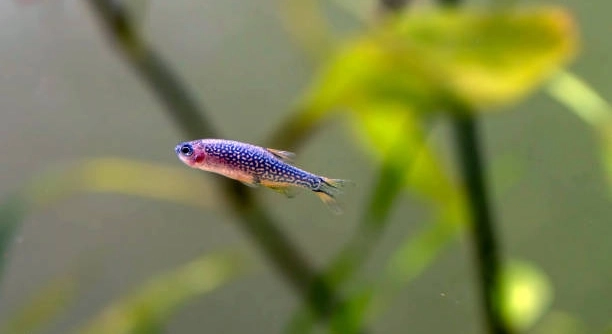
Danio fry often display a range of colors, some more noticeable than others. Observing these subtle variations can make caring for them more enjoyable and help you understand their early growth stages better.
Danio fry exhibit seven subtle color variations that include differences in base body color, stripe intensity, fin pigmentation, and overall translucency. Recognizing these patterns is important for monitoring development and assessing genetic diversity within your fry population.
These slight color differences can indicate health, genetics, and growth potential, providing valuable insight for anyone raising Danio fry successfully.
Base Body Color Variations
Danio fry start with a range of base colors, from pale silver to soft yellow. These colors are subtle at first and can shift slightly as the fry grow. Paying attention to these hues helps in identifying which fry might develop stronger patterns later. Lighter fry may be more sensitive to light and water changes, while darker fry sometimes handle conditions better. Noticing these differences early allows you to separate fry if needed, to reduce competition for food. Base color is also linked to genetics, meaning some of your fry may consistently carry specific shades. Observing these shades closely can give you a better idea of how adult coloration might appear. Keeping notes on each batch helps track trends across multiple spawnings. Over time, this attention improves your ability to predict the appearance of future fry, making care more precise and tailored.
Base color often signals early health and genetic traits, giving clues about which fry may thrive in your tank.
Tracking these subtle shades can guide feeding, lighting, and tank arrangement to support fry development efficiently.
Stripe and Pattern Differences
Some Danio fry show faint stripes along their bodies, which become more defined with age. These markings vary in thickness, brightness, and placement. The differences are genetic but can also be influenced by diet and light exposure during growth.
Stripe patterns help identify fry lineage and distinguish between siblings. Fry with stronger stripes may be easier to select for future breeding. Watching these patterns develop allows you to monitor health and growth, as uneven or broken stripes can indicate stress or nutritional deficiencies. Some fry start with nearly invisible lines that gradually appear as their scales develop. Early separation of fry based on pattern strength can help ensure less dominant fry still get adequate food. Observing these patterns also helps anticipate adult coloration for those aiming to maintain specific traits. Recording stripe development can provide insights into environmental impacts on growth. Attention to these subtle patterns ensures a more organized tank and healthier fry population. Consistency in water conditions supports the clarity and uniformity of stripe appearance.
Fin Pigmentation Variations
Fin colors in Danio fry can range from nearly transparent to slightly tinted shades of orange, red, or blue. These variations are subtle at first but become more noticeable as the fry grow and their fins fully develop.
Pigmented fins are influenced by both genetics and nutrition. Fry that receive a balanced diet with adequate carotenoids and protein tend to develop brighter and more consistent fin colors. Observing fin pigmentation can help distinguish between siblings and identify fry that may carry desired traits for future breeding. Some fry may show uneven pigmentation early, which often evens out with proper care. Proper lighting and water conditions also support the development of healthy fin coloration, ensuring that fry reach their full aesthetic potential. Recording these changes helps track growth patterns and maintain overall tank health.
Fins with subtle color differences are also an indicator of overall health. Fry with faded or uneven fins may need extra attention, such as gentler water flow or enriched diet. Tracking fin pigmentation provides insight into which fry are likely to mature with strong and vibrant features, helping you plan tank management efficiently and maintain a balanced environment for all fry.
Translucency Levels
Translucency varies among Danio fry, with some appearing nearly see-through and others more opaque. Fry that are highly translucent can show internal organs and developing bones more clearly.
These differences are largely genetic but can also reflect environmental conditions. High water quality and stable temperature contribute to consistent translucency, while stress or poor nutrition may make fry appear duller or cloudier. Translucent fry are often more sensitive to sudden changes in water chemistry, so maintaining gentle conditions is important. Observing translucency can also reveal early signs of illness, as abnormal cloudiness may indicate infection or malnutrition.
Understanding translucency differences can help with selective breeding and monitoring growth progress. Fry that are moderately translucent often display balanced coloration as they age, while highly translucent fry may develop more defined patterns over time. By keeping track of these levels, you can make informed decisions about feeding, lighting, and grouping fry to ensure each receives appropriate care. Regular observation allows you to identify which fry are thriving and which may need extra attention, supporting a healthier overall population in your tank.
Eye Color Differences
Danio fry eyes can vary from dark brown to lighter shades of gray or even a faint golden hue. These subtle differences are mostly genetic and may become more distinct as the fry grow and mature.
Eye color can indicate lineage and sometimes hints at future adult appearance. Fry with lighter eyes may appear more delicate, while darker eyes often stand out more against the body color. Observing these variations early helps track traits and monitor development.
Body Stripe Intensity
The intensity of body stripes in Danio fry differs between individuals. Some fry have strong, dark stripes running from head to tail, while others show faint or broken lines. Stripe intensity can change as the fry grow, often becoming clearer with age and proper care.
Subtle Tail Variations
Tail shape and size vary slightly among Danio fry. Some have slightly broader tails, while others are narrower. These differences are subtle but can affect swimming style and overall appearance.
FAQ
How can I tell the difference between Danio fry colors early on?
Observing fry under good lighting helps highlight subtle color variations. Look closely at base body color, fin pigmentation, and stripe intensity. Using a magnifying glass or clear container can make it easier to see faint shades. Documenting each fry’s characteristics over the first few weeks provides a reference for tracking growth and predicting adult coloration. Patience is key because some colors deepen gradually.
Do diet and nutrition affect color development?
Yes. Fry receiving a balanced diet with protein-rich foods and carotenoids develop more vivid fin and body colors. Foods like finely crushed flakes, micro-worms, and specialized fry food provide essential nutrients for pigmentation. Poor nutrition can result in faded stripes or dull fin colors, so consistent feeding routines are important.
Can water conditions influence fry coloration?
Water quality plays a significant role in color expression. Stable temperature, proper pH, and minimal ammonia levels support healthy development. Stressful or fluctuating water conditions may dull fry colors or cause uneven pigmentation. Gentle filtration and regular water changes help maintain conditions that encourage vibrant colors.
How do stripe patterns indicate health?
Consistent and even stripes generally reflect good health and proper development. Broken or patchy stripes can be a sign of stress, nutritional deficiency, or genetic variation. Monitoring stripe development allows early identification of fry that may need extra care or adjusted feeding strategies.
Are some color variations hereditary?
Yes, genetic makeup strongly determines many color traits. Certain patterns, base colors, and fin pigmentation are passed from parents to fry. Understanding parent coloration can help predict the likelihood of specific traits appearing in the next generation. Selective breeding over several spawnings can stabilize desired traits.
When should I separate fry based on color differences?
Separation may be useful once color and pattern variations are noticeable, usually within the first few weeks. Dominant fry may outcompete weaker ones for food, affecting their growth and color development. Grouping fry with similar development stages ensures more uniform growth and allows for focused care.
Do environmental factors change fry color over time?
Yes, subtle changes in light, water temperature, and diet can influence how colors appear as fry mature. Fry that are pale initially may develop stronger pigmentation, while overly bright conditions may temporarily enhance colors. Consistent care helps maintain natural, healthy coloration.
Can I predict adult appearance from fry coloration?
Partially. Base colors, stripe patterns, and fin pigmentation provide clues about future adult traits, but some characteristics may intensify or change as the fry grow. Keeping detailed notes on early color patterns improves your ability to anticipate adult appearance.
How long does it take for colors to fully develop?
Colors generally become more defined over several weeks to months. Base body color often stabilizes first, followed by fin pigmentation and stripe clarity. Translucent fry may take longer to show full patterns. Regular observation ensures any unusual changes are noticed early.
Should I adjust lighting to improve color visibility?
Yes, moderate and consistent lighting can make subtle colors easier to see. Avoid harsh lighting, which can stress fry or temporarily alter appearance. Proper light levels help track development and make differences in stripes, fin tint, and body shades more noticeable.
How important is documenting color variations?
Recording each fry’s traits helps track growth, predict adult appearance, and manage selective breeding. Notes on base color, stripes, fin pigmentation, and translucency provide valuable information for future care and tank organization. Documentation supports informed decisions and healthier fry populations.
Do some color variations indicate potential health issues?
Faded or uneven coloration, unusual translucency, or sudden loss of stripe clarity may signal stress, poor diet, or water problems. Observing these subtle signs early allows you to intervene with better feeding, water adjustments, or more gentle handling to support development.
Can fry color differences affect social behavior?
While subtle, color variations may influence dominance and competition for food. More vibrant or stronger-looking fry sometimes assert themselves, which can affect feeding opportunities for paler or weaker fry. Grouping fry thoughtfully helps balance social dynamics and ensures even growth.
Are there tools to help track fry coloration?
Simple tools like small notebooks, digital photos, or spreadsheets work well. Photographing fry weekly under consistent lighting provides a clear record of changes. Notes on diet, water conditions, and observed patterns create a comprehensive overview of fry development, making it easier to plan care and breeding decisions.
How do I maintain consistent coloration in future generations?
Selective breeding with careful attention to parent coloration, health, and stripe consistency improves the likelihood of repeating desired traits. Maintaining optimal water conditions, nutrition, and low-stress environments supports stable expression of colors in subsequent fry. Over time, these practices enhance both appearance and overall population health.
Final Thoughts
Observing Danio fry can be both rewarding and educational. The subtle differences in color, stripes, fin pigmentation, and translucency make each fry unique. Noticing these variations requires patience and attention to detail, especially in the first few weeks of growth. Small changes can indicate both health and genetic traits, so keeping a careful eye on each fry is important. Recording observations, even in simple notes or photos, can help track development and predict how adult fish will appear. Understanding these early differences also improves how you manage feeding, tank conditions, and care routines. Over time, paying attention to these subtle variations can make raising Danio fry more structured and satisfying.
Caring for fry involves more than observing colors. Proper nutrition, stable water conditions, and gentle handling all contribute to healthy development. Balanced feeding with protein-rich food and nutrients like carotenoids helps fry develop brighter body and fin colors. Water quality affects coloration and overall growth, so regular water changes and monitoring temperature, pH, and ammonia levels are essential. Even small details, such as lighting levels and tank arrangement, influence how clearly colors and patterns appear. Fry that are stressed or poorly nourished may show dull or uneven colors, while healthy fry develop strong patterns and vibrant shades. By addressing these factors consistently, you support both appearance and long-term survival.
Tracking fry characteristics also helps plan for breeding and tank management. Recognizing traits like stripe intensity, fin coloration, eye color, and translucency informs decisions on which fry to pair for future spawning. Separating fry with different development levels can ensure smaller or paler fry still receive enough food and space to grow. Recording color and pattern changes over time also helps identify potential health issues before they become serious. While it may seem minor, these small differences provide valuable information about genetics, nutrition, and environmental effects. Paying attention to these details creates a more organized and thriving tank, making the experience of raising Danio fry both practical and enjoyable.

Hello,
If you enjoy the content that we create, please consider saying a "Thank You!" by leaving a tip.
Every little bit helps us continue crafting quality advice that supports the health, happiness, and well-being of pets around the world, for pets of all shapes, sizes, and species.
We really appreciate the kindness and support that you show us!