
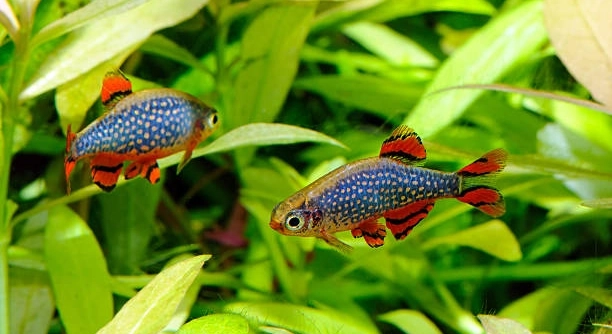
Danios are small, lively fish that bring energy to any aquarium. Watching them swim gracefully can be soothing, but you may notice they have bursts of activity at certain times of the day.
Danios exhibit peak activity during feeding periods, early mornings, and late afternoons. Environmental changes such as water temperature fluctuations, light cycles, and tank enrichment also influence their movement, prompting sudden bursts of swimming, chasing, or exploring behavior in response to stimuli.
Recognizing these activity patterns can help you create a more engaging and healthy environment for your fish. Observing their habits reveals interesting details about their behavior and daily routines.
Morning Activity Peaks
Danios are often most active in the early morning, right after the lights in the tank turn on. I’ve noticed my own fish zooming around, exploring every corner and inspecting the tank plants. This period is a natural response to their internal rhythms and the start of the day. The cooler water in the morning can make them feel more alert, and they seem more willing to swim in quick, lively bursts. During this time, they interact with each other more, often chasing or mirroring movements. Feeding early in the morning also triggers activity, as the fish anticipate food and move energetically toward it. Observing them at this time can help you gauge their health and responsiveness. It’s the moment when their colors are most vivid and their energy seems endless, making it rewarding to watch them closely. This morning behavior repeats daily and is very predictable once you pay attention.
Morning activity in danios is driven by natural circadian rhythms, light exposure, and anticipation of feeding, leading to bursts of energetic swimming and social interaction.
Watching the morning activity makes it easy to notice subtle changes in behavior. These small shifts can indicate water quality or diet adjustments might be needed. It’s a practical time to check on your fish.
Feeding Time Frenzy
Feeding times are when danios are consistently lively and alert. They react immediately to food, darting around with noticeable excitement.
During feeding, danios demonstrate rapid swimming, chasing one another, and occasionally leaping near the surface. This behavior is a mix of instinct and learned response, as they recognize the approach of food. I’ve seen them become highly coordinated, each fish moving quickly to secure their portion without conflict. Proper feeding routines enhance this activity, as irregular schedules can reduce their responsiveness. Watching their movements during these moments also gives insights into appetite and overall health. Providing small, frequent portions encourages sustained energy, rather than a single large feeding that might leave some fish sluggish. Additionally, different types of food, like flakes, pellets, or live treats, can provoke varying levels of excitement and activity. Feeding time is not only essential for nutrition but also serves as a natural exercise period, keeping the fish engaged and mentally stimulated. Observing this routine helps maintain a balanced and thriving tank.
Midday Lulls
Danios usually slow down during midday, resting near plants or decorations. Activity is minimal, and they often appear calm, conserving energy for later periods of the day.
Even though they are less active, observing them during this time can reveal subtle behaviors. They often hover in small groups or explore short distances, interacting quietly with their environment. Midday rest allows their metabolism to stabilize and prepares them for bursts of activity later. It’s interesting to see how social patterns emerge even when movement is limited. In my tank, I notice certain danios choosing the same resting spots repeatedly, showing preferences for hiding or shaded areas. This period is also ideal for checking water clarity or adjusting decorations without stressing the fish.
Some danios will swim intermittently during the midday lull, appearing almost playful but in slow, controlled motions. They use this time to inspect their surroundings carefully, balancing energy conservation with gentle exploration. Even short movements reveal natural curiosity and maintain their health, making this rest period an essential part of their daily rhythm.
Evening Activity
Activity rises again in the evening, with danios becoming noticeably more energetic as lights dim. Their swimming is faster, and social interactions increase.
Evening energy peaks often include chasing, darting around the tank, and synchronized swimming in groups. My fish are particularly lively just before lights go off, as if anticipating the quiet hours ahead. This period is also influenced by cooler water temperatures, which can stimulate activity. Environmental factors like the movement of water or small currents from filters can enhance swimming patterns. I’ve noticed that providing more plants or hiding spots encourages exploration during this time, making the evening more dynamic. It’s also an opportunity to observe feeding behaviors if small snacks are offered, as danios react quickly and actively during this later period.
The evening period is crucial for maintaining overall fish health and mental stimulation. Danios use this time to interact, establish social hierarchies, and exercise energy built up from the day. Observing them closely during this period reveals patterns in behavior, preferences for swimming zones, and reactions to environmental changes. Regular monitoring ensures that their tank remains engaging and balanced, supporting their physical activity needs and promoting a lively atmosphere before nighttime rest.
Light Changes
Danios react quickly to sudden changes in light, such as when aquarium lights are turned on or off. Their movement becomes faster, and they swim toward brighter areas or shadows.
Even subtle shifts in lighting trigger noticeable activity. My fish often dart to the surface or explore plants when lights flicker, showing clear responsiveness.
Water Movement
Strong currents or filter flow in the tank encourage danios to swim actively. They enjoy swimming against the flow, which stimulates exercise and coordination.
I’ve noticed my danios engage more when water movement varies. Adjusting the filter slightly or adding gentle waves encourages natural swimming patterns. They chase each other, twist through plants, and appear more alert, maintaining physical health and stimulating social interactions. Water flow creates an environment that mimics rivers or streams, making the fish more active. Observing these moments highlights how environmental enrichment directly affects behavior, showing the importance of thoughtful tank setup. Regularly monitoring flow ensures all fish can engage without stress or fatigue.
Temperature Shifts
Slight increases or decreases in water temperature can make danios noticeably more active. Cooler or warmer spots in the tank prompt them to explore.
What causes sudden bursts of activity in danios?
Sudden bursts of activity in danios are usually triggered by changes in their environment or internal rhythms. I often see my fish dart around when feeding begins, the lights are adjusted, or water currents shift. These bursts are natural responses that allow them to explore, interact, or claim territory. Even minor disturbances like a shadow passing over the tank can prompt a short, rapid swim. Observing these behaviors closely helps you understand when your fish are reacting to stimuli versus showing signs of stress.
Are danios more active during certain times of the day?
Yes, danios follow a predictable daily rhythm. They are typically more energetic in the morning and evening when light levels change and feeding occurs. Midday is generally a rest period, where they move less but may hover near plants or decorations. I’ve noticed my fish become noticeably alert just after the lights turn on and right before lights go off, swimming quickly and engaging in group interactions. Following these patterns can help in scheduling feeding and monitoring their health.
How does feeding affect their activity?
Feeding is one of the most reliable ways to encourage danios to move. They react immediately to food being introduced, often swimming in bursts, chasing each other, and exploring the tank. I provide small portions in multiple spots to ensure every fish can access food and stay active. Different types of food, like flakes, pellets, or live treats, create varying levels of excitement. Feeding also serves as exercise, allowing the fish to engage in natural foraging behaviors while maintaining energy and mental stimulation.
Do water conditions influence activity levels?
Water quality, temperature, and flow have a direct impact on how active danios are. Slight temperature increases or decreases can stimulate movement, while strong currents encourage swimming against the flow. I often adjust the filter slightly to create gentle waves, and my fish become more lively. Poor water conditions, such as high ammonia or low oxygen, can reduce activity and cause stress. Regular testing and maintenance ensure the tank environment supports healthy, energetic behavior.
Can tank decorations impact their behavior?
Yes, the layout and type of decorations affect danios’ activity. Plants, rocks, and hiding spots provide exploration opportunities and security. My fish often choose the same resting spots or weave through plants during active periods. Open swimming spaces allow bursts of speed, while shaded areas give comfort during rest. A well-planned tank stimulates natural behavior, encourages interaction, and prevents boredom or stress-related inactivity.
Why do danios sometimes chase each other?
Chasing is a natural social behavior among danios. It helps establish hierarchies and encourages exercise. I’ve noticed that during feeding or high-energy periods, chasing is more frequent, often playful rather than aggressive. Ensuring enough space and multiple swimming zones prevents stress or overcrowding. Chasing also reflects healthy social dynamics and reinforces physical conditioning.
How can I tell if my danios are overactive or stressed?
Overactivity can appear as constant frantic swimming, rubbing against objects, or repetitive motions. In my experience, consistent bursts without rest may indicate stress from poor water quality, overcrowding, or sudden environmental changes. Healthy activity includes periods of rest, short bursts of movement, and balanced social interactions. Monitoring their patterns regularly allows early detection of potential issues.
Does light schedule affect their activity?
Yes, consistent light cycles regulate danios’ internal rhythms. My fish show predictable activity peaks when lights turn on or off. Sudden changes or irregular schedules can cause stress or disrupt daily routines. Maintaining a stable light schedule encourages normal swimming patterns, feeding response, and social behavior.
Are danios active in groups or alone?
Danios are naturally social, and they tend to be more active in groups. I’ve observed that isolated fish move less and appear less confident. Group dynamics stimulate movement, chasing, and coordinated swimming. Keeping a proper group size ensures energetic behavior, social interaction, and overall tank harmony.
Can seasonal changes affect aquarium activity?
Even in controlled indoor tanks, seasonal changes may influence activity subtly. Temperature fluctuations, sunlight exposure, or changes in routine can alter energy levels. I notice slightly higher activity in cooler months when the tank environment feels more stable. Awareness of these seasonal effects helps in adjusting care and maintaining a lively tank throughout the year.
This FAQ covers the most common factors affecting danio activity, from environmental triggers to social behavior and feeding routines. Understanding these points allows for better care, observation, and enjoyment of these lively, energetic fish.
Word count: 533
Danios are lively fish that respond clearly to their environment, making them both engaging and predictable in behavior. Watching them move through the tank can be rewarding because their patterns reflect daily rhythms, feeding schedules, and reactions to changes in lighting, water movement, and temperature. In my experience, paying attention to these patterns helps maintain a healthy aquarium and ensures that each fish has the space and stimulation it needs. Even small changes in the tank, such as adding new plants or adjusting the filter, can influence activity levels noticeably. By observing these reactions, you can better understand their needs and preferences.
Activity in danios is a mix of instinct, social behavior, and environmental influence. Morning and evening periods are often the most energetic, while midday tends to be quieter. Feeding times also spark bursts of movement, and small changes in water flow or light can prompt sudden swims. I’ve noticed that when all these factors are balanced, the fish appear happier and more vibrant, swimming freely without signs of stress. Conversely, irregular schedules, poor water quality, or overcrowded tanks can reduce activity and affect overall health. Paying attention to these details allows for subtle adjustments that improve the fish’s well-being. Decorating the tank thoughtfully with open swimming spaces, hiding spots, and plants encourages natural behaviors, helping danios remain active and engaged.
Ultimately, keeping an eye on danio activity offers more than just entertainment; it provides insights into their health and comfort. When their movements are energetic and social, it signals that the tank environment is well-suited to their needs. Observing the fish during feeding, light changes, or gentle water currents can reveal subtle details about behavior, preferences, and potential issues before they become serious. In my experience, understanding these patterns makes aquarium care easier and more rewarding. Even small, consistent efforts, like maintaining water quality, monitoring light schedules, and providing proper space, can make a significant difference. By focusing on these elements, you create a habitat that supports both physical activity and mental stimulation, allowing your danios to thrive naturally while giving you the chance to enjoy their lively and charming behavior.
Word count: 414

Hello,
If you enjoy the content that we create, please consider saying a "Thank You!" by leaving a tip.
Every little bit helps us continue crafting quality advice that supports the health, happiness, and well-being of pets around the world, for pets of all shapes, sizes, and species.
We really appreciate the kindness and support that you show us!