
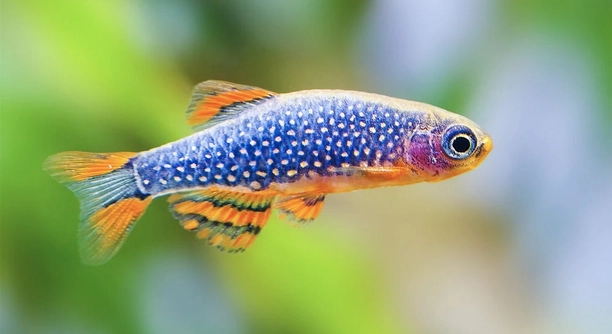
Celestial Pearl Danios are small, colorful fish that add charm to any freshwater aquarium. Many aquarists enjoy keeping them, but these delicate creatures require careful attention to thrive. Avoiding common mistakes is key to their well-being.
The most frequent mistakes with Celestial Pearl Danios involve improper tank conditions, overfeeding, and neglecting social needs. Maintaining stable water parameters, providing a balanced diet, and ensuring proper group sizes are essential to support their health and longevity.
Learning the right care practices can prevent stress and illness in your fish. Following these guidelines will make your aquarium a safe and vibrant environment.
Mistake 1: Overcrowding the Tank
Overcrowding is one of the most common issues with Celestial Pearl Danios. These fish are small but very active and need space to swim freely. A tank that is too crowded can lead to stress, aggression, and poor water quality. Stress weakens their immune systems, making them more prone to disease. It also reduces their natural behaviors, such as schooling and exploring. Proper stocking levels are essential. Experts recommend keeping at least six Danios together and providing at least 10 gallons of water for a small group. Decorations and plants should be added to break sightlines and create hiding spots, but these should not reduce swimming space. Overcrowding also affects water parameters, causing faster buildup of toxins like ammonia and nitrites. Regular monitoring and maintenance help keep the tank stable. Providing enough space ensures healthier fish, better color, and a more enjoyable aquarium experience overall.
Overcrowding leads to stress, aggression, and poor water quality, which significantly affects the health and lifespan of Celestial Pearl Danios.
Giving your Danios enough room improves swimming, reduces stress, and allows them to display natural behaviors. Plants and decorations enhance the environment without limiting space.
Mistake 2: Poor Water Quality
Maintaining clean, stable water is crucial for Celestial Pearl Danios. These fish are sensitive to fluctuations in temperature, pH, and ammonia levels. Even minor changes can cause stress, weaken the immune system, and lead to illness. Regular water testing is necessary to track conditions accurately. Filtration should be adequate for the tank size and regularly cleaned to prevent buildup of waste. Partial water changes should be done weekly, removing about 25% of the water to maintain stability. Using a water conditioner can neutralize chlorine and other harmful chemicals. Avoid sudden changes when introducing new water or fish, as shock can be deadly. Observing your fish for signs of stress, such as clamped fins, loss of color, or reduced activity, helps catch problems early. Proper maintenance ensures a healthy environment and keeps the fish vibrant. Clean water promotes longer life and more active, playful behavior.
Poor water quality can stress Danios, causing disease, weakened immunity, and loss of color. Stable water conditions are essential.
Regular monitoring, proper filtration, and consistent water changes keep the tank stable. Conditioning water and avoiding sudden changes prevent shock. Healthy water encourages activity, color retention, and longevity for your fish.
Mistake 3: Inconsistent Temperature
Celestial Pearl Danios need stable water temperatures between 72°F and 78°F. Frequent fluctuations stress the fish and can make them more prone to disease. A reliable heater and thermometer help maintain consistency. Avoid placing the tank near drafts or direct sunlight.
Temperature swings weaken immunity and increase stress, making fish susceptible to infections. Consistent heating prevents shock and helps maintain normal behavior, including schooling and feeding. Monitoring daily ensures quick corrections. A stable environment supports growth and reproduction. Even small variations can reduce appetite or trigger lethargy. Keeping the tank in a stable location and using proper equipment ensures long-term health. Avoid turning the heater off for extended periods, and check readings regularly. Stability is more important than reaching the exact number, as gradual adjustments are safer. Maintaining temperature properly allows your Danios to remain active and colorful.
Using a thermometer and adjusting gradually prevents stress. Avoid sudden changes, drafts, or direct sunlight. Proper equipment ensures stability and long-term health.
Mistake 4: Ignoring Social Needs
Celestial Pearl Danios are social fish that need companions to thrive. Keeping them alone can cause stress, hiding, and lack of activity. Groups of at least six are recommended to allow natural schooling behavior.
Social isolation can impact both physical and mental health. Danios display their best colors and most active behavior in groups. Observing their interactions helps identify if the group is balanced. Too few fish can result in shy, withdrawn individuals, while too many can create competition and aggression. The group size should match the tank capacity to ensure sufficient space for swimming. Plants and decorations offer resting areas, but interaction is essential for overall well-being. Maintaining a proper social environment encourages natural behaviors, reduces stress, and supports overall health. Even small adjustments to group size can make a noticeable difference in activity levels and appearance.
Proper group sizes support activity, coloration, and natural schooling. Avoid keeping Danios alone to maintain their health and happiness.
Mistake 5: Overfeeding
Overfeeding is common with Celestial Pearl Danios and can quickly harm water quality. Uneaten food decomposes, raising ammonia and nitrite levels. Feed small amounts once or twice daily, only what they can consume in a few minutes.
Too much food leads to obesity and digestive problems. It also encourages algae growth, making tank maintenance harder. Measure portions carefully and remove leftovers promptly. A balanced diet with high-quality flakes or micro-pellets ensures proper nutrition without excess waste.
Mistake 6: Lack of Hiding Spots
Celestial Pearl Danios feel safer with plants and decorations in their tank. Open, bare tanks can stress them, causing them to hide excessively or become inactive. Include live or artificial plants and small caves to provide refuge.
Mistake 7: Ignoring Water Parameters
Maintaining proper pH, hardness, and ammonia levels is critical for Celestial Pearl Danios. Regular testing and adjustments prevent stress and illness. Water should remain slightly acidic to neutral, with soft to moderately hard conditions. Keeping parameters consistent ensures fish remain healthy and active.
FAQ
How many Celestial Pearl Danios should be kept together?
These fish are schooling species and should always be kept in groups. A minimum of six is recommended, but larger groups of ten or more create a more natural and active environment. Smaller groups can cause stress and shy behavior. Keeping them together encourages schooling, improves color, and supports overall health.
What is the ideal tank size for Celestial Pearl Danios?
A 10-gallon tank is the minimum for a small group of six, but larger tanks are better. More space allows for swimming, decorations, and hiding spots. Overcrowding can stress the fish and degrade water quality, so adequate space is essential.
What should I feed Celestial Pearl Danios?
A balanced diet is key. High-quality micro-pellets or flakes are suitable, supplemented occasionally with live or frozen foods like daphnia or brine shrimp. Avoid overfeeding, as leftover food can pollute the tank and cause health issues. Feed small amounts once or twice daily.
How often should I change the water?
Partial water changes of about 25% weekly are recommended. This helps maintain stable parameters and remove toxins. Avoid drastic changes, as sudden shifts in temperature or chemistry can stress the fish. Regular maintenance ensures long-term health.
What water temperature is best for them?
Maintain temperatures between 72°F and 78°F. Use a reliable heater and thermometer to monitor conditions. Sudden changes or exposure to drafts can stress the fish. Gradual adjustments are safer if temperature needs to be changed. Stability is more important than precision.
What pH and hardness levels are suitable?
Celestial Pearl Danios prefer slightly acidic to neutral pH, around 6.5 to 7.5. Water hardness should be soft to moderately hard. Maintaining consistent parameters prevents stress and supports overall health. Test water regularly and adjust slowly if needed.
Can they live with other fish?
Yes, they are peaceful and compatible with other small, non-aggressive species. Avoid larger or aggressive fish that may intimidate them. Schooling behavior helps them feel secure, and a calm community tank improves their well-being.
How can I tell if they are stressed?
Signs of stress include faded color, clamped fins, hiding, or reduced activity. Stress often results from poor water quality, overcrowding, or lack of companions. Observing behavior daily allows early intervention to prevent illness and maintain a healthy environment.
Do they need live plants in the tank?
Live plants are helpful but not strictly necessary. They provide hiding spots, improve water quality, and reduce stress. Artificial plants and decorations can also serve the same purpose, creating refuges and breaking sightlines to make the fish feel secure.
How long do Celestial Pearl Danios live?
With proper care, they typically live 3 to 5 years. Stable water conditions, a balanced diet, and adequate social interaction extend their lifespan. Avoiding common mistakes like overfeeding, poor water quality, and social isolation is essential for longevity.
Can I breed them at home?
Breeding is possible in a separate tank with slightly warmer water and fine-leaved plants or spawning mops. They scatter eggs, which should be protected from adults. Frequent water changes and proper nutrition increase breeding success. Observing behavior helps identify when they are ready to spawn.
What should I do if a fish gets sick?
Isolate the affected fish to prevent disease spread. Check water parameters and adjust if necessary. Identify symptoms and consult a reputable source or veterinarian for treatment. Early intervention increases the chances of recovery. Maintaining clean, stable water reduces the risk of illness.
Are they suitable for beginners?
Yes, they are relatively hardy if proper care is followed. Attention to water quality, diet, and social needs is essential. Their small size, active behavior, and vibrant colors make them enjoyable for new aquarists who follow basic maintenance routines.
How do I encourage natural behavior?
Provide a mix of open swimming areas and hiding spots. Keeping a proper group size encourages schooling. A varied diet and stable water conditions help them remain active, display colors, and interact naturally. Observing daily allows adjustments to their environment for comfort.
Can they tolerate fluctuating conditions?
They are sensitive to rapid changes in temperature, pH, or water chemistry. Stability is crucial. Small, gradual adjustments are tolerated better than sudden shifts. Consistency supports health, activity, and long-term survival. Monitoring and equipment checks prevent harmful fluctuations.
What kind of decorations work best?
Plants, rocks, and small caves are ideal. These provide hiding spaces and reduce stress. Avoid overcrowding the tank with decorations, as swimming space is important. Balance between open areas and refuges encourages natural behavior and improves overall well-being.
Is tank maintenance difficult for them?
Routine maintenance is straightforward but essential. Weekly water changes, filter cleaning, and monitoring of temperature, pH, and hardness keep them healthy. Overfeeding and overcrowding increase work, so preventive care makes maintenance easier and protects the fish.
How can I improve their color?
A balanced diet, proper lighting, and a stable environment enhance natural coloration. Stress reduction through proper social groups, hiding spots, and clean water also contributes. Vibrant colors indicate good health and well-being.
Can they live in a community tank with shrimp or snails?
Yes, peaceful invertebrates like snails or small shrimp are compatible. Avoid species that could be eaten or stressed by Danios. Observing interactions ensures harmony, and providing hiding places helps protect smaller tank inhabitants.
What is the best feeding schedule?
Feed once or twice daily, only the amount they can consume in a few minutes. Overfeeding creates waste and can harm water quality. Consistent schedules reduce stress and support healthy growth.
How do I introduce new fish safely?
Quarantine new arrivals for at least two weeks to monitor for disease. Acclimate them slowly to the tank water to prevent shock. Gradual introduction protects existing fish and helps the newcomers adjust comfortably.
How often should I test water parameters?
Test weekly for ammonia, nitrites, nitrates, pH, and hardness. Frequent testing helps catch problems early and maintain stability. Adjustments should be made gradually to prevent stress and maintain a healthy environment.
What signs indicate a healthy Celestial Pearl Danio?
Active swimming, bright colors, clear eyes, and normal appetite are indicators. They should interact naturally with their group and explore the tank. Observing daily ensures that changes in behavior or appearance are caught early.
Are there common diseases I should watch for?
Ich, fin rot, and internal parasites are the most frequent. Poor water quality, stress, or overcrowding increase risk. Early detection through behavior and appearance allows effective treatment. Maintaining stable conditions reduces the chance of illness.
Can they tolerate tap water?
Tap water can be used if treated with a water conditioner to remove chlorine and chloramines. Testing and adjusting pH and hardness ensures safety. Proper preparation protects the fish and maintains a healthy environment.
How do I handle them safely?
Minimize handling as much as possible. Use a soft net for transfers and avoid touching the fish directly. Stress and injury can occur with rough handling. Gentle techniques protect their scales and fins.
What should I do if the tank develops algae?
Algae growth is normal in small amounts. Control it with proper feeding, regular water changes, and limiting excess light. Live plants compete with algae for nutrients and help reduce growth naturally. Avoid over-cleaning, which can disturb the fish.
How can I tell if they are happy?
Active swimming, schooling behavior, eating well, and vibrant coloration indicate content fish. Hiding occasionally is normal, but excessive hiding or lethargy signals stress. Maintaining water quality, social groups, and proper diet keeps them active and healthy.
Can they tolerate a range of water hardness?
Yes, soft to moderately hard water is suitable. Extreme hardness or very soft water can cause stress. Gradual adjustments allow adaptation, but maintaining a stable level is more important than precise numbers.
Are they suitable for a planted tank?
Yes, they thrive in planted tanks. Plants provide hiding spots, improve water quality, and reduce stress. Both live and artificial plants work, as long as there is enough swimming space. Balance encourages natural behavior.
Do they require special lighting?
Standard aquarium lighting is sufficient. Moderate lighting enhances color and supports plant growth. Avoid very intense lighting that can stress the fish or encourage excessive algae growth. Consistent light schedules help regulate natural behavior.
What is the best way to monitor their health?
Observe daily for changes in behavior, appetite, color, and activity. Combine visual checks with regular water testing. Early detection of stress or illness allows for timely intervention and prevents serious problems.
How often should I clean the filter?
Clean the filter every few weeks, depending on tank size and stocking levels. Avoid complete cleaning at once to preserve beneficial bacteria. Regular maintenance ensures water quality and prevents stress or disease.
Can they tolerate slight pH fluctuations?
Minor changes are usually tolerated, but rapid shifts cause stress. Stability is more important than precise levels. Gradual adjustments help the fish adapt safely. Consistent monitoring prevents harmful changes.
How do I prevent disease in a new tank?
Cycle the tank fully before adding fish. Quarantine new arrivals, maintain water quality, and avoid overcrowding. Healthy fish in a stable environment are less likely to develop disease, and preventive care reduces risks effectively.
What should I do if one fish dies?
Remove the fish immediately to prevent water contamination. Test water parameters to ensure there are no underlying issues. Observe remaining fish for signs of illness or stress and adjust care as needed.
Celestial Pearl Danios are small, beautiful fish that can bring life and color to any freshwater tank. They are delicate and require careful attention, but the effort is worth it for their lively behavior and striking appearance. Taking proper care of them means paying attention to water quality, tank size, temperature, diet, and social needs. These fish thrive in stable conditions with clean water and consistent feeding schedules. A well-maintained environment helps them remain active, colorful, and healthy. Even small mistakes, like overfeeding or overcrowding, can quickly lead to stress or illness, so it is important to follow basic care guidelines. Observing them daily allows you to notice changes in behavior or appearance, which can indicate if something is wrong.
Providing proper social conditions is equally important. Celestial Pearl Danios are schooling fish and do best in groups of six or more. Being kept alone can make them shy, stressed, or inactive. When kept in a proper group, they display natural behaviors, interact with each other, and show their best colors. Hiding spots, plants, and decorations are also important, as they give the fish places to rest or feel safe. A balanced setup of open swimming areas and sheltered spaces creates a secure environment, reducing stress and encouraging activity. Maintaining social balance and ensuring the tank is not overcrowded keeps them comfortable and healthy. Monitoring the group and adjusting the environment as needed helps them thrive over the long term.
Finally, routine maintenance and careful observation are key to keeping Celestial Pearl Danios healthy. Regular water testing, partial water changes, and proper feeding schedules prevent problems before they start. Paying attention to temperature, pH, and hardness ensures stability and reduces stress. While they may seem small and simple, these fish have specific needs that must be met for them to flourish. With the right care, they can live several years, remaining active, colorful, and entertaining. Following proper care practices not only protects their health but also enhances the enjoyment of keeping them. By staying consistent, attentive, and informed, you can create a thriving aquarium that allows your Celestial Pearl Danios to show their full beauty and behavior.

Hello,
If you enjoy the content that we create, please consider saying a "Thank You!" by leaving a tip.
Every little bit helps us continue crafting quality advice that supports the health, happiness, and well-being of pets around the world, for pets of all shapes, sizes, and species.
We really appreciate the kindness and support that you show us!