
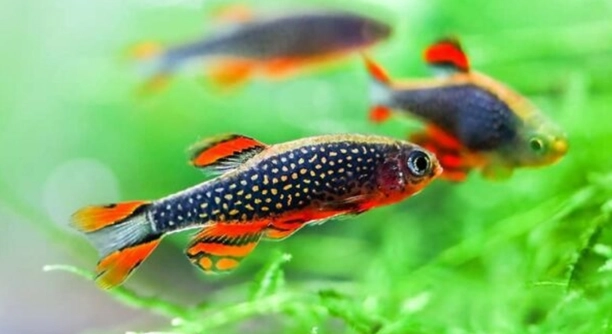
Do you ever find yourself carefully maintaining your danio tank but feel unsure about when it’s okay to skip a water change? Caring for small fish can feel routine, yet timing matters more than you might think.
There are specific situations when pausing water changes for danios is necessary. Sudden environmental changes, fish illness, or new medication can make immediate water changes harmful. Understanding these conditions helps maintain stable water chemistry and supports the health of the fish.
Knowing when to pause water changes will help protect your danios and maintain a healthier tank environment for them to thrive.
When Your Danios Are Sick
When your danios are showing signs of illness, it is important to be cautious with water changes. Sudden changes in water chemistry can stress them further and worsen symptoms. Sick fish often need stable conditions so they can recover properly. For example, if they are showing signs of fin rot or a bacterial infection, abrupt water changes can make treatments less effective. Maintaining consistent temperature, pH, and ammonia levels is critical during this time. Even if the tank water looks dirty, a small amount of uneaten food and bacteria can help preserve the natural balance while your fish heal. Avoiding major water changes during illness reduces shock and prevents the fish from becoming weaker. Observing behavior carefully and adjusting maintenance routines can make a big difference in recovery. Sometimes patience is the best tool for helping sick danios regain strength and vitality.
Pausing water changes during illness allows treatments to work effectively and reduces the risk of additional stress or chemical shock.
By monitoring symptoms closely, you can decide when to resume water changes safely. Knowing how to balance care and treatment keeps your danios healthier.
During Medication Treatments
Water changes should be limited when treating your danios with medications. Some treatments lose effectiveness if the water is changed too soon. Chemicals in medicine need time to interact with the water and the fish to properly address the problem. Changing water too early can dilute the medication, making it less effective and prolonging recovery. Follow the instructions carefully, and avoid adding new water unless necessary for severe water quality issues. Keep an eye on the tank’s ammonia and nitrite levels to ensure they remain safe. Adjustments should be minimal but precise, allowing the medicine to do its job without harming the fish.
Medications are sensitive to water changes, and improper handling can reduce their benefits.
Treatments often require a controlled environment to work properly. Skipping water changes while medicating helps maintain proper chemical concentrations. If water changes are unavoidable, small adjustments with treated water are better than a full replacement. Monitoring the fish’s reactions during treatment is essential, as stress can worsen the condition. By limiting water changes, you can create an environment where medications act efficiently, improving recovery time. Consistent conditions help prevent complications and ensure that the treatment achieves the desired effect. Once the medication period is over, normal water change routines can resume, allowing your danios to thrive in stable, clean water while reducing the risk of relapse.
After Adding New Fish
Introducing new fish can disrupt the tank’s balance. Pausing water changes for a short period helps the new arrivals acclimate without sudden stress from shifts in water chemistry.
New fish are sensitive to sudden changes, and water changes can shock them. It’s important to give them a few days to adjust while maintaining stable temperature, pH, and ammonia levels. During this period, monitor their behavior closely. Avoid overfeeding to reduce waste buildup, which could harm both new and existing fish. Keeping the water conditions stable allows the fish to settle in comfortably, reducing stress-related illnesses. Observation and patience are key during this transition.
By limiting water changes after adding new fish, you ensure they adapt gradually. The tank’s natural environment helps them build immunity while maintaining harmony among all inhabitants. Small adjustments, like topping off evaporated water with treated water, can prevent issues without creating sudden fluctuations. Stability during the first week encourages healthy growth, reduces aggression, and helps fish explore the tank with confidence. This period is critical for their long-term well-being.
During Spawning Periods
Water changes should be limited during spawning, as sudden shifts can disturb eggs or fry. Keeping conditions stable ensures a safer environment for reproduction.
During spawning, danios produce eggs that are very sensitive to water chemistry. Large water changes can wash away eggs or alter conditions, affecting their development. Maintaining steady temperature, pH, and ammonia levels encourages successful hatching. Observing the adults and avoiding interference reduces stress, which is crucial for protecting both eggs and fry. Feeding small amounts more frequently helps maintain water quality while providing adequate nutrition. Avoiding sudden movements around the tank also prevents adults from becoming stressed and potentially eating the eggs.
Stability during spawning benefits both adult fish and their offspring. Gradual water management, careful feeding, and minimal disturbance create conditions where eggs can hatch successfully. It is important to maintain consistent monitoring, ensuring ammonia, nitrite, and nitrate levels remain safe. Even minor fluctuations can harm fragile fry, so topping off evaporated water instead of full changes helps preserve the tank’s balance. Observing adult behavior allows adjustments without stress, promoting natural parenting. This careful approach supports healthy fry growth and long-term tank harmony.
When Treating Algae
Pausing water changes can help manage algae treatments effectively. Sudden water replacement may reduce the treatment’s strength, making it less effective against persistent algae.
Maintaining consistent water conditions allows algae control products to work properly. Over time, careful observation ensures the tank remains safe for your danios.
During Water Parameter Adjustments
Adjustments to pH, hardness, or other water parameters require stability. Large or sudden water changes can undo careful conditioning, stressing the fish.
Slow, measured changes are best. Gradually adjusting water chemistry gives danios time to adapt without shock. Frequent testing helps maintain a safe environment and prevents sudden swings that could harm your fish.
After Cleaning Filter Media
Pausing full water changes after cleaning filter media is important. It allows beneficial bacteria to rebuild, preserving biological filtration.
FAQ
How long should I pause water changes when my danios are sick?
Pausing water changes for sick danios typically lasts a few days to a week, depending on the illness. During this time, it’s crucial to maintain stable water parameters like temperature, pH, ammonia, and nitrite levels. Observing the fish closely for any worsening symptoms is key. Minor adjustments, like topping off evaporated water with treated water, can prevent dangerous spikes without causing stress. The goal is to reduce sudden environmental changes, giving the fish a better chance to recover while treatments, if needed, work effectively.
Can I skip water changes if I just added new fish?
Yes, skipping full water changes for a few days after introducing new fish helps them acclimate. New fish are sensitive to sudden changes, and water chemistry fluctuations can stress them or cause illness. Keep temperature, pH, and ammonia levels steady. Monitor their behavior to ensure they are eating and swimming normally. Light feeding and careful observation prevent waste buildup while avoiding shocks. Small top-offs of treated water are acceptable if necessary, but large changes should wait until the fish are comfortable in their new environment.
Should I pause water changes during medication treatments?
Absolutely. Medications in the water require stable conditions to work properly. Full water changes can dilute the treatment, making it less effective and prolonging recovery. Only adjust water if ammonia or nitrite levels rise dangerously. Follow medication instructions carefully, monitor your fish for stress, and maintain consistent water parameters. After the treatment period ends, you can resume regular water changes. Small, careful top-offs to replace evaporated water are fine, but avoid anything that significantly alters the water chemistry while the medicine is active.
How do I manage water changes during spawning?
During spawning, eggs and fry are extremely sensitive to water shifts. Pausing full water changes protects the eggs from being washed away and prevents chemical fluctuations. Monitor temperature, pH, and ammonia levels closely, as small changes can harm developing fry. Avoid sudden movements or tank disturbances that could stress adults. Topping off evaporated water with treated water is safer than a complete change. Feeding small, frequent portions helps maintain water quality while providing necessary nutrition. Stability encourages natural spawning behaviors and increases the survival rate of eggs and fry.
Is it okay to pause water changes when treating algae?
Yes. Algae treatments are more effective when water conditions remain consistent. Large water changes can dilute chemicals and reduce effectiveness. Keep a close eye on your danios, ensuring they are not stressed by the treatment. Gradually monitor water quality and remove any dead algae manually to support the process. Maintaining steady conditions helps the treatment work as intended without risking the health of your fish.
How long should I wait after cleaning filter media to do a water change?
After cleaning filter media, it’s best to pause full water changes for at least 24 to 48 hours. This allows beneficial bacteria to reestablish, preserving the biological filtration that keeps ammonia and nitrite levels safe. Avoid over-cleaning the media; gentle rinsing in tank water is enough. During this time, check water parameters and top off evaporated water if necessary. Skipping major changes ensures the tank remains biologically stable and protects your danios from sudden chemical shocks that can occur if the filter bacteria are disturbed too much.
What small steps can I take if water changes need to be paused?
Topping off evaporated water with treated water is a safe way to maintain water levels. Avoid overfeeding to prevent waste buildup and monitor ammonia, nitrite, and nitrate levels daily. Keep the tank clean by gently removing debris manually. Observe fish behavior to detect stress early. These small measures allow water changes to be paused without compromising tank health.
Can pausing water changes harm my danios?
Pausing water changes for the right reasons and time frame is generally safe. Problems arise only if water quality deteriorates or if the pause is prolonged unnecessarily. Monitoring water parameters and fish behavior ensures that any pause supports tank stability rather than creating new issues. By balancing patience with careful observation, pausing water changes can actually benefit your danios under certain conditions.
How do I know when to resume water changes?
Resume water changes once the specific condition has passed—whether it’s recovery from illness, completion of medication, acclimation of new fish, or post-spawning. Ensure ammonia, nitrite, and nitrate levels are safe. Gradually reintroduce partial water changes, starting small to avoid shocking the tank. This helps restore routine maintenance while keeping your danios safe and comfortable.
Final Thoughts
Maintaining a healthy tank for your danios is about finding the right balance between regular water changes and knowing when to pause them. Water changes are essential for removing waste, excess nutrients, and maintaining clean conditions. They help prevent ammonia or nitrite spikes that can harm your fish. However, there are situations when pausing water changes is the better option. Illness, medication, spawning, new fish introduction, or recent filter maintenance all require stability in the tank’s environment. Making abrupt changes during these times can stress your danios, reduce the effectiveness of treatments, or even endanger eggs and fry. Recognizing these moments and adjusting your routine accordingly is a key part of responsible fishkeeping.
Pausing water changes doesn’t mean neglecting your tank. During a pause, it’s still important to monitor water parameters daily and check the behavior of your fish. Watch for unusual swimming patterns, changes in appetite, or signs of stress. Minor interventions, like topping off evaporated water with treated water, can prevent the tank from becoming harmful while maintaining stability. Avoid overfeeding, as uneaten food can quickly pollute the water. Gentle manual cleaning of debris may also help maintain cleanliness without causing sudden changes. These small steps allow you to pause water changes safely and ensure your danios remain healthy during critical periods. Understanding how to manage pauses effectively is as important as knowing when to perform regular water changes.
Consistency and patience are essential for keeping your danios happy and thriving. By observing their needs, responding to specific situations, and limiting disruptions to water conditions, you create a stable and supportive environment. The ability to adapt your care routine shows an understanding of the delicate balance fish need to stay healthy. Long-term success in aquarium maintenance comes from paying attention to small details, planning carefully, and adjusting care based on the tank’s current conditions. Knowing when to pause water changes is just one part of this larger responsibility. Over time, these practices help prevent stress-related illness, support natural behaviors, and promote a vibrant, balanced aquatic environment. Keeping your danios safe and comfortable ultimately comes down to mindful observation, thoughtful intervention, and a steady approach to water management.

Hello,
If you enjoy the content that we create, please consider saying a "Thank You!" by leaving a tip.
Every little bit helps us continue crafting quality advice that supports the health, happiness, and well-being of pets around the world, for pets of all shapes, sizes, and species.
We really appreciate the kindness and support that you show us!