
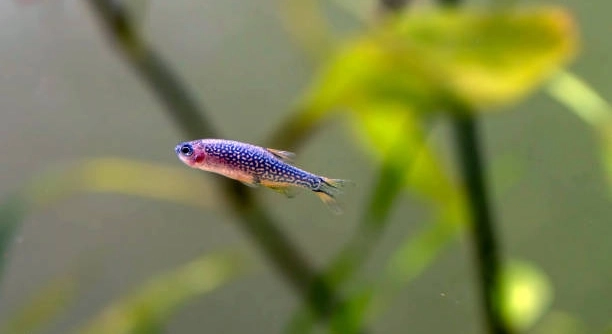
Setting up a Danio tank can be both exciting and challenging, especially when it comes to choosing plants that thrive in low-light conditions. Many beginner aquarists struggle to find greenery that stays healthy without intense lighting.
Low-light plants suitable for Danio tanks include species such as Anubias, Java Fern, and Cryptocoryne. These plants are hardy, require minimal lighting, and provide natural shelter, supporting both fish well-being and maintaining water quality effectively in small or medium aquariums.
These simple plant choices can transform your tank environment, offering both beauty and practical benefits for your fish.
Anubias
Anubias is one of the easiest plants to maintain in a low-light Danio tank. Its thick, dark green leaves are durable and resistant to algae, making it ideal for beginners. The plant grows slowly, so it doesn’t require frequent trimming, and it can attach to rocks or driftwood. Anubias can tolerate a wide range of water conditions, which is perfect for tanks where water parameters fluctuate. Its roots do not need to be buried, allowing it to adapt easily to your tank setup. Many aquarists appreciate Anubias for its low-maintenance nature, as it provides a safe hiding place for Danios without demanding much effort. Over time, the plant develops a natural look, complementing other species and decorations. Anubias is particularly suited for smaller tanks, as it remains compact while still offering coverage for shy fish. Regular removal of dead leaves ensures it continues to thrive without decaying material affecting water quality.
Anubias thrives in low light and offers shelter, making it a practical choice for Danio tanks while enhancing the natural aesthetic.
Keeping Anubias healthy is simple. Limit fertilizer to occasional dosing, avoid burying the rhizome, and rinse leaves when dust collects. Its slow growth means less work, but patience pays off, as the plant adds a calm, green touch that improves your tank’s balance.
Java Fern
Java Fern grows well when attached to rocks or wood, thriving in low-light conditions. Its long leaves sway with the water, giving a natural movement to the tank.
Java Fern is tough and adapts easily to various water temperatures, from cool to tropical conditions. It requires minimal maintenance because it absorbs nutrients directly from the water. Unlike many plants, it doesn’t need substrate planting, which prevents root rot. This fern grows slowly, so trimming is only necessary when old leaves yellow. Placing Java Fern in areas with gentle water flow encourages healthy growth while keeping the leaves free from debris. Its strong leaves resist nibbling by Danios, making it both decorative and practical. Over time, Java Fern can grow into a dense cluster, creating hiding spots for fish. It pairs well with other low-light plants, helping maintain oxygen levels and reducing algae growth. Many aquarists prefer Java Fern for its aesthetic appeal combined with minimal effort, offering a reliable green presence in the tank while supporting fish comfort.
Cryptocoryne
Cryptocoryne adapts well to low-light Danio tanks and grows slowly, which reduces maintenance needs. Its varied leaf shapes and colors add texture to the aquarium, providing shelter and visual interest without overwhelming the space.
This plant tolerates a wide range of water conditions but prefers stable parameters. It grows best when planted in nutrient-rich substrate, though it can survive in poorer conditions. Cryptocoryne develops a strong root system that anchors it securely, preventing uprooting from active fish like Danios. Its leaves can vary from green to brownish-red, enhancing the tank’s visual depth. While growth may be slow, it eventually forms small clusters that create natural hiding spaces for fish. Regularly removing old or decaying leaves keeps water quality high and prevents detritus buildup. Pairing Cryptocoryne with other low-light plants balances the tank aesthetically and functionally, providing shelter and natural filtration simultaneously.
Maintenance is simple but consistent. Avoid sudden water changes to prevent leaf melting, keep substrate nutrients adequate, and trim damaged leaves. Over time, Cryptocoryne becomes a resilient and attractive component of your tank setup, complementing Danios and other plants without extra effort.
Java Moss
Java Moss grows in almost any low-light aquarium, clinging to surfaces like rocks, driftwood, or decorations. Its small, dense growth offers shelter for fry and creates a textured, natural look in the tank.
The plant spreads quickly once attached, forming thick mats that improve water quality by trapping debris. It doesn’t need substrate planting, reducing the risk of root damage from active fish. Java Moss provides a safe environment for Danios to explore and hide, lowering stress levels and promoting natural behavior. Trimming is easy and allows control of its spread, ensuring it doesn’t overwhelm the tank. Many aquarists use it to create green carpets, floating clusters, or vertical walls on decorations, adding depth to the tank. This moss tolerates a wide temperature range and low lighting, making it highly versatile. Regular maintenance includes occasional rinsing or repositioning to prevent tangling and ensure light reaches all areas.
Its adaptability makes Java Moss a low-effort plant that improves both aesthetics and functionality. With minimal care, it can enhance oxygenation, shelter, and water filtration, supporting Danios while maintaining a healthy environment.
Amazon Sword
Amazon Sword thrives in low-light tanks and grows steadily, forming broad leaves that provide shade and shelter for Danios. Its robust roots help anchor it securely, making it suitable for active fish and preventing uprooting.
The plant prefers nutrient-rich substrate but can tolerate average conditions. Its large leaves add visual appeal while creating natural hiding spaces, contributing to a calm tank environment.
Hornwort
Hornwort floats or anchors easily in low-light conditions. It grows quickly, absorbing excess nutrients and helping reduce algae growth. Its feathery stems provide cover for fish, making it practical for Danio tanks.
Vallisneria
Vallisneria grows tall, creating natural vertical lines in a tank. Its ribbon-like leaves sway gently with water movement, offering shelter and visual interest. Its hardy nature allows it to thrive in low-light conditions without intensive care.
FAQ
Which low-light plant is easiest to maintain in a Danio tank?
Anubias is often considered the easiest. Its thick leaves resist algae and it grows slowly, requiring minimal trimming. It can attach to rocks or driftwood and tolerates a wide range of water conditions, making it a low-maintenance option for beginners.
Can Java Fern survive without substrate?
Yes. Java Fern absorbs nutrients from the water, so it doesn’t need planting in soil. It attaches easily to rocks, driftwood, or decorations. This makes it ideal for tanks where Danios may disturb the substrate, keeping roots safe and reducing maintenance needs.
Is Cryptocoryne suitable for small tanks?
Cryptocoryne works well in small to medium tanks. Its slow growth prevents it from overcrowding the space. Planting it in nutrient-rich substrate helps it establish strong roots, while its varied leaf shapes add depth and natural hiding spots for Danios.
How fast does Java Moss grow?
Java Moss spreads moderately quickly once attached to surfaces. It forms dense mats or clusters, creating shelter and helping with water quality. Growth can be controlled with occasional trimming, preventing it from covering too much of the tank while maintaining a green, natural look.
Does Amazon Sword need strong light?
No, Amazon Sword tolerates low-light conditions. While it grows best with some nutrients in the substrate, it can survive in average tank conditions. Its broad leaves provide shelter and visual appeal, helping to create a comfortable environment for Danios without extra effort.
Can Hornwort float freely in the tank?
Yes. Hornwort can float or be anchored. Floating Hornwort absorbs excess nutrients and slows algae growth. Its feathery stems offer hiding places for fish and fry, making it a practical addition to any low-light Danio tank.
Is Vallisneria compatible with Danios?
Vallisneria is highly compatible. Its tall, ribbon-like leaves provide vertical cover and natural movement in the water. It thrives in low light, grows quickly, and requires minimal care, adding structure and shelter without interfering with active Danio swimming patterns.
Do these plants require fertilizers?
Most low-light plants, like Anubias, Java Fern, and Java Moss, require minimal or occasional fertilization. Nutrient-rich substrate benefits Cryptocoryne and Amazon Sword, but over-fertilizing is unnecessary. Simple liquid fertilizers or root tabs can keep growth steady without stressing the tank.
How often should I trim low-light plants?
Trimming depends on the plant. Slow growers like Anubias and Cryptocoryne need occasional removal of dead leaves. Java Moss and Hornwort may require more frequent pruning to control spread. Regular trimming maintains water quality and prevents overcrowding, keeping the tank balanced.
Can low-light plants improve water quality?
Yes. Plants like Hornwort and Java Moss absorb excess nutrients, reducing algae growth. Their roots and leaves provide surfaces for beneficial bacteria, helping to stabilize the tank’s ecosystem. Healthy plants also produce oxygen, improving conditions for Danios.
Are these plants safe for fry?
Most are safe. Dense growth from Java Moss, Java Fern, and Hornwort gives fry places to hide from adults. Broad leaves of Cryptocoryne or Amazon Sword also provide shelter. Low-light tolerance ensures plants remain stable, protecting young fish without extra care.
Do these plants survive in fluctuating temperatures?
Many low-light plants are resilient. Java Fern, Anubias, and Vallisneria tolerate a wide temperature range, while Cryptocoryne prefers stability but can adapt. This makes them ideal for Danio tanks, which may experience minor temperature shifts during maintenance or seasonal changes.
Can I mix multiple low-light plants?
Yes. Mixing plants like Anubias, Java Fern, Cryptocoryne, and Java Moss creates a natural environment with varied hiding spaces. Combining different textures and heights improves tank aesthetics and provides comfort for Danios without demanding intensive care.
How do I prevent algae growth on these plants?
Algae control involves moderate lighting, minimal excess nutrients, and occasional cleaning. Low-light plants naturally compete with algae, slowing its spread. Trimming old leaves and rinsing moss ensures surfaces stay clear, keeping the tank healthy and visually appealing.
Are low-light plants enough for a healthy Danio tank?
They contribute significantly. These plants provide shelter, improve water quality, and reduce stress. While other factors like filtration, temperature, and diet remain important, low-light plants support a balanced environment, making your Danios feel secure and encouraging natural behavior.
Can I propagate these plants easily?
Propagation varies. Java Moss and Hornwort are simple to propagate by cutting and replanting or floating fragments. Java Fern and Anubias propagate through rhizome division or plantlets. Cryptocoryne grows new shoots from its roots, and Vallisneria spreads via runners, making all suitable for expanding the tank naturally.
Low-light plants can completely change the feel of a Danio tank. They create a calm, green environment that reduces stress for your fish and improves overall tank health. Plants like Anubias, Java Fern, and Cryptocoryne are easy to care for and can thrive with minimal lighting. Even small tanks benefit from a few well-placed plants, as they provide hiding spaces and areas for exploration. The slow growth of these plants means less constant maintenance, allowing your focus to remain on observing and enjoying your fish. Over time, a few simple plants can make the tank look full and natural without needing high-powered lights or constant attention. This is particularly helpful for those who want a visually pleasing tank but don’t want a complicated setup.
Using a variety of low-light plants can make a tank feel more balanced and natural. Java Moss and Hornwort offer texture and dense cover, while Vallisneria adds vertical movement that contrasts with shorter plants. These plants work together to create a more interesting layout, providing both aesthetic appeal and practical benefits. Dense moss or fern growth gives Danios areas to hide or rest, which helps reduce stress and aggressive behavior. Larger plants like Amazon Sword and Cryptocoryne provide a base structure and add depth to the tank. By arranging plants at different heights and using different leaf shapes, you can create an environment that feels dynamic but remains manageable. This combination also helps with water quality, as plants absorb excess nutrients and provide surfaces for beneficial bacteria to grow, contributing to a healthier ecosystem.
Low-light plants are not only functional but also forgiving, which makes them ideal for beginners and experienced aquarists alike. They don’t require strict lighting schedules or complicated fertilizers, making maintenance simple and predictable. While some plants may grow slowly, they are durable and adapt to a variety of water conditions, so you don’t need to worry about frequent replacement. Over time, these plants establish a stable environment that supports both the fish and the overall balance of the tank. With patience and minimal care, your Danio tank can thrive with lush greenery that enhances both the aesthetic and the well-being of its inhabitants. By focusing on hardy, low-light plants, you can enjoy a beautiful, low-maintenance setup that benefits your fish while giving the tank a natural, inviting look.

Hello,
If you enjoy the content that we create, please consider saying a "Thank You!" by leaving a tip.
Every little bit helps us continue crafting quality advice that supports the health, happiness, and well-being of pets around the world, for pets of all shapes, sizes, and species.
We really appreciate the kindness and support that you show us!