
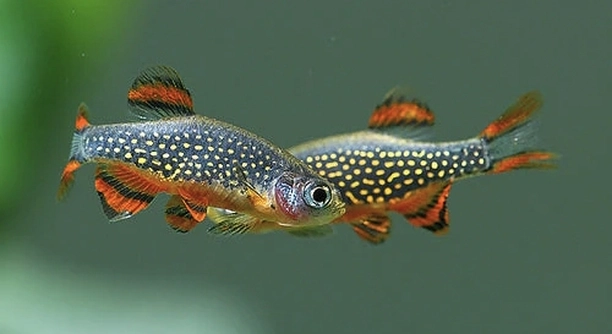
Danios are small, active fish that brighten any aquarium. Watching them swim is fun, but knowing when they are ready to breed takes careful observation and attention to their behavior and appearance in the tank.
Breeding-ready Danios can be identified through changes in body shape, color intensity, and behavior patterns. Females often appear fuller and rounder, while males show brighter coloration and increased activity. Observing these traits is key to successful breeding preparation.
Recognizing these signs early can help you create the right environment and increase the chances of healthy fry for your aquarium.
Observing Physical Changes
When Danios are ready to breed, their bodies start to show subtle but noticeable changes. Females typically become rounder in the abdomen as eggs develop, while males often display brighter and more vivid colors than usual. Paying attention to these differences is important because it helps you separate potential breeders from younger or non-reproductive fish. Other physical cues can include slightly raised dorsal fins and smoother scales. Observing these traits over several days gives you a better idea of which fish are ready. Sometimes, males may chase females more frequently, but it’s important to note that not all chasing means breeding readiness. Healthy, well-fed Danios will usually display the clearest signs. Changes may be gradual, so patience is key. Keeping a consistent feeding schedule and maintaining stable water conditions can help your Danios reach breeding condition without stress. Watching their behavior while they swim together can also provide clues.
Monitoring these physical cues regularly helps ensure you can separate fish at the right time.
Understanding these changes allows you to prepare a proper breeding tank. Adjusting water temperature slightly, providing fine-leaved plants, and adding gentle filtration encourages spawning behavior. Avoid overcrowding, as stress can delay or prevent egg-laying. Feeding your fish high-quality live or frozen foods boosts their health and readiness. Over time, you’ll notice males patrolling around females, nudging them gently. Females will start hiding among plants or gravel when ready to release eggs. By keeping careful notes on each fish, you can predict when they will spawn. A clean, safe environment is crucial for both adults and fry. Separating eggs quickly into a rearing tank prevents adults from eating them. Observing how your Danios interact daily gives you insight into timing and temperament. A structured approach increases the chances of a successful spawn and healthier fry development. The more consistent your care, the more confident you will feel handling breeding-ready fish.
Watching Behavioral Patterns
Danios ready to breed often swim more actively and chase more than usual.
In addition to physical changes, behavior provides clear signs of breeding readiness. Males may circle females or swim rapidly around the tank, showing increased energy. They might also nudge or gently bite the female’s sides to encourage egg release. Females may respond by hiding among plants or slightly shaking their bodies, which indicates eggs are ready. These behaviors are usually more frequent during early morning hours. Observing when and how these interactions happen can help you plan when to move fish to a breeding tank. Some fish may show mild aggression, but this is normal during courtship. Maintaining stable water temperature and keeping the tank free of stressors ensures behavior reflects natural instincts rather than stress responses. Feeding small, protein-rich meals encourages activity without overfeeding, which can harm water quality. Recording these patterns over several days helps predict the optimal spawning window. Paying attention to both male and female signals ensures you act at the right moment. Recognizing subtle changes, like tail flicks or increased swimming speed, provides additional confirmation of readiness. Consistency in observation leads to more predictable and successful breeding outcomes.
Feeding and Nutrition
A balanced diet is essential for Danios to reach breeding readiness. Providing high-protein foods like brine shrimp, daphnia, or quality flakes supports egg development in females and energizes males for courtship.
Proper nutrition ensures your Danios are healthy and ready to spawn. Females need extra protein to produce viable eggs, while males benefit from increased energy for chasing and courting behavior. Feeding small amounts multiple times a day helps maintain water quality and prevents overeating. Live or frozen foods are ideal because they mimic natural prey, stimulating natural behaviors and improving overall health. Consistent feeding routines also reduce stress, which can interfere with breeding.
Supplementing with vitamins and occasional plant-based foods can improve immune health. Observing which fish eagerly eat high-quality foods can indicate stronger breeders. Combining good diet with proper tank conditions increases the likelihood of successful spawning. Over time, you’ll notice females gaining fullness, males brightening, and both showing more active courtship behavior, all signs of readiness.
Water Conditions
Stable water conditions play a key role in triggering breeding behaviors. Temperature, pH, and cleanliness all affect readiness.
Maintaining water between 72–78°F encourages spawning, while gentle filtration prevents eggs and fry from being disturbed. Soft, slightly acidic to neutral water is preferred. Regular partial water changes remove excess waste, keeping the environment healthy. Monitoring water parameters frequently ensures any changes do not stress the fish, which can delay or prevent breeding. Clean water helps reduce the risk of disease and supports overall vitality, making fish more likely to show readiness.
Adjusting water parameters gradually is more effective than sudden changes. Aeration can help mimic natural currents, increasing activity. Adding fine-leaved plants or spawning mops provides secure places for females to lay eggs and protects fry. Observing how fish respond to these conditions informs adjustments, ensuring breeding success. Proper care and attention to these details create an environment where Danios naturally display readiness, improving both spawning rates and the health of offspring.
Selecting Breeding Pairs
Choosing compatible pairs increases the chances of successful spawning. Look for healthy, active fish with vibrant colors and well-rounded females.
Avoid pairing overly aggressive males with timid females, as this can cause stress. Matching fish of similar size helps reduce chasing injuries and encourages natural courtship behaviors.
Spawning Environment
A separate breeding tank is ideal to protect eggs and fry. Provide fine-leaved plants or spawning mops for egg attachment.
Ensure the tank has gentle filtration and stable water conditions. Maintaining a calm environment reduces stress, allowing fish to focus on natural spawning behaviors. Remove any fast-swimming tankmates that may disturb the process. Clean the tank before introducing the breeding pair and adjust temperature slightly higher to trigger spawning. Observation during this stage is key, as subtle changes in behavior indicate readiness. Separating eggs after spawning prevents adults from eating them, improving survival rates. A well-prepared environment ensures higher hatch rates and healthier fry development.
Monitoring Eggs
Watch the eggs daily to ensure they are developing properly. Remove any that appear fungus-covered.
FAQ
How do I know when a female Danio is ready to lay eggs?
A female ready to spawn will have a noticeably rounded belly. The fullness of the abdomen indicates mature eggs. She may also swim slower and hide among plants. Observing her during feeding times can help confirm readiness, as she often shows less aggression and more cautious movement.
What signs show a male Danio is ready to breed?
Males display brighter colors and increased activity when ready. They often chase females, swim rapidly, and nudge their sides. Subtle fin movements and circling behavior around the female are key indicators. These behaviors become more frequent in the morning and after feeding high-protein foods.
Can Danios breed without a separate tank?
While possible, breeding in the main tank increases the risk of adults eating eggs. Using a separate tank with plants or spawning mops improves survival rates. Gentle filtration and calm water encourage spawning, while removing other fish prevents stress or interference.
How long does it take for Danio eggs to hatch?
Eggs generally hatch within 48 to 72 hours, depending on water temperature and conditions. Warmer, stable water speeds development slightly. After hatching, fry should be transferred carefully or provided protected areas to avoid being eaten by adults.
What should I feed breeding Danios?
High-protein live or frozen foods like brine shrimp or daphnia boost readiness. Small, frequent meals encourage activity without overfeeding. Supplementing with high-quality flakes or pellets ensures balanced nutrition. Females gain fullness, and males remain energetic for courtship. A proper diet supports egg health and successful spawning.
How do I prevent fungus on eggs?
Maintain clean water and remove any eggs that appear white or fuzzy. Adding a few drops of antifungal treatment designed for aquarium use can help. Gentle aeration and minimal disturbance reduce the risk. Monitoring eggs daily ensures problems are spotted early.
Do Danios need specific water conditions to breed?
Yes, stable temperature between 72–78°F, slightly acidic to neutral pH, and clean water are essential. Gentle filtration prevents damage to eggs and fry. Gradual changes in temperature or water chemistry can trigger spawning but avoid sudden shifts that stress the fish.
How can I tell if eggs are fertile?
Fertile eggs are usually clear or slightly yellow and develop a small dark spot within 24 hours. Infertile eggs appear cloudy or white and may grow fungus if not removed. Observing daily helps identify which eggs are developing normally.
How do I care for newly hatched fry?
Provide fine food such as infusoria or liquid fry food for the first days. Once they grow, transition to baby brine shrimp or crushed flakes. Keep water clean and avoid strong currents. Gradually increase feeding quantity as they grow, ensuring they have plenty of space to swim.
Can I breed Danios multiple times a year?
Yes, with proper care, nutrition, and water conditions, Danios can spawn multiple times annually. Rest periods between spawnings help maintain health. Consistent observation and monitoring ensure both adults and fry remain healthy and ready for future breeding cycles.
Is it normal for males to chase females aggressively?
Chasing is typical during courtship, but excessive aggression may stress females. Ensure adequate space, plants, or hiding spots for females to escape. Monitoring interactions prevents injury and ensures natural spawning behavior continues without harm.
How long should I leave adults in the breeding tank?
Adults should remain until spawning is complete. Once eggs are laid, it’s often best to remove adults to protect the eggs. Afterward, maintain stable water conditions and monitor eggs until they hatch. This improves fry survival and reduces stress for the adults.
What is the best way to transfer eggs or fry safely?
Use a soft net or small container to move eggs or fry gently. Avoid sudden temperature changes. If using a separate rearing tank, acclimate slowly to prevent shock. Providing plants or spawning mops in the new tank gives fry shelter and increases survival rates.
Can I breed different Danio species together?
It’s possible, but hybridization may occur, producing mixed traits. For consistent results and healthier fry, it’s better to pair the same species. Observing compatibility is important, as some species have different behavior patterns and spawning requirements.
How do I maintain water quality with fry in the tank?
Perform frequent, small water changes to prevent ammonia buildup. Avoid strong filtration that can suck up fry. Monitor water parameters daily. Keeping the tank clean supports fry growth and reduces disease risk while maintaining a safe environment for delicate young fish.
What common mistakes should I avoid during breeding?
Overcrowding, poor nutrition, and sudden water changes are common issues. Not removing adults after spawning or neglecting eggs can lead to loss. Monitoring behavior, feeding properly, and maintaining clean, stable water conditions ensures higher success rates and healthier offspring.
How do I know when fry are ready to leave the breeding tank?
Fry are ready when they can swim freely and feed on standard flake food. Gradually introducing them to the main tank or a grow-out tank helps prevent stress. Ensure they are large enough to avoid being eaten by adult fish.
Breeding Danios can seem challenging at first, but paying attention to their physical appearance, behavior, and environment makes it much easier. Observing females for a rounded belly and males for brighter colors helps you identify which fish are ready. These physical cues are often subtle, so taking time to watch your fish over several days provides the clearest picture. It is also important to notice how they interact with each other. Males chasing females or circling them is normal behavior during courtship, but you should ensure that it doesn’t become overly aggressive. Providing hiding spots and plants in the tank helps females feel safe and reduces stress. A calm and stable environment encourages natural behaviors and increases the chances of successful spawning. Consistent observation is key, as every fish may show readiness slightly differently depending on age, health, and personality.
Proper nutrition is another essential factor in preparing Danios for breeding. High-protein foods like brine shrimp, daphnia, and quality flakes provide energy and support egg development. Feeding small portions multiple times a day helps maintain water quality and prevents overfeeding. A balanced diet not only improves breeding readiness but also strengthens the fish’s immune system, making them less likely to get sick during the stressful spawning period. Female Danios respond directly to nutrition, showing fullness in their abdomen as eggs develop. Males become more energetic and vibrant when they are well-fed, which encourages courtship behavior. Paying attention to how each fish reacts to food and adjusting the feeding routine accordingly helps maintain their health and readiness for spawning. Over time, a proper diet combined with good care will make it easier to predict when your fish are ready to breed.
Creating the right environment is just as important as nutrition and observation. Water quality, temperature, and suitable breeding spaces all influence spawning success. A separate breeding tank with gentle filtration and fine-leaved plants or spawning mops gives eggs and fry protection from adults. Maintaining stable water conditions, including temperature between 72–78°F and slightly acidic to neutral pH, encourages natural behaviors. Once eggs are laid, monitoring them closely and removing any unhealthy or fungus-infected eggs improves survival rates. Fry require proper care, including soft foods for the first days and gradual transition to standard flake food as they grow. Attention to these details ensures healthier fry and a smoother breeding process. By combining careful observation, proper nutrition, and a well-maintained environment, breeding Danios can become a rewarding experience that produces strong, healthy offspring while maintaining the well-being of the adults.

Hello,
If you enjoy the content that we create, please consider saying a "Thank You!" by leaving a tip.
Every little bit helps us continue crafting quality advice that supports the health, happiness, and well-being of pets around the world, for pets of all shapes, sizes, and species.
We really appreciate the kindness and support that you show us!