
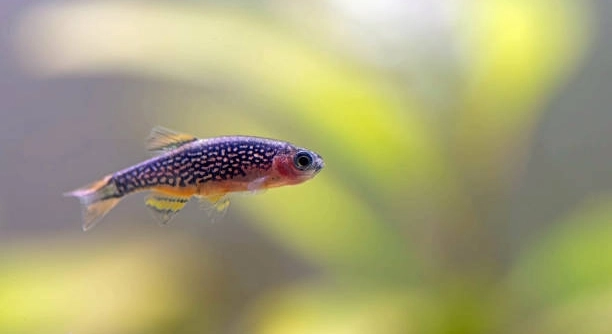
Have you ever struggled to keep your Celestial Pearl Danios happy and healthy in your aquarium? These tiny, colorful fish are sensitive to water conditions and thrive best in carefully monitored environments. Proper care is key.
The ideal pH range for 7 Celestial Pearl Danios is between 6.5 and 7.5. Maintaining water within this range supports their metabolic functions, reduces stress, and ensures optimal growth, coloration, and overall well-being for a thriving aquarium community.
Maintaining the right pH is more than just numbers; it plays a crucial role in your fish’s daily life and long-term health. Proper management can lead to a lively and balanced tank environment.
Understanding pH and Its Importance
pH measures how acidic or basic your aquarium water is. For Celestial Pearl Danios, maintaining the correct pH is essential because their bodies are adapted to slightly neutral water. When pH drifts too low, the water becomes acidic, which can stress the fish and damage their delicate fins. High pH can make the water too alkaline, impacting their metabolism and reducing appetite. Consistently monitoring pH allows you to detect changes early and take action before it affects the fish. Regular water testing with reliable kits helps track daily fluctuations. Small adjustments, like adding natural buffering agents or partially changing water, can stabilize pH gradually. Sudden swings are far more harmful than minor shifts over time. Understanding how pH interacts with other water parameters, like hardness and temperature, ensures that your tank environment supports healthy growth, vibrant colors, and active behavior. Proper balance makes the aquarium less prone to disease and stress-related issues.
Monitoring pH daily is a simple habit that keeps your Danios healthy. Consistency prevents stress and long-term problems in the tank.
Balanced pH is not just a number; it creates stable conditions that support overall fish health. When the water stays within the right range, Celestial Pearl Danios can swim actively, feed regularly, and display their full colors. Observing their behavior alongside pH readings helps detect early signs of stress. Adjusting slowly, rather than abruptly, keeps them safe. Using natural elements like driftwood or specific plants can help maintain stability while enhancing the tank’s appearance. The right pH also affects beneficial bacteria, which are crucial for breaking down waste. When these bacteria thrive, the aquarium stays cleaner and more balanced. With careful attention, your tank can sustain multiple Danios comfortably.
Adjusting pH Safely
Small changes in pH are safer than drastic ones. Gradual adjustment reduces stress and keeps fish healthy.
Adding pH buffers or partially replacing water with conditioned water helps maintain the proper range. Avoid rapid shifts, which can shock the Danios. Testing frequently and recording trends ensures you respond quickly. Using natural methods, such as adding driftwood or peat moss, can lower pH gently, while crushed coral or limestone raises it slightly. Each tank reacts differently, so pay attention to how your fish respond. Consistent monitoring and patience are key for long-term success. Keeping the aquarium stable makes feeding, breeding, and everyday care more predictable, providing a safe and comfortable environment for the fish. With careful management, your Celestial Pearl Danios will thrive without sudden stress.
Adjusting pH requires understanding the chemistry of your water. Different water sources have unique characteristics, including varying mineral content and hardness. Soft water tends to be more acidic, while hard water resists changes in pH. Knowing your source water helps determine how much adjustment is needed. Using commercial pH kits or digital meters provides accurate readings. When changes are necessary, make small increments over several days, observing fish behavior. Rapid changes can cause illness, lethargy, or fin damage. Natural methods, such as adding botanicals, are preferable because they are gradual and less disruptive. Additionally, maintaining consistent filtration and aeration supports stable pH levels. By combining careful monitoring with controlled adjustments, the tank environment becomes predictable, minimizing stress. This stability encourages active swimming, healthy feeding, and proper growth, allowing the fish to display their best colors. Over time, a well-maintained pH fosters a robust aquarium ecosystem where Celestial Pearl Danios can flourish.
Signs of pH Stress in Celestial Pearl Danios
Stress can appear as unusual swimming, hiding, or reduced appetite. Monitoring these behaviors helps detect pH issues early and prevents long-term health problems.
When pH is too high or too low, Celestial Pearl Danios may become lethargic or less responsive. Their fins can appear clamped, and colors may dull. In some cases, they may scratch against surfaces or isolate themselves from other fish. Observing these subtle changes allows for early intervention, which is critical for their survival. Adjusting water gradually and keeping consistent testing can reverse these effects before permanent damage occurs. Stress also weakens their immune system, making them more vulnerable to disease.
Other indicators include erratic swimming patterns, gasping near the water surface, and unusual schooling behavior. Over time, prolonged exposure to incorrect pH can reduce lifespan and affect breeding success. Ensuring proper monitoring routines helps maintain a healthy, active tank.
Tools and Methods to Maintain pH
pH test kits, digital meters, and natural additives help maintain stable water conditions. Using these tools consistently ensures accuracy and safety for your fish.
Regular testing is the most reliable method to maintain pH. Liquid test kits provide clear readings and are easy to use, while digital meters offer precise monitoring and long-term tracking. Water conditioners, buffers, and natural elements like driftwood can help adjust pH without shocking the fish. Combining these tools allows you to respond to changes quickly and safely, keeping your Danios healthy.
Consistency is key. Daily or weekly checks reveal trends before problems arise. Gradual adjustments prevent stress and support beneficial bacteria growth, which also stabilizes water chemistry. Maintaining proper filtration and aeration complements pH management, ensuring the aquarium environment remains balanced. This approach keeps your Celestial Pearl Danios active, colorful, and thriving over time.
Natural Ways to Stabilize pH
Driftwood, peat moss, and certain aquatic plants can gently lower pH over time. These methods reduce sudden changes and create a more stable environment for your Danios.
Adding crushed coral or limestone can raise pH slowly. Combining natural elements with regular testing helps maintain balance consistently, supporting fish health.
Water Changes and Filtration
Regular water changes remove excess acids or bases, keeping pH within the ideal range. Consistent partial changes prevent extreme fluctuations and maintain overall water quality. Filtration also removes debris and supports beneficial bacteria, which helps stabilize pH and ensures a healthy, thriving aquarium for Celestial Pearl Danios.
Monitoring and Record Keeping
Keeping a log of pH readings allows you to notice trends over time. Recording water changes, additives, and adjustments ensures consistent care and helps prevent future problems.
Choosing the Right Substrate
The substrate can influence pH levels in your aquarium. Sand, gravel, or specialized substrates interact differently with water chemistry, so selecting the right type helps maintain a stable and healthy environment for your fish.
FAQ
What is the best pH for Celestial Pearl Danios?
The ideal pH for Celestial Pearl Danios is between 6.5 and 7.5. Keeping the water within this range supports their metabolism, helps maintain vibrant coloration, and reduces stress. Sudden deviations outside this range can cause health problems and behavioral changes.
How often should I test the pH?
Testing pH at least once a week is recommended. If your tank is new or you are making adjustments, daily testing may be necessary. Consistent monitoring helps you notice trends and respond to changes before they harm your fish.
Can I adjust pH quickly?
Rapid pH changes can shock Celestial Pearl Danios. Always make adjustments gradually, using small amounts of buffers or natural additives over several days. Sudden shifts can cause lethargy, fin clamping, or even more serious health issues.
What natural methods can help stabilize pH?
Driftwood and peat moss gently lower pH over time, while crushed coral or limestone can raise it slightly. Adding live plants can also buffer minor changes. Using natural methods avoids chemical spikes and creates a more stable tank environment.
Will water hardness affect pH?
Yes, water hardness influences pH stability. Soft water tends to shift pH more easily, while hard water resists changes. Knowing your source water’s hardness helps determine how to adjust pH safely and maintain stability.
Can pH affect breeding?
Yes, maintaining the correct pH range improves breeding success. Incorrect pH can stress Danios, reduce spawning behavior, and affect egg viability. Stable water conditions create an environment where fish feel safe to reproduce.
Do beneficial bacteria help with pH?
Beneficial bacteria do not directly change pH, but they support stable water conditions by breaking down waste products. A healthy bacterial colony prevents spikes in ammonia and nitrites, which can indirectly affect pH levels.
Is it safe to mix chemical and natural pH adjustments?
Yes, combining chemical buffers with natural methods can be effective if done carefully. Always monitor pH closely to avoid overshooting the target range. Gradual adjustments are safer than large, immediate changes.
How do I know if pH is affecting my Danios?
Signs include clamped fins, dull colors, reduced appetite, erratic swimming, or gasping at the surface. Observing daily behavior alongside pH readings helps you catch issues early and take corrective action.
Can temperature changes impact pH?
Yes, temperature fluctuations can slightly influence pH. Warmer water generally lowers gas solubility, which can raise pH slightly. Keeping temperature stable reduces unexpected pH swings and supports overall fish health.
How long does it take for pH adjustments to stabilize?
Gradual adjustments usually take a few days to a week. Rapid changes are risky. Monitor daily and only make small incremental changes until the desired pH is consistently maintained.
Are store-bought pH kits reliable?
Most liquid test kits and digital meters are accurate if used correctly. Always follow instructions, calibrate digital meters regularly, and cross-check results occasionally to ensure readings are consistent and trustworthy.
Can substrate choices affect pH over time?
Yes, certain substrates like crushed coral or limestone slowly release minerals that raise pH. Sand or inert gravel usually has minimal effect. Knowing how your substrate interacts with water chemistry helps maintain stability in the tank.
What should I do if pH fluctuates frequently?
Frequent fluctuations often indicate water source instability, inadequate buffering, or irregular maintenance. Test water regularly, ensure proper filtration, and use natural or chemical buffers to stabilize conditions gradually. Consistency in care is the key to minimizing swings.
Does feeding affect pH?
Yes, uneaten food and waste produce acids that can lower pH over time. Removing leftover food promptly and maintaining a regular cleaning schedule helps prevent pH drops and keeps the tank environment healthy for your Danios.
Can live plants help maintain pH?
Live plants can contribute to stability by absorbing nutrients and producing oxygen. Some plants release natural acids that slightly lower pH, which can be helpful in maintaining a balanced environment when combined with other monitoring practices.
How often should I change water to maintain pH?
Partial water changes, about 10-20% weekly, help remove accumulated acids or bases. Consistent changes prevent extreme swings and keep overall water chemistry stable. Always use conditioned water to avoid adding chlorine or other harmful chemicals.
Is distilled water safe for adjusting pH?
Distilled water can be used cautiously to lower hardness, but it has little buffering capacity and can cause sudden pH swings if used in large amounts. Mixing with source water and monitoring pH carefully is necessary.
Can pH affect coloration?
Yes, Danios show brighter colors when water conditions, including pH, are optimal. Incorrect pH can dull colors, stress the fish, and make them more susceptible to disease. Maintaining the ideal range enhances their natural vibrancy.
How do I balance pH with other water parameters?
Balancing pH with temperature, hardness, and ammonia levels is essential. Stable pH supports metabolic function, while proper hardness buffers changes. Regular monitoring and gradual adjustments create a stable, healthy environment that benefits all aspects of your tank ecosystem.
How long can Danios tolerate slight pH deviations?
Small, short-term deviations are usually tolerated, but prolonged exposure to pH outside the ideal range can cause stress, weaken the immune system, and shorten lifespan. Quick identification and correction prevent long-term harm.
What are the most common mistakes when managing pH?
Common mistakes include overcorrecting too quickly, failing to test regularly, ignoring substrate effects, and neglecting the influence of water hardness. Gradual adjustments, consistent monitoring, and record keeping prevent most problems and keep Danios healthy and active.
Final Thoughts
Maintaining the correct pH for Celestial Pearl Danios is essential for their health and overall well-being. These small, colorful fish are sensitive to water conditions, and even minor fluctuations can create stress that affects their behavior, appetite, and immune system. Keeping the water within the ideal range of 6.5 to 7.5 ensures that their metabolism functions properly, allowing them to grow, display vibrant colors, and remain active. A stable pH also supports beneficial bacteria in the tank, which break down waste and maintain water quality. This balance reduces the risk of harmful chemical buildup, making the aquarium a safer and more comfortable environment. By paying attention to pH along with other water parameters, such as temperature and hardness, you create a consistent and healthy habitat that encourages natural behavior, proper feeding, and overall longevity for your Danios. Small, regular adjustments and consistent monitoring are far more effective than occasional large corrections, and they prevent unnecessary stress for the fish.
Using natural methods alongside careful monitoring can make maintaining pH simpler and safer. Driftwood, peat moss, and certain live plants help lower pH gradually, while crushed coral or limestone can raise it slightly if needed. These options provide a gentle way to influence water chemistry without shocking the fish. Chemical buffers and conditioners are also available, but they should be applied carefully and in small increments. Observing the fish closely during any adjustment is crucial. Signs such as clamped fins, dull coloration, or erratic swimming indicate that the water conditions may not be ideal. Keeping detailed records of pH readings, water changes, and any adjustments can help identify trends and prevent recurring problems. Over time, developing a routine for testing and maintenance will make it easier to maintain stable conditions without overthinking every change. The goal is to create a tank where Celestial Pearl Danios feel secure, allowing them to thrive and display their natural behavior freely.
Patience and consistency are key when managing an aquarium for Celestial Pearl Danios. Rapid or extreme changes can harm the fish, while slow, careful adjustments promote a balanced ecosystem. Regular partial water changes, proper filtration, and attention to substrate selection all contribute to long-term pH stability. Monitoring water daily or weekly, depending on your tank setup, ensures you can respond promptly to shifts before they affect the fish. Understanding how temperature, hardness, and feeding habits influence pH will also help in maintaining optimal conditions. Creating this stable environment is not just about numbers; it is about observing, adjusting, and responding in a way that supports the natural needs of your Danios. With consistent care, patience, and careful attention to detail, your Celestial Pearl Danios can thrive in a safe, healthy, and vibrant aquarium. Proper pH management is one of the simplest yet most important steps to ensure their happiness and longevity in captivity.

Hello,
If you enjoy the content that we create, please consider saying a "Thank You!" by leaving a tip.
Every little bit helps us continue crafting quality advice that supports the health, happiness, and well-being of pets around the world, for pets of all shapes, sizes, and species.
We really appreciate the kindness and support that you show us!