
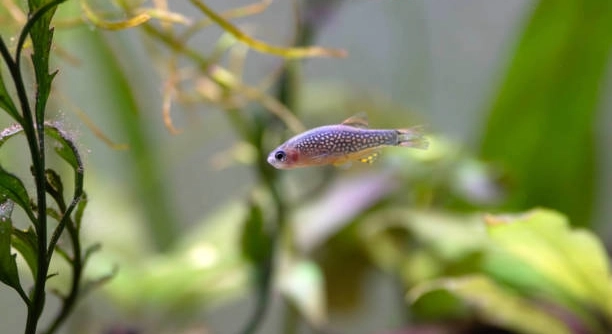
Raising danio fry can be both exciting and challenging for new aquarists. These tiny fish are delicate and need safe spaces to grow. Providing the right environment ensures they thrive and reduces stress in their early days.
Ideal hiding spots for danio fry include densely planted areas, floating vegetation, small caves, and artificial shelters. These locations offer protection from predators and reduce aggression, improving survival rates. Fry benefit from consistent, calm environments that mimic their natural habitat.
Choosing the right spots for your fry helps maintain a healthy aquarium and supports their growth into strong, active fish. Proper hiding areas are essential for their daily comfort.
Dense Plants
Dense plants provide excellent cover for danio fry. They can hide among the leaves and stems, feeling secure from larger tank mates. Plants such as Java moss, hornwort, and small-leafed water plants are ideal because they create natural barriers. Fry often linger near roots or thick foliage, which helps them avoid strong currents and sudden movements. Additionally, live plants improve water quality by absorbing nitrates and producing oxygen, making the tank healthier for young fish. When arranging plants, it’s important to leave small open areas so fry can swim freely while retreating to cover when needed. This balance of open space and dense vegetation encourages natural behavior and reduces stress. Regular trimming of plants keeps them from becoming too crowded, which can trap waste and create dead zones. Incorporating a variety of plant types and heights ensures that fry have multiple options to hide and explore safely. Proper placement makes a noticeable difference in survival rates.
Dense plants act as natural shelters that enhance the fry’s comfort and safety within the tank environment.
Fry use plants not only to hide but also to explore their surroundings. The plants create a sense of security and reduce the risk of injury from tank equipment or aggressive fish. Over time, the fry learn to recognize the safe areas and venture out more confidently. Dense plants also trap tiny food particles, allowing fry to feed more effectively without competing with larger fish. Maintaining healthy plants is key—remove dead leaves, check for algae, and ensure proper lighting. Live plants not only support fry survival but also create a visually appealing and balanced tank environment.
Floating Vegetation
Floating vegetation is particularly useful for small fry needing cover near the surface.
Plants like duckweed or water lettuce provide shade and reduce light intensity, which helps fry feel safer. They create gentle currents and resting areas, giving fry a sense of stability.
Floating plants also improve water quality by absorbing excess nutrients. They prevent algae blooms and offer shelter for newly hatched fry, keeping them close to food sources such as infusoria. These plants allow fry to swim under or around them, promoting natural behavior without exposing them to aggression from larger fish. Adjusting plant density ensures enough light penetrates while maintaining adequate protection. Floating vegetation is easy to manage and can be moved around to suit tank design. In combination with other hiding spots, they provide layered protection that supports fry growth. Observing fry behavior can guide adjustments, ensuring they use these floating plants effectively. Over time, fry become comfortable using these areas for feeding, resting, and escaping potential stressors, contributing to a healthier, more stable tank environment.
Small Caves
Small caves give fry a secure place to hide and rest. Ceramic or resin decorations with openings work well. They can retreat into these spaces when stressed or when larger fish swim nearby.
Caves simulate natural shelters found in rivers and streams. Fry often stay inside or near the entrance to feel protected while still being able to peek out. Positioning multiple caves at different tank levels allows fry to choose their preferred hiding spot, which encourages exploration without exposing them to danger. These spaces also reduce aggression from more dominant tank mates, giving shy fry the opportunity to feed safely. Cleaning caves regularly prevents buildup of debris or algae, maintaining a hygienic environment. When paired with plants or floating vegetation, caves form part of a layered defense system that supports fry survival. The combination of open areas and protected spots helps fry grow steadily and develop natural instincts.
Providing small caves in a tank helps young fry feel secure, reduces stress, and encourages healthy growth.
Caves are versatile and can be integrated with other tank features like rocks or dense plants. Fry use them for resting, feeding, and quick escapes, making them essential for creating a balanced and safe environment. Regular monitoring ensures the openings are not blocked and the interiors remain clean.
Artificial Shelters
Artificial shelters offer reliable hiding spots that are easy to maintain. Plastic or resin structures can be positioned throughout the tank to give fry multiple options. They are durable, safe, and resistant to decay.
Fry use these shelters to avoid strong currents, reduce stress from larger fish, and find temporary resting areas. Unlike live plants, artificial shelters don’t require trimming or light adjustments. They can be shaped to mimic caves, tubes, or small tunnels, providing a sense of security. Proper placement near feeding zones encourages fry to feed without exposure to aggressive tank mates. Artificial shelters are especially helpful in heavily stocked tanks where space is limited and natural hiding areas are scarce. Combining these structures with plants and floating vegetation creates a layered environment, increasing fry survival. Observing fry activity around shelters can guide adjustments to spacing and number, ensuring each fry has adequate access.
Artificial shelters support fry health and behavior while making tank management easier and more predictable.
Leaf Litter
Leaf litter creates small hiding spaces for fry to rest and explore. Fallen leaves provide shade and mimic natural habitats, giving fry a sense of security.
The decomposing leaves release beneficial compounds into the water, which can promote fry health. Fry often swim between leaves, using them to hide from stronger fish and sudden movements.
Fine Substrate
A fine substrate like sand or small gravel allows fry to burrow slightly and feel protected. It prevents injuries to their delicate bodies while supporting natural behaviors.
Fry explore the surface of the substrate for leftover food, giving them access to nutrients without competition. Fine substrate also reduces sharp edges or gaps where fry could get stuck, providing a safer bottom layer for the tank.
Overhanging Decorations
Overhanging decorations, such as driftwood or ledges on rocks, give fry shaded areas near the water surface. They create a calm environment and reduce stress from bright light or active fish.
Fry often gather under these structures for brief resting periods. The shaded areas make them feel hidden, helping them conserve energy and remain less exposed to potential threats. Overhanging spaces also encourage natural swimming patterns and exploration, allowing fry to grow stronger while feeling safe in their environment.
FAQ
How often should I check on my danio fry?
Checking on your fry once or twice a day is sufficient. Frequent observation helps ensure they are feeding well and hiding safely without causing unnecessary stress. Too much disturbance can frighten them and reduce their activity, so keep visits brief and calm.
What is the best way to feed danio fry?
Danio fry need tiny, frequent meals. Infusoria, baby brine shrimp, or finely crushed flakes work well. Feed small amounts multiple times a day to prevent leftover food from polluting the water and creating unhealthy conditions.
Can fry survive without hiding spots?
Fry can survive without hiding spots, but their survival rates drop significantly. Open tanks expose fry to stress, aggression from other fish, and potential injuries. Providing even minimal cover improves growth, feeding efficiency, and overall health.
Are live plants necessary for fry survival?
Live plants are not strictly necessary but are highly beneficial. They improve water quality, provide oxygen, and create natural hiding places. When live plants aren’t available, dense artificial vegetation can offer similar protection and shelter.
How do I know if a hiding spot is effective?
A good hiding spot allows fry to retreat safely while still giving them space to swim freely. Observe fry behavior—if they consistently use an area and appear calm, it’s effective. Avoid cramped spaces that trap fry or accumulate debris.
Can larger fish harm danio fry?
Yes, larger or aggressive tank mates can stress or eat fry. Providing multiple hiding spots and separating fry in breeding tanks reduces risk. Fry survival improves significantly in a controlled, calm environment where threats are minimized.
How many hiding spots should I provide?
Multiple hiding spots at different levels of the tank are ideal. Spread them near plants, the substrate, and floating areas. This variety lets fry choose the most comfortable space, reduces competition, and encourages natural exploration without exposing them to danger.
Do hiding spots affect water flow?
Hiding spots can alter currents slightly, which may help fry feel more stable. Position plants, caves, or floating vegetation to provide calm zones while maintaining enough flow for oxygenation and waste distribution. Too little movement can affect water quality.
Should I clean hiding spots often?
Cleaning hiding spots is important but should be done gently. Remove debris, algae, or waste buildup without disturbing fry too much. Over-cleaning can stress them, so aim for a balance between hygiene and maintaining a natural environment.
Can fry use multiple hiding spots?
Fry often rotate between different hiding spots based on comfort, feeding, or rest. Offering variety supports natural behavior and reduces stress. Observing their patterns can guide tank adjustments, ensuring each area is safe, accessible, and suitable for growth.
Is artificial shelter as good as natural plants?
Artificial shelters provide safety and are easy to maintain but may lack the water-quality benefits of live plants. Combining both gives fry optimal protection, stable conditions, and spaces to explore naturally, improving survival and development.
Do hiding spots reduce fry aggression?
Yes, providing ample cover minimizes conflicts. Fry use shelters to avoid dominant fish or siblings, which helps reduce stress and allows shy fry to feed safely without constant threats. This promotes a balanced tank environment where all fry can thrive.
How high should floating vegetation be above fry?
Floating vegetation should sit close enough to provide shade and cover but not so low that it traps fry underneath. Fry need space to swim freely while still having protection. Adjust density based on observation to ensure optimal comfort and safety.
Can I use rocks or pebbles as hiding spots?
Small rocks or pebbles can form natural caves or crevices. Ensure edges are smooth to prevent injury and that gaps are wide enough for fry to swim safely. Combining rocks with plants or artificial shelters increases usable hiding areas and mimics a natural environment.
Do hiding spots affect feeding behavior?
Yes, hiding spots can make feeding easier. Fry feel secure when they know they have shelter nearby, so they venture out confidently to eat. Scatter food near hiding areas to encourage activity without exposing them to stress.
Is water temperature important for fry safety?
Maintaining stable water temperature is crucial. Sudden changes can stress fry, making hiding spots even more important. Consistent warmth supports digestion, growth, and activity while enhancing the benefits of protective environments.
Can fry overcrowd a single hiding spot?
Overcrowding can occur if hiding spots are limited. Fry may compete for space, causing stress or injury. Providing multiple locations prevents this, allowing all fry access to safe areas without conflict.
How long do fry typically use hiding spots?
Fry rely on hiding spots most during the first few weeks after hatching. As they grow and gain confidence, they gradually explore more of the tank but still use shelters for rest and protection when needed.
Do hiding spots reduce stress significantly?
Yes, hiding spots are key for reducing stress. They give fry control over their environment, allow rest, and minimize exposure to threats. Stress reduction supports growth, feeding efficiency, and overall survival rates, making it an essential part of fry care.
Should I move hiding spots around the tank?
Occasional adjustments can stimulate exploration and prevent stagnation, but avoid frequent moves that disturb fry. Gradual repositioning ensures fry remain comfortable while experiencing varied environments that encourage natural behavior.
Can fry grow without hiding spots at all?
Growth is possible but riskier. Fry exposed constantly to stress, aggression, or strong currents may grow more slowly or suffer injuries. Providing adequate shelter ensures safer development and higher survival rates, making it the preferred approach for healthy fry management.
How do I balance hiding spots and swimming space?
Ensure sufficient open water between hiding spots for free swimming. A mix of cover and open areas supports growth, encourages activity, and allows fry to practice natural behaviors while still having access to protection when needed.
Are there seasonal considerations for hiding spots?
Seasonal changes affecting light or temperature can influence fry behavior. Floating vegetation or shaded areas may need adjustment to maintain consistent protection and comfort, ensuring fry continue to feel secure year-round.
Can hiding spots be used in breeding tanks?
Yes, hiding spots are essential in breeding tanks to separate fry from adults and reduce stress. Multiple shelters increase survival rates and allow fry to feed safely without interference from larger fish.
How do I monitor fry use of hiding spots?
Observation is key. Watch for patterns of rest, feeding, and movement. Fry that consistently use shelters indicate effective placement, while unused spots may need repositioning or additional cover to maximize safety and comfort.
Do hiding spots affect water filtration?
Hiding spots should not block filtration. Position shelters to maintain good water flow while still providing calm zones for fry. Proper balance ensures water quality and safety without disturbing fry habitats.
Can too many hiding spots be harmful?
Excessive cover can limit swimming space and trap waste, creating unhealthy conditions. Aim for balance by providing enough protection without overcrowding, ensuring fry can move freely and the tank remains clean.
Are natural hiding spots better than artificial ones?
Natural spots offer water-quality benefits and mimic the environment fry would encounter in the wild. Artificial spots provide durability and easy maintenance. Using a combination maximizes protection, reduces stress, and supports healthy growth.
How do I make hiding spots more attractive for fry?
Position them near food sources, shaded areas, or calm water zones. Variety in height, material, and texture encourages use, allowing fry to explore safely while reducing stress and increasing feeding efficiency.
Do hiding spots affect fry schooling behavior?
Yes, shelters provide safe zones within the tank, allowing fry to practice schooling without fear. Fry use nearby cover as a retreat while maintaining group cohesion, supporting natural behavior and reducing vulnerability.
Is it necessary to change hiding spots as fry grow?
Adjusting or upgrading hiding spots helps accommodate growth. Larger fry need bigger shelters or more space, while smaller fry benefit from tight, protective areas. Proper scaling ensures continued protection and comfort throughout development.
How do I combine different hiding spot types effectively?
Layer plants, floating vegetation, artificial shelters, and caves to create a multi-level environment. Each type serves a purpose—protection, shading, or resting—offering fry options and encouraging natural behavior while minimizing stress and competition.
Can I add hiding spots gradually?
Yes, introducing them gradually allows fry to adapt without overwhelming them. Monitor usage and adjust spacing or quantity based on behavior, ensuring optimal comfort and safety as they grow.
Do hiding spots need specific lighting conditions?
Indirect or dim lighting enhances the effectiveness of shelters. Bright light may reduce use, while moderate shading encourages fry to utilize hiding spots while maintaining normal activity and feeding patterns.
How long should I keep hiding spots in the tank?
Hiding spots remain useful throughout the fry stage and even as fish mature. While larger danios may explore more openly, shelters continue to provide rest, reduce stress, and support natural behaviors in a balanced tank environment.
Can hiding spots prevent disease?
Indirectly, yes. Reduced stress from hiding spots strengthens fry immunity, and layered cover can prevent injuries that lead to infections. Healthy fry in safe environments are less likely to fall ill.
What’s the best combination of hiding spots?
A mix of dense plants, floating vegetation, small caves, and artificial shelters works best. This combination provides protection at multiple levels, encourages natural behavior, and increases survival rates without overcrowding the tank.
Do fry prefer certain types of hiding spots over others?
Fry often favor spots that offer both protection and easy access to food. Observation shows they frequently use dense plants or caves but may switch depending on light, flow, or tank activity. Variety ensures all fry find suitable refuge.
Can hiding spots affect fry coloration?
Indirectly, yes. Reduced stress from accessible hiding spots allows fry to develop more vibrant coloration. Constant exposure to stress or open spaces may cause pale or muted colors, affecting appearance and overall health.
How do I ensure hiding spots are safe for fry?
Use smooth edges, non-toxic materials, and stable positioning. Avoid overcrowding or sharp surfaces. Regular checks prevent hazards while maintaining functional shelter that supports growth, feeding, and stress reduction.
Are hiding spots important for fry socialization?
Yes, they allow fry to interact safely. Fry can explore, feed, and school near shelters without risk from aggression. This balance supports natural social development and reduces stress-related behaviors.
Can hiding spots help during tank maintenance?
Shelters give fry temporary refuge during water changes or cleaning. They provide safe spaces where fry can remain calm while minor disturbances occur, reducing stress and potential injuries during routine tank management.
Do all danio species use hiding spots similarly?
While behaviors may vary slightly, most danio species benefit from similar shelter types. Fry generally seek cover in plants, caves, or floating vegetation, making these strategies effective across species.
How long should fry stay near hiding spots after feeding?
Fry usually linger near shelters for short periods after feeding to feel safe while digesting. Over time, they gradually explore more of the tank but still use nearby refuges when needed.
Can hiding spots be combined with water conditioners?
Yes, safe placement of hiding spots does not interfere with water treatments. Ensure refuges are cleaned if residues accumulate, but shelters continue to provide protection while supporting a healthy chemical balance.
Do hiding spots improve fry learning behavior?
Shelters allow fry to explore safely and respond to their environment. This fosters natural instincts like schooling, foraging, and evading threats, which are crucial for survival and adaptive behavior as they grow.
Can hiding spots help in overcrowded tanks?
They provide temporary relief in crowded conditions but don’t replace the need for proper stocking. Fry can retreat and reduce conflicts, but tank density should still be managed to prevent stress and poor water quality.
How do hiding spots affect overall fry health?
Accessible shelters reduce stress, improve feeding, and support natural behaviors. By protecting fry from aggression, excessive light, and strong currents, hiding spots contribute directly to stronger, healthier fish with better growth and survival outcomes.
Do hiding spots need to be changed as fry develop?
Yes, as fry grow, their needs change. Small shelters may no longer be sufficient, so upgrading or repositioning ensures continued protection and supports their increasing size, activity, and natural behavior patterns.
Can hiding spots be used in community tanks?
Yes, multiple shelters allow fry to coexist with adult fish safely. Strategic placement reduces conflicts, gives fry options for feeding, resting, and hiding, and supports healthy interactions in mixed-species setups.
Do hiding spots affect oxygen levels?
Indirectly, dense plants can increase oxygen while providing shelter. Artificial shelters don’t affect oxygen significantly but should not block water flow. Proper tank setup maintains adequate oxygen alongside safe hiding areas.
Can I make DIY hiding spots for fry?
Yes, using non-toxic materials like smooth stones, PVC tubes, or mesh can create effective shelters. Ensure materials are safe, stable, and easy to clean while offering the protection fry need for survival and growth.
How do I prevent mold or algae on hiding spots?
Regular maintenance and gentle cleaning help prevent buildup. Live plants naturally compete with algae, while artificial shelters should be checked and scrubbed occasionally to maintain hygiene without stressing fry.
Are hiding spots necessary if fry are in a separate tank?
Even in a dedicated fry tank, shelters reduce stress and encourage natural behavior. Fry thrive when they have options to hide, rest, and explore, regardless of tank size or population density.
Can hiding spots improve fry growth rates?
Yes, reduced stress and safer feeding conditions allow fry to grow more efficiently. Providing multiple, accessible shelters promotes healthier, more active fry with higher survival and consistent development.
Do hiding spots influence fry temperament?
Shelters help fry feel secure, reducing fear and aggression. Fry that have access to appropriate hiding spots tend to develop calmer, more balanced behaviors, which benefits feeding, social interaction, and long-term health.
Are certain tank materials better for hiding spots?
Smooth ceramics, resin decorations, and non-toxic plastics are safe. Avoid sharp edges, porous stones that trap waste, or unstable objects that could injure fry. Proper material choice ensures safety while maintaining effective shelters.
How do hiding spots help during water parameter changes?
Shelters provide temporary refuge when minor fluctuations occur. Fry can retreat to calm areas, reducing stress during water changes or sudden shifts, which supports stable health and ongoing growth.
Can hiding spots prevent fry from being stressed by noise or vibration?
Yes, they give fry covered areas to feel secure during external disturbances. Even small vibrations or tank-side activity are less alarming when fry can retreat to protective spaces.
Do hiding spots affect fry swimming patterns?
They do. Fry swim more confidently knowing they can escape to cover. Hiding spots encourage natural exploration, schooling, and resting behaviors while preventing overexposure to potential threats.
Can hiding spots help fry adapt to new tanks?
Absolutely. Introducing fry to a new tank with sufficient cover allows them to acclimate safely. Shelters reduce stress, help them locate safe areas, and encourage normal feeding and exploration in unfamiliar surroundings.
Do hiding spots reduce mortality rates?
Yes, accessible and well-placed hiding spots significantly increase survival. By providing safety, reducing stress, and limiting exposure to aggression, fry are more likely to grow into healthy adult fish.
How long should hiding spots remain in the tank after fry grow?
Many shelters remain useful even after fry mature. Larger danios still use cover for resting, escaping bright light, or avoiding active tank mates, supporting long-term comfort and well-being in the aquarium.
Can hiding spots be stacked or layered?
Yes, layering plants, caves, and floating vegetation creates a multi-level environment. This maximizes protection, encourages natural behavior, and offers variety for fry to choose safe spots without overcrowding the tank.
Do hiding spots affect tank aesthetics?
Properly placed hiding spots can enhance the visual appeal of a tank. Combining plants, artificial shelters, and natural decorations creates a balanced, natural look while providing functional spaces for fry.
How do I know if hiding spots are working well?
Fry behavior is the best indicator. Frequent use, calm movement, and safe feeding around shelters show effectiveness. If fry avoid certain areas, adjust placement, size, or type of hiding spot to meet their needs.
Are hiding spots more important for some danio species than others?
While all danio fry benefit, more active or smaller species may rely heavily on shelters. Observing specific behaviors helps tailor the number and type of hiding spots to meet species-specific needs.
Can hiding spots influence breeding success?
Yes, in breeding tanks, fry that survive and grow in safe environments are more likely to develop into healthy, fertile adults. Proper shelter reduces stress and injury, supporting future reproduction.
Do hiding spots require special care for sensitive fry?
Sensitive fry, such as very small or newly hatched individuals, benefit from softer plants, smooth caves, and calm zones. Gentle maintenance and careful placement are crucial to prevent injury or stress during early development.
Can hiding spots help fry during illness?
Shelters allow sick or weaker fry to rest safely away from active tank mates. This reduces stress, conserves energy, and can support recovery alongside proper water conditions and treatment.
How do I introduce hiding spots to an established tank?
Add shelters gradually in areas fry already frequent. Observe behavior, ensuring fry accept new cover without panic. Gradual introduction prevents disruption and maintains comfort while expanding protective spaces.
Are there seasonal care adjustments for hiding spots?
Seasonal temperature, light, or growth changes in plants may require adjustments. Ensure shelters continue to provide calm, shaded areas, and safe resting spaces year-round to maintain fry comfort and safety.
Do hiding spots affect feeding hierarchy among fry?
Shelters reduce competition by giving shy fry safe spaces near food. This ensures weaker individuals have access to nutrition while more confident fry explore freely, promoting balanced growth.
Can hiding spots prevent injuries during tank cleaning?
Yes, fry can retreat to cover during maintenance, reducing risk from water movement, netting, or accidental disturbance. Shelters act as temporary refuges that minimize stress and injury during routine care.
Do hiding spots change fry activity patterns?
Fry adjust activity based on cover availability. They may be more active in open areas when nearby shelters provide a quick retreat. This promotes exploration, feeding, and healthy movement while maintaining safety.
Are hiding spots beneficial for fry with slower growth?
Slower-growing fry benefit from shelters that reduce competition and stress. Protected areas allow them to feed and rest safely, supporting catch-up growth and minimizing risk of being outcompeted by faster-growing siblings.
Can hiding spots be combined with water flow adjustments?
Yes, shelters create calm zones while allowing overall tank circulation. Fry can choose areas with reduced current without compromising water quality, balancing protection with necessary environmental flow.
Do hiding spots influence fry survival during transport?
Shelters provide stability and reduce stress during short-term relocation. Even small floating plants or tubes in a transport container help fry feel secure and improve chances of surviving the move.
Providing proper hiding spots for danio fry is one of the most important steps in raising healthy and strong fish. These small fish are vulnerable in their early stages, and even minor stress can affect their growth and survival. By arranging plants, floating vegetation, caves, and artificial shelters in a thoughtful way, you create a safe and balanced environment. Fry use these spaces to rest, hide from larger fish, and explore without fear. The presence of multiple hiding options encourages natural behavior and reduces competition, helping each fry develop at a steady pace. It is not just about protection; hiding spots also make feeding easier and more efficient, as fry feel secure enough to venture out and eat without panic.
In addition to providing safety, hiding spots contribute to a healthier tank environment. Live plants, for example, not only offer cover but also help improve water quality by absorbing excess nutrients and producing oxygen. Floating vegetation reduces light intensity near the surface, which can calm fry and give them a shaded retreat when needed. Even artificial shelters, though lacking biological benefits, offer reliable and easy-to-maintain protection. Combining different types of hiding spots creates layers of security, giving fry choices that match their size, confidence, and activity level. Observing fry behavior is key, as it allows adjustments to placement, density, and type of hiding spot. Over time, fry become comfortable using these areas for resting, feeding, and exploring, which strengthens their instincts and reduces stress-related behaviors.
Proper maintenance and careful observation are essential for maximizing the benefits of hiding spots. Dead or decaying plant material should be removed, and artificial shelters cleaned regularly without disturbing the fry. Balancing hiding spots with open swimming space ensures that fry can move freely while still having access to safe areas. As fry grow, their needs change, and hiding spots should be adjusted accordingly to accommodate larger fish. Even after the fry stage, shelters continue to serve a purpose, offering resting areas and reducing stress in a mixed tank. By investing time in creating and maintaining effective hiding spaces, you increase the chances of raising healthy, active, and resilient danios. Consistent care, thoughtful placement, and attention to their behavior will result in fry that not only survive but thrive in their aquarium environment.

Hello,
If you enjoy the content that we create, please consider saying a "Thank You!" by leaving a tip.
Every little bit helps us continue crafting quality advice that supports the health, happiness, and well-being of pets around the world, for pets of all shapes, sizes, and species.
We really appreciate the kindness and support that you show us!