
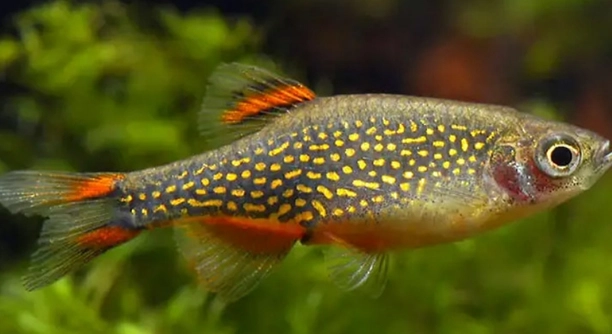
Danios are lively fish that often interact in groups, creating a dynamic environment in your aquarium. Sometimes, these interactions can lead to tension or stress within the group, affecting their behavior and overall well-being.
Reducing group tension in danios can be achieved through strategic tank setup, balanced group sizes, consistent feeding schedules, hiding spots, environmental enrichment, compatible tank mates, and monitoring water quality to maintain a stable, low-stress environment conducive to healthy social behavior.
Implementing these approaches ensures a calmer community and a more harmonious tank environment for your danios to thrive.
Tank Setup and Space
Providing adequate space is crucial for danios to thrive. A cramped tank can increase stress and lead to aggressive behavior. I learned early on that giving them room to swim freely reduces chasing and fin nipping. A 20-gallon tank is the minimum for a small group, but larger is always better. Decorations, plants, and open swimming areas should be balanced. Dense vegetation offers hiding places, while open zones allow them to display natural schooling behavior. Avoid overcrowding, as it can exacerbate tension. Regular observation of their interactions helps identify areas that may need adjustment. Adjusting tank elements, like rearranging plants or adding new hiding spots, can help reset group dynamics. Lighting and water movement also affect their comfort. Gentle currents and a stable light schedule support calm activity. Overall, a well-planned layout encourages healthier social interactions, reducing overall stress and promoting natural behavior patterns that are easier to maintain long-term.
Danios thrive in spaces that allow free swimming and hiding. Proper tank size minimizes stress and aggressive behavior among the group.
Balancing tank elements, such as open swimming areas, plants, and decorations, creates a harmonious environment. Observing their behavior and adjusting the setup when needed ensures the fish feel secure and reduces tension. Regularly checking water flow and light consistency supports natural rhythms. Small changes in layout can have a noticeable impact, as they allow danios to claim territory without conflict. Group dynamics improve when each fish has its own space and options for retreat. Maintaining cleanliness and stable water parameters further enhances their comfort. In my experience, a thoughtfully arranged tank not only keeps the fish calmer but also makes observing their playful interactions more enjoyable. Over time, a spacious, well-decorated tank fosters positive social behavior and minimizes stress-related health issues. A consistent routine and attention to tank conditions reinforce a stable environment for the entire group.
Group Size and Composition
Maintaining the right number of danios prevents overcrowding. Small groups increase stress, while too many can lead to chaos.
The ideal group size is usually six to ten danios. Balanced composition reduces aggression and promotes natural schooling behavior.
Paying attention to the mix of males and females also matters. An imbalance can lead to excessive chasing or dominance behavior, especially among males. Observing interactions helps identify individuals that may be overly aggressive or stressed. Adding new fish gradually and quarantining them ensures they adapt without disrupting established hierarchies. Providing equal access to food and hiding spaces minimizes competition. Introducing compatible tank mates from the start supports calm group dynamics. Over time, consistent monitoring of behavior allows timely interventions before tension escalates. It is important to avoid sudden changes in the group, as stability encourages harmonious schooling. A well-chosen and carefully maintained group size and composition promotes healthier, calmer interactions, reducing stress and allowing danios to display natural, lively behavior without frequent conflicts.
Consistent Feeding Schedule
Regular feeding keeps danios calm and prevents competition over food. Uneven feeding times can trigger chasing and stress, so maintaining a predictable routine is important.
I feed my danios small portions two to three times a day. Overfeeding can pollute the water and increase aggression, so I monitor amounts carefully. Using high-quality flakes or pellets ensures balanced nutrition. Rotating occasional live or frozen treats adds variety and encourages natural foraging behavior. Feeding in multiple spots prevents dominant fish from monopolizing food. Observing their feeding patterns also helps me notice any changes in appetite, which can indicate stress or illness. A consistent schedule combined with proper portions supports stable behavior and reduces tension.
Maintaining a steady feeding routine also encourages social harmony. When all fish receive food without competition, their interactions remain calmer. Over time, consistent meals contribute to overall health and reduce stress-induced aggression in the group. Monitoring food intake ensures each danio thrives, keeping the aquarium environment balanced and peaceful.
Hiding Spots and Decorations
Providing sufficient hiding spots allows danios to retreat when stressed, reducing tension. Plants, rocks, and decorations create safe zones for each fish.
I place clusters of plants and caves throughout the tank. Dense vegetation offers cover, while open areas allow swimming freely. Rearranging decorations occasionally prevents territorial disputes and keeps the environment stimulating. Floating plants give additional shelter near the surface. Smooth rocks and driftwood create corners where shy fish can hide, helping reduce bullying from more dominant individuals. Each hiding spot is carefully positioned to maintain balance and avoid overcrowding certain areas. Observing how fish use these spaces helps refine the layout for calmer interactions.
Decorations not only enhance aesthetics but directly influence social dynamics. Properly placed hiding spots reduce stress by offering retreats during conflicts. They also encourage natural behavior like exploring and schooling. Even a small adjustment, such as moving a plant or adding a cave, can noticeably calm the group. Over time, the combination of open swimming areas and safe retreats ensures each danio feels secure, lowering tension and supporting a more harmonious community.
Environmental Enrichment
Adding variety to the tank keeps danios engaged and reduces boredom-related tension. Toys, floating plants, and occasional rearrangements encourage exploration.
I rotate small decorations and introduce safe objects periodically. This prevents predictable patterns and keeps fish active, lowering stress and improving overall behavior.
Compatible Tank Mates
Choosing peaceful tank mates helps maintain harmony. Aggressive or overly timid species can increase stress in danios.
I select fish of similar size and temperament, avoiding slow-moving or territorial species. Observing interactions ensures the group remains balanced, promoting calmer social behavior over time.
Water Quality
Stable water conditions are essential for reducing stress. Sudden changes in temperature, pH, or ammonia levels trigger tension.
Regular testing and partial water changes help maintain safe parameters. A clean, stable environment supports health and encourages natural social interactions.
FAQ
How many danios should I keep in one tank?
Keeping an appropriate number of danios is essential to reduce tension. I usually keep six to ten danios in a 20-gallon tank or larger. Smaller groups can increase stress and encourage chasing, while too many fish can create overcrowding, leading to constant competition for space. Observing the group helps determine if adjustments are needed. Gradually increasing numbers while monitoring interactions ensures a balanced community.
What is the best way to feed danios to avoid aggression?
Feeding consistently helps prevent conflicts. I provide small portions two to three times daily and distribute food in multiple areas. This prevents dominant fish from taking all the food and allows shy fish to eat without stress. Using high-quality flakes or pellets, with occasional frozen or live treats, keeps their diet balanced. Monitoring how they respond during feeding also shows whether any fish are stressed or not eating enough. Maintaining a routine and avoiding overfeeding supports calm social behavior.
Why are hiding spots important in a danio tank?
Hiding spots reduce stress and allow individual fish to retreat when feeling threatened. I place plants, rocks, and caves around the tank so each danio has access to cover. Dense vegetation and small decorations create safe zones while leaving open areas for swimming. Observing their use of these spots helps me adjust the layout over time. Even minor changes, like moving a plant or adding a cave, can significantly lower tension and support peaceful interactions.
How do I manage aggression between danios?
Aggression often occurs due to overcrowding, dominance disputes, or imbalanced groups. I watch their behavior carefully and identify any overly aggressive individuals. Adjusting tank decorations or adding additional hiding spots helps reduce conflicts. Maintaining a balanced male-to-female ratio and keeping a suitable group size prevents prolonged stress. Environmental enrichment, such as rearranging plants, also keeps dominant fish occupied and lowers tension. Regular water changes and a clean tank further support calmer behavior.
Can water quality affect group tension in danios?
Yes, unstable water parameters can significantly increase stress. I test for temperature, pH, ammonia, nitrites, and nitrates regularly. Partial water changes and proper filtration maintain a stable environment. Clean, stable water prevents sudden stress triggers, supports overall health, and encourages positive social interactions. Observing fish behavior after water changes helps ensure conditions remain suitable.
What types of tank mates are best for danios?
Peaceful, active fish of similar size are ideal. I avoid slow, territorial, or aggressive species that could stress danios. Compatible tank mates help maintain harmony and reduce tension. Introducing new fish gradually and monitoring interactions ensures the group stays balanced, preventing dominance or bullying.
How can I tell if my danios are stressed?
Signs include excessive chasing, hiding, loss of appetite, or dull coloration. I observe their schooling patterns and swimming behavior daily. Stress often indicates overcrowding, poor water quality, or lack of hiding spots. Correcting the underlying issue usually restores calm behavior and improves overall health.
Does rearranging decorations help reduce tension?
Yes, small changes in layout prevent territorial disputes and stimulate exploration. I occasionally move plants or add new caves to reset group dynamics. This keeps dominant fish occupied and gives shy fish new spaces to claim. Over time, this simple strategy supports calmer interactions and reduces stress in the tank.
How often should I monitor my danios’ behavior?
Daily observation is important. I spend a few minutes watching interactions, checking for chasing, hiding, or aggression. Noticing changes early allows me to make adjustments to feeding, tank layout, or group composition before tension escalates. Consistent monitoring supports a healthier, more harmonious tank environment.
Can adding plants reduce group tension?
Yes, plants provide cover and create natural territories. I use a mix of floating and rooted plants to offer hiding spots and open swimming areas. This combination supports calm behavior, encourages natural schooling, and prevents dominant fish from harassing others. Over time, a planted tank contributes to a stable, low-stress environment.
How does tank size affect danio behavior?
A spacious tank reduces stress and prevents aggression. I ensure at least 20 gallons for a small group, but larger is better. Open swimming areas combined with hiding spots support natural behavior and reduce chasing. Adequate space allows each fish to establish its own territory without conflict, creating a calmer community.
Are there signs that my danios need environmental enrichment?
Boredom or repetitive swimming patterns often indicate a need for enrichment. I add floating objects, rearrange decorations, or introduce safe toys to stimulate exploration. Enrichment keeps them active and reduces aggression by occupying dominant fish and giving shy fish new areas to explore. Regular updates maintain a lively, calm environment.
Can changing water parameters suddenly cause tension?
Yes, sudden changes in temperature, pH, or ammonia levels can stress danios. I make gradual adjustments during water changes or when modifying equipment. Stability in water quality prevents unexpected aggression and supports healthy social interactions, ensuring the group remains calm.
How important is a balanced male-to-female ratio?
Very important. Too many males can lead to constant chasing and dominance behavior. I aim for a mix that minimizes conflicts. Monitoring interactions and adjusting group composition when necessary prevents stress and promotes peaceful schooling, creating a stable social environment for all fish.
How do I introduce new danios to an established group?
Gradual introduction works best. I quarantine new fish first, then float their bag in the tank to acclimate them. Slowly releasing them prevents sudden dominance disputes. Observing interactions afterward allows me to intervene if tension rises. This method helps new and existing danios adjust without increasing stress in the group.
What role does light and current play in reducing tension?
Stable lighting and gentle water flow contribute to a calm environment. I maintain consistent light schedules and avoid strong currents. Proper lighting helps regulate their daily rhythms, while gentle currents encourage natural swimming patterns, reducing stress and promoting harmonious social interactions.
Can diet variety impact group behavior?
Yes, providing a mix of flakes, pellets, and occasional live or frozen foods encourages natural foraging and prevents boredom. I rotate options regularly to maintain interest. A balanced diet supports health, reduces aggression over food, and keeps the group more peaceful overall.
How do I handle a particularly aggressive danio?
Observation is key. I identify the aggressive individual and may provide additional hiding spots or separate it temporarily if needed. Ensuring proper tank size, enrichment, and group balance helps mitigate tension caused by a dominant fish. Long-term strategies prevent repeated conflicts and support overall harmony.
Are frequent water changes necessary to maintain calm behavior?
Yes, partial water changes every one to two weeks help keep ammonia and nitrite levels low. I also clean the substrate and filter media when needed. Maintaining clean, stable water supports healthy social interactions and reduces stress-related aggression among danios.
Can rearranging the tank too often cause stress?
Frequent, drastic changes can be stressful. I limit rearrangements to small, gradual adjustments. Minor changes like adding a cave or moving a plant can improve group dynamics without causing confusion or additional tension, supporting a calmer, more balanced aquarium environment.
Is it important to monitor individual fish for signs of illness?
Yes, illness can increase stress in the group. I watch for lethargy, loss of appetite, or unusual swimming. Addressing health issues promptly prevents tension from spreading and ensures that all danios remain active, healthy, and less prone to conflict.
How can I create a peaceful community tank with danios?
Focus on proper tank size, group composition, feeding routines, hiding spots, enrichment, and water stability. I combine these elements, monitor behavior, and make gradual adjustments to maintain a calm, harmonious environment. Consistency and observation are key to supporting a stress-free, lively aquarium.
How long does it take to see improvements in group tension?
Results vary depending on tank adjustments and group dynamics. I usually notice calmer behavior within a few days to a couple of weeks after changes. Consistent care and observation ensure long-term stability and a peaceful, thriving danio community.
Final Thoughts
Maintaining a calm and harmonious environment for danios requires attention to several key factors. Tank setup plays a central role, as adequate space and well-placed decorations allow each fish to move freely and claim small areas of territory. Overcrowding can quickly lead to stress and aggression, so ensuring the tank is large enough for the group is essential. Hiding spots, such as caves, plants, and rocks, provide safety for shy or stressed fish and reduce the risk of constant chasing. Regular rearrangement of decorations, even in small ways, can help prevent dominant fish from establishing excessive control over certain areas, supporting balanced social interactions. Observing how the group uses these spaces over time gives insight into their preferences and can guide further adjustments to the layout, keeping the environment comfortable for all individuals.
Feeding routines and diet also play an important part in reducing tension. Providing consistent meals in appropriate amounts prevents competition over food, which is a common source of conflict. Distributing food in multiple areas allows each fish to eat without interference from more dominant members. High-quality flakes or pellets form the foundation of their diet, while occasional live or frozen treats encourage natural foraging behavior and mental stimulation. Overfeeding, on the other hand, can cause water quality issues and lead to aggression, so careful monitoring is necessary. Maintaining a schedule ensures that the fish know when to expect food, which can help reduce anxiety and erratic behavior in the group. Feeding practices, combined with a clean and stable tank environment, support the overall well-being of the danios and encourage calmer interactions.
Group composition and environmental stability are also critical for a peaceful aquarium. Maintaining a balanced number of males and females, along with an appropriate total group size, prevents dominance disputes and helps danios form natural schooling patterns. Introducing new fish gradually and monitoring their integration reduces stress for both new and established members. Water quality, temperature, and gentle water flow must remain consistent to avoid sudden stressors that can trigger aggression. Environmental enrichment, including plants, floating objects, and occasional rearrangement of decorations, keeps the fish active and engaged, which reduces boredom-related tension. Over time, these efforts combine to create a stable and low-stress environment, where danios can display natural behavior, swim freely, and coexist without excessive conflicts. Observing, adjusting, and maintaining consistency are the most effective strategies for supporting a calm, healthy, and harmonious group.

Hello,
If you enjoy the content that we create, please consider saying a "Thank You!" by leaving a tip.
Every little bit helps us continue crafting quality advice that supports the health, happiness, and well-being of pets around the world, for pets of all shapes, sizes, and species.
We really appreciate the kindness and support that you show us!