
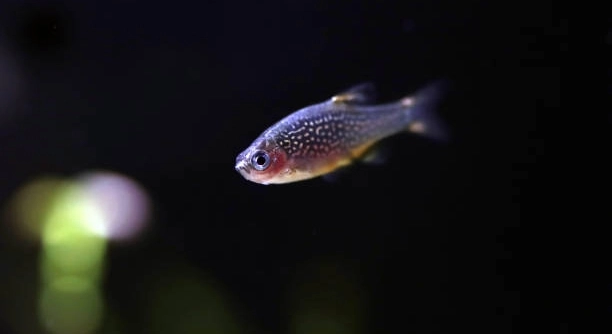
Caring for a sick Danio can feel overwhelming, especially when you want to help it regain strength quickly. Observing their behavior and environment carefully is key to supporting recovery and ensuring a healthy, stable tank.
The most effective approach to restoring a Danio’s strength involves providing optimal water conditions, a balanced diet, and reducing stress factors. Ensuring proper temperature, cleanliness, and nutrient-rich food supports immune function and accelerates recovery in a controlled environment.
By following these strategies, you can help your Danio recover safely and return to its normal activity levels with confidence.
Improve Water Quality
Maintaining clean water is essential for a sick Danio. Regular water changes remove toxins and reduce stress on the fish. Test the water for ammonia, nitrites, and nitrates frequently to ensure levels are safe. Using a gentle filter helps keep the environment stable without creating strong currents. Temperature should remain consistent, as fluctuations can weaken the immune system. Avoid overcrowding the tank, since high fish density can increase stress and the risk of infection. Introducing plants can improve oxygenation and create hiding spots, which calm the fish. Always condition tap water to remove chlorine or chloramines. Observing your Danio’s behavior after changes helps identify what adjustments are working. Small, consistent improvements often have a bigger impact than drastic changes, especially for sick or stressed fish. Gradual transitions prevent further shock to their system while ensuring the tank environment is optimal for recovery. Clean water is the foundation of strong, healthy fish.
Proper water maintenance reduces illness risk and supports faster recovery for sick Danios, creating a stable and safe habitat.
Consistently monitoring water conditions allows for early detection of problems. This proactive care prevents disease from spreading and ensures the Danio can focus energy on healing. Implementing small, regular changes in filtration, temperature, and chemical balance leads to measurable improvements in fish behavior and vitality over time.
Provide Nutritious Food
Offering easily digestible, nutrient-rich food helps a sick Danio regain strength. Focus on high-quality flakes or pellets supplemented with occasional live or frozen foods. Feed small portions multiple times a day to prevent overfeeding and maintain water quality. Avoid foods that are hard to digest or low in nutritional value, as they can slow recovery. Removing uneaten food promptly prevents bacterial growth in the tank. Varying the diet supports immune function and provides essential vitamins and minerals. Freeze-dried options like bloodworms or daphnia can stimulate appetite without overloading the digestive system. Observing the fish during feeding helps identify which foods are most appealing and tolerated. A well-fed Danio recovers more quickly, showing increased activity and improved coloration. Consistent, balanced nutrition is a cornerstone of restoring health in sick fish, complementing water quality and stress reduction.
Nutritious feeding restores energy, promotes healing, and strengthens the immune system in recovering Danios.
Feeding sick Danios requires attention to both quantity and quality. Small, frequent meals prevent digestive stress while providing constant energy. Including a variety of protein sources and essential nutrients ensures the fish can repair tissues and regain vitality. Over time, a carefully managed diet improves appetite, coloration, and overall activity, making recovery more predictable and stable. Regular observation during feeding also allows caregivers to adjust portions and types of food based on the fish’s response, supporting long-term health.
Reduce Stress in the Tank
Minimizing stress helps a sick Danio recover faster. Keep lighting soft, avoid sudden movements near the tank, and provide hiding spots with plants or decorations.
Stress weakens the immune system, making fish more susceptible to illness. Controlling environmental factors like temperature, water flow, and tank mates can significantly reduce stress. Avoid tapping on the glass or rearranging decorations abruptly, as these actions can frighten a sick Danio. Providing calm surroundings allows the fish to focus energy on healing and feeding. Observing behavior in response to changes helps identify stress triggers, making it easier to maintain a stable environment.
Consistency is key. Gradual changes in water temperature, lighting, or tank layout prevent further shock. Pairing the Danio with compatible, peaceful tank mates ensures reduced aggression or chasing. Creating predictable routines for feeding and maintenance also helps maintain a calm environment. Over time, reduced stress supports better appetite, activity, and overall recovery.
Monitor Health Closely
Frequent observation is critical to catch signs of worsening illness early. Note changes in behavior, swimming patterns, or appearance.
Regular health checks allow for timely intervention if symptoms worsen. Look for signs like clamped fins, lethargy, loss of appetite, or discoloration. Keeping a log of daily observations helps track progress and detect subtle changes that might otherwise be missed. Prompt action, such as adjusting water conditions or changing feeding routines, can prevent minor issues from becoming serious.
Monitoring also involves checking for secondary infections or parasites. Sick Danios are more vulnerable, so catching problems early improves recovery chances. Observing social interactions within the tank ensures the Danio isn’t being harassed by other fish. Adjustments based on these observations, like moving aggressive tank mates or adding more hiding spots, can create a safer, more supportive environment. Maintaining this level of attention helps maintain the Danio’s health and energy while supporting long-term resilience.
Quarantine New or Sick Fish
Separating sick or new Danios prevents disease from spreading to healthy tank mates. Use a small, clean tank with proper filtration and stable water conditions.
Monitor the quarantined fish daily for changes in behavior, appetite, or appearance. Quarantine reduces stress on healthy fish and allows focused care on recovery.
Maintain Proper Temperature
Consistent water temperature supports a Danio’s metabolism and immune function. Avoid sudden changes, and keep the tank within the recommended range for the species. Proper heating helps digestion and overall energy, aiding recovery from illness.
Avoid Overcrowding
Too many fish in one tank increases stress and disease risk. Keep the population at a manageable level to ensure each Danio has space to swim, hide, and feed comfortably.
FAQ
How long does it take for a sick Danio to recover?
Recovery time varies depending on the illness, water quality, and care provided. Minor stress or mild illness may show improvement within a few days. More serious infections or prolonged weakness can take weeks. Consistent monitoring, clean water, proper temperature, and nutritious food are essential to support healing. Patience is important, as forcing changes or overfeeding can slow recovery.
Can I use medication for my sick Danio?
Yes, medications can help treat infections or parasites, but they must be appropriate for the specific illness. Follow dosage instructions carefully and monitor the fish for side effects. Remove activated carbon from filters when medicating, as it can absorb the treatment and reduce effectiveness. Avoid overuse, since unnecessary chemicals can stress the fish.
Should I isolate my Danio if it looks sick?
Isolation is recommended to prevent the spread of illness and to give the sick fish a calm environment. Use a separate quarantine tank with stable water conditions and gentle filtration. This setup allows for closer monitoring, targeted feeding, and easier medication if needed. Isolation also reduces stress caused by tank mates.
How often should I feed a sick Danio?
Feed small portions two to three times daily, depending on appetite. Overfeeding can pollute the water and weaken the fish. Include high-quality flakes, pellets, or frozen/live foods. Observe how the Danio responds and adjust amounts to ensure it eats without leaving excess uneaten food in the tank.
What water parameters are best for recovery?
Maintain stable temperature, pH, ammonia, nitrite, and nitrate levels within the species’ recommended range. Frequent testing and partial water changes help reduce toxins and stress. Gradual adjustments are better than sudden changes, as sharp fluctuations can weaken the immune system and prolong illness.
Can stress affect recovery?
Yes, stress greatly impacts healing. Reduce noise, vibrations, bright lights, and aggressive tank mates. Provide hiding spots and a calm environment. Minimizing stress allows the fish to use energy for healing rather than coping with fear or aggression, which helps restore strength faster.
How can I tell if my Danio is improving?
Signs of improvement include increased activity, brighter coloration, regular swimming patterns, and renewed appetite. Monitor behavior and eating habits daily. Small changes may indicate progress. Recovery is gradual, and even partial improvement is a positive sign. Consistency in care is key to full restoration.
Is it okay to keep multiple sick Danios together?
Keeping multiple sick fish together is generally not recommended unless they share the same symptoms and require the same treatment. Overcrowding can increase stress and disease risk. Individual attention in separate tanks allows for better monitoring, targeted care, and faster recovery.
What role does diet play in recovery?
Nutrition supports immune function and tissue repair. High-quality, easily digestible foods provide energy and essential nutrients. Supplementing with protein-rich options like bloodworms or daphnia can stimulate appetite and promote strength. Consistent, balanced feeding accelerates recovery alongside proper water conditions and reduced stress.
When should I seek professional help?
If symptoms worsen despite proper care, such as rapid weight loss, severe lethargy, or visible lesions, consult a veterinarian experienced with fish. Prompt professional guidance can prevent serious complications, ensure proper diagnosis, and increase the chances of a full recovery.
Can water changes harm a sick Danio?
Water changes are beneficial when done carefully. Sudden, large changes can shock the fish. Use gradual partial changes to remove toxins while keeping the water chemistry stable. Observing the Danio’s response after each change ensures the process supports healing without added stress.
How often should I test water during recovery?
Test daily for ammonia, nitrites, and nitrates, and monitor temperature and pH. Sick Danios are sensitive to fluctuations, and early detection of imbalances helps prevent further complications. Keeping a log of results can guide adjustments and support consistent care.
Are live plants helpful for a sick Danio?
Yes, live plants improve oxygen levels, provide hiding spots, and create a calmer environment. They reduce stress and can help maintain stable water conditions. Ensure plants are healthy and free of pests or chemicals that could harm the recovering fish.
Can I use tap water for a sick Danio?
Tap water is acceptable if properly treated to remove chlorine or chloramines. Conditioning the water ensures it’s safe and prevents additional stress or chemical exposure. Allow treated water to reach tank temperature before adding it to avoid shocking the fish.
How do I prevent future illness?
Maintain clean water, provide balanced nutrition, reduce stress, and monitor behavior regularly. Quarantine new fish before introducing them to the main tank. Consistent preventive care lowers the likelihood of illness and helps Danios stay healthy long-term.
Can temperature fluctuations make a Danio sicker?
Yes, unstable temperatures can suppress the immune system and worsen illness. Keep the tank within the recommended range for the species, and avoid sudden changes during water changes or maintenance. A steady environment supports faster recovery and overall health.
What signs indicate that treatment is working?
Improved swimming, increased activity, appetite, and brighter coloration are positive indicators. Symptoms should gradually decrease without sudden deterioration. Continuous observation ensures timely adjustments to care routines if progress stalls.
Should I remove uneaten food immediately?
Yes, leftover food can pollute the water and introduce bacteria, adding stress to the sick Danio. Prompt removal after feeding maintains water quality and reduces the risk of secondary infections.
Are certain tank mates better during recovery?
Peaceful, non-aggressive species are best to minimize stress. Avoid chasing or fin-nipping fish. Compatible tank mates allow the sick Danio to recover without additional pressure while maintaining a calm social environment.
Can a Danio fully recover from serious illness?
Many Danios can recover fully if provided with consistent care, clean water, proper diet, and a low-stress environment. Recovery may take time, but with careful attention and preventive measures, long-term health and normal activity levels are achievable.
This FAQ provides practical guidance to address common concerns and support sick Danios through recovery. Careful attention, consistent routines, and proper monitoring are key to restoring strength and health.
Caring for a sick Danio requires patience, consistency, and attention to detail. Every aspect of their environment affects recovery, from water quality to diet and stress levels. Small, gradual improvements can have a significant impact on their health. Maintaining clean water through regular testing and partial changes is one of the most important steps. Ensuring that ammonia, nitrite, and nitrate levels are within safe ranges prevents additional stress on a sick fish. A stable temperature also plays a critical role, as sudden fluctuations can suppress the immune system and slow recovery. Observing behavior daily helps identify subtle changes that might indicate improvement or emerging problems. Simple measures, such as adjusting lighting, providing plants for hiding spots, and avoiding aggressive tank mates, make the environment calmer and safer for the fish. Attention to these details creates conditions that support healing and reduce the risk of further illness.
Nutrition is another cornerstone of recovery for a sick Danio. Providing high-quality flakes or pellets that are easily digestible ensures the fish receives essential nutrients without straining its digestive system. Supplementing with occasional live or frozen foods, like bloodworms or daphnia, can stimulate appetite and encourage eating, which is critical when energy is low. Feeding small amounts multiple times a day helps maintain steady energy levels while preventing uneaten food from polluting the water. A varied diet supports immune function and helps the fish regain strength more quickly. Monitoring which foods are accepted and adjusting portions accordingly allows for better recovery outcomes. Consistency in feeding and careful observation of appetite changes provide valuable insight into overall health, helping to guide further care decisions. With proper nutrition, the Danio has the resources it needs to repair tissue, maintain energy, and restore normal activity.
Monitoring and reducing stress is equally important during recovery. Stress can weaken the immune system and make the fish more vulnerable to infection, so creating a calm and predictable environment is essential. Limiting sudden movements near the tank, avoiding loud noises, and ensuring compatible tank mates reduce anxiety. Isolation in a quarantine tank may be necessary to give a sick Danio space to recover without interference from other fish. Regular observation for changes in swimming, coloration, and behavior allows for timely intervention if problems arise. Addressing minor issues early prevents them from becoming serious complications. Combining proper water quality, balanced nutrition, and a low-stress environment gives the fish the best chance to regain strength fully. Over time, these consistent care practices help a Danio recover safely and return to normal activity levels, ensuring long-term health and vitality.

Hello,
If you enjoy the content that we create, please consider saying a "Thank You!" by leaving a tip.
Every little bit helps us continue crafting quality advice that supports the health, happiness, and well-being of pets around the world, for pets of all shapes, sizes, and species.
We really appreciate the kindness and support that you show us!