
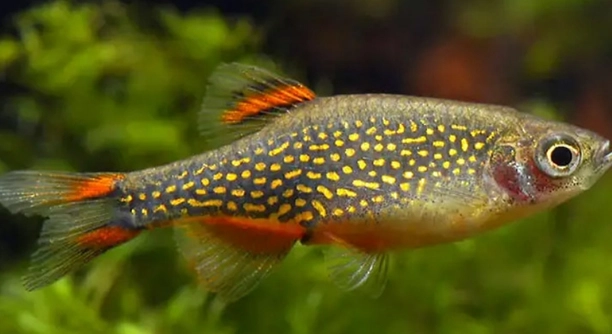
Are your danios showing unusual behavior in their tank lately? Observing small changes in their movements or appetite can indicate that your water conditions may not be ideal for their health.
Danios exhibit several physiological and behavioral responses when exposed to water that is too hard. These include stress-induced rapid gill movement, reduced feeding, lethargy, fin clamping, color fading, increased hiding, and abnormal swimming patterns, all signaling discomfort.
Recognizing these signs early can help maintain a healthier environment and prevent long-term stress or illness in your fish.
Rapid Gill Movement
When danios are in water that is too hard, one of the first signs you may notice is rapid gill movement. This happens because their gills are working harder to process the excess minerals in the water. Hard water increases the concentration of calcium and magnesium ions, which can make it more difficult for the fish to regulate their internal balance. As a result, they may breathe faster, appearing as if they are struggling to get enough oxygen. Observing this behavior consistently can indicate that the water hardness is affecting their respiratory system. Adjusting water parameters gradually is essential, as sudden changes can further stress the fish. Maintaining a stable environment with appropriate hardness levels supports healthy gill function and overall well-being. Consistent monitoring allows for early detection and intervention before more severe symptoms appear.
Rapid gill movement is often a clear and early sign of water stress. It signals immediate attention.
Understanding this reaction helps prevent chronic health issues, supporting your danios’ long-term respiratory and overall aquatic health. Regular testing ensures water conditions remain balanced and safe.
Reduced Feeding
Danios often eat less when the water is too hard. Their stress levels can suppress appetite, making them less interested in food.
Over time, reduced feeding can impact growth and vitality. Hard water stresses their internal systems, causing them to conserve energy rather than search for food. Lack of nutrients can weaken their immune system, making them more vulnerable to infections. Ensuring a balanced diet and monitoring their intake helps manage the effects of hard water.
To encourage normal feeding, gradually adjust water hardness or provide softened water in small portions. Observing their behavior during feeding times helps identify which fish are struggling. Supplements can support their health, but maintaining proper water conditions is the most effective long-term solution. By addressing these signs promptly, you can ensure that your danios remain active, healthy, and resilient despite changes in water hardness.
Lethargy
Lethargy in danios often occurs when water is too hard. They move less, hide more, and spend long periods near the bottom of the tank. This lack of activity is a clear sign that the environment is stressing them.
Prolonged exposure to hard water affects a danio’s energy levels. Their metabolic processes become less efficient, which reduces stamina and activity. You may notice them drifting instead of swimming actively or failing to respond quickly to other fish. This can also lead to reduced social interaction, as danios normally school together. Addressing water hardness promptly can restore their energy and prevent long-term weakness or vulnerability to disease.
Monitoring lethargy alongside other symptoms helps identify water issues early. Creating softer water conditions gradually improves activity levels. Proper filtration, regular water changes, and maintaining a stable hardness balance are crucial to keep danios healthy, active, and thriving.
Fin Clamping
Fin clamping is a common response to hard water. The fins appear tight against the body, reducing movement and signaling discomfort. Stress from mineral imbalance often triggers this reaction.
When danios clamp their fins, it can limit normal swimming and affect balance. This behavior is a defensive response, as the fish attempt to conserve energy while under stress. Over time, clamped fins may become more pronounced, signaling persistent poor water conditions. Observing this alongside lethargy, rapid gill movement, or reduced feeding gives a clear indication that water hardness is affecting their health.
Addressing fin clamping involves adjusting water hardness gradually. Softening the water slightly, maintaining stable parameters, and monitoring for improvement helps danios recover. Providing hiding spaces and gentle water flow reduces stress further. Over several weeks, fins can regain normal spread, and the fish will display healthier, more natural swimming behaviors. Proper diet and clean water support full recovery, reinforcing resilience against stress caused by hard water.
Color Fading
Color fading in danios is a noticeable reaction to hard water. Their vibrant hues may dull, leaving them looking pale or washed out. This change is often a response to stress and mineral imbalance in the tank.
Prolonged exposure to hard water can reduce pigment intensity. The stress from excess minerals affects their metabolism and overall health. Over time, faded colors can indicate ongoing discomfort, making early intervention important. Adjusting water hardness gradually helps restore natural coloration and maintains the fish’s visual appeal.
Increased Hiding
Danios tend to hide more when water hardness is too high. They may spend long periods behind decorations or plants, avoiding open areas where they normally swim freely. This behavior is a protective response to environmental stress, helping them conserve energy and feel safer in a harsh environment.
Abnormal Swimming
Abnormal swimming patterns are a strong sign that danios are stressed by hard water. They may dart erratically, swim in circles, or tilt at unusual angles. This irregular movement can indicate discomfort or difficulty maintaining balance, reflecting the strain their bodies experience from high mineral content.
Stress Signs
Stress signs in danios appear as changes in behavior, such as fin clamping, hiding, or loss of appetite. Persistent stress can weaken immunity, making them more vulnerable to disease. Monitoring these signs helps identify water issues early and allows for timely adjustments to maintain healthy conditions.
FAQ
How can I test the hardness of my tank water?
Testing water hardness is simple with a reliable test kit from a pet store. These kits measure both general hardness (GH) and carbonate hardness (KH). Regular testing helps track changes over time, ensuring your danios remain in a safe environment. Using strips or liquid tests provides quick results, while digital meters offer more precise readings. Testing weekly allows you to spot sudden increases or decreases in hardness, giving you time to make gradual adjustments. Accurate measurement is essential to maintain proper conditions and avoid stress or health issues in your fish.
What is the ideal water hardness for danios?
Danios thrive in moderately soft to slightly hard water, usually around 5–12 dGH. Maintaining this range supports their metabolic functions, coloration, and overall activity. Both extremely hard and extremely soft water can lead to stress, so monitoring levels regularly is important. Keeping GH and KH within the recommended range ensures their gills, fins, and digestive systems operate efficiently. Balancing water hardness with other parameters like pH creates a stable environment, minimizing the risk of abnormal behaviors such as fin clamping or color fading.
Can hard water cause long-term health issues?
Yes, prolonged exposure to excessively hard water can weaken immunity and stunt growth in danios. Chronic stress may lead to frequent infections, poor coloration, and abnormal swimming. Even if immediate symptoms are mild, long-term effects can reduce lifespan. Gradual adjustment of water parameters is key to avoiding these problems. Monitoring feeding habits and behavior helps identify stress before it becomes severe. Supporting recovery with high-quality food and stable tank conditions can reverse some effects, but prevention through proper water management is always the best strategy.
How do I soften water safely for my danios?
Water can be softened gradually by mixing tap water with reverse osmosis (RO) or distilled water. Adding natural elements like peat can slightly reduce hardness, but changes should occur slowly to prevent shock. Sudden shifts in water chemistry are more harmful than slightly hard water. Using a reliable test kit ensures adjustments are precise. Frequent small water changes help maintain consistent levels while protecting your fish from stress. Softening water gradually allows danios to adapt without causing lethargy, abnormal swimming, or color fading.
Are there signs that indicate water hardness is too high even without testing?
Yes, danios give visible signals such as rapid gill movement, lethargy, fin clamping, reduced feeding, hiding, and faded colors. Abnormal swimming patterns also indicate stress from hard water. Observing your fish daily helps identify these signs early. Behavioral changes often appear before physical health declines, making careful monitoring essential. Addressing the problem at the first sign prevents more severe complications. Recording observations alongside water tests allows you to track patterns and respond promptly, maintaining a healthy and balanced aquarium environment.
Will changing water hardness affect other tank parameters?
Adjusting hardness can influence pH and overall water chemistry. As minerals are removed or diluted, pH may fluctuate, so monitoring all parameters is crucial. Gradual changes prevent shock, allowing fish to adapt. Maintaining stable temperature and filtration supports the transition. Balancing hardness with other factors ensures a safe environment. Sudden alterations in water composition can increase stress, so making incremental adjustments over several days or weeks is safest. Consistency in testing and observation helps maintain a harmonious tank and prevents unwanted side effects.
Can diet help mitigate stress from hard water?
Providing high-quality, nutrient-rich food supports danios’ resilience against water stress. Vitamins, minerals, and proteins strengthen immunity and energy levels. Supplementing with occasional live or frozen foods can improve appetite and overall well-being. While diet alone cannot correct water hardness, it reduces the impact of stress while adjustments are made. Healthy feeding encourages normal behavior, better coloration, and more active swimming. Observing which fish eat normally and which hesitate helps gauge stress levels and informs whether further water adjustments are needed.
Is it safe to keep danios in slightly hard water?
Yes, danios can tolerate moderately hard water if it is stable. Sudden changes are more harmful than slightly elevated hardness levels. Stability and gradual acclimation are more important than achieving a perfect number. Consistent testing, proper diet, and attentive observation ensure danios remain healthy even when hardness is slightly above ideal. Minor hardness variations are often manageable if the tank environment remains consistent, water quality is maintained, and fish behavior is monitored. Providing hiding spots and proper filtration also supports stress reduction in less-than-ideal conditions.
How often should I check water hardness?
Weekly testing is recommended, or more frequently after water changes or adjustments. Consistent monitoring prevents unnoticed shifts that can stress your danios. Keeping a log of results helps identify trends and plan gradual corrections. Checking before adding new fish ensures conditions are suitable. Frequent testing combined with careful observation of fish behavior allows for timely interventions, maintaining a safe and stable tank. Regular measurement supports long-term health and reduces the likelihood of stress-related problems.
What are the easiest ways to maintain proper hardness?
Regular partial water changes with softened water, using RO water if needed, and avoiding overuse of mineral-rich additives help maintain proper hardness. Monitoring GH and KH, avoiding sudden chemical additions, and keeping a stable environment are essential. Consistency is key to preventing stress in danios. Incorporating natural elements like driftwood or peat moss can help buffer water slightly. Maintaining clean filtration and avoiding overcrowding also supports stable hardness levels. By combining careful observation with gradual adjustments, you can create a safe environment that promotes healthy growth, vibrant colors, and active behavior in your danios.
Final Thoughts
Managing water hardness is one of the most important aspects of keeping danios healthy. Water that is too hard can affect their gills, fins, and overall metabolism, leading to stress and unusual behavior. While danios are hardy fish, they still respond to changes in water chemistry, and prolonged exposure to high mineral levels can have lasting effects. Regular testing of both general hardness (GH) and carbonate hardness (KH) helps maintain a safe environment. Simple tools like test strips or liquid kits are sufficient for routine checks, while more precise digital meters can provide additional accuracy if needed. Gradual changes to water hardness are essential because sudden shifts can shock the fish, worsening stress and potentially causing illness. Monitoring water quality alongside fish behavior allows you to address problems before they become serious.
Observing your danios daily is an effective way to detect early signs of stress from hard water. Behaviors such as rapid gill movement, fin clamping, hiding, reduced feeding, or lethargy indicate that your water may not be optimal. Physical changes like faded colors or abnormal swimming patterns are also important indicators. Paying close attention to these signs allows for timely intervention, whether that means partial water changes with softened water, adjusting mineral content gradually, or modifying filtration. Supporting their health with a balanced diet rich in proteins, vitamins, and minerals can help improve their resilience while water conditions are corrected. Consistency in both observation and water maintenance creates a stable environment, reducing stress and helping danios display their natural behaviors.
Creating the right water conditions requires patience and attention, but it has lasting benefits for your fish. Ensuring moderately soft to slightly hard water, providing proper filtration, and making gradual adjustments maintain their well-being. Supporting a balanced environment with stable parameters not only improves their activity, coloration, and appetite but also helps prevent long-term health issues. Maintaining water quality is a continual process, and small, consistent steps are better than sudden, drastic changes. By understanding the reactions danios show to hard water and responding appropriately, you can create a comfortable, healthy habitat where they thrive. Careful attention, routine testing, and responsive care help keep your fish active, vibrant, and stress-free.

Hello,
If you enjoy the content that we create, please consider saying a "Thank You!" by leaving a tip.
Every little bit helps us continue crafting quality advice that supports the health, happiness, and well-being of pets around the world, for pets of all shapes, sizes, and species.
We really appreciate the kindness and support that you show us!