
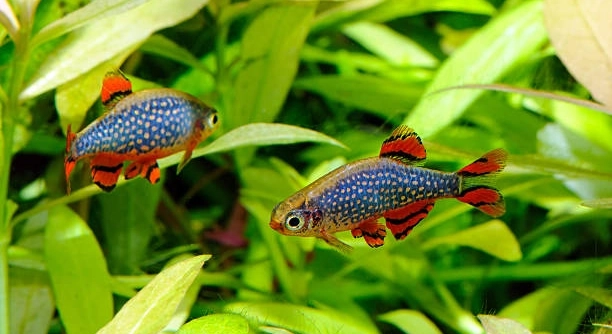
Do you ever notice your danios acting strangely in their tank after moving decorations or changing filters? These small fish are sensitive to how water flows, and even minor shifts can affect their behavior. Observing their reactions can be fascinating.
Danios respond to water flow changes in several ways, including erratic swimming, clustering in low-current areas, reduced feeding, and increased stress. Alterations in current strength, direction, or turbulence can significantly disrupt their natural swimming patterns and social interactions.
Understanding these flow changes can improve your tank setup and keep your danios comfortable. Recognizing their preferences helps create a healthier, more stable environment for your fish.
Sudden Changes in Current Strength
When I first noticed my danios suddenly darting around the tank, I realized the filter had been adjusted to a higher speed. Small fish like danios are highly sensitive to changes in current strength, even when everything else in the tank looks normal. Rapid increases in water flow can make them struggle to swim, leading to stress and fatigue. Conversely, lowering the current too much can make them lethargic, as they rely on steady movement to feel secure. Over time, consistent flow helps them establish swimming routines and maintain their energy levels. Adjustments should be gradual, giving the fish time to acclimate. Observing how they react to small tweaks can prevent long-term behavioral changes and health issues. Their natural instinct is to find the right balance, and a stable current supports their social interactions and overall tank harmony. Even subtle modifications can have noticeable effects.
Danios prefer steady, moderate water flow and become unsettled when currents suddenly change. Stability in the tank is essential for their well-being.
Small, frequent observations of how your danios handle these changes can guide the best flow adjustments, ensuring a calmer, healthier aquarium.
Changes in Flow Direction
Danios are naturally drawn to specific swimming patterns, and changes in the direction of water flow can disrupt these habits. They may cluster in corners or avoid certain areas entirely. Understanding their tendencies can make it easier to maintain a balanced environment.
Reorienting filters or decorations can cause water to swirl differently, confusing your fish. They may swim against currents that were previously gentle or avoid areas that now feel turbulent. This can affect feeding, as they might hesitate to leave protective spots. Over time, constant redirection may lead to stress, reduced activity, or uneven growth. Monitoring the tank and introducing changes gradually helps them adapt. Using plants or driftwood to gently guide the current can support natural swimming patterns. Watching how they explore the new flow paths reveals their comfort zones. Stability and consistency in flow direction encourage active, confident swimming while maintaining social dynamics. By paying attention to these small cues, you can create a tank environment where your danios feel secure and active, reducing stress-related behaviors.
Inconsistent Flow Patterns
Small changes in water movement can throw danios off. They rely on predictable currents to navigate and feel safe. Sudden swirls or eddies make them hesitant to explore or feed, creating tension in their usual swimming routes.
I noticed that when my tank’s flow became inconsistent, my danios began darting erratically between areas. Some would cling to calmer spots while others attempted to fight the new currents. Inconsistent patterns cause energy loss and stress, and over time, can affect overall health. These fish thrive in an environment where currents remain steady and predictable, which allows them to establish routines for swimming, resting, and social interaction. Even minor variations from day to day can trigger noticeable behavioral changes. Adjustments should always be gradual, allowing them to adapt comfortably. Maintaining uniform flow not only keeps the fish active but also ensures they feed and interact normally, supporting both physical and social well-being.
Observing their reactions to varying patterns helps identify areas of turbulence. Small modifications, like repositioning a filter or adding gentle obstacles, can stabilize water movement and restore calm swimming behavior.
Obstructions Affecting Flow
Plants, rocks, or decorations can change how water moves, impacting danios’ swimming paths. They avoid areas with heavy turbulence, preferring open spaces where flow feels natural and steady.
When I added driftwood and a cluster of plants, I noticed my danios hesitated near these areas. Obstructions can create unpredictable currents or dead spots, forcing fish to constantly adjust. Over time, they may avoid feeding zones or lose confidence swimming through these altered paths. Proper placement can create gentle channels that guide flow without overwhelming the fish. Observing their movement patterns allows adjustments to maintain balanced currents while still providing hiding spots. Controlled obstructions can enhance enrichment, but excessive blockage disrupts natural swimming and social behavior, making gradual placement crucial for their comfort and health.
Temperature-Driven Flow Changes
Danios react quickly when water temperature affects flow. Warmer water can increase current speed slightly, while cooler water slows it, making familiar swimming routes feel different. They adjust instinctively but may show stress until they settle.
I noticed my danios clustering more when the filter warmed a corner of the tank. These subtle changes alter energy use and comfort. Even small temperature-related shifts in flow can disrupt their routines, making consistent monitoring important for stability.
Filter Upgrades
Upgrading a filter can unintentionally change flow patterns. New equipment may push water faster or in different directions, affecting where danios choose to swim.
When I replaced an older filter, my danios initially avoided certain areas entirely. They seemed unsure where to feed or rest, and their swimming became erratic. Observing their behavior helped me adjust the filter output gradually. Proper placement and flow calibration allow fish to adapt without prolonged stress, maintaining their usual activity levels and social interactions.
Tank Shape Influence
The shape of a tank affects how water moves. Narrow or irregular tanks can create unpredictable currents that confuse danios.
Why do my danios suddenly swim erratically after adjusting the filter?
Danios are highly sensitive to changes in water flow. Even small adjustments to filter speed can create stronger currents, forcing them to swim harder to maintain balance. They may dart, hover, or cling to calmer areas while figuring out the new conditions. Gradual changes are easier for them to adapt to.
Can sudden decor changes confuse my danios?
Yes. Moving plants, rocks, or driftwood alters how water moves in the tank. New obstacles can create turbulence or dead spots where currents are weaker. Danios may avoid these areas until they become accustomed to the new flow. Observing their swimming paths after rearranging decorations helps identify problematic zones.
Do water temperature changes affect their swimming patterns?
Absolutely. Slight temperature fluctuations can affect water density and flow speed. Warmer water may increase current intensity slightly, while cooler water slows it down. These shifts can make swimming feel different, causing temporary stress or clustering behavior. Keeping temperature stable helps maintain predictable currents for danios.
Why do some danios cluster in one corner of the tank?
Clustering often happens when flow becomes inconsistent or stressful. Fish instinctively seek calmer areas to conserve energy and reduce exposure to strong currents. This behavior may also indicate temperature differences, obstructions, or changes in water direction. Watching these patterns helps pinpoint flow issues.
How do obstructions like plants or rocks influence water flow?
Obstructions redirect water, creating eddies, swirls, or dead zones. Danios may avoid these areas or repeatedly adjust their swimming to navigate around turbulence. Proper placement of decorations can guide currents gently, allowing the fish to explore safely while maintaining natural behavior. Excessive blockage should be avoided.
Will upgrading a filter stress my danios?
Upgrading can change both flow strength and direction, initially confusing the fish. They may avoid certain zones or show increased activity as they test new currents. Gradual calibration and monitoring help them adjust without prolonged stress, keeping feeding and social behaviors stable.
Do tank shape and size affect water flow for danios?
Yes. Narrow, long, or irregularly shaped tanks can create uneven currents. Corners or indentations may produce dead spots or strong swirls. Danios prefer steady, predictable movement. Using decorations strategically can guide flow and reduce problem areas while still providing hiding spots and enrichment.
How long does it take for danios to adjust to new water flow?
Adjustment varies depending on the extent of change. Small modifications may be tolerated within hours, while larger shifts can take several days. Providing consistent, gentle currents and monitoring behavior ensures they acclimate safely. Avoid sudden, repeated changes to prevent long-term stress.
Can danios’ feeding be affected by flow changes?
Yes. Strong or irregular currents can make it harder for fish to reach food. They may avoid certain zones or show decreased appetite until currents stabilize. Feeding in calmer areas or adjusting flow can help maintain regular feeding habits.
What signs indicate that flow changes are stressing my danios?
Erratic swimming, clustering in one area, reduced feeding, or prolonged inactivity are common signs. Stress can also affect coloration and social interactions. Observing daily behavior allows for timely adjustments to currents, tank layout, and temperature, keeping the fish comfortable and healthy.
Are there ways to prevent flow-related stress in danios?
Gradual adjustments are key. Introduce changes slowly, monitor behavior closely, and ensure obstacles do not create unexpected turbulence. Consistent temperature, predictable currents, and strategic decoration placement help maintain calm swimming patterns. Regular observation is the best tool for preventing stress and maintaining a stable environment.
Can multiple changes at once confuse my danios more than one at a time?
Definitely. Combining filter adjustments, temperature shifts, and decor rearrangements overwhelms their ability to adapt. It’s best to change one variable at a time, allowing them to adjust fully before introducing another modification. This ensures calmer behavior and reduces stress-related issues.
How can I create a stable flow environment for my danios?
Use steady filter output, avoid sudden temperature shifts, and place decorations strategically to guide currents. Monitor daily swimming patterns and adjust slowly if needed. A balance between open spaces and gentle flow channels allows danios to swim confidently, feed regularly, and maintain social behavior.
Is it normal for danios to hide after flow changes?
Yes. Hiding is a natural response to new or stressful currents. It allows them to conserve energy while assessing the environment. Over time, with stable and predictable water movement, they usually resume normal swimming and feeding habits.
Can adding plants help regulate water flow?
Plants can reduce turbulence and create gentle channels, making currents more manageable. They provide hiding spots and visual breaks, helping danios feel secure. However, too many or poorly placed plants can block flow completely, so balance is essential. Proper placement enhances comfort without disrupting swimming routines.
Do danios prefer slow or fast currents?
They prefer moderate, steady currents. Too slow may make the tank feel stagnant, while too fast causes constant struggle. Moderate flow helps them swim naturally, exercise, and maintain social behaviors without unnecessary stress. Gradual adjustments help find the ideal balance for each tank setup.
How often should I check flow changes in my tank?
Daily observation is ideal, especially after adjustments. Look for clustering, hesitation, or erratic movement. Minor shifts can be corrected quickly, and consistent monitoring helps ensure that feeding, swimming, and social interactions remain normal. Maintaining steady flow over time supports long-term health.
What’s the best approach if my danios seem stressed after a flow change?
Reduce filter speed slightly, adjust decorations, or add gentle flow guides. Give them time to acclimate and monitor behavior closely. Gradual, controlled modifications are the safest way to restore calm swimming patterns and reduce stress, maintaining a healthy, active group of fish.
Can multiple danios in the same tank affect how they respond to flow?
Yes. Social dynamics influence how individuals react. Stronger fish may dominate calmer areas, while weaker ones retreat. Maintaining even currents and enough space ensures all fish can swim comfortably and access food without conflict. Observing social interactions helps balance tank conditions.
Are there any tools to help monitor water flow for danios?
Flow meters, gentle bubble testing, or watching lightweight objects like leaves can show current patterns. Observing fish behavior in response to these tests is the most practical method. Adjusting filters and decorations based on observations ensures predictable, comfortable flow for the fish.
Danios are small, active fish that thrive in stable environments. Their swimming behavior is highly influenced by water flow, which affects where they move, how they feed, and how they interact socially. Even minor changes in flow strength, direction, or patterns can create stress and confusion. Observing their behavior closely is essential for maintaining a healthy tank. By noting where they swim, which areas they avoid, and how they react to currents, you can better understand their preferences. This attention helps prevent prolonged stress, which can impact their health over time. Ensuring that currents remain steady and predictable allows danios to maintain energy and swim naturally, supporting both physical fitness and social behaviors.
Maintaining a stable flow involves several considerations. Filter speed should be consistent, and any changes should be gradual to allow the fish to adjust comfortably. Decorations, plants, and rocks should be arranged to guide water gently without creating strong turbulence or dead zones. Temperature stability also plays a role, as small shifts can alter flow and confuse the fish. Observing how danios react to new setups is crucial; they may cluster, hide, or swim erratically if conditions feel unpredictable. Adjustments should be made slowly and carefully, keeping their comfort and well-being in mind. By paying attention to these details, the tank environment becomes more predictable, which reduces stress and encourages normal swimming, feeding, and social interactions.
Consistency and careful monitoring are key to keeping danios comfortable in an aquarium. Even when upgrading filters, adding plants, or changing the tank layout, it is important to make changes gradually. Watching how fish respond provides insight into how currents affect their behavior and helps guide adjustments. Providing areas with gentle flow alongside open spaces for swimming allows them to explore freely while feeling secure. By understanding their needs and maintaining stable conditions, you support both their health and natural instincts. A tank with balanced currents, predictable flow, and thoughtful decoration placement creates an environment where danios can thrive, swim confidently, and interact normally with each other. With ongoing observation and small, careful adjustments, maintaining this balance becomes manageable, ensuring that your fish remain active, healthy, and stress-free.

Hello,
If you enjoy the content that we create, please consider saying a "Thank You!" by leaving a tip.
Every little bit helps us continue crafting quality advice that supports the health, happiness, and well-being of pets around the world, for pets of all shapes, sizes, and species.
We really appreciate the kindness and support that you show us!